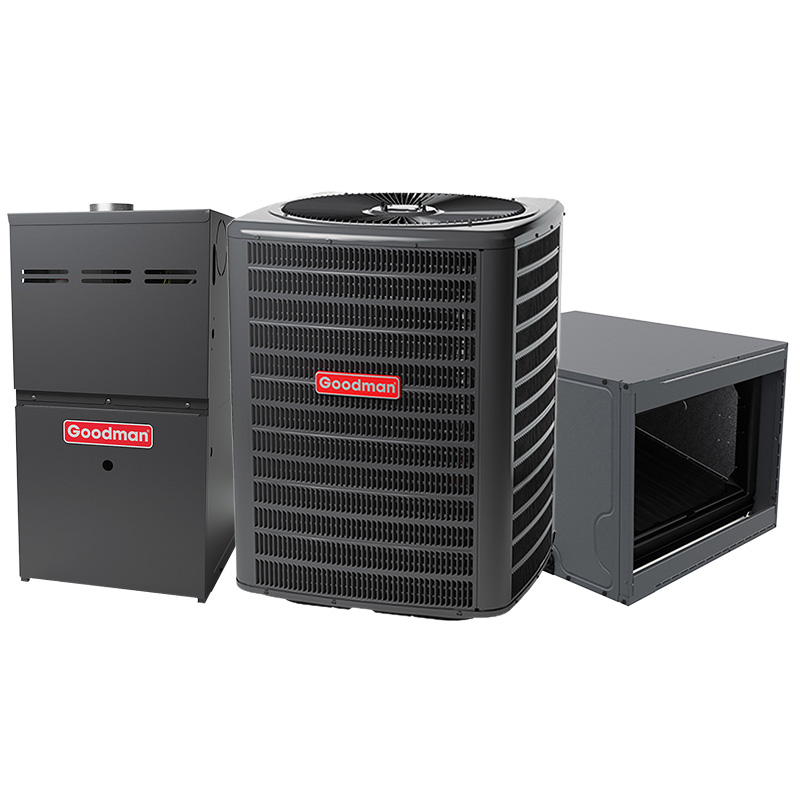
Goodman 3 Ton AC And 60000 BTU 80% AFUE Gas Furnace System | 15.2 SEER2 AC | Multi-Speed ECM Low NOx Furnace | Horizontal | R32
View on AC Direct see your lowest price →Check current price on AC Direct →
Key features
- 3-ton, 15.2 SEER2 cooling capacity for homes roughly 1,400 to 1,800 sq ft
- 60,000 BTU, 80% AFUE single-stage gas furnace with multi-speed ECM blower
- Horizontal configuration for attic, crawlspace, or side-discharge installations
- R-32 refrigerant with a global warming potential roughly 68% lower than R-410A
- Low NOx combustion design to meet stricter regional air-quality regulations
- ECM motor reduces blower electricity draw and supports quieter, more even airflow
About this system
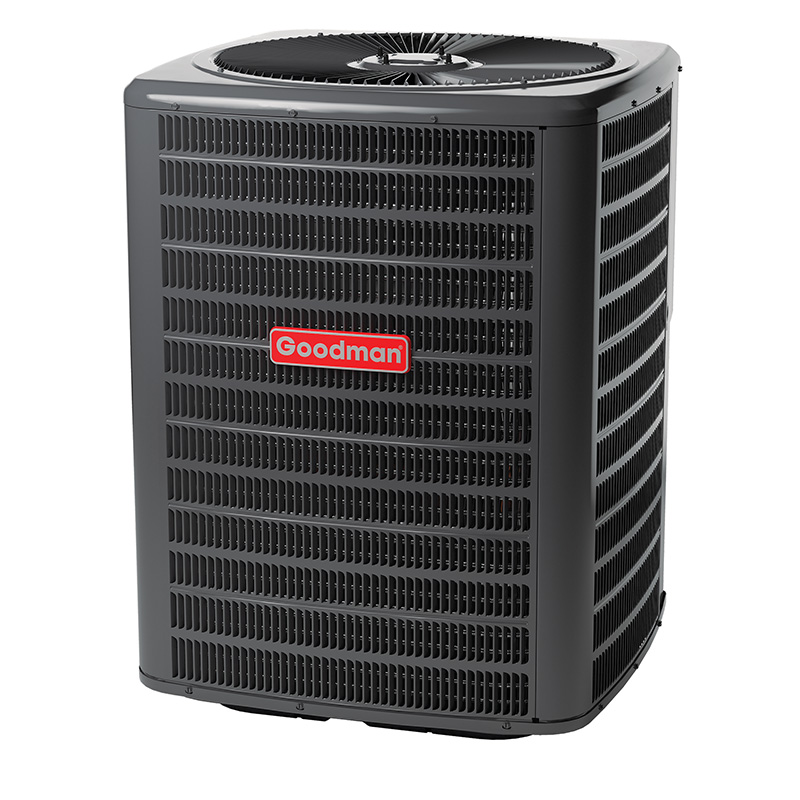
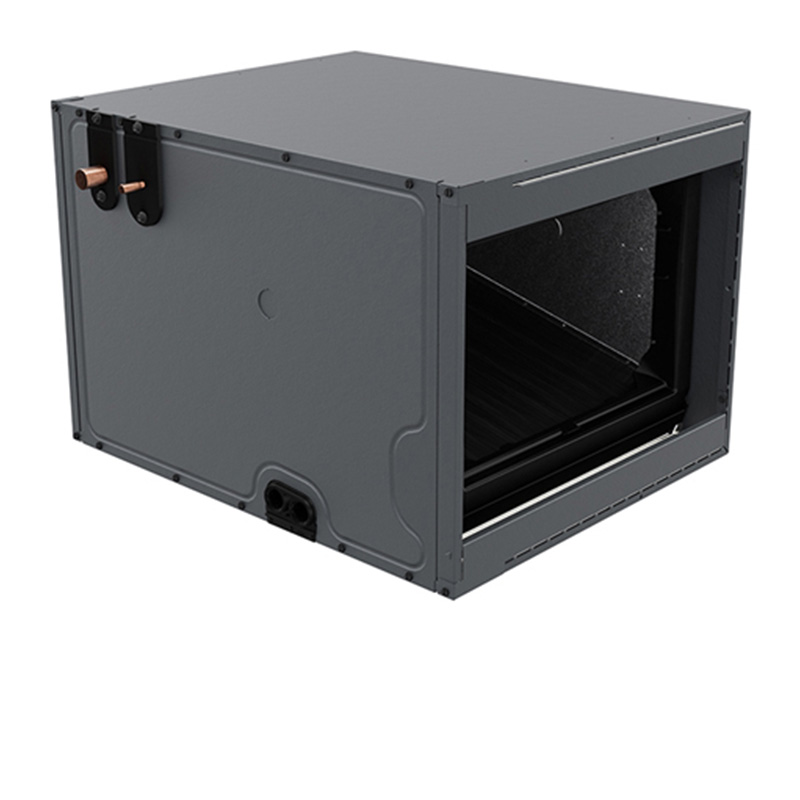
This Goodman bundle pairs a 3-ton, 15.2 SEER2 central air conditioner with a 60,000 BTU, 80% AFUE gas furnace in a horizontal configuration, making it sized for homes roughly in the 1,400 to 1,800 square-foot range depending on climate and insulation. The horizontal layout is designed for attic or crawlspace installations where vertical clearance is tight, so if your air handler sits in a standard basement or utility closet, this orientation may not be the right fit. R-32 refrigerant is a step forward environmentally, carrying a global warming potential about 68 percent lower than the R-410A it replaces and offering slightly better heat transfer properties at the same pressures.
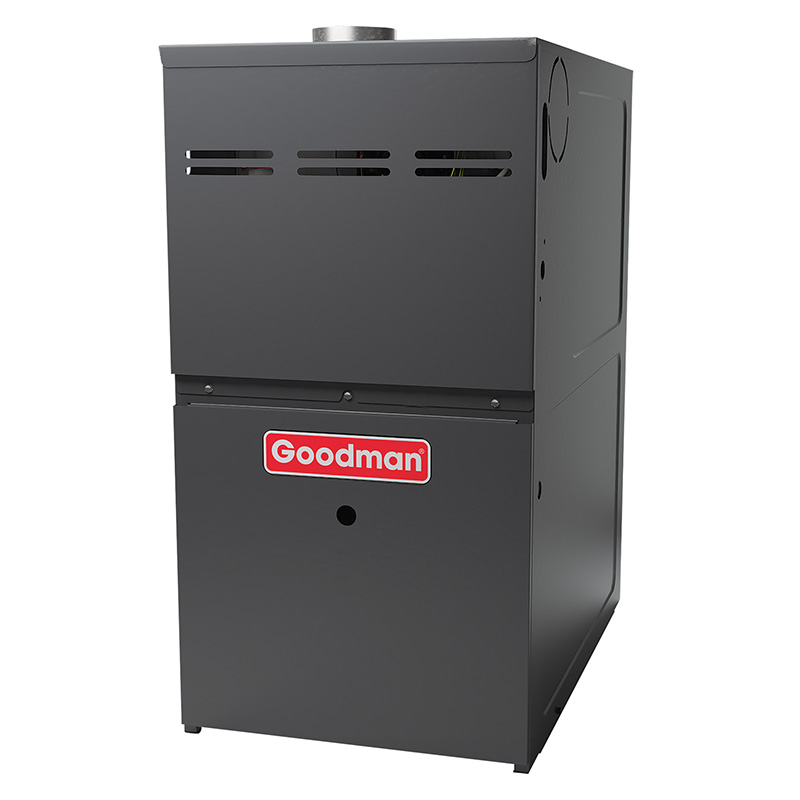
The furnace’s multi-speed ECM blower motor is a meaningful upgrade over a basic single-speed PSC motor. It ramps airflow gradually rather than blasting on and off, which translates to quieter operation, more even temperature distribution across rooms, and lower electrical consumption during blower-only cycles. The 80% AFUE rating means one dollar in five of your gas spend goes up the flue as waste heat, which is the minimum efficiency tier available. That is a reasonable trade-off at this price point if you live in a mixed or warmer climate, but homeowners in cold northern climates should weigh whether a 96% or 97% AFUE unit would recover its cost premium through fuel savings within a realistic payback window.
This Goodman system delivers solid entry-level performance at a price that undercuts Carrier, Trane, and Lennox by a meaningful margin, and the ECM furnace motor adds real comfort value at this tier. The trade-offs are a modest efficiency ceiling, documented reliability concerns after year seven, and a compressor lifespan that typically trails premium brands by several years. It is a reasonable buy when install quality is prioritized and the savings versus premium brands are put toward a service contract or extended warranty.
Overall score is the average of the five ratings above.
What we like
- Purchase price typically 15 to 25 percent below comparable Carrier, Trane, and Lennox systems
- Multi-speed ECM blower improves comfort and reduces electricity use during fan cycles
- R-32 refrigerant is more environmentally responsible and is being widely adopted across the industry
- Low NOx burner design meets stricter California and regional emissions requirements
- Horizontal configuration suits attic or crawlspace installs where few alternatives exist
Trade-offs
- 80% AFUE is the lowest efficiency tier available; fuel costs will be noticeably higher than 95%+ units in cold climates
- Dual-run capacitors are the most commonly reported failure point and tend to need replacement within the first decade
- Evaporator coil leaks appear in a meaningful share of owner reports, and compressor lifespan averages 10 to 14 years versus 15 to 20 for premium brands
- A minority of owners report refrigerant leaks within the first year, typically tied to install or initial charge quality rather than the equipment itself
What homeowners and pros say about Goodman
Homeowners who buy Goodman systems tend to land in two camps. Those with properly sized, carefully installed equipment often run it for a decade without major issues and consistently point to the lower purchase price as a win. Google dealer reviews average around 3.8 out of 5, and affordability is the most common thread in positive feedback. The critics, concentrated on complaint-heavy channels like ConsumerAffairs where the brand sits at roughly 2.5 out of 5, describe a pattern of repair bills stacking up after year seven. The specific failure modes that show up repeatedly are dual-run capacitors going out (typically a 300 to 600 dollar fix and a known wear item on this brand), evaporator coil leaks that can run significantly higher, and compressors that tend to top out around 10 to 14 years rather than the 15 to 20 years more common in premium equipment.
HVAC technicians who work on Goodman regularly make a consistent point: the equipment performs close to its rated specs when installed correctly, but it leaves less margin for error than Trane or Carrier if a contractor cuts corners on refrigerant charge, airflow balancing, or line set sizing. That matters especially for this horizontal bundle, where condensate drainage and refrigerant line routing add complexity that a rushed installer can get wrong. For this specific system, the early refrigerant leak reports seen in a minority of owner accounts almost always trace back to the initial installation or charge rather than a factory defect, which underscores why vetting your installer is at least as important as the brand name on the cabinet.
Sources: ConsumerAffairs Goodman owner reviews, AHRI Directory of Certified Product Performance, U.S. DOE appliance and equipment efficiency standards, Goodman product specification sheets.
What it costs to run
At 15.2 SEER2, cooling this 3-ton system for a typical 1200-hour cooling season at the U.S. average electricity rate of $0.17/kWh works out to roughly $483 per year in cooling, about $65 less per year than a minimum-efficiency 13.4 SEER2 unit of the same size. Your real cost depends on your climate and local rate.
Method: (36,000 BTU/hr ÷ 15.2 SEER2) × 1200 hours ÷ 1000 × $0.17/kWh. Rate source: U.S. EIA average; cooling hours: moderate-climate estimate.
How it compares
| Brand | Comparable model | SEER2 | Stage | Price position |
|---|---|---|---|---|
| Goodman | GLXS3BA36 + GMVC8 / This Bundle | 15.2 | Single-stage AC, multi-speed furnace | Value pick |
| Carrier | Comfort 15 (24ACC6) | 15.2 | Single-stage | Typically 15 to 20 percent above this Goodman bundle |
| Trane | XR15 (4TTR5) | 15.2 | Single-stage | Typically 20 to 25 percent above this Goodman bundle |
| Lennox | Merit ML15 series | 15.2 | Single-stage | Typically 20 to 25 percent above this Goodman bundle |
Competitor rows are comparable single-stage units at similar efficiency; price is relative position, not a quote.
Questions about this system
Is horizontal orientation the only way this system can be installed, or can it be converted to vertical?
This specific bundle is configured and rated for horizontal installation. Attempting to operate it vertically can affect condensate drainage, refrigerant oil return, and airflow performance. If your installation space is vertical, you should select a matching vertical-configuration system instead.
Will R-32 refrigerant cost more to service than R-410A if I ever need a recharge or coil repair?
R-32 pricing has been coming down as adoption grows, and many technicians already stock it. It is mildly flammable (A2L classification), so your technician needs R-32 certification and compatible equipment, which most current HVAC professionals carry. Service costs are broadly comparable to R-410A at this point.
What does the low NOx designation actually mean, and do I need it?
Low NOx means the burner is engineered to produce lower nitrogen oxide emissions during combustion. It is required by code in California and several other regions with strict air quality rules. If you are outside those areas it is simply a bonus, but it does not affect heating performance or efficiency.
Goodman's ConsumerAffairs rating is around 2.5 out of 5. Should that concern me?
ConsumerAffairs skews toward dissatisfied owners, so it overstates failure rates relative to the full installed base. The more telling data point from that channel is that repair costs tend to climb after roughly year seven, particularly around capacitors and evaporator coils. Budget for a maintenance contract and keep the capacitor on your annual inspection checklist, and you reduce the main risks that drive those complaints.
Does the 10-year parts warranty register automatically, or do I have to do something?
Goodman requires the equipment to be registered on their website within a set window after installation to activate the 10-year parts warranty. If you skip registration, coverage drops to a shorter limited warranty. Ask your installer to confirm registration is completed at the time of startup, or do it yourself through Goodman's registration portal using the model and serial numbers from the unit.
Specifications
| Cooling capacity | 3 Ton |
| Efficiency | 15.2 SEER2 |
| Furnace output | 60000 BTU |
| Furnace efficiency | 80% AFUE |
| Configuration | Horizontal |
| Refrigerant | R-32 |