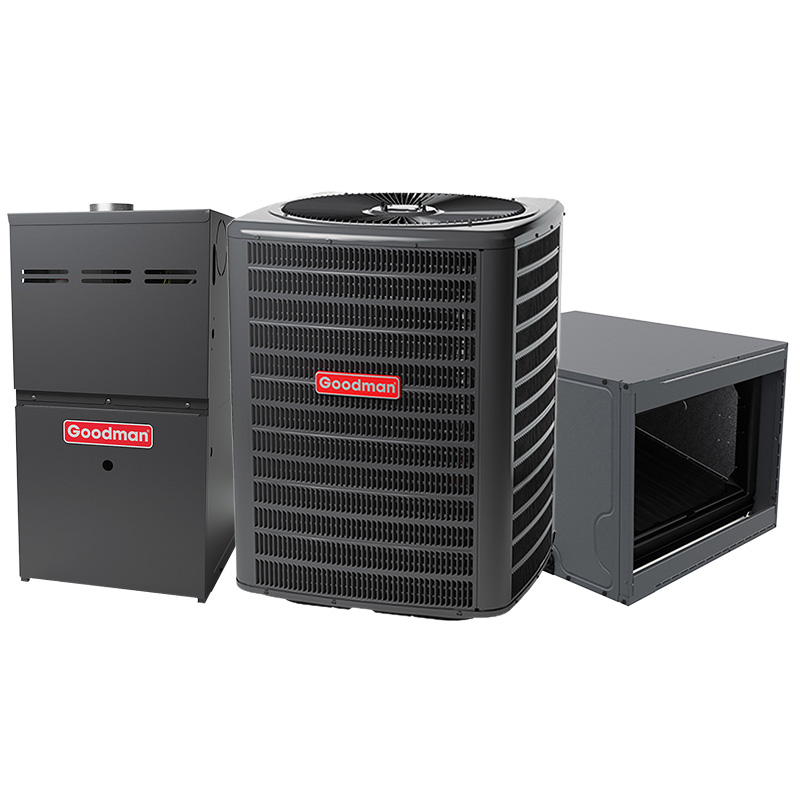
Goodman 4 Ton AC And 100000 BTU 80% AFUE Gas Furnace System | 15.2 SEER2 AC | Multi-Speed ECM Low NOx Furnace | Horizontal | R32
View on AC Direct see your lowest price →Check current price on AC Direct →
Key features
- 15.2 SEER2 cooling efficiency meets current federal minimums for all U.S. climate zones
- 100,000 BTU, 80% AFUE gas furnace with multi-speed ECM blower motor
- Horizontal cabinet orientation for attic or crawlspace installs
- R-32 refrigerant with lower global-warming potential than R-410A
- 4-ton capacity suited to approximately 1,800 to 2,400 sq ft depending on load
- Multi-speed blower allows variable airflow for improved comfort and dehumidification
About this system
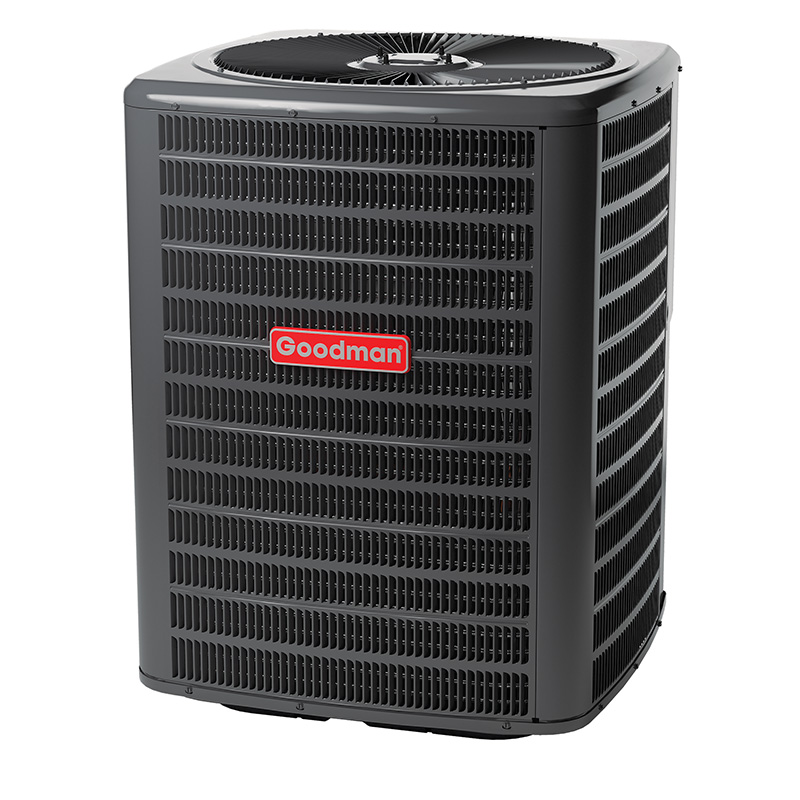
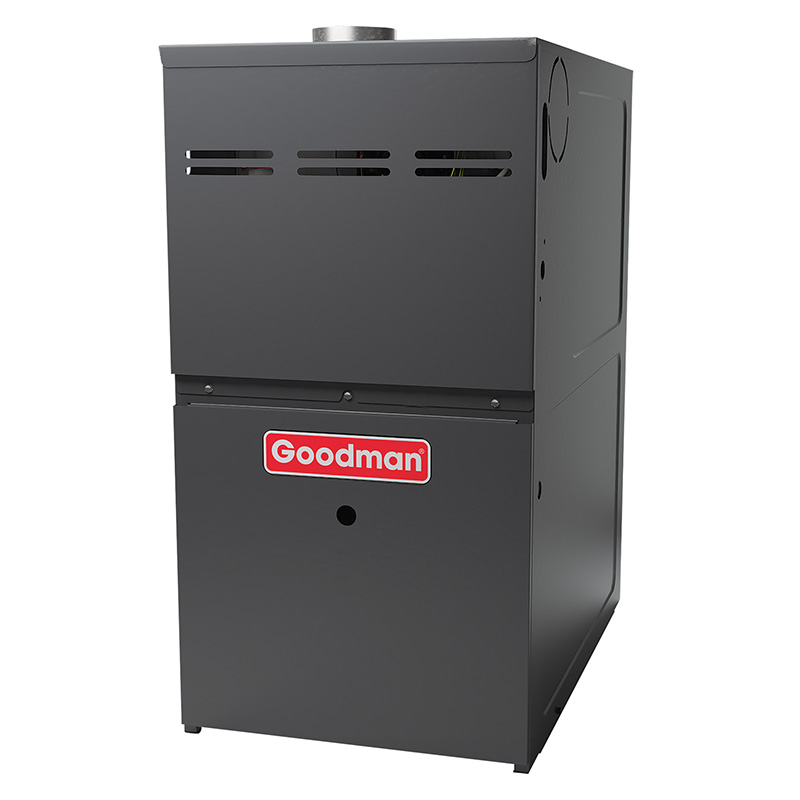
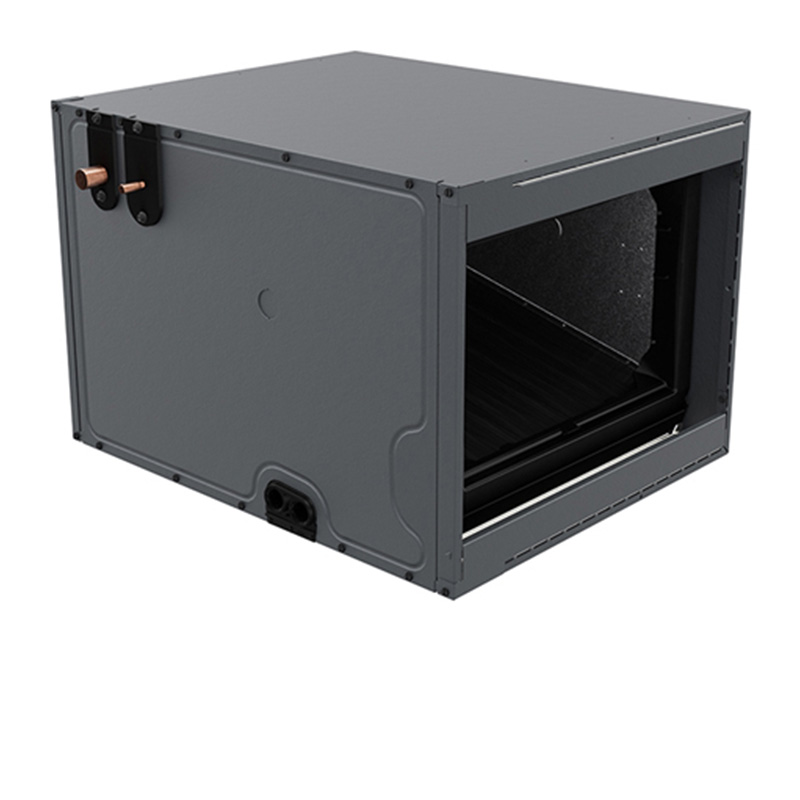
The Goodman 4-ton, 15.2 SEER2 split system pairs a R-32 air conditioner with a 100,000 BTU, 80% AFUE multi-speed ECM gas furnace configured for horizontal installation. At 4 tons, this system is sized for homes roughly in the 1,800 to 2,400 square foot range, though actual sizing depends on local climate, insulation, and load calculations. The 15.2 SEER2 rating clears the federal minimum efficiency threshold for most U.S. climate zones and will deliver meaningful savings over an older 10 to 13 SEER unit, though it sits a step below mid-efficiency 17 to 18 SEER2 systems that carry higher upfront costs.
The horizontal configuration makes this a practical choice for attic or crawlspace installations where vertical orientation is not possible. R-32 refrigerant is a lower global-warming-potential alternative to R-410A, and its adoption across the industry is accelerating as R-410A is phased down. The multi-speed ECM furnace motor runs at lower speeds during mild conditions, which reduces blower energy use and can improve comfort consistency compared to a single-speed PSC motor. The 80% AFUE rating means 20 cents of every gas dollar goes up the flue, which is acceptable for mild-to-moderate heating climates but is outpaced by 90%+ condensing units in colder regions where heating loads are high.
This Goodman system is a practical budget-conscious option for homeowners who want to replace an aging split system without paying premium-brand prices. It delivers adequate efficiency and a useful horizontal configuration, but buyers should budget for potential capacitor and coil repairs past year seven and should not cut corners on installation quality, which is the single biggest determinant of how long this equipment lasts.
Overall score is the average of the five ratings above.
What we like
- Priced 15 to 25 percent below comparable Trane, Lennox, and Carrier systems
- 15.2 SEER2 is a genuine step up in efficiency over older 10 to 13 SEER equipment
- ECM multi-speed blower reduces blower energy consumption compared to PSC motors
- Horizontal configuration fills a real installation need in attic and crawlspace setups
- R-32 refrigerant is a forward-looking refrigerant choice as the industry phases down R-410A
Trade-offs
- 80% AFUE is the lowest efficiency tier available; high heating-load climates will see better gas savings with a 96% or higher furnace
- Dual-run capacitors are the most commonly reported failure point, typically after year five to seven, adding unexpected service costs
- Compressor lifespan averages 10 to 14 years versus 15 to 20 years for premium-brand compressors
- A minority of owners report refrigerant leaks in the first year, generally tied to install quality or initial charge issues
What homeowners and pros say about Goodman
Homeowners who choose Goodman equipment most often cite the lower purchase price as the deciding factor, and that sentiment shows up clearly in Google dealer reviews, which average around 3.8 out of 5 across locations where affordability is the most consistent praise. The picture shifts when you look at long-term ownership experience: ConsumerAffairs scores sit at roughly 2.5 out of 5, a complaint-weighted channel where the recurring pattern is repair costs that climb noticeably after about year seven. Dual-run capacitor failures are the most commonly documented issue and are generally inexpensive to fix, but evaporator coil leaks and compressor failures that arrive earlier than the 15-to-20-year lifespan seen on premium brands represent real financial risks over the life of the system.
HVAC technicians consistently point out that install quality is the single biggest variable in how a Goodman system performs and how long it lasts. A properly sized, correctly charged, and well-supported horizontal install by an experienced contractor will outperform a sloppy install of a premium brand every time. The R-32 refrigerant and ECM blower motor in this specific system are genuine positives that signal the product is keeping pace with industry direction. The 80% AFUE furnace, however, is the efficiency floor in today’s market, and in colder climates it is worth running the numbers on a higher-efficiency furnace pairing before committing. Goodman is a defensible choice for cost-conscious buyers who go in with realistic expectations about service intervals and find a skilled installer.
Sources: ConsumerAffairs Goodman owner reviews, AHRI Directory of Certified Product Performance, U.S. DOE appliance and equipment efficiency standards, Goodman product specification sheets.
What it costs to run
At 15.2 SEER2, cooling this 4-ton system for a typical 1200-hour cooling season at the U.S. average electricity rate of $0.17/kWh works out to roughly $644 per year in cooling, about $87 less per year than a minimum-efficiency 13.4 SEER2 unit of the same size. Your real cost depends on your climate and local rate.
Method: (48,000 BTU/hr ÷ 15.2 SEER2) × 1200 hours ÷ 1000 × $0.17/kWh. Rate source: U.S. EIA average; cooling hours: moderate-climate estimate.
How it compares
| Brand | Comparable model | SEER2 | Stage | Price position |
|---|---|---|---|---|
| Goodman | 4-Ton 15.2 SEER2 AC / 80% AFUE Horizontal Gas Furnace (R-32) | 15.2 | Single-stage | Value pick |
| Carrier | Comfort 24ACC6 with 59SC5 furnace | 15.2 | Single-stage | Moderately higher than Goodman |
| Trane | XR15 with S9X1 furnace | 15.0 | Single-stage | Moderately to substantially higher than Goodman |
| Lennox | Merit ML15XC1 with ML180 furnace | 15.2 | Single-stage | Substantially higher than Goodman |
Competitor rows are comparable single-stage units at similar efficiency; price is relative position, not a quote.
Questions about this system
Is 80% AFUE good enough for my climate, or should I upgrade to a 96% furnace?
For mild-to-moderate heating climates such as the Southeast or Southwest, 80% AFUE is a reasonable choice and the payback period on a 96% unit can be long. In colder northern climates where the furnace runs hard for five or more months, a 90% or higher condensing furnace will usually recover its cost premium within five to eight years through gas savings.
What does horizontal configuration mean and is it harder to service?
Horizontal means the furnace cabinet is oriented on its side, typically in an attic or a tight crawlspace where a vertical unit will not fit. Service access can be tighter depending on the installation, so confirm with your installer that there is adequate clearance for future maintenance and that the condensate drain is properly sloped.
Why is R-32 being used instead of R-410A, and does it affect maintenance costs?
R-32 has a significantly lower global-warming potential than R-410A and is part of the industry-wide shift as R-410A is phased down under EPA regulations. Technicians will need certification to handle it, but it is increasingly common and should not meaningfully raise routine service costs compared to R-410A work today.
What are the most likely repairs I should budget for over the first ten years?
Dual-run capacitor replacement is the most frequently reported repair on Goodman equipment, typically costing between $300 and $600 and usually a straightforward fix. Evaporator coil leaks appear in a meaningful portion of owner reviews and carry higher repair costs. Setting aside $500 to $1,000 for service calls in years five through ten is a reasonable precaution.
Does Goodman's warranty require registration, and what does it actually cover?
Goodman offers a 10-year parts limited warranty on registered equipment, which drops to a shorter term on unregistered units, so registration within the required window after installation is important. The warranty covers parts but not labor, meaning any out-of-pocket repair bill will include the technician's time even on a covered component failure.
Specifications
| Cooling capacity | 4 Ton |
| Efficiency | 15.2 SEER2 |
| Furnace output | 100000 BTU |
| Furnace efficiency | 80% AFUE |
| Configuration | Horizontal |
| Refrigerant | R-32 |