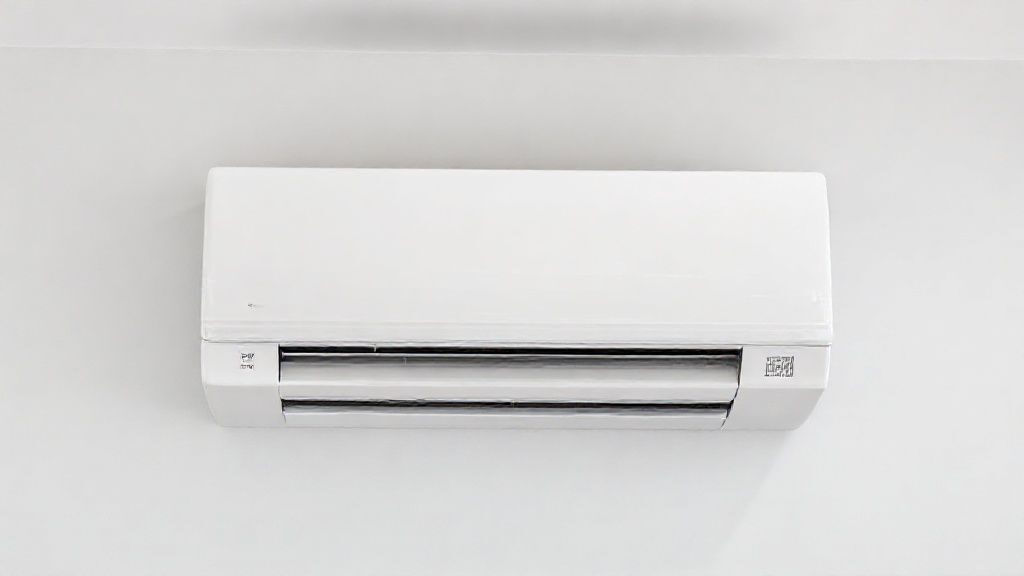
If you are looking at upgrading your home’s climate control system, you are likely hearing the term “mini split” more and more often. I have been in the HVAC field long enough to see technology change drastically, but the shift towards ductless systems is one of the most significant revolutions in efficiency we have experienced in decades. When I was working on a large home conversion in Denver a few years back—a house originally built with inefficient baseboard heat—the homeowners were convinced they needed a massive, expensive ducted system. We showed them the math on a multi-zone mini split system, detailing how they could heat and cool the entire structure, including the tricky third-floor addition, without running a single piece of ductwork through their antique plaster walls. They saved nearly 40% on installation and saw their heating bills drop by over half that first winter. That kind of targeted efficiency is the reason these systems are now a serious contender against traditional central air.
Buying an HVAC system used to mean calling a contractor, getting three quotes, and paying a hefty markup that covered everything from labor to the dealership’s overhead. Today, consumers are smarter. They realize that they can buy a high-quality, reputable ductless mini split unit directly, often achieving significant cost savings right out of the gate. This guide is designed to cut through the marketing noise and give you the straightforward, practical information you need to select, size, and procure your mini split system directly, putting you in control of your climate and your budget.
Key Highlights
- Zonal Control: Mini splits allow you to condition specific areas (zones) independently, preventing energy waste in unused rooms.
- High Efficiency: Most modern mini splits offer excellent SEER (Seasonal Energy Efficiency Ratio) ratings, often exceeding 20 SEER.
- Purchasing Power: Buying directly from a supplier bypasses traditional distributor and contractor markups, leading to substantial savings on the equipment itself.
- Sizing is Critical: BTU selection requires more than just square footage; factors like insulation, ceiling height, and local climate are essential inputs for correct sizing.
- Installation Reality: While many single-zone units are advertised as DIY-friendly, professional vacuuming and charging are often necessary to ensure the warranty remains valid and the system functions correctly.
Understanding Ductless Mini Split Systems: How They Work
A ductless mini split system is conceptually very similar to a standard central air conditioning system, but with one major difference: there are no ducts. The “split” refers to the separation between the outdoor unit (the compressor and condenser) and the indoor unit (the air handler or head). These two components are linked by a thin conduit, known as the line set, which contains the refrigerant tubing, condensate drain, and power cables.
The Core Components of a Mini Split
You need to understand the function of these three parts:
- The Outdoor Unit (Condenser/Compressor): This is the heart of the system. It uses electricity to compress the refrigerant, changing its state and moving heat. In cooling mode, it rejects heat outside. In heating mode (for a heat pump model), it extracts heat from the cold outdoor air and moves it inside.
- The Indoor Unit (Air Handler/Head): This unit mounts inside the space you are conditioning. It pulls in warm air, runs it over coils cooled or heated by the refrigerant, and blows conditioned air back into the room. Because mini splits rely on inverter technology, they run constantly at variable speeds rather than cycling on and off like older central units. This results in incredibly stable temperature control and far less energy usage.
- The Line Set: This is the physical connection. It usually consists of two copper pipes (one suction, one liquid line), the communication cable, and the drain line, all bundled in an insulated sleeve. The line set only requires a small hole—typically three inches in diameter—drilled through an exterior wall, minimizing structural impact.
What makes them so appealing is the inherent efficiency of localized conditioning. Unlike central air, where you can lose up to 30% of your energy through leaky ducts running through unconditioned attics or crawl spaces, mini splits deliver all the conditioned air directly into the space where it’s needed.
Key Benefits of Choosing a Mini Split System Over Central Air
When I recommend a ductless system, I’m typically focused on solving two main problems: high energy bills and uneven temperature distribution.
Superior Energy Efficiency
The efficiency metrics on modern mini splits are often staggering compared to entry-level central air systems. We look at two primary ratings: SEER (cooling efficiency) and HSPF (heating efficiency). Mini splits regularly hit SEER ratings of 22 or higher, sometimes pushing 30. A standard central system often lands between 14 and 16 SEER. This difference, compounded over a decade, translates directly to hundreds or even thousands of dollars saved on utility bills.
True Zonal Control
Central air is generally an all-or-nothing proposition. While sophisticated zoning systems exist for ducted units, they are costly and complex. Mini splits offer zoning built into the core design. If you have a two-story home, you can set the temperature in the master bedroom downstairs completely differently from the home office upstairs. If a guest room is unoccupied for a week, you simply turn off the head unit in that room, eliminating the energy needed to condition that space entirely.
Quiet Operation
If you’ve ever had an old central air unit kick on, you know that rush of noise. Mini split compressors are engineered to run quietly, often utilizing heavy dampening and advanced fan designs. The indoor head units are typically quieter than a standard desktop fan, often registering below 30 decibels (dB), which is quieter than a typical library.
Installation Flexibility
Mini splits are ideal for spaces where ductwork is impractical or impossible. Think about historic homes, converted garages, new additions, or apartments. Because the components are smaller and the line set is flexible, placement is far less restrictive than installing bulk ductwork. This is a massive benefit for homeowners who want to preserve the aesthetic and structural integrity of their existing home.
How to Select the Right Mini Split BTU Size for Your Space
This is arguably the most important step in the entire process. If you buy a unit that is too small (undersized), it will run constantly, strain the compressor, and never adequately cool the room on the hottest days. If you buy a unit that is too large (oversized), it will cycle on and off rapidly (short cycling). This leads to poor dehumidification, which leaves the room feeling clammy even if the thermometer reads cool, and it drastically reduces the lifespan of the equipment.
BTU, or British Thermal Unit, is the measurement of thermal energy required to raise the temperature of one pound of water by one degree Fahrenheit. In HVAC terms, it measures cooling or heating capacity.
The Simplified Square Footage Calculation (Baseline Only)
The fastest way to get a rough estimate is using square footage. A general guideline is:
- 150 sq. ft. to 250 sq. ft.: 6,000 BTU
- 250 sq. ft. to 350 sq. ft.: 9,000 BTU
- 350 sq. ft. to 450 sq. ft.: 12,000 BTU
- 450 sq. ft. to 700 sq. ft.: 18,000 BTU
- 700 sq. ft. to 1,000 sq. ft.: 24,000 BTU
- 1,000 sq. ft. to 1,200 sq. ft.: 30,000 BTU
Factors that Demand Adjustments (The Real-World Factors)
You cannot stop at the baseline calculation. You must adjust based on these factors:
- Ceiling Height: Standard calculations assume 8-foot ceilings. If your ceilings are 10 feet or higher, you are conditioning significantly more volume. You need to increase your BTU capacity by 15% to 25%.
- Insulation and Windows: A room with poor insulation, leaky windows, or large, unshaded glass surfaces will gain heat rapidly. You must account for this by increasing capacity by 10% to 20%. Conversely, a well-insulated, modern home with energy-efficient windows can often drop down 10%.
- Climate Zone: Living in a scorching hot climate like Phoenix or a bitterly cold zone in Minnesota means your system will work harder than one in a temperate zone. Always prioritize sizing to handle the peak local climate conditions.
- Room Function: Kitchens and laundry rooms generate significant heat and moisture. Rooms that house electronics (servers, gaming PCs) also add thermal load. Increase BTUs for these rooms.
- Occupancy: Each regularly occupied person in a room (beyond the first two) adds about 600 BTUs of heat load.
I strongly advise using an official sizing calculation or consulting a professional if you are unsure. Simply assuming that 30,000 BTUs is enough for 1,200 square feet might lead you astray if that space is poorly insulated or has a wall of west-facing windows. You can check resources that detail how much does 30 000 btu heat in various conditions, which can help confirm if your estimates are realistic for your climate needs.
Single-Zone vs. Multi-Zone Systems: Making the Right Choice
Once you have your sizing estimates, you must decide if you need a single unit for one room or a larger system capable of handling your entire house.
Single-Zone Mini Splits
These systems are straightforward: one outdoor compressor paired with one indoor head unit. They are the least expensive option and often the easiest to install, making them popular for specific applications like:
- Sunrooms or converted porches.
- Garages or workshops.
- Single apartments or studio additions.
Because there is a 1:1 ratio between the outdoor unit and the indoor unit, single-zone systems are incredibly efficient. They are an excellent solution if you only have one problem area in your house.
Multi-Zone Mini Splits
Multi-zone systems use a single, larger outdoor compressor to power two or more indoor units (heads). Modern multi-zone compressors can typically handle up to five or even eight indoor units, depending on the brand and model.
The primary advantage of multi-zone is aesthetics and space. Instead of installing five individual outdoor compressors lined up along your foundation, you only have one. You also gain complete independent temperature control over each of the connected zones.
Caveats of Multi-Zone:
While convenient, multi-zone systems have trade-offs:
- Cost and Complexity: The equipment is significantly more expensive, and installation is complex because running multiple line sets requires careful planning and specialized refrigerant handling.
- Sizing Challenges: You must ensure the outdoor unit’s total capacity is sufficient for the combined BTU requirements of all indoor units, even if they aren’t all running at maximum capacity simultaneously.
- Single Point of Failure: If the single outdoor compressor fails, every zone in the house loses heating and cooling. With multiple single-zone systems, only one area is affected by a failure.
For whole-home conditioning, a multi-zone system is generally superior to installing a handful of single-zone units, provided the initial investment and complexity are managed correctly.
Installation and DIY Considerations for Mini Splits
When you buy direct, you often contemplate doing the installation yourself to maximize savings. I need to give you a realistic assessment of what the DIY process involves.
The Appeal of DIY Mini Splits
Many single-zone systems, especially those designed for homeowner installation, come with pre-charged line sets and quick-connect fittings. This eliminates the need for expensive tools and specialized HVAC certifications to handle refrigerant. For an experienced handyman, installing the physical components—mounting the indoor head, running the line set, and securing the outdoor pad—is manageable.
The physical installation steps typically involve:
- Mounting the wall bracket for the indoor unit.
- Drilling the conduit hole through the wall.
- Mounting the outdoor pad or bracket.
- Connecting the flare fittings or quick-connect lines.
- Running the necessary electrical wiring (which usually requires a dedicated circuit and proper shutoff disconnect).
The Essential Professional Steps You Cannot Skip
Where DIY can become problematic is the final, critical step: managing the line set and refrigerant.
If you purchase a standard mini split (not a quick-connect model), the line set must be cut to length, flared, connected, and then *vacuumed* before opening the refrigerant valves. Vacuuming pulls all moisture and non-condensable gases (like air) out of the lines. If moisture remains, it mixes with the refrigerant oil, creating acid and sludge that will destroy the compressor. Standard air conditioning recovery pumps or shop vacuums will not work here; you need a proper vacuum pump capable of reaching deep vacuum (below 500 microns).
Dave’s Practical Advice on Installation:
If you are confident in your electrical skills and mechanical aptitude, purchase a high-quality DIY quick-connect system for a single zone. If you are dealing with a multi-zone system, long line sets, or any unit that requires traditional flaring, save yourself the headache and hire a certified HVAC technician to perform the final hookup, vacuum, and pressure check. Paying a professional for an hour or two of specialized labor is cheap insurance against premature system failure.
Why Buy Your Mini Split Directly from a Wholesale Supplier?
The traditional HVAC distribution model involves a contractor buying a unit from a regional distributor, who bought it from the national manufacturer. Every hand the unit passes through adds a markup. When you buy direct, you are essentially cutting out the contractor’s margin on the equipment itself.
For example, if a contractor charges you $3,000 for a 24,000 BTU unit, they may have only paid $1,800 for it. That $1,200 difference is their margin on the equipment, not their labor. When you purchase the unit directly from a reputable online supplier, you pay that $1,800 or slightly more, saving you the difference.
This method is highly effective for consumers who have secured their own qualified installer or are tackling a simple DIY project. The money you save on the equipment purchase can be reinvested in better quality components, upgraded line sets, or professional commissioning services.
When searching for a direct supplier, ensure they offer comprehensive warranties, technical support, and stock authentic, brand-name equipment. Look for suppliers who specialize in customer education and service, such as accu hvac, to ensure you receive quality components and reliable guidance. By utilizing wholesale hvac purchasing options, you maintain control over the budget while selecting the exact unit specifications you need.
Financing Options for Your New HVAC Mini Split Unit
Even with the savings achieved by buying direct, a multi-zone system is still a significant investment, often totaling several thousand dollars for the equipment alone. Most people do not have that kind of cash sitting around, which is why financing options are crucial.
When dealing with a direct supplier, the financing options might look slightly different than those offered by a local contractor who uses a specific bank partner. Direct suppliers often partner with financing companies that specialize in home improvement purchases, sometimes even offering no-interest options for a short period or specific programs for consumers who have less-than-perfect credit.
Common Financing Routes
- Manufacturer Financing: Many major manufacturers (Daikin, Mitsubishi, Fujitsu) offer promotions through their authorized dealers or sometimes directly through specific distributors. These often involve 0% APR for 12 or 24 months.
- Third-Party HVAC Financing: There are lending companies focused entirely on funding HVAC repairs and replacements. These services can offer approval quickly and often cater to a wider credit range. If you are struggling with poor credit history, look for companies specializing in programs like those for hvac repair financing birmingham which specifically address no-credit-check or bad credit financing needs.
- Home Equity or Personal Loans: If you have equity in your home, a HELOC (Home Equity Line of Credit) offers a low-interest way to finance large upgrades. Alternatively, a standard personal loan from your bank or credit union might offer a better rate than specialized financing, depending on your credit score.
Always calculate the total cost, including interest, over the life of the loan before signing any agreement. Buying direct gives you the flexibility to shop for the best financing rate without being restricted by a single contractor’s preferred vendor.
FAQ
Do mini splits work well in extreme cold?
Yes, modern mini splits designed for cold climates—often called Hyper Heat or Low Ambient models—are highly effective. Standard units typically lose significant capacity below freezing. However, low-ambient models can efficiently heat a home down to -13°F (-25°C) or even lower, often maintaining 100% heating capacity down to 5°F. If you live in a northern climate, ensure the unit’s specifications explicitly state low-ambient heating capability.
What is the typical lifespan of a mini split system?
A well-maintained ductless mini split should last between 15 and 20 years. This longevity depends heavily on the quality of the installation, adherence to the vacuuming procedure, and routine maintenance (cleaning the indoor filters and coils). Neglecting maintenance can cut the lifespan in half.
Are mini splits expensive to maintain?
No. Routine maintenance is generally simple and involves cleaning the reusable filters on the indoor head units every few weeks, which is a task the homeowner can easily perform. Professional service, which should happen once a year, involves checking refrigerant levels, cleaning the outdoor coil, and deep cleaning the indoor blower wheel and coils to prevent mold or mildew buildup. This is usually cheaper than maintaining an extensive central air duct system.
Can I add more zones later to a multi-zone system?
This depends entirely on the outdoor compressor unit’s maximum capacity. If you purchase an outdoor unit rated for four tons (48,000 BTUs) and initially install only three heads totaling three tons, you typically have enough remaining capacity to add a fourth head later, provided the new head doesn’t exceed the outdoor unit’s remaining capacity limits.
Final Thoughts
The decision to switch to a ductless mini split system is a sound one, driven by compelling efficiency data and unmatched zonal control. The shift to buying best hvac equipment directly places immense power back into your hands as the homeowner.
However, power requires responsibility. You must take the time to accurately size your unit, understand the installation process, and ensure that the critical steps—especially the handling of the refrigerant lines—are executed properly. If you adhere to accurate sizing and source a quality unit directly, you will install a highly efficient system that provides reliable heating and cooling for decades.
If you have reviewed the sizing calculations and are still uncertain about which multi-zone system configuration is right for your home, or if you need help connecting with a qualified installer who understands the nuances of commissioning direct-purchase equipment, do not hesitate to reach out. We can help guide you through the next steps; just contact us for a quote or technical consultation.