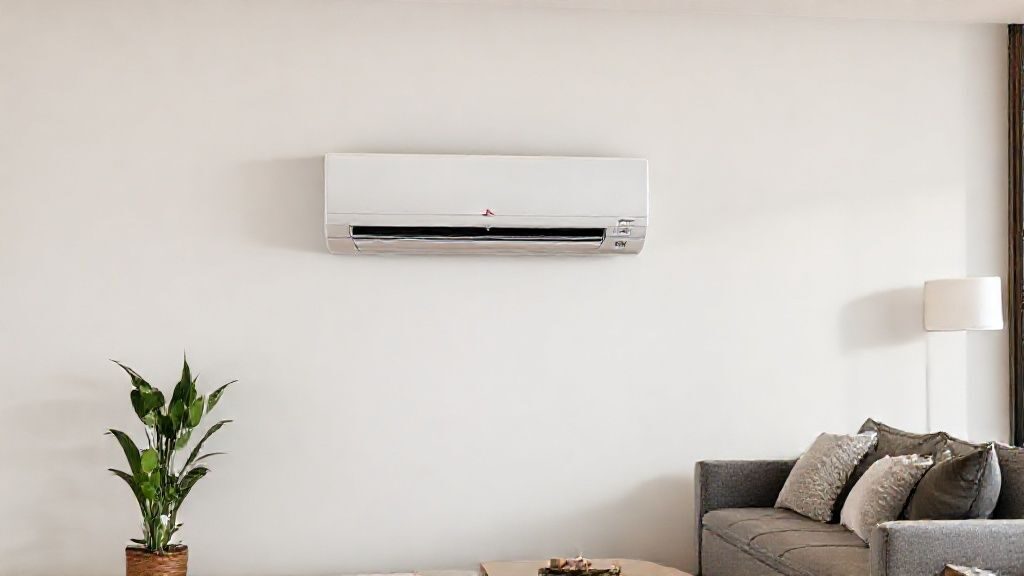
After decades in the HVAC business, I’ve seen just about every system come and go, every new technology make its debut. One of the most significant advancements I’ve witnessed, and one that consistently impresses me with its performance and flexibility, is the mini split air conditioner. And when we talk about mini splits, Mitsubishi Electric is a name that comes up early and often for good reason.
I remember a particular job in Tampa, Florida, where a historic home had been carved up into apartments. Central ductwork was out of the question – too invasive, too expensive, and frankly, impossible in some sections. The homeowner needed individual climate control for each unit without tearing the place apart. Mitsubishi mini splits were the perfect solution. We installed multiple indoor units, each wired back to compact outdoor condensers. The tenants got precise control over their comfort, the homeowner saved a fortune on installation compared to conventional systems, and the historical integrity of the building remained intact. That’s the kind of practical problem-solving these systems bring to the table.
Key Highlights
- **Targeted Comfort:** Mitsubishi mini splits offer zoned heating and cooling, letting you control individual rooms or areas.
- **Energy Efficiency:** Many models boast high SEER ratings, leading to significant savings on utility bills.
- **Quiet Operation:** Both indoor and outdoor units are designed for minimal noise, enhancing home comfort.
- **Flexible Installation:** No ductwork needed, making them ideal for additions, older homes, or spaces where ducting isn’t feasible.
- **Advanced Technology:** Features like Hyper-Heating for cold climates and smart home integration (Kumo Cloud) are common.
- **Reliability:** Mitsubishi is a reputable brand known for durable and long-lasting HVAC equipment.
What is a Mitsubishi Mini Split Air Conditioner?
Let’s get down to basics. A Mitsubishi mini split air conditioner is an HVAC system designed to provide heating and cooling to specific zones or rooms in a building, rather than conditioning an entire house through a central duct system. It’s often called a “ductless mini split” because, well, it doesn’t use ducts. This is a fundamental difference from traditional central air conditioning systems.
The system typically consists of two main components: an outdoor condenser unit and one or more indoor air-handling units. These two parts are connected by a small conduit that houses the refrigerant lines, power cable, and condensate drain. Because this conduit only requires a small hole (usually about 3 inches) in an exterior wall, installation is far less disruptive than installing ductwork throughout a home.
Each indoor unit is responsible for conditioning the air in the zone it’s installed in. This means you can have different temperature settings in different rooms – a feature known as “zoning.” If you have a room that’s always too hot in the summer or too cold in the winter, a mini split can be a targeted solution. Unlike a noisy window unit, mini splits are permanently installed, more energy-efficient, and far quieter.
Mitsubishi Electric is one of the leading manufacturers of these systems. They’ve been at the forefront of mini split technology for decades, constantly innovating to make their units more efficient, quieter, and more versatile. When I recommend a spit unit to a homeowner, Mitsubishi is always high on my list due to their proven track record.
Key Benefits of Mitsubishi Ductless Systems
My experience has shown me that Mitsubishi ductless systems offer several distinct advantages that homeowners really appreciate. It’s not just about getting cool air; it’s about smart comfort and efficiency.
Energy Efficiency and Savings
One of the biggest draws of mini splits, especially Mitsubishi models, is their energy efficiency. Traditional central HVAC systems often waste energy through ductwork leaks or by cooling/heating unoccupied rooms. With a mini split, you only condition the spaces you’re using. Mitsubishi units often feature INVERTER technology, which allows the compressor to adjust its speed precisely to meet demand, rather than constantly cycling on and off at full power. This variable speed operation is incredibly efficient, leading to lower utility bills and less energy waste. We’re talking about significantly higher SEER (Seasonal Energy Efficiency Ratio) ratings compared to many conventional systems.
Zoned Comfort
This is a game-changer for many households. Imagine the living room being comfortable at 72 degrees while the bedroom is set at 68 degrees for sleeping. Or perhaps a guest room that only needs conditioning when occupied. Mitsubishi mini splits make this possible. Each indoor unit operates independently, allowing for personalized comfort settings in different zones. This eliminates arguments over the thermostat and ensures everyone is comfortable in their preferred space.
Quiet Operation
Nobody wants a noisy air conditioner disrupting their peace. Mitsubishi mini splits are renowned for their whisper-quiet operation. Both the indoor and outdoor units are designed with advanced fan technology and sound insulation. You’ll often barely notice they’re running, which is a stark contrast to the roar of a window unit or the drone of an aging central system. This quietness contributes significantly to the overall comfort of your home.
Flexible and Non-Invasive Installation
As I mentioned earlier, the installation process for a mini split is far less disruptive than installing or replacing central ductwork. This makes them perfect for older homes, additions, converted attics or basements, or even simply individual rooms that need supplemental heating or cooling. You don’t have to tear down walls or sacrifice closet space for bulky ducts. This flexibility opens up possibilities for comfort in spaces that were previously challenging to heat or cool effectively.
Improved Air Quality
Many Mitsubishi mini split indoor units come with sophisticated multi-stage filtration systems that can capture dust, allergens, viruses, and bacteria. Without ductwork to collect dust and mold, the air you breathe can be cleaner. This is a considerable benefit, especially for individuals with allergies or respiratory sensitivities.
Heating and Cooling in One System
Most Mitsubishi mini splits are heat pumps, meaning they provide both cooling in the summer and efficient heating in the winter. This dual functionality can eliminate the need for separate heating systems like electric baseboard heaters or space heaters, further saving energy and simplifying your home’s HVAC setup.
Popular Mitsubishi Mini Split Models & Features
Mitsubishi offers a range of mini split systems, each designed to meet different needs and budgets. Understanding the key series and their unique features will help you narrow down the best fit for your home.
M-Series: Residential Comfort and Efficiency
The M-Series is Mitsubishi’s primary line for residential applications. These systems are known for their high efficiency, quiet operation, and sleek design. They come in various configurations:
- **Wall-Mounted Units:** These are the most common and recognizable indoor units, mounted high on a wall. They’re discreet and come in various styles to blend with your decor.
- **Floor-Mounted Units:** Ideal for spaces where wall mounting isn’t practical, like under a window. They provide comfortable heat at floor level, which can be very pleasant in colder climates.
- **Ceiling Cassettes:** These units are installed flush with the ceiling, offering a very discreet look. They distribute air in multiple directions, ensuring even temperatures.
- **Ducted Mini Splits (Multi-Position Air Handlers):** While technically still a mini split, these units connect to short runs of ductwork to condition multiple rooms from a single indoor unit. They offer the efficiency of a mini split with the discreetness of a central system.
P-Series: Light Commercial and High Capacity
For larger residential homes, light commercial spaces, or applications requiring higher capacity, the P-Series steps in. These units are built with more robust components and can handle more demanding environments, while still offering the efficiency and quiet operation Mitsubishi is known for. They often include advanced controls suitable for commercial settings.
Hyper-Heating INVERTER (H2i®) Technology
This is a standout feature for anyone living in colder regions. Standard heat pumps can struggle to provide adequate heat when outdoor temperatures drop below freezing. Mitsubishi’s Hyper-Heating INVERTER technology is specifically designed to deliver 100% of its rated heating capacity down to 5° F (-15° C) and continue to provide heat at outdoor temperatures as low as -13° F (-25° C). This makes mini splits a viable and highly efficient primary heating source even in very cold climates, which was not always the case for heat pumps.
Kumo Cloud® Smart Home Integration
In today’s connected world, smart home features are almost expected. Mitsubishi’s Kumo Cloud allows you to control your mini split system from anywhere using a smartphone, tablet, or web browser. You can adjust temperatures, change modes, set schedules, and monitor energy usage. This level of control means you can optimize comfort and savings even when you’re not home. It’s a convenient way to manage your climate control with ease.
i-see Sensor™
Some advanced Mitsubishi indoor units incorporate an i-see Sensor™. This isn’t just a fancy name; it’s a technology that scans the room, detects occupants, and measures their thermal comfort. It then directs airflow to warmer or cooler areas as needed, ensuring more consistent temperatures and personalized comfort. It’s another example of Mitsubishi’s commitment to intelligent climate control.
Sizing Your Mitsubishi Mini Split: BTU & Coverage
Getting the right size mini split system is crucial. This isn’t a “one size fits all” situation. An undersized unit will struggle to heat or cool your space adequately, running constantly and costing you more money. An oversized unit will cycle on and off too frequently (short cycling), leading to uneven temperatures, higher humidity, and premature wear on the equipment. Both scenarios lead to discomfort and inefficiency.
Understanding BTUs
BTU stands for British Thermal Unit, and it’s the standard measurement for heating and cooling capacity. Roughly speaking, one ton of air conditioning is equivalent to 12,000 BTUs per hour. Mini splits typically range from 6,000 BTUs (half-ton) for a small room up to 48,000 BTUs (4 tons) or more for larger multi-zone systems. Knowing how many BTUs you need for a given space is the first step.
Factors Influencing Sizing
Calculating the precise BTU requirement isn’t as simple as just measuring square footage. Here are the key factors an experienced technician will consider:
- **Room Size (Square Footage):** This is the basic starting point, but it’s only one piece of the puzzle.
- **Ceiling Height:** Taller ceilings mean a larger volume of air to condition.
- **Insulation Quality:** A well-insulated room will require fewer BTUs than a poorly insulated one. This includes walls, attic, and floor insulation.
- **Window Size and Type:** Large, single-pane windows facing south will let in a lot of heat, requiring more capacity. Energy-efficient, double-pane windows will help reduce the load.
- **Sun Exposure:** Rooms that receive direct sunlight for much of the day will need more cooling capacity.
- **Climate Zone:** Obviously, a home in a hot, humid climate like Miami will have different cooling demands than one in a temperate region.
- **Occupancy:** More people in a room generate more body heat, increasing the load.
- **Heat-Generating Appliances:** Kitchens, laundry rooms, or home offices with multiple computers can add to the heat load.
- **Air Leakage:** Gaps around windows and doors, or poorly sealed homes, mean conditioned air escapes and unconditioned air enters.
Why Professional Sizing is Essential
Given all these variables, it’s clear that accurate sizing requires a professional assessment. I always recommend having a qualified HVAC technician perform a load calculation (often called a Manual J calculation) for your specific space. They’ll visit your home, measure rooms, inspect insulation, and account for all the relevant factors to determine the optimal BTU capacity for each zone. Trying to guess or use online calculators alone can lead to costly mistakes.
For comparison, while a single mini split unit typically handles individual zones, understanding the capacity of larger systems can be helpful. For instance, knowing the typical 5 ton ac unit wattage gives you a benchmark for substantial cooling power, but remember, mini splits achieve their efficiency through precise, zoned control of much smaller capacities.
Professional Installation of Mitsubishi Mini Splits
You can buy the best Mitsubishi mini split system on the market, but if it’s not installed correctly, you’re not going to get the performance, efficiency, or longevity you paid for. I cannot stress enough the importance of professional installation.
The Risks of DIY Installation
I’ve seen homeowners try to cut corners by installing mini splits themselves. Sometimes it works out okay, but more often than not, it leads to problems: refrigerant leaks, electrical issues, improper drainage, units that don’t heat or cool effectively, and ultimately, voided warranties. These systems involve electrical work, refrigerant handling, and precise component connections that require specialized tools and expertise. It’s not a weekend DIY project.
What a Professional Installer Does
A certified Mitsubishi installer brings several critical skills and ensures proper setup:
- **Accurate Sizing:** As discussed, they’ll perform the load calculation to ensure the correct BTU capacity for each zone.
- **Optimal Placement:** They’ll advise on the best location for both the indoor and outdoor units, considering airflow, aesthetics, noise, and structural integrity. For instance, placing the outdoor unit on a solid, level pad and ensuring proper clearance from walls and other obstructions is crucial for efficiency and longevity. We sometimes even consider options for an ac for patio setup, if that patio space is enclosed and needs conditioning, it follows similar outdoor unit placement principles.
- **Electrical Work:** Mini splits require a dedicated circuit. A professional will ensure the wiring is up to code and safely connected.
- **Refrigerant Lines:** This is one of the most critical steps. The lines must be properly sized, cut, flared, and evacuated (vacuumed) to remove all moisture and non-condensable gases. Improper evacuation can severely damage the compressor and reduce efficiency.
- **Condensate Drainage:** The indoor unit produces condensate (water) during cooling. This needs to be drained properly, usually by gravity, to prevent leaks and mold growth.
- **System Testing and Commissioning:** After installation, the technician will thoroughly test the system, check refrigerant levels, verify proper operation in all modes, and often walk you through how to use your new system and its controls.
- **Warranty Protection:** Most manufacturers, including Mitsubishi, require professional installation by a licensed contractor for the warranty to be valid. This protects your investment.
Finding a Qualified Installer
Look for contractors who are specifically trained and certified by Mitsubishi Electric. They will have the most up-to-date knowledge and tools for their systems. Check for good reviews, ask for references, and ensure they are licensed and insured. Don’t just go for the cheapest bid; prioritize expertise and reputation.
Mitsubishi Mini Split Cost: Unit, Installation & Operating
When considering a Mitsubishi mini split system, it’s important to look at the full picture of costs: the unit itself, the installation, and the long-term operating expenses. While the initial investment might seem higher than a window unit, the long-term savings and comfort often make it a worthwhile choice.
Unit Cost
The price of the Mitsubishi mini split unit itself varies widely depending on several factors:
- **BTU Capacity:** Higher BTU units generally cost more.
- **Single-Zone vs. Multi-Zone:** A single-zone system (one outdoor unit, one indoor unit) will be less expensive than a multi-zone system (one outdoor unit, multiple indoor units). Multi-zone systems offer more flexibility but have a higher upfront unit cost.
- **Indoor Unit Type:** Wall-mounted units are typically the most economical, while ceiling cassettes or ducted mini splits can be more expensive.
- **Features:** Units with advanced features like Hyper-Heating INVERTER technology, i-see Sensor, or Kumo Cloud integration might have a higher price point.
Generally, you can expect a single-zone Mitsubishi mini split unit to range from $1,000 to $4,000. Multi-zone systems, depending on the number of indoor units and total capacity, can range from $3,000 to $15,000 or more for just the equipment.
Installation Cost
This is where a significant portion of the total investment lies, and it’s money well spent for professional service. Installation costs are influenced by:
- **Complexity of the Installation:** Factors like the distance between indoor and outdoor units, the number of indoor units, the difficulty of running refrigerant lines and electrical conduit, and any necessary structural modifications will impact labor costs.
- **Electrical Work:** If your home needs a new dedicated circuit or an electrical panel upgrade, this will add to the cost.
- **Geographic Location:** Labor rates vary by region.
- **Contractor’s Experience:** Highly experienced and certified Mitsubishi installers may charge more, but their expertise is invaluable.
Typical installation costs for a single-zone system can range from $1,000 to $3,000. For multi-zone systems, installation can be anywhere from $2,500 to $10,000+, depending on the number of zones and complexity. Total installed costs (unit + installation) for a single-zone system often fall in the $2,000 – $6,000 range, while multi-zone systems can be $5,000 – $20,000 or more.
Operating Cost (Energy Bills)
This is where Mitsubishi mini splits truly shine and where you see the long-term savings. Their high SEER and HSPF (Heating Seasonal Performance Factor) ratings, coupled with zoned control, mean they are incredibly efficient. Key factors affecting operating costs include:
- **Your Local Electricity Rates:** This is a major variable.
- **Usage Habits:** How often you run the system, what temperatures you set, and whether you take advantage of zoning will all impact your bills.
- **Climate:** The colder your winters and hotter your summers, the more you’ll use the system, but the greater the potential savings compared to less efficient alternatives.
- **Home Insulation:** A well-insulated home requires less energy to maintain desired temperatures.
While precise savings vary, many homeowners report significantly lower energy bills after switching to Mitsubishi mini splits, especially if they are replacing older, less efficient systems or using them to supplement inefficient electric resistance heat.
Rebates and Incentives
Don’t forget to check for local utility rebates, state incentives, or federal tax credits for energy-efficient HVAC equipment. These programs can significantly offset the upfront cost of a Mitsubishi mini split, making the investment even more attractive.
Maintaining Your Mitsubishi Mini Split for Longevity
Like any sophisticated piece of machinery, your Mitsubishi mini split needs proper care to continue running efficiently and reliably for years to come. Regular maintenance isn’t just about preventing breakdowns; it’s about preserving efficiency, ensuring healthy air quality, and extending the lifespan of your investment.
User-Level Maintenance: What You Can Do
The good news is that much of the routine maintenance is fairly simple and can be done by you:
- **Clean Air Filters (Monthly or Bi-Monthly):** This is the most crucial task. The indoor units have washable air filters. Dust and debris accumulate on these filters, restricting airflow and reducing efficiency. Dirty filters also mean dirtier air. Most manufacturers recommend cleaning them every month or two, more often if you have pets or live in a dusty environment. Simply remove them, rinse them with warm water, let them air dry completely, and put them back. It’s an easy five-minute job.
- **Keep Outdoor Unit Clear:** Ensure the outdoor condenser unit is free from obstructions. Leaves, grass clippings, dirt, and overgrown shrubs can block airflow, making the unit work harder. Keep the area around it clear (at least 2 feet of clearance on all sides).
- **Check for Blocked Condensate Drain:** Periodically check the condensate drain line (a small PVC pipe usually extending from the outdoor unit) for clogs. If you see water pooling around the indoor unit or dripping from places it shouldn’t, the drain might be blocked. This usually requires a professional to clear.
- **Keep Indoor Unit Clean:** Wipe down the exterior of the indoor unit occasionally to remove dust and keep it looking good. Avoid spraying cleaners directly into the unit.
Professional Maintenance: When to Call the Experts
While you can handle the basic cleaning, an annual professional tune-up is essential. Think of it like an oil change for your car. A qualified HVAC technician will perform a comprehensive check-up:
- **Refrigerant Level Check:** They’ll verify the refrigerant charge is correct. Low refrigerant can indicate a leak and severely impact performance.
- **Electrical Connections:** They’ll inspect and tighten electrical connections, ensuring safety and preventing potential failures.
- **Coil Cleaning:** Over time, the indoor evaporator coil and outdoor condenser coil can accumulate dirt and grime that is difficult for homeowners to reach. Professional cleaning restores efficiency.
- **Drain Line Flush:** They’ll flush the condensate drain line to prevent algae and mold buildup.
- **Fan and Blower Inspection:** They’ll check the indoor blower and outdoor fan for proper operation and lubrication.
- **System Performance Test:** The technician will run the system through its paces, checking temperatures, pressures, and overall operation to ensure it’s meeting manufacturer specifications.
- **Identify Potential Issues:** A trained eye can spot minor problems before they turn into major, expensive repairs.
Scheduling annual professional maintenance ensures your Mitsubishi mini split operates at peak efficiency, maintains optimal air quality, and serves you reliably for its expected lifespan, typically 15-20 years or more with proper care.
Why Choose Mitsubishi for Your Ductless HVAC Needs?
When it comes to ductless mini split systems, you’ve got options. But in my decades of experience, Mitsubishi Electric consistently stands out from the crowd for several key reasons. It’s why I often tell homeowners that if they’re looking for the best hvac solution in the ductless category, Mitsubishi is a strong contender.
Unrivaled Reliability and Durability
Mitsubishi has built a reputation for manufacturing exceptionally reliable HVAC equipment. Their mini splits are engineered with high-quality components and subjected to rigorous testing. This translates to systems that last longer, require fewer repairs, and perform consistently even in challenging conditions. When you invest in a Mitsubishi system, you’re investing in peace of mind.
Pioneering Technology and Innovation
Mitsubishi Electric isn’t just following trends; they’re setting them. They’ve been at the forefront of mini split technology for decades, constantly introducing innovations like their Hyper-Heating INVERTER (H2i) technology, advanced i-see Sensors, and smart home integration with Kumo Cloud. This commitment to research and development means you’re getting cutting-edge technology that delivers superior comfort and efficiency.
Superior Efficiency Ratings
As we’ve discussed, efficiency is a hallmark of Mitsubishi mini splits. Their units consistently achieve some of the highest SEER and HSPF ratings in the industry. This focus on energy conservation translates directly into lower utility bills for you, making them an environmentally friendly and economically smart choice over the long run.
Whisper-Quiet Operation
Comfort isn’t just about temperature; it’s also about peace and quiet. Mitsubishi engineers their units for incredibly low noise levels. Both indoor and outdoor units operate so quietly that you’ll often forget they’re even on. This is a significant advantage, especially for bedrooms, home offices, or outdoor living spaces.
Wide Range of Solutions
Whether you need to heat and cool a single room, a new addition, or an entire home with multiple zones, Mitsubishi offers a comprehensive range of indoor and outdoor unit options. From wall-mounted to floor-mounted, ceiling cassettes to ducted air handlers, they have a solution for virtually any architectural style or comfort requirement.
Excellent Warranty and Support
Mitsubishi stands behind its products with strong warranties, typically offering 10-12 years on compressor and parts when installed by a qualified contractor. Their network of authorized dealers and service providers ensures that you’ll have access to expert support and maintenance whenever you need it.
Choosing Mitsubishi for your ductless HVAC needs means opting for a brand with a proven track record of quality, innovation, and customer satisfaction. It’s an investment in superior home comfort and long-term energy savings.
Mitsubishi Mini Split FAQs
Here are some of the common questions I get about Mitsubishi mini split air conditioners.
Q: How long do Mitsubishi mini splits typically last?
A: With proper professional installation and regular maintenance, a Mitsubishi mini split system can easily last 15 to 20 years or even longer. Neglecting maintenance or improper installation can significantly shorten its lifespan.
Q: Can a mini split heat my home in a very cold climate?
A: Yes, especially Mitsubishi’s Hyper-Heating INVERTER (H2i) models. These units are specifically designed to provide effective heating down to very low outdoor temperatures (e.g., -13°F or -25°C), making them a reliable primary heat source in many cold regions.
Q: Are mini splits more expensive to run than central air?
A: In many cases, no. While the upfront cost can sometimes be comparable or slightly higher than traditional central systems, the zoned control and high energy efficiency of Mitsubishi mini splits often lead to lower operating costs and significant energy savings over time, especially if you’re only conditioning occupied spaces.
Q: Do mini splits require special wiring?
A: Yes, mini splits typically require a dedicated electrical circuit. The specific voltage and amperage will depend on the unit’s size and configuration. A qualified electrician or HVAC technician should always handle the electrical connections to ensure safety and compliance with local codes.
Q: Can I install a Mitsubishi mini split myself?
A: I strongly advise against DIY installation. Installing a mini split involves handling refrigerants, complex electrical wiring, and specialized tools for proper line set evacuation. Incorrect installation can lead to refrigerant leaks, electrical hazards, reduced efficiency, system damage, and will often void your warranty. Always hire a certified, experienced HVAC professional.
Q: How often should I clean the filters?
A: For optimal performance and air quality, I recommend cleaning the washable air filters on your indoor units every 1-2 months. If you have pets, allergies, or live in a dusty area, you might need to clean them more frequently.
Q: What’s the difference between a single-zone and multi-zone system?
A: A single-zone system consists of one outdoor unit connected to one indoor unit, conditioning a single room or area. A multi-zone system uses one larger outdoor unit connected to multiple indoor units, allowing you to independently control the temperature in several different rooms or zones with a single outdoor condenser.
Final Thoughts
Choosing an HVAC system is a significant decision for any homeowner. My experience over the years has taught me that investing in quality equipment, installed by a skilled professional, always pays off in the long run. Mitsubishi mini split air conditioners represent a top-tier choice in the ductless segment. They offer exceptional energy efficiency, unparalleled comfort through zoning, quiet operation, and robust reliability that few other brands can match.
Whether you’re looking to cool a new addition, upgrade from noisy window units, or implement precise temperature control throughout your home without the hassle of ductwork, Mitsubishi has a solution that’s likely to meet your needs. They’re designed not just to heat and cool, but to integrate seamlessly into your life, providing comfort on your terms.
Don’t hesitate to reach out to a local, certified Mitsubishi Electric contractor. They can assess your specific situation, perform a detailed load calculation, and provide tailored recommendations for the best system for your home. Getting good advice upfront is key to a successful installation and years of comfortable living. When you’re ready to explore your options or get an estimate, please feel free to contact us for a quote.