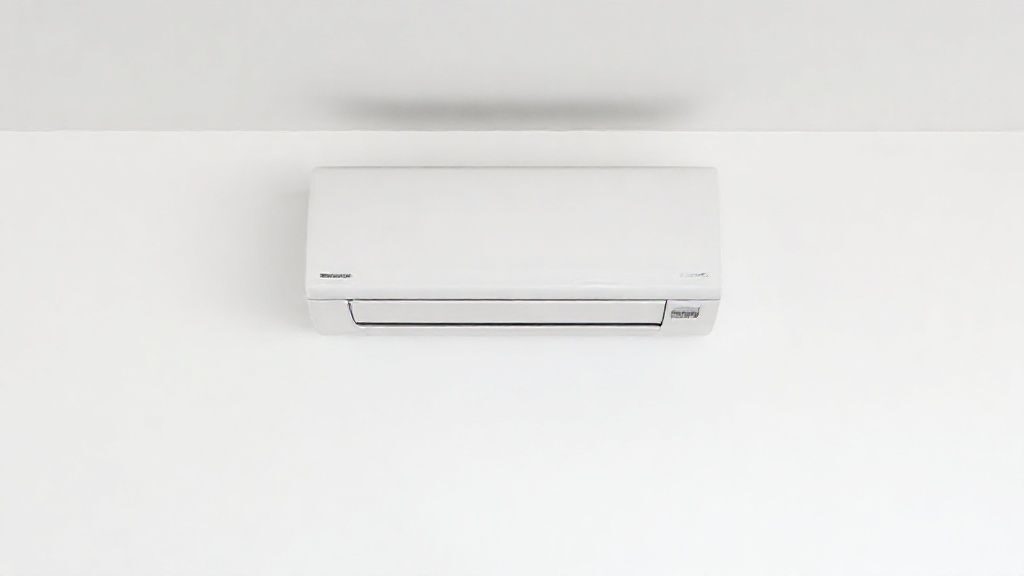
After decades in the HVAC business, I’ve seen just about every heating and cooling challenge a homeowner can throw at a system. From the sweltering heat of Tampa, Florida, where a client had an old, inefficient window unit for their sunroom, to drafty, historic homes in Charleston, South Carolina, where running new ductwork was simply out of the question due to architectural constraints. In those unique situations, and many others, a clear solution often emerged: ductless mini-split systems. And when it comes to reliability, innovation, and overall performance, I’ve found that Mitsubishi Electric leads the pack.
Mitsubishi mini split air conditioners aren’t just another option on the market; they represent a fundamental shift in how we approach home comfort. They offer a level of flexibility and efficiency that traditional ducted systems often can’t match, especially in homes with additions, converted spaces, or simply zones that never seem to get quite comfortable. I’ve witnessed firsthand how these systems transform uncomfortable rooms into personal climate havens, all while keeping energy bills in check.
Key Highlights
- **Ductless Design:** Eliminates the need for extensive ductwork, ideal for older homes or additions.
- **Zone Control:** Allows individual temperature settings for different areas, saving energy and increasing comfort.
- **High Energy Efficiency:** Advanced INVERTER technology provides precise cooling and heating, often exceeding traditional system efficiency.
- **Quiet Operation:** Indoor units are engineered for extremely low noise levels, ensuring a peaceful home environment.
- **Versatile Installation:** Can be mounted on walls, ceilings, or floors, adapting to various room aesthetics and layouts.
- **Heating and Cooling:** Provides both effective air conditioning and efficient heating from a single system.
What Are Mitsubishi Mini Split Air Conditioners?
A Mitsubishi mini split air conditioner is a ductless heating and cooling system designed to provide targeted comfort to specific areas of your home or business. Unlike central HVAC systems that rely on a network of ducts to distribute conditioned air, mini splits consist of two main components: an outdoor condenser/compressor unit and one or more indoor air-handling units. These components are connected by a small conduit that houses the refrigerant lines, power cable, and condensate drain. This conduit only requires a small hole, typically 3 inches in diameter, in an exterior wall, making installation much less intrusive than traditional ducted systems.
The beauty of a mini split lies in its simplicity and efficiency. Each indoor unit operates independently, drawing in air, conditioning it, and then recirculating it directly into the room. This eliminates the energy losses often associated with ductwork, which can account for up to 30% of energy consumption in traditional systems. Mitsubishi Electric has perfected this technology, offering units that are not only powerful but also incredibly quiet and feature-rich. They are often referred to as “ductless mini splits” or “ductless heat pumps,” as most models offer both cooling and heating capabilities, making them a year-round comfort solution.
These systems are particularly advantageous for specific applications where traditional HVAC struggles. Think about home additions, garage conversions, finished basements, sunrooms, or even older homes that lack existing ductwork. Instead of trying to extend an overloaded central system or resorting to noisy window units, a Mitsubishi mini split provides a dedicated, efficient, and aesthetically pleasing solution. I’ve seen them transform previously unusable spaces into comfortable living areas, adding real value to a home.
Key Benefits of Choosing Mitsubishi Mini Splits
When I recommend Mitsubishi mini splits, it’s for a combination of compelling benefits that truly stand out in the HVAC landscape. Homeowners aren’t just getting an air conditioner; they’re investing in a comprehensive comfort solution that pays dividends in both convenience and cost savings.
-
Unmatched Energy Efficiency
Mitsubishi’s commitment to energy efficiency is a cornerstone of their mini split technology. Their systems are built around advanced INVERTER-driven compressors, which can precisely match the cooling or heating output to the actual needs of the space. This isn’t an “on or off” system; it’s a continuously variable one. It avoids the energy spikes of traditional units constantly cycling, leading to significant reductions in electricity consumption. Many Mitsubishi models boast impressive SEER (Seasonal Energy Efficiency Ratio) and HSPF (Heating Seasonal Performance Factor) ratings, often qualifying for energy rebates and credits. This translates directly into lower utility bills for you, season after season.
-
Superior Zone Control
One of the most practical advantages is the ability to create individualized comfort zones. With a multi-zone system, each indoor unit can be controlled independently. This means your bedroom can be set to a different temperature than your living room, or a rarely used guest room can be completely turned off until needed. This level of control eliminates wasted energy and allows every member of the household to enjoy their preferred temperature, maximizing comfort and minimizing squabbles over the thermostat.
-
Whisper-Quiet Operation
Noise is a common complaint with many HVAC systems, especially window units. Mitsubishi mini splits are engineered for incredibly quiet operation. The outdoor units are designed to minimize noise pollution, and the indoor units run at sound levels as low as 19 dB, which is quieter than a whisper. You’ll barely notice they’re running, allowing for peaceful sleeping, working, or relaxing environments.
-
Improved Indoor Air Quality
Many Mitsubishi mini split models come equipped with advanced filtration systems. These filters can capture dust, allergens, viruses, and bacteria, contributing to cleaner and healthier indoor air. Because there’s no ductwork to collect dust, mold, and other contaminants, mini splits generally deliver cleaner air directly into your living space, a notable benefit for allergy sufferers or those concerned about air purity.
-
Flexible and Non-Invasive Installation
The ductless design makes installation far less disruptive than traditional central air systems. There’s no need for major renovations, tearing down walls, or losing closet space to accommodate bulky ductwork. Indoor units can be strategically placed on walls, ceilings, or even floor-standing, blending seamlessly into various interior designs. This flexibility is a game-changer for older homes, additions, or commercial spaces where conventional ducting is impractical or impossible.
-
Year-Round Comfort (Heating and Cooling)
Most Mitsubishi mini splits are reversible heat pumps, meaning they provide both efficient cooling in the summer and effective heating in the winter. This dual functionality eliminates the need for separate heating systems in many applications, simplifying your home’s mechanical setup and offering a consistent comfort solution throughout the year, even in colder climates thanks to their Hyper-Heat technology.
Types of Mitsubishi Mini Split Systems: Single-Zone vs. Multi-Zone
When you’re looking into Mitsubishi mini splits, one of the first decisions you’ll make is whether you need a single-zone or a multi-zone system. The choice really depends on the specific comfort needs of your home or the area you’re looking to condition.
Single-Zone Systems
A single-zone mini split system is designed to provide heating and cooling for one specific area. It consists of one outdoor compressor/condenser unit connected to one indoor air-handling unit. These systems are ideal for:
- **Individual Rooms:** If you have a single room that’s always too hot or too cold—like a sunroom, a home office, a converted garage, or a new addition—a single-zone unit is a perfect fit. It allows you to precisely control the temperature in that specific space without affecting the rest of your home.
- **Smaller Apartments or Condos:** For properties with open floor plans or a limited number of rooms, a single-zone unit might be sufficient to condition the entire living space, especially if it’s appropriately sized.
- **Targeted Spot Cooling/Heating:** Sometimes, a central system might cover most of a house well, but there’s just one problem area. A single-zone mini split can effectively address that hotspot or cold spot.
Single-zone systems are generally simpler to install and can be a cost-effective way to solve specific comfort issues without a large-scale HVAC overhaul.
Multi-Zone Systems
Multi-zone mini split systems offer a more comprehensive solution. They feature one outdoor compressor/condenser unit that can connect to multiple indoor air-handling units (typically up to eight, depending on the model and capacity). Each indoor unit operates independently, allowing for customized temperature control in different areas or “zones” of your home. This setup is excellent for:
- **Entire Homes or Multiple Rooms:** If you want to replace an inefficient central system, or if your home lacks ductwork altogether, a multi-zone system can provide whole-house heating and cooling with zone-by-zone control.
- **Homes with Diverse Comfort Needs:** Families often have different temperature preferences. With a multi-zone system, one person can have their bedroom at 70°F while another prefers 74°F, all from the same outdoor unit.
- **Renovations and Additions:** When you’re adding several rooms to an existing structure, a multi-zone system prevents you from needing multiple outdoor units, maintaining a cleaner exterior aesthetic.
Multi-zone systems require careful planning to ensure the outdoor unit has sufficient capacity to handle the combined load of all the indoor units operating simultaneously. However, the flexibility and energy savings from not conditioning unused spaces make them an incredibly attractive option for many homeowners. I often help clients map out the best placement for indoor units to ensure optimal airflow and comfort coverage for their entire living space.
Understanding Mitsubishi Mini Split Technologies & Features
What truly sets Mitsubishi mini splits apart are the advanced technologies and features packed into their systems. These innovations are designed to maximize efficiency, comfort, and user experience. It’s not just about moving air; it’s about smart climate control.
-
INVERTER Technology
This is arguably the most important feature. Traditional compressors cycle on and off to maintain temperature, leading to temperature swings and energy waste. Mitsubishi’s INVERTER-driven compressors can vary their speed and output, constantly adjusting to the precise cooling or heating needs. This means the system runs continuously at lower, more efficient levels, maintaining a consistent temperature, reducing humidity, and saving significant amounts of energy. It’s like cruise control for your HVAC system.
-
Hyper-Heat (H2i®) Technology
For colder climates, Mitsubishi offers Hyper-Heat models. These units are specifically designed to provide effective heating performance down to outdoor temperatures as low as -13°F (-25°C), and even lower for some models, while maintaining 100% heating capacity down to 5°F (-15°C). This is a game-changer for regions that experience harsh winters, making mini splits a viable primary heating source where they might have once been considered supplemental.
-
i-see Sensor®
The i-see Sensor is an infrared sensor built into some indoor units that scans the room to detect temperature variations and even body heat. It then directs airflow to warmer or cooler areas as needed, ensuring more uniform comfort throughout the space. It’s a smart feature that proactively adjusts the system, reducing hot and cold spots.
-
Kumo Cloud® & Kumo Station™
Mitsubishi Electric’s Kumo Cloud app provides remote control of your mini split system from anywhere using your smartphone or tablet. You can adjust temperatures, set schedules, and monitor energy usage. Kumo Station takes this further by offering centralized control for multi-zone systems, allowing you to manage all indoor units from one interface. This smart home integration brings convenience and greater energy management to your fingertips. For those integrating their Mitsubishi system into a wider smart home ecosystem, understanding various control platforms is key. For example, learning about what is honeywell redlink can provide insights into how different smart HVAC components communicate, even if it’s for other parts of your overall home automation strategy.
-
Advanced Filtration
Mitsubishi units often feature sophisticated multi-stage filtration systems, including washable filters and sometimes even deodorizing or anti-allergy enzyme filters. These filters not only protect the equipment but also significantly improve indoor air quality by removing dust, pollen, pet dander, viruses, and bacteria.
-
Quiet Operation Design
Beyond the INVERTER compressor, Mitsubishi designs their fan motors, blades, and insulation specifically to minimize sound. The result is indoor units that run at incredibly low decibel levels, making them practically inaudible in most settings.
These technologies aren’t just marketing buzzwords; they represent tangible benefits that translate into real comfort and energy savings for homeowners. I’ve seen how these features make a daily difference in my clients’ homes.
Energy Efficiency and SEER Ratings for Mitsubishi Models
When we talk about Mitsubishi mini splits, we’re talking about systems that are at the forefront of energy efficiency. This isn’t just a talking point; it’s engineered into the core of their product line. Understanding the ratings helps you see the long-term value.
-
SEER (Seasonal Energy Efficiency Ratio)
SEER measures the cooling efficiency of an air conditioner. It’s calculated by dividing the total cooling output for a typical cooling season by the total electric energy input during the same period. A higher SEER rating indicates greater energy efficiency. While the minimum SEER for new central air conditioners varies by region (typically 13 to 14 SEER), many Mitsubishi mini split models boast SEER ratings well into the 20s and even above 30. This is significantly higher than most traditional ducted systems, meaning dramatically lower cooling costs.
-
EER (Energy Efficiency Ratio)
EER is similar to SEER but measures efficiency at a single, specific operating point (95°F outdoor temperature, 80°F indoor temperature, 50% humidity). It’s more of an indicator of how well the system performs under peak load conditions. While SEER gives a seasonal average, EER provides insight into performance during the hottest parts of the year.
-
HSPF (Heating Seasonal Performance Factor)
For mini splits that also provide heating (which most Mitsubishi models do, as they are heat pumps), HSPF measures heating efficiency. It’s the ratio of a heat pump’s seasonal heating output in BTUs to the total electricity consumed in watt-hours. Just like with SEER, a higher HSPF rating means more efficient heating and lower winter energy bills. Mitsubishi Hyper-Heat models, in particular, excel in HSPF ratings, providing powerful and efficient heating even in very cold climates.
The INVERTER technology I mentioned earlier is the primary driver behind these impressive ratings. By constantly adjusting compressor speed, the system avoids energy-intensive stop-start cycles, operates for longer periods at lower capacities, and maintains precise temperature control with minimal energy use. This not only saves you money on your electricity bills but also contributes to a smaller carbon footprint.
Many homeowners find that the initial investment in a high-efficiency Mitsubishi mini split is quickly offset by the energy savings over the system’s lifespan. Furthermore, the high efficiency of these units often makes them eligible for local, state, and federal energy rebates or tax credits, which can further reduce the upfront cost. I always advise clients to check with their local utility providers and government programs for available incentives when considering an upgrade to a Mitsubishi mini split system. It’s an investment that truly pays itself back.
Professional Installation of Your Mitsubishi Mini Split System
While the ductless nature of mini splits might make some think installation is a simple DIY project, I cannot stress enough the importance of professional installation. Mitsubishi mini split systems are sophisticated pieces of equipment, and their long-term performance, efficiency, and warranty depend heavily on correct setup. This isn’t a job for the average handyman.
Here’s why professional installation is critical:
-
Proper Sizing
One of the most common mistakes is incorrectly sizing the unit for the space. An undersized unit will run constantly, struggle to cool or heat, and waste energy. An oversized unit will short-cycle, leading to poor dehumidification, temperature swings, and reduced efficiency. A professional HVAC technician uses precise calculations, considering factors like room size, ceiling height, insulation levels, window types and exposure, and even the number of occupants to determine the correct capacity. You can start by checking an air conditioner calculator room size online, but a professional will always finalize the recommendation.
-
Refrigerant Line Evacuation and Charging
The refrigerant lines connecting the indoor and outdoor units must be properly evacuated (vacuumed) to remove all air and moisture before refrigerant is introduced. If this step is skipped or done incorrectly, it can lead to compressor failure, poor performance, and a drastically shortened system lifespan. Charging the system with the correct amount of refrigerant is also critical; too much or too little will compromise efficiency and reliability.
-
Electrical Connections
Mini splits require dedicated electrical circuits with appropriate voltage and amperage. Incorrect wiring can be a serious safety hazard, potentially causing electrical fires or damaging the unit. A licensed electrician or HVAC technician with electrical expertise ensures all connections meet local codes and safety standards.
-
Condensate Drain Line
The indoor unit produces condensate (water) during cooling operation. This water needs to be properly drained away, typically to the outside. An improperly sloped or installed drain line can lead to leaks, water damage, and mold growth inside your home.
-
Placement and Aesthetics
A professional will help you determine the optimal placement for both the indoor and outdoor units. For indoor units, this means ensuring good airflow patterns and minimizing aesthetic impact. For outdoor units, proper placement ensures adequate clearance for airflow, easy access for maintenance, and minimal noise disruption.
-
Warranty Protection
Most manufacturers, including Mitsubishi, require professional installation by a licensed contractor for the warranty to be valid. Attempting a DIY installation can void your warranty, leaving you responsible for costly repairs should something go wrong.
Beyond the mini-split itself, a comprehensive home comfort system might include accessories like humidifiers or advanced air purification. These components require specialized installation, and even reviewing a document like an aprilaire 600 manual wiring will show you the level of detail and specific technical knowledge needed for proper setup. This underscores why a skilled professional is essential for all aspects of your home’s HVAC. I always recommend getting a detailed quote from a certified Mitsubishi Electric contractor. They will ensure your system is perfectly matched to your needs and installed to the highest standards, giving you peace of mind and optimal performance for years to come. If you’re ready to explore options, you can contact us for a quote.
Maintenance Tips for Long-Lasting Performance
Just like any other major appliance in your home, your Mitsubishi mini split system requires regular maintenance to operate efficiently and reliably for years to come. The good news is that much of the routine care is straightforward and can be done by you, the homeowner. However, professional tune-ups are also crucial.
Homeowner Maintenance:
- **Clean or Replace Filters Regularly:** This is the most important task you can do. The indoor units have washable filters designed to capture dust and other airborne particles. Depending on usage and household dust levels, these should be cleaned every 2-4 weeks. Simply slide them out, rinse them with lukewarm water, let them air dry completely, and slide them back in. Clogged filters restrict airflow, reduce efficiency, and strain the system. Some models might have additional disposable filters that need periodic replacement according to the manufacturer’s guidelines.
- **Keep Outdoor Unit Clear:** Ensure the outdoor unit is free from obstructions. Leaves, grass clippings, dirt, snow, and ice can impede airflow and reduce efficiency. Trim back any vegetation that’s too close, and keep a clear perimeter of at least 1-2 feet around the unit.
- **Check for Blocked Condensate Drain:** Periodically check the condensate drain line for blockages. If you notice water leaking from the indoor unit, the drain line might be clogged. A professional will be able to clear this safely.
- **Wipe Down Indoor Units:** Gently wipe the exterior of the indoor units with a soft, damp cloth to keep them clean and free of dust. Avoid harsh chemicals or abrasive cleaners.
Professional Maintenance:
While DIY tasks are important, your Mitsubishi mini split also needs a professional tune-up at least once a year, ideally before the cooling season or heating season begins. A qualified technician will perform a comprehensive inspection and service, which includes:
- **Thorough Coil Cleaning:** The indoor evaporator coil and outdoor condenser coil accumulate dirt and grime over time, even with regular filter cleaning. A professional will safely clean these coils to restore optimal heat transfer and efficiency.
- **Refrigerant Level Check:** They will check the refrigerant charge to ensure it’s at the correct level. Low refrigerant can indicate a leak and will severely impact performance and efficiency.
- **Electrical Connections Inspection:** All electrical components and connections will be checked for wear, corrosion, or loose wiring to prevent safety hazards and ensure reliable operation.
- **Fan Motor and Blower Inspection:** The technician will inspect the fan motor and blower assembly in both indoor and outdoor units for proper operation, lubrication, and balance.
- **Drain Pan and Line Cleaning:** A professional can effectively clean and flush the condensate pan and drain line to prevent mold, algae, and blockages.
- **Overall System Performance Test:** They will run diagnostic checks to assess the system’s overall performance, calibrate thermostats, and identify any potential issues before they become major problems.
Regular professional maintenance not only extends the life of your Mitsubishi mini split but also ensures it runs at peak efficiency, saving you money on energy bills and preventing costly breakdowns. It’s an investment in your comfort and the longevity of your system.
Why Mitsubishi Mini Splits Are an Excellent Investment
In my experience, advising homeowners on HVAC choices is about more than just finding something that cools or heats. It’s about finding a solution that offers long-term value, comfort, and peace of mind. Mitsubishi mini splits consistently deliver on all these fronts, making them an excellent investment for many reasons.
-
Long-Term Energy Savings
As we’ve discussed, the high SEER and HSPF ratings, coupled with INVERTER technology, mean these systems are incredibly efficient. Over the lifespan of the unit—which can be 15-20 years or more with proper maintenance—those daily energy savings add up significantly. For homes transitioning from electric resistance heating or older, less efficient central AC units, the reduction in utility bills can be substantial, often offsetting a good portion of the initial investment.
-
Enhanced Comfort and Lifestyle
The ability to precisely control temperatures in individual zones provides a level of personalized comfort that traditional systems simply can’t match. No more fighting over the thermostat, no more constantly cold bedrooms or stuffy living rooms. This enhanced comfort improves the quality of life in your home, making every room a usable and enjoyable space.
-
Increased Property Value
Modern, energy-efficient HVAC systems are a significant selling point for prospective homebuyers. A home equipped with a state-of-the-art Mitsubishi mini split system signals to buyers that the property is up-to-date, comfortable, and has lower operating costs. This can make your home more attractive and potentially increase its market value.
-
Versatility and Adaptability
Mitsubishi mini splits are incredibly versatile. They are ideal for retrofitting older homes without existing ductwork, conditioning new additions, converting unused spaces (like garages or attics into living areas), or supplementing an existing system in problem zones. Their compact size and flexible installation options mean they can adapt to almost any architectural challenge without major renovations.
-
Reliability and Durability
Mitsubishi Electric has a long-standing reputation for manufacturing high-quality, durable equipment. With proper professional installation and regular maintenance, these systems are built to last, providing reliable heating and cooling year after year. Their robust construction and advanced engineering minimize the chances of breakdowns and costly repairs.
-
Improved Indoor Air Quality
The advanced filtration systems in Mitsubishi mini splits contribute to a healthier indoor environment by reducing allergens, dust, and other airborne pollutants. For families with allergy sufferers or those simply seeking cleaner air, this is a tangible benefit that improves overall well-being.
When you consider the combination of energy savings, superior comfort, increased home value, and reliable performance, it becomes clear that investing in Mitsubishi mini split air conditioners is a smart decision for the long term. It’s about creating a more comfortable, efficient, and enjoyable living space for you and your family.
Frequently Asked Questions About Mitsubishi Mini Splits
Q: How do mini splits provide heating?
A: Most Mitsubishi mini splits are actually heat pumps. This means they can reverse their cooling cycle to extract heat from the outside air and transfer it indoors, even when outdoor temperatures are quite low. This is a very efficient way to heat, especially compared to electric resistance heating. Mitsubishi’s Hyper-Heat technology further enhances this capability, providing effective heating even in sub-zero Fahrenheit temperatures.
Q: Are mini splits noisy?
A: No, Mitsubishi mini splits are known for their exceptionally quiet operation. Indoor units can run as low as 19 dB (quieter than a whisper), and outdoor units are also designed to be very quiet. This is a significant advantage over window units or even some traditional central air conditioners.
Q: Can a mini split replace my existing central AC system?
A: Yes, in many cases, a multi-zone Mitsubishi mini split system can effectively replace a central AC system, especially if your home has inefficient ductwork or specific zoning needs. For homes without existing ductwork, it’s often the ideal solution for whole-home comfort. A professional assessment will determine the best approach for your specific home.
Q: How often should I clean the filters?
A: The washable filters in Mitsubishi indoor units should typically be cleaned every 2-4 weeks, depending on usage and indoor air quality. If you have pets or a dusty environment, you might need to clean them more frequently. Regular filter cleaning is crucial for maintaining efficiency and good airflow.
Q: Do mini splits require a lot of electricity?
A: No, quite the opposite. Mitsubishi mini splits are highly energy-efficient, often consuming less electricity than traditional central air conditioners or window units. Their INVERTER technology allows them to modulate compressor speed, precisely matching the cooling or heating load and avoiding energy-intensive on/off cycles, which significantly reduces electricity consumption.
Q: What is the lifespan of a Mitsubishi mini split?
A: With proper professional installation and regular maintenance, a Mitsubishi mini split system can last 15 to 20 years or even longer. Consistent filter cleaning by the homeowner and annual professional tune-ups are key to maximizing the system’s lifespan.
Q: Can mini splits be installed in any room?
A: Almost any room! Their ductless design offers incredible flexibility. Indoor units can be wall-mounted, ceiling-cassette, or floor-standing, allowing them to blend into various room aesthetics. The main requirements are proximity to an exterior wall for the line set and a dedicated electrical circuit.
Q: Do I need a professional for installation?
A: Absolutely. While the installation may seem straightforward, it involves critical steps like proper sizing, refrigerant line evacuation and charging, and electrical wiring that require specialized tools and expertise. Professional installation ensures optimal performance, efficiency, safety, and preserves your manufacturer’s warranty. DIY installation can lead to costly damage and void your warranty.
Final Thoughts
From my perspective, having worked with countless HVAC systems over the years, Mitsubishi mini split air conditioners represent some of the smartest, most efficient, and most flexible comfort solutions available on the market today. They address real-world homeowner challenges with intelligent engineering, offering pinpoint control over individual living spaces and delivering substantial energy savings in the process.
Whether you’re looking to finally make that sunroom comfortable, add heating and cooling to a new addition without tearing apart your walls, or even upgrade your entire home’s climate control, Mitsubishi mini splits offer a compelling package of benefits. They are quiet, powerful, remarkably efficient, and designed to integrate seamlessly into your life. Choosing a Mitsubishi system isn’t just buying an air conditioner; it’s investing in a tailored comfort experience that will serve you well for many years to come.
Remember, the key to unlocking all these benefits lies in professional installation and consistent maintenance. Work with a certified Mitsubishi Electric contractor to ensure your system is perfectly sized and installed, and commit to regular upkeep. Do that, and your Mitsubishi mini split will be a reliable source of comfort, efficiency, and value for your home.