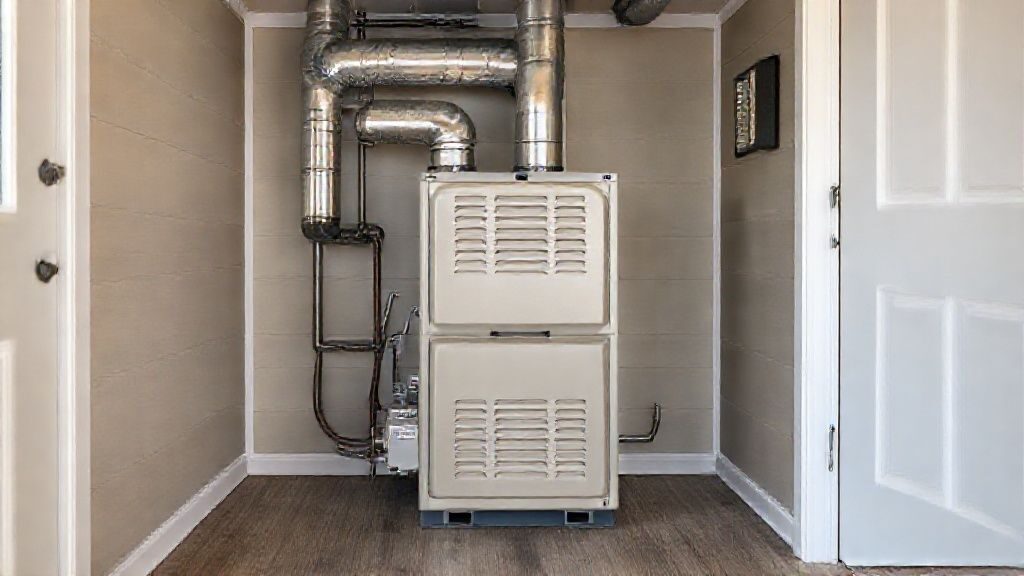
When it comes to keeping your trailer home warm, you can’t just pick any furnace off the shelf. Mobile homes, also known as manufactured homes, have specific requirements that differ significantly from site-built houses. I’ve seen folks in places like Boise, Idaho, try to shoehorn a standard residential furnace into a trailer home, and it rarely ends well. The clearances are wrong, the venting is off, and the safety features might not be adequate for the unique construction of a mobile home. You need a furnace designed specifically for this type of dwelling.
My goal here is to give you a clear, no-nonsense guide to finding the right furnace for your trailer home. We’ll cover what makes these units unique, the types available, how to size one correctly, and what you need to consider for installation and maintenance. Getting this right means a comfortable home, lower energy bills, and most importantly, safe operation for your family. Let’s get into the details so you can make an informed decision.
Key Highlights
- Mobile home furnaces are designed with specific safety and space requirements in mind, including “zero clearance” to combustibles.
- Common types include natural gas, propane, and electric furnaces, each with its own advantages and considerations.
- Proper sizing is crucial for efficiency and comfort; a professional load calculation is recommended.
- Look for high AFUE ratings for energy efficiency and features like multi-stage heating for better comfort.
- Professional installation is essential for safety, warranty, and compliance with local codes.
- Regular maintenance, especially filter changes, extends furnace lifespan and improves performance.
Understanding Mobile Home Furnaces: Why They’re Different
Let’s talk about what sets a mobile home furnace apart. It’s not just a marketing gimmick. There are tangible differences in design, safety standards, and performance that are critical for manufactured homes.
First off, the most significant difference is often referred to as “zero clearance.” This means the furnace is designed to be installed directly against combustible materials, like wood framing, without requiring an air gap for insulation. Standard residential furnaces typically need several inches of clearance from walls and other materials to prevent heat transfer and potential fire hazards. Mobile homes are built to maximize space, so these zero-clearance designs are a necessity. This is a crucial safety feature that you cannot overlook. Trying to force a standard furnace into a tight mobile home space without proper clearances is a recipe for disaster.
Another key distinction lies in the venting systems. Mobile home furnaces are often designed for “direct vent” or “sealed combustion” systems. This means they draw combustion air directly from outside the home and vent exhaust gases directly outside, using a sealed pipe system. This prevents combustion byproducts, like carbon monoxide, from entering the living space, which is especially important in the tighter, more sealed environment of a mobile home. It also prevents the furnace from drawing in conditioned air from your home for combustion, which improves overall efficiency.
The construction of a mobile home itself also plays a role. They often have different insulation values and layouts compared to stick-built homes. This affects heat loss and gain, which in turn influences the furnace’s sizing and performance. Mobile home furnaces are engineered to handle these specific thermal characteristics. Additionally, the ductwork in mobile homes is often different, frequently running directly under the floor. The furnace design needs to accommodate these unique duct configurations for efficient air distribution.
Finally, mobile home furnaces are subject to specific HUD (Department of Housing and Urban Development) codes and standards. These codes dictate everything from appliance construction to installation practices to ensure safety and quality in manufactured housing. Any furnace you consider for a trailer home must be certified for mobile home use, meaning it meets these stringent standards. Don’t let anyone convince you that a “close enough” standard furnace will work. It won’t, and it could void your insurance or create a dangerous situation.
Types of Furnaces for Trailer Homes
Just like standard homes, trailer homes can be heated using different fuel sources. The best choice for you will depend on what’s available in your area, your budget, and your preferences for operating costs and environmental impact. Here are the main types:
Natural Gas Furnaces
If your mobile home community has access to a natural gas line, a natural gas furnace is often a popular and cost-effective choice. Natural gas is typically one of the most affordable heating fuels, offering consistent, powerful heat. These furnaces work by burning natural gas to heat a heat exchanger, and a blower then pushes air across the hot exchanger and into your home’s ductwork. They require a gas line connection and a venting system to safely expel combustion byproducts.
- Pros: Generally lower operating costs, clean burning, consistent heat.
- Cons: Requires natural gas line availability, professional installation of gas lines and venting is critical.
Propane Furnaces
For mobile homes located in areas without natural gas access, propane furnaces are a common alternative. Propane is stored in a large tank on your property and delivered by a supplier. Propane furnaces operate similarly to natural gas furnaces, burning propane to generate heat. The main differences are the fuel storage and the specific burner components designed for propane.
- Pros: Available almost anywhere, powerful heat output.
- Cons: Higher fuel costs than natural gas, requires a propane tank and regular deliveries, tank takes up yard space.
Electric Furnaces
Electric furnaces, sometimes called electric air handlers with heat strips, are an option that doesn’t rely on fossil fuels. Instead, they use electric resistance coils to generate heat. A blower then circulates this heated air through your home. Electric furnaces are often smaller and don’t require venting, which can simplify installation. However, the cost of electricity per BTU of heat is generally higher than natural gas or propane, making them more expensive to operate in many regions.
- Pros: No fuel storage needed, simpler installation (no venting or gas lines), quiet operation, can be paired with an slim line air conditioning unit for a complete HVAC system.
- Cons: Higher operating costs, especially in colder climates, may require a larger electrical service.
Combination Systems (Heat Pumps)
While not strictly a furnace, heat pumps are a popular heating and cooling solution for mobile homes. A heat pump moves heat rather than generating it. In winter, it extracts heat from the outside air (even cold air) and transfers it indoors. In summer, it reverses the process, moving heat from inside to outside. Many heat pumps are paired with electric “backup” heating elements, similar to an electric furnace, for when outside temperatures drop too low for the heat pump to operate efficiently on its own. These systems can be very efficient for both heating and cooling.
- Pros: High energy efficiency for both heating and cooling, lower operating costs than electric furnaces.
- Cons: Higher initial cost, performance can decrease in very cold climates (requiring backup heat).
When you’re looking at options, consider the long-term operating costs in your specific location, not just the upfront purchase price. Fuel prices vary significantly by region and can fluctuate over time.
Sizing Your Furnace for Optimal Performance
Getting the right size furnace is critical. This isn’t just about the physical dimensions of the unit, but its heating capacity, measured in BTUs (British Thermal Units) per hour. An undersized furnace will struggle to heat your home on the coldest days, constantly running and never quite reaching the set temperature. An oversized furnace will short-cycle, meaning it heats up too quickly, shuts off, and then starts up again shortly after. This leads to inefficient operation, uneven heating, more wear and tear on components, and higher energy bills.
The common misconception is that “bigger is always better.” That’s simply not true for furnaces. Proper sizing is about matching the furnace’s heat output to your home’s heat loss. This isn’t a simple calculation based solely on square footage, though that’s a starting point. Here’s what goes into it:
Factors Influencing Furnace Sizing:
- Square Footage: The total heated area of your mobile home. More space requires more BTUs.
- Climate Zone: The severity of winters in your region. A home in Florida needs less heating capacity than one in Michigan.
- Insulation Levels: The quality of insulation in your walls, floor, and ceiling. Better insulation means less heat loss, requiring fewer BTUs. Mobile homes can vary widely in their insulation levels depending on their age and construction.
- Window and Door Quality: Energy-efficient windows and doors reduce heat loss significantly. The number and size of windows also play a role.
- Air Leakage: How well sealed your home is. Drafty homes lose heat quickly.
- Ceiling Height: Higher ceilings mean more air volume to heat.
- Personal Preference: Some people prefer their homes warmer than others.
Because of these variables, the most accurate way to size a furnace is through a professional “Manual J” load calculation. This is an industry standard procedure that takes all the above factors into account to determine your home’s exact heating requirements. A qualified HVAC technician will visit your home, measure, inspect, and then use specialized software to perform this calculation. This isn’t a step you should skip or guess at.
For a rough estimate, you might see rules of thumb like 30-40 BTUs per square foot for mobile homes, but these are highly generalized and can lead to incorrect sizing. Always opt for a professional assessment. An installer might also ask you how much for an outside ac unit if you are considering a complete system. They need to size both units correctly for your specific home.
Key Features to Look for in a Mobile Home Furnace
Once you understand the basic types and the importance of sizing, you can start looking at specific features that improve efficiency, comfort, and safety. These features can make a big difference in your everyday living experience and long-term costs.
AFUE (Annual Fuel Utilization Efficiency) Rating
This is probably the most important efficiency rating for gas and propane furnaces. AFUE measures how efficiently a furnace converts fuel into usable heat over a year. It’s expressed as a percentage. For example, a furnace with an 80% AFUE rating means 80% of the fuel’s energy is converted into heat for your home, while the other 20% is lost through the exhaust. Mobile home furnaces generally start at 80% AFUE, but you can find models with higher efficiencies, sometimes into the 90s. Higher AFUE ratings mean lower operating costs, but often a higher upfront price. You’ll need to weigh the long-term savings against the initial investment.
Multi-Stage or Variable-Speed Blowers
- Single-Stage: These furnaces operate at one speed and one heat output: either on or off. They are typically less expensive but can lead to temperature swings and less consistent comfort.
- Two-Stage: These furnaces have two heating outputs – a lower setting for mild days and a higher setting for colder days. They run for longer periods at a lower setting, providing more consistent temperatures, better air filtration, and often quieter operation.
- Variable-Speed: This is the most advanced option. Variable-speed blowers can precisely adjust their output based on heating demand. They ramp up and down gradually, providing the most consistent temperatures, excellent humidity control (if paired with AC), and very quiet operation. They are the most efficient and comfortable but also the most expensive.
Direct Vent / Sealed Combustion
As I mentioned earlier, this is a crucial safety feature for mobile homes. Ensure the furnace you choose is a direct-vent model. This design prevents the combustion air from mixing with your indoor air, minimizing risks of carbon monoxide leaks and improving indoor air quality. It’s often a mandatory requirement for mobile home furnaces.
Electronic Ignition
Modern furnaces use electronic ignition systems (hot surface igniters or intermittent pilots) instead of a constantly burning pilot light. This saves energy because the pilot isn’t burning fuel 24/7. It also eliminates the risk of a pilot light going out, which would leave you without heat.
Safety Features
Look for features like limit switches, flame sensors, and rollout switches. These are designed to detect unsafe operating conditions, such as overheating or flame rollout, and shut down the furnace to prevent damage or fire. All reputable mobile home furnaces will have these built-in, but it’s good to be aware of what they do.
Brand Reputation and Warranty
Choose a reputable brand known for quality and reliability. Brands like Goodman, Amana, and Coleman often offer models certified for mobile homes. Check the warranty terms carefully, including parts and labor. A good warranty provides peace of mind. For example, amana ac systems and furnaces are known for good warranties.
Considering these features will help you narrow down your choices and select a furnace that not only heats your home effectively but also does so safely and efficiently for years to come.
Installation and Safety Considerations
Installing a furnace in a trailer home is not a DIY project. This is where you absolutely need a qualified, certified HVAC professional. There are specific safety, code, and efficiency standards that must be met, and improper installation can be dangerous and costly.
Why Professional Installation is Non-Negotiable:
- Safety: Gas lines, electrical connections, and venting systems must be installed correctly to prevent fires, gas leaks, and carbon monoxide poisoning. Professionals have the tools and expertise to ensure these are done safely and according to code.
- Code Compliance: Mobile homes fall under HUD codes, and local building codes may also apply. A professional installer will be familiar with these regulations and ensure your installation meets all requirements. This is crucial for your home’s safety and insurance validity.
- Warranty: Most furnace manufacturers require professional installation for the warranty to be valid. Trying to install it yourself or using an uncertified technician will likely void your warranty, leaving you responsible for any future repair costs.
- Proper Sizing and Ductwork: As discussed, correct sizing is key. An installer will verify the Manual J calculation and ensure the new furnace is properly integrated with your existing ductwork for optimal airflow and efficiency.
- Testing and Startup: After installation, the technician will perform thorough tests to ensure the furnace is operating correctly, safely, and efficiently. They will check gas pressure, electrical connections, temperature rise, and verify proper combustion.
Key Installation Steps and Checks:
- Permits: Your HVAC contractor should pull all necessary permits from your local building department before starting work.
- Gas Line Connection: If you’re installing a gas or propane furnace, the gas line connection must be leak-free and sized correctly for the furnace’s BTU input. This is a critical safety point.
- Electrical Wiring: The furnace needs dedicated electrical power, and the wiring must be up to code and correctly connected to the unit and your home’s electrical panel.
- Venting System: For gas and propane furnaces, the direct vent system must be properly sealed and routed to the exterior of the home, with adequate clearance from windows and other openings.
- Condensate Drain: High-efficiency furnaces produce condensate (water) that needs to be safely drained away, typically to a floor drain or condensate pump.
- Thermostat Wiring: The new furnace needs to be wired correctly to your thermostat for proper control.
- Clearances: Even though mobile home furnaces are “zero clearance” to combustibles on certain sides, there are still specific clearances required from other objects, and for service access. Your installer knows these.
When selecting a contractor, always ask for proof of licensing, insurance, and certifications. Get multiple bids and make sure they include a detailed scope of work and a complete breakdown of costs. Don’t cut corners on installation; your family’s safety depends on it.
Maintenance Tips for Your Mobile Home Furnace
Once your new furnace is installed, proper maintenance is the key to a long lifespan, efficient operation, and consistent comfort. Think of it like changing the oil in your car – neglect it, and you’ll run into problems. Most maintenance tasks are straightforward, but some require a professional touch.
Regular Homeowner Maintenance (Monthly/Quarterly)
- Check and Replace Air Filters: This is the most important and easiest thing you can do. A dirty filter restricts airflow, forcing your furnace to work harder, which reduces efficiency, increases energy bills, and can even damage the system. Check your filter monthly, especially during peak heating season. Replace it when it looks dirty, typically every 1-3 months. The type of filter you use (pleated, fiberglass, MERV rating) will also affect how often it needs changing. This keeps the air clean and the furnace running smoothly.
- Clear Around the Furnace: Ensure there’s nothing blocking the furnace’s intake or exhaust vents (for direct-vent models) or blocking the return air grilles. Keep the area immediately around the furnace clear of clutter, especially anything combustible.
- Listen and Look: Pay attention to any unusual noises (grinding, squealing, banging) or smells (burning, gas odor). If you detect a gas smell, turn off the furnace, evacuate, and call your gas company immediately.
Professional Annual Maintenance (Tune-Up)
Even with diligent homeowner care, your furnace needs an annual check-up from a qualified HVAC technician, ideally before the heating season begins. This preventive maintenance can catch small problems before they become expensive breakdowns and ensures your furnace is running at peak efficiency.
During a professional tune-up, a technician will typically:
- Inspect and Clean Components: This includes the blower motor, burner, heat exchanger, and ignition system. They’ll remove any dust or debris that can hinder performance or pose a fire risk.
- Check Electrical Connections: Loose wiring can be a safety hazard and cause performance issues.
- Lubricate Moving Parts: Blower motors and other components need lubrication to reduce friction and wear.
- Test Safety Controls: They’ll verify that the limit switch, flame sensor, and other safety devices are functioning correctly.
- Check Gas Pressure and Venting: For gas and propane furnaces, they’ll ensure the gas pressure is correct and the venting system is clear and free of leaks. This is vital for safety.
- Measure Temperature Rise: This confirms the furnace is heating air to the correct temperature according to the manufacturer’s specifications.
- Inspect Ductwork: They may check for obvious leaks or blockages in your mobile home’s duct system.
Regular maintenance extends the life of your furnace, keeps your energy bills down, and most importantly, ensures safe operation throughout the cold months. It’s an investment that pays for itself in avoided repairs and peace of mind. If you are looking to see our furnace selection, remember to factor in maintenance when considering long-term costs.
Cost of a Trailer Home Furnace: What to Expect
Understanding the cost of a new furnace for your trailer home involves more than just the price tag of the unit itself. You’ve got the equipment, the installation, and potential additional expenses. Prices can vary significantly based on the furnace type, its efficiency, the complexity of the installation, and your geographic location.
Equipment Cost (Unit Only)
The furnace unit itself is usually the largest portion of the expense. Here’s a general breakdown:
- Electric Furnaces: These tend to be the least expensive units, often ranging from $800 to $2,000.
- Natural Gas/Propane Furnaces: These typically fall in the $1,500 to $3,500 range for the unit alone. High-efficiency models (90% AFUE or higher) will be at the upper end of this scale.
- Heat Pumps: If you opt for a heat pump system, which provides both heating and cooling, the unit cost can be higher, often between $3,000 and $6,000, not including the air handler portion.
Keep in mind these are just averages for the equipment. Specific brands, features like multi-stage heating or variable-speed blowers, and BTU capacity will all influence the price.
Installation Costs
This is where professional expertise comes in, and it’s a significant part of the overall cost. Installation can range anywhere from $1,000 to $3,000 or more, depending on several factors:
- Complexity: Is it a direct replacement, or does it require new ductwork modifications, gas line extensions, or electrical upgrades?
- Removal of Old Unit: Disposing of your old furnace is usually included, but complex removal might add to the cost.
- Permits: Necessary permits from local authorities contribute to the cost.
- Geographic Location: Labor rates for HVAC technicians vary significantly across different regions.
- Additional Components: If you need a new thermostat, filter box, or venting components, these will add to the installation price.
A full, professional installation for a gas or propane furnace in a mobile home, including the unit and labor, typically costs between $2,500 and $6,000. Electric furnace installations might be on the lower end, while complex heat pump systems could be higher.
Factors Affecting Overall Cost:
- Furnace Type: Electric, natural gas, propane, or heat pump.
- AFUE Rating: Higher efficiency means higher unit cost but lower operating costs over time.
- Brand and Warranty: Premium brands or extended warranties can increase the upfront price.
- Accessibility: If the furnace is in a difficult-to-access location, labor costs might increase.
- Existing Infrastructure: Do you already have gas lines, adequate electrical service, and sound ductwork? If not, these upgrades will add to the bill.
- Local Regulations: Some areas have stricter codes that might require specific (and potentially more expensive) installation practices.
Financing and Incentives
Don’t forget to ask your HVAC contractor about financing options. Many companies offer payment plans. Also, check for local utility rebates or federal tax credits for high-efficiency furnace installations. These programs can help offset the initial cost, especially for energy-efficient models. When you are ready to explore options, you can always contact us for a quote.
While the initial cost might seem high, remember that a new, efficient furnace is an investment in your home’s comfort, safety, and energy savings for years to come.
Frequently Asked Questions About Mobile Home Furnaces
I get a lot of common questions when talking about mobile home furnaces. Here are some of the ones that come up most often, with straight answers.
Q: Can I use a standard residential furnace in my mobile home?
A: No, absolutely not. Mobile homes require furnaces specifically designed and certified for manufactured homes. These units feature “zero clearance” construction and specific venting requirements that standard furnaces do not have. Using a non-certified furnace is a serious safety hazard and will likely void your home insurance and warranty.
Q: How often should I replace my mobile home furnace filter?
A: You should check your filter monthly and replace it every 1 to 3 months, especially during peak heating season. If you have pets, allergies, or a dusty environment, you might need to change it more frequently. A dirty filter significantly reduces efficiency and can damage your furnace.
Q: What’s the typical lifespan of a mobile home furnace?
A: With proper annual maintenance, a mobile home furnace can last anywhere from 15 to 20 years, sometimes even longer. Neglecting maintenance or improper sizing can significantly shorten its lifespan.
Q: How do I know what size furnace I need?
A: The best way to determine the correct size is to have a professional HVAC technician perform a “Manual J” load calculation. This takes into account your home’s square footage, insulation, windows, climate, and other factors to precisely determine the required BTU output. Guessing can lead to an inefficient and uncomfortable system.
Q: Are propane furnaces safe for mobile homes?
A: Yes, propane furnaces are very safe when installed and maintained correctly by a qualified professional. Propane is a heavier-than-air gas, so proper ventilation and leak detection are crucial. Always ensure your installer is certified for propane systems and follow all safety guidelines for tank storage and maintenance.
Q: What is AFUE, and why is it important?
A: AFUE stands for Annual Fuel Utilization Efficiency. It’s a percentage that tells you how efficiently a furnace converts fuel into usable heat over a year. An 80% AFUE furnace converts 80% of its fuel into heat, with 20% lost through exhaust. A higher AFUE means a more efficient furnace, which translates to lower energy bills. It’s a key factor in long-term operating costs.
Q: Can I install a furnace myself to save money?
A: Installing a furnace, especially a gas or propane model, is not a DIY job. It involves critical gas line connections, electrical wiring, and venting that must comply with strict safety codes. Improper installation can lead to dangerous situations like carbon monoxide poisoning, gas leaks, fires, and will void your warranty. Always hire a licensed and insured HVAC professional.
Q: Should I get a heat pump instead of a traditional furnace?
A: A heat pump is a great option for many mobile homes, especially in moderate climates. They are highly efficient for both heating and cooling, offering significant energy savings. However, their heating efficiency can decrease in very cold temperatures, often requiring supplemental electric resistance heat. Your climate and energy costs will largely dictate if a heat pump is the best choice for you.
Final Thoughts
Choosing the right furnace for your trailer home is a significant decision. It directly impacts your comfort, safety, and monthly energy bills. Remember, mobile homes have unique requirements, so you can’t just slap in any old furnace. You need a unit specifically designed and certified for manufactured housing, with “zero clearance” capabilities and proper venting.
Take the time to understand your options, whether it’s natural gas, propane, electric, or a heat pump system. Prioritize proper sizing through a professional load calculation – it’s the foundation of an efficient and comfortable system. And above all, invest in professional installation and consistent annual maintenance. These steps are not just about convenience; they are about protecting your family and your investment.
Don’t hesitate to ask questions and get multiple opinions from qualified HVAC contractors. An informed decision now will pay dividends in reliable heat and peace of mind for years to come. Your home deserves a heating system that’s safe, efficient, and tailored to its specific needs.