Folks often ask me about the best way to keep their homes comfortable all year round without breaking the bank. For decades, I’ve seen all sorts of setups. I remember a job out in Tampa, Florida, where a family had an old, inefficient system struggling to keep up with the humidity and heat. They were running window units in the summer just to get by. We replaced their aging furnace and AC with a modern heat pump, and the difference was night and day. Not only were they finally cool and dry, but their energy bills dropped significantly. It’s a common story, and it shows you what the right system can do.
A lot of homeowners hear “heat pump” and immediately think “it only heats,” or “it’s just for cold climates.” That’s not the full picture, and it’s a misunderstanding that costs people comfort and money. These systems are incredibly versatile. They’re designed to handle both heating and cooling efficiently, making them a fantastic option for a wide range of climates, not just mild ones. I’ve personally installed and serviced them from the hot, humid Gulf Coast up to the cooler, drier mountain regions. They consistently deliver results when installed and maintained correctly.
Key Highlights
- Heat pumps provide both heating and cooling from a single unit.
- They operate by moving heat, rather than generating it, making them highly energy-efficient.
- Available in various types: air-source, geothermal, water-source, and ductless mini-splits.
- Offer significant energy savings, especially in climates with moderate heating and cooling needs.
- Contribute to better indoor air quality and reduced environmental impact.
- Proper sizing and professional installation are critical for optimal performance.
- Regular maintenance is essential for longevity and efficiency.
- Long-term savings often outweigh the initial investment, especially with available rebates.
What Are Heat and Air Conditioning Pumps?
Let’s clear things up right from the start. A heat pump, in its simplest form, is an HVAC system that can both heat and cool your home. Think of it as a two-way street for heat. In the summer, it pulls heat out of your house and pushes it outside, just like a standard air conditioner. In the winter, it reverses the process, pulling heat from the outdoor air (even cold air has some heat energy in it) and moving it inside to warm your home. This capability to reverse the flow of heat is what makes them so unique and efficient.
Many folks don’t realize that a conventional air conditioner is essentially half of a heat pump. It only works one way – moving heat out of your home. A heat pump takes that same principle and applies it to year-round comfort. Instead of needing a separate furnace for heating and an air conditioner for cooling, a single heat pump system handles both tasks. This integration simplifies your HVAC setup and often leads to lower energy consumption because it’s moving existing heat, not creating new heat through burning fuel.
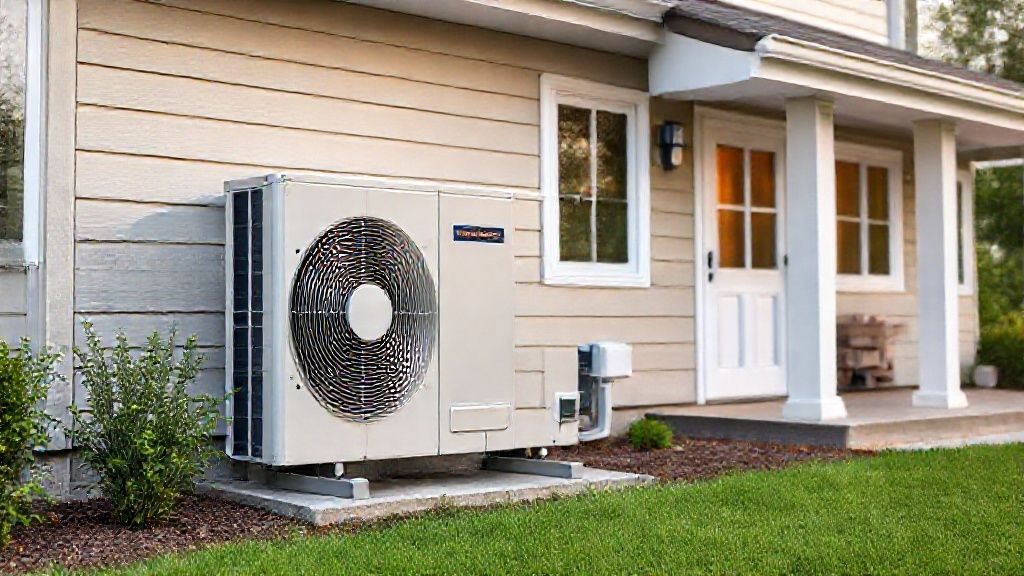
The core components of a heat pump system are similar to what you’d find in a central air conditioning unit: an outdoor unit (compressor and coil), an indoor unit (air handler with a coil), and a refrigerant line connecting the two. The magic happens within the refrigerant cycle, which I’ll get into next. For homeowners looking for a comprehensive, efficient solution for climate control, understanding what a heat pump is and how it functions is the first step toward making an informed decision about their home comfort system.
How Do Heat Pumps Work?
Understanding how a heat pump works isn’t as complicated as some make it out to be. The fundamental principle is that heat energy always wants to move from a warmer area to a cooler area. A heat pump simply uses a refrigerant and a compressor to manipulate this natural tendency, moving heat where you want it or don’t want it.
The Refrigeration Cycle in Reverse
At the heart of every heat pump is the refrigeration cycle. This cycle involves the continuous circulation of a refrigerant, which changes state between liquid and gas. This change of state allows it to absorb and release large amounts of heat. The main components involved are the compressor, condenser coil, expansion valve, and evaporator coil. In a heat pump, these components are designed to work in both directions.
Heating Mode Explained
When your heat pump is in heating mode, it extracts heat from the outdoor air, even when it feels cold outside. The refrigerant in the outdoor coil absorbs this heat, turning into a warm gas. The compressor then pressurizes this gas, which increases its temperature significantly. This hot, high-pressure gas then travels to the indoor coil (condenser in heating mode), where it releases its heat into the air circulating through your home’s ductwork. As the refrigerant cools and releases heat, it condenses back into a liquid. It then passes through an expansion valve, where its pressure and temperature drop, and it returns to the outdoor unit to absorb more heat, repeating the cycle.
It’s important to note that while the outdoor air might feel freezing to us, it still contains heat energy. Modern heat pumps are incredibly effective at extracting this low-grade heat, even when temperatures drop well below freezing. This ability to harvest ambient heat, rather than generating it from scratch, is what makes them so much more efficient than traditional furnaces.
Cooling Mode Explained
When you switch your heat pump to cooling mode, a reversing valve changes the direction of the refrigerant flow. Now, the indoor coil acts as the evaporator, absorbing heat from the warm air inside your home. The refrigerant turns into a cool gas as it picks up this heat. This warm gas then goes to the outdoor unit (condenser in cooling mode), where the compressor pressurizes it. The heat is then released into the cooler outdoor air, and the refrigerant condenses back into a liquid. The liquid then passes through the expansion valve and returns indoors to absorb more heat, cooling your home in the process.
Essentially, in cooling mode, a heat pump functions exactly like a central air conditioner. It’s pulling heat and humidity out of your indoor air and expelling it outdoors, leaving your living space cool and comfortable.
Supplemental Heat
In very cold climates, or during extreme cold snaps, an air-source heat pump might sometimes struggle to extract enough heat from the frigid outdoor air to keep your home adequately warm on its own. That’s where supplemental or auxiliary heat comes in. Most air-source heat pumps are paired with electric resistance coils built into the indoor air handler. When the outdoor temperature drops below a certain point (the “balance point,” typically between 25-40°F, depending on the specific unit and climate), or if the thermostat calls for a rapid temperature increase, these electric heaters automatically kick in to provide additional warmth. While electric resistance heat is not as efficient as the heat pump itself, it ensures your home stays warm even on the coldest days. Some systems might also be paired with a gas furnace for supplemental heat, creating a “dual-fuel” system that offers even greater flexibility and efficiency by choosing the most economical heating source at any given time.
Types of Heat Pump Systems
Not all heat pumps are created equal. They come in several varieties, each designed for specific applications and environmental conditions. Knowing the differences can help you determine which type might be best suited for your home.
Air-Source Heat Pumps
These are the most common type of heat pump. As the name suggests, they transfer heat between your house and the outside air. They are effective in a wide range of climates and are typically more affordable to install upfront compared to other types. Air-source heat pumps are continuously improving, with modern units offering excellent efficiency even in colder temperatures. They are what most people think of when they hear “heat pump.”
Geothermal Heat Pumps
Geothermal heat pumps, also known as ground-source heat pumps, are truly remarkable. Instead of exchanging heat with the air, they exchange it with the earth. Below the frost line, the ground temperature remains relatively stable year-round, typically between 45-75°F. Geothermal systems use a buried loop system (pipes filled with a water and antifreeze solution) to tap into this consistent temperature. In winter, heat is absorbed from the earth and transferred into your home. In summer, heat is extracted from your home and transferred into the cooler ground. These systems are incredibly efficient, often boasting very high Coefficient of Performance (COP) ratings, meaning they deliver a lot of heating or cooling for every unit of electricity consumed. The downside is the significant upfront cost due to the excavation and installation of the ground loops, but their operating costs are usually much lower over their lifespan.
Water-Source Heat Pumps
Less common for residential use, water-source heat pumps are similar to geothermal systems but use a nearby body of water (like a pond, lake, or well) as their heat source/sink. They involve submerging a closed loop system in the water or drawing water directly from the source. The principle is the same: exploiting the stable temperature of a natural water body for efficient heat exchange. These are generally only practical if you have a suitable, accessible body of water on your property.
Ductless Mini-Split Heat Pumps
Ductless mini-split heat pumps are a fantastic solution for homes without existing ductwork, additions, or for zoning specific areas. Instead of a central outdoor unit connected to an indoor air handler and ductwork, mini-splits consist of an outdoor compressor/condenser unit connected to one or more indoor air-handling units via a small conduit. Each indoor unit can control the temperature in its specific zone, offering incredible flexibility and energy savings by only heating or cooling the rooms you’re using. They are very efficient and quiet, making them a popular choice for targeted comfort and renovation projects. Many of these units are high-efficiency air conditioners with heat pumps built right in, giving you that year-round flexibility.
Benefits of Heat Pumps for Your Home
I’ve seen firsthand the advantages heat pumps offer homeowners. They’re not just a modern convenience; they bring tangible benefits that impact comfort, finances, and even the environment.
Energy Efficiency and Cost Savings
This is where heat pumps truly shine. Unlike furnaces that generate heat by burning fuel or electric resistance heaters that convert electricity directly into heat, heat pumps simply move existing heat. This process is far more efficient. For every unit of electricity consumed, a heat pump can deliver two to four units of heating or cooling energy. This translates directly to lower utility bills. Many homeowners report significant savings, especially in areas with moderate heating and cooling needs. Over the life of the system, these savings can be substantial, often offsetting the initial investment.
Year-Round Comfort
Having one system that handles both heating and cooling simplifies your home comfort strategy. You don’t have to worry about maintaining two separate units. Heat pumps provide consistent temperatures, avoiding the large temperature swings sometimes associated with other systems. They can also effectively dehumidify your home during cooling cycles, adding to overall comfort, especially in humid climates.
Environmental Impact
Because they are so efficient and primarily run on electricity, heat pumps have a smaller carbon footprint compared to systems that burn fossil fuels. As electricity generation becomes increasingly reliant on renewable sources, the environmental benefits of heat pumps will only grow. This makes them an excellent choice for environmentally conscious homeowners looking to reduce their energy consumption and greenhouse gas emissions.
Improved Indoor Air Quality
Heat pumps use a closed-loop refrigerant system, which means they don’t bring combustion byproducts (like carbon monoxide from a gas furnace) into your home. They also incorporate filters that help remove dust, pollen, and other airborne particles, contributing to cleaner, healthier indoor air. Regular maintenance, including filter changes and coil cleaning, further enhances this benefit.
Safety
Since heat pumps don’t rely on burning fossil fuels, there’s no risk of carbon monoxide leaks or gas explosions, which can be concerns with gas furnaces. This makes them a very safe option for home heating.
Heat Pump Installation Considerations
Getting a heat pump is more than just picking a unit. The installation process is critical for ensuring optimal performance, efficiency, and longevity. I’ve seen too many good units perform poorly due to shortcuts or mistakes during installation.
Proper Sizing is Crucial
This is arguably the most important factor. A heat pump that is too small won’t be able to adequately heat or cool your home, leading to discomfort and continuous operation, which wears out the unit faster. A unit that is too large will “short cycle” – turning on and off too frequently. This also reduces efficiency, causes uneven temperatures, and doesn’t allow for proper dehumidification. A professional HVAC technician will perform a detailed load calculation (often called a Manual J calculation) considering factors like your home’s square footage, insulation levels, window types, local climate, and sun exposure to determine the precise size needed. Don’t let anyone skip this step.
Ductwork Inspection and Sealing
If you’re installing a central air-source heat pump, your existing ductwork plays a vital role. Leaky ducts can waste a significant amount of conditioned air, reducing efficiency by 20-30% or more. Before installation, have your technician inspect your ductwork for leaks, blockages, and proper sizing. Sealing any leaks and ensuring the ductwork is correctly sized and insulated is paramount for getting the most out of your heat pump. You need to make sure your supply air duct and return air duct are in good shape for the system to work efficiently.
Electrical Requirements
Heat pumps require a dedicated electrical circuit with specific voltage and amperage requirements. Your electrical panel and wiring must be able to handle the new load. An experienced installer will assess your home’s electrical system and make any necessary upgrades to ensure safe and reliable operation. This is not a job for a DIY enthusiast.
Outdoor Unit Placement
The outdoor unit needs to be placed on a level surface, away from obstructions that could impede airflow, and with adequate clearance for maintenance. It should also be located where drainage from defrost cycles won’t cause issues, such as pooling near your foundation. Consideration for noise levels relative to windows and patios is also wise, though modern units are generally very quiet.
Professional Installation
This cannot be stressed enough. Installing a heat pump is complex and requires specialized knowledge and tools. A certified, experienced HVAC technician will ensure the refrigerant lines are correctly sized and charged, electrical connections are safe, ductwork is optimized, and the system is properly commissioned. Attempting a DIY installation or hiring an inexperienced contractor can lead to expensive problems down the road, including poor efficiency, premature breakdowns, and voided warranties. For a reliable, efficient installation, make sure you’re working with the best hvac professionals in your area.
Maintaining Your Heat Pump for Longevity
Just like your car, your heat pump needs regular care to run efficiently and last a long time. Neglecting maintenance is the quickest way to reduce its lifespan and drive up your energy bills. This isn’t just about fixing things when they break; it’s about preventing problems before they start.
Regular Filter Changes
This is the easiest and most important maintenance task you can do yourself. Clogged air filters restrict airflow, making your heat pump work harder, reducing efficiency, and potentially damaging the system. Check your filter monthly, especially during peak heating and cooling seasons, and replace it every one to three months, or more often if you have pets or allergies. The cost of a few filters is nothing compared to the cost of a major repair.
Coil Cleaning
Over time, the indoor and outdoor coils can accumulate dirt and debris. On the indoor evaporator coil, this buildup can reduce heat transfer and restrict airflow. On the outdoor condenser coil, dirt and leaves can insulate the coil, making it harder for the unit to release or absorb heat. A professional technician will clean these coils, often using specialized cleaning solutions, to restore optimal heat exchange. This isn’t a DIY job for most homeowners as the coils are delicate and refrigerant lines are involved.
Clear Outdoor Unit
Keep the area around your outdoor unit clear of leaves, grass clippings, shrubs, and any other debris. Make sure there’s at least two feet of clearance on all sides to allow for proper airflow. In winter, clear away any snow or ice buildup, especially around the base and on top of the unit, to prevent issues during defrost cycles.
Annual Professional Tune-Ups
I always recommend scheduling a professional tune-up at least once a year, ideally in the spring before the cooling season or in the fall before the heating season. During a tune-up, a technician will:
- Inspect and clean coils (indoor and outdoor).
- Check refrigerant levels and inspect for leaks.
- Test thermostat operation.
- Lubricate moving parts (if applicable).
- Inspect electrical connections and components.
- Check condensate drain for clogs.
- Measure airflow and static pressure.
- Test heating and cooling cycles.
- Inspect ductwork for leaks.
These comprehensive checks catch small issues before they become big, expensive problems. They also ensure your heat pump is operating at peak efficiency, saving you money on energy bills. Regular servicing from a qualified technician helps ensure the longevity of your system, whether it’s a high-end unit or a reliable brand like those from a manufacturer that also produces who makes payne air conditioners. Knowing your equipment is professionally maintained gives peace of mind.
Choosing the Right Heat Pump for Your Needs
Selecting the right heat pump is a significant decision. It’s an investment in your home’s comfort and efficiency for years to come. There isn’t a one-size-fits-all answer, so it’s about finding the best fit for your specific situation.
Climate Zone
Your local climate is a primary consideration. In milder climates, a standard air-source heat pump will likely be very efficient throughout the year. If you live in a region with extremely cold winters, you might consider a cold-climate air-source heat pump, a dual-fuel system (pairing a heat pump with a gas furnace), or a geothermal system. Cold-climate air-source heat pumps are specifically designed to extract heat efficiently even when outdoor temperatures dip well below freezing.
Home Size and Layout
The size and layout of your home will determine the capacity of the heat pump you need. As I mentioned earlier, proper sizing is non-negotiable. For homes with existing ductwork, a central air-source or geothermal system is typically the most straightforward option. If your home lacks ductwork or you’re adding an extension, a ductless mini-split system might be ideal, allowing you to create individual climate zones.
Budget and Efficiency Ratings (SEER, HSPF)
Heat pumps come with various efficiency ratings. For cooling efficiency, you’ll see a Seasonal Energy Efficiency Ratio (SEER) rating, with higher numbers indicating greater efficiency. For heating, there’s the Heating Seasonal Performance Factor (HSPF). Again, higher numbers mean better heating efficiency. While higher-efficiency units often have a greater upfront cost, they can lead to substantial long-term savings on your energy bills. It’s about finding the balance that fits your budget and expected return on investment. Don’t just look at the purchase price. Remember, there are many excellent air conditioners with heat pumps that come in various sizes and efficiency levels to fit almost any budget or home size.
Specific Features
Modern heat pumps offer a range of features that can enhance comfort and convenience:
- Two-stage or variable-speed compressors: These adjust their output based on demand, leading to more consistent temperatures, better dehumidification, and quieter operation compared to single-stage units.
- Smart thermostat compatibility: Allows for remote control, scheduling, and energy monitoring.
- Quiet operation: Look for units with low decibel ratings, especially if the outdoor unit will be near living areas.
- Humidity control: Some advanced units offer enhanced dehumidification capabilities.
- Zoning capabilities: If you opt for a multi-zone ductless system, you get individualized control over different parts of your home.
Taking the time to discuss these factors with a qualified HVAC professional will help ensure you make the best choice for your home and lifestyle.
Heat Pump Costs and ROI
The cost of a new heat pump system is a common concern for homeowners. It’s an investment, and like any investment, it’s important to understand both the upfront cost and the potential return on investment (ROI).
Initial Investment
The initial cost of a heat pump system can vary significantly based on the type, size, brand, and efficiency rating. Air-source heat pumps typically range from $4,000 to $8,000 for the unit itself, with installation costs adding another $3,000 to $6,000, bringing the total to $7,000 to $14,000 or more. Geothermal systems, due to the excavation and loop field installation, are considerably more expensive upfront, often ranging from $20,000 to $30,000 or even higher. Ductless mini-splits typically range from $3,000 to $5,000 per zone, including installation. These are broad estimates, and specific quotes will depend on your local market and the complexity of the installation.
Operating Costs
While the initial cost might seem higher than a conventional furnace and AC combo, the real savings come in the operating costs. Because heat pumps are so efficient, your monthly utility bills for heating and cooling will likely be lower. The exact savings depend on your local electricity rates, your home’s insulation, and how you use your system. Many homeowners find that their annual energy savings can be hundreds of dollars, especially if they are replacing an older, inefficient system.
Rebates and Incentives
This is a big factor that often gets overlooked. To encourage the adoption of energy-efficient technologies, many federal, state, and local governments, as well as utility companies, offer rebates, tax credits, and incentives for installing heat pumps. These can significantly reduce your upfront cost. For example, the federal Inflation Reduction Act of 2022 offers substantial tax credits for high-efficiency heat pump installations. Always check with your local utility provider and government websites for current programs. These incentives can make a high-efficiency heat pump much more affordable than you might initially think.
Long-Term Savings
When you factor in the lower operating costs, potential rebates, and the longer lifespan of a well-maintained heat pump (typically 15-20 years, sometimes more for geothermal), the long-term ROI is often very favorable. The initial investment might be higher, but the reduced monthly bills over two decades can lead to significant overall savings. Plus, a modern, efficient HVAC system can add value to your home. If you’re weighing the options and costs, don’t hesitate to reach out for specific numbers for your home. You can always contact us for a quote, and we can lay out the options clearly for you.
FAQ
Here are some common questions I hear about heat pumps:
Q: Are heat pumps effective in very cold climates?
A: Yes, modern air-source heat pumps, especially “cold climate” models, are designed to operate efficiently even when outdoor temperatures drop to 0°F (-18°C) or lower. They often include supplemental electric resistance heat to ensure comfort during extreme cold snaps. Geothermal heat pumps, which tap into the earth’s stable temperature, are highly efficient in any climate, regardless of how cold the air gets.
Q: How noisy are heat pumps?
A: Modern heat pumps are significantly quieter than older models. Many have noise levels comparable to a refrigerator, especially during normal operation. Variable-speed models are particularly quiet because they can run at lower speeds for longer periods. Outdoor units are designed with noise reduction in mind, and indoor units, especially ductless mini-splits, are often barely audible.
Q: What is the average lifespan of a heat pump?
A: With proper installation and regular professional maintenance, an air-source heat pump typically lasts between 15 to 20 years. Geothermal heat pumps often have an even longer lifespan, with indoor components lasting 20-25 years and the underground loop system lasting 50 years or more.
Q: Can a heat pump replace my existing furnace and air conditioner?
A: Yes, in most cases, a heat pump can fully replace both your furnace and air conditioner. For homes that rely solely on electricity for heating, a heat pump is an excellent upgrade for both heating and cooling efficiency. If you have an existing gas furnace, you might consider a “dual-fuel” system, where the heat pump handles most of the heating and cooling, and the furnace kicks in during the coldest periods. This offers the best of both worlds in terms of efficiency and comfort.
Q: Do heat pumps require special thermostats?
A: Yes, heat pumps require a specific type of thermostat that can control both heating and cooling functions, including the reversing valve and any supplemental heat. Most modern programmable or smart thermostats are compatible with heat pump systems. It’s important to use a thermostat designed for heat pump operation to ensure correct functionality and efficiency.
Final Thoughts
After decades in this business, I’ve seen technologies come and go, but the heat pump has steadily evolved into one of the most reliable and efficient HVAC solutions available. They offer a compelling combination of year-round comfort, significant energy savings, and reduced environmental impact. For homeowners looking to upgrade their system or build a new home, a heat pump deserves serious consideration.
The key to getting the most out of a heat pump, like any major home system, lies in two things: professional installation and consistent maintenance. Don’t cut corners on either. Work with a qualified HVAC contractor who understands the specifics of heat pump technology and your home’s unique needs. Once installed, commit to those regular filter changes and annual tune-ups. Do these things, and your heat pump will serve you well for many years, providing a comfortable home environment without excessive energy bills. It’s a smart investment, and one that many homeowners are very happy they made.