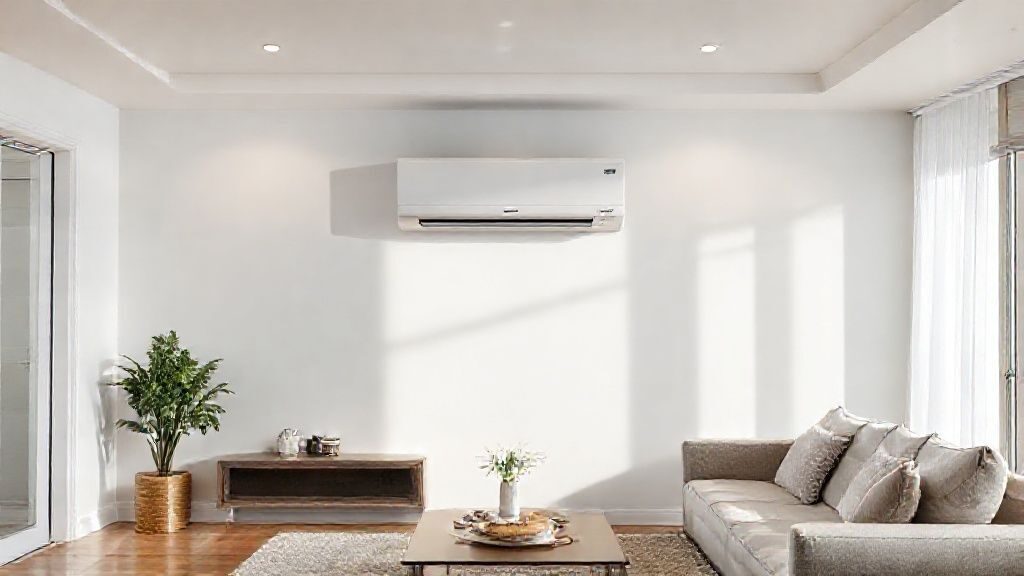
When you’re looking at HVAC solutions, especially if you’re dealing with a specific room that’s always too hot or too cold, or maybe an addition that was never tied into your main ductwork, a Mitsubishi ductless mini split system is often the first thing that comes to my mind. I’ve been in this business for decades, seeing all kinds of setups in homes from coast to coast. I remember a particularly tricky situation in a large, older home in Tampa, Florida. The owners had just finished a sunroom addition, and the existing central air conditioning simply couldn’t keep up with the extra square footage, especially during those humid Florida summers. Extending the ductwork would have been a major, messy, and expensive undertaking, tearing into ceilings and walls. We put in a single-zone Mitsubishi mini split, and it solved their problem perfectly. The room was comfortable, quiet, and didn’t put an extra strain on their old central system. It was a clean, effective solution.
Mitsubishi Electric has built a solid reputation over the years, and their ductless mini splits are a prime example of why. These systems offer a flexible and efficient way to handle your heating and cooling needs without the complex ductwork associated with traditional central HVAC. They’re not just about cooling; most units provide heating as well, making them true year-round comfort solutions.
Key Highlights
- **Zoned Comfort:** Control temperature in individual rooms or areas.
- **Energy Efficiency:** Advanced INVERTER technology and heat pump function save on utility bills.
- **Quiet Operation:** Indoor units operate at very low decibel levels.
- **Flexible Installation:** No ducts required, ideal for additions, renovations, or homes without existing ductwork.
- **Improved Air Quality:** Multi-stage filtration systems.
- **Heating & Cooling:** Provides both comfort functions from a single unit.
What is a Mitsubishi Ductless Mini Split System?
A Mitsubishi ductless mini split system is a heating and cooling solution that doesn’t rely on a network of air ducts to distribute conditioned air throughout a building. Instead, it consists of two primary components: an outdoor condensing unit and one or more indoor air-handling units. These two parts are connected by a small conduit that houses the refrigerant lines, power cable, and condensate drain line.
Think of it as a personalized HVAC system for specific zones in your home. Each indoor unit is responsible for conditioning the air in the room where it’s installed. The outdoor unit manages the refrigerant cycle, pumping warm or cool refrigerant to the indoor units as needed. This design means you can have different temperature settings in different rooms, which is a significant departure from traditional central systems that typically cool or heat an entire house to a single temperature.
The “mini” in mini split refers to its size compared to a large central air conditioner, and “split” refers to the separation of the indoor and outdoor components. Mitsubishi is a leading brand in this technology, known for its reliable and advanced systems. They use what’s called INVERTER technology, which allows the compressor to vary its speed and output, rather than just turning fully on or off. This continuous operation at varying speeds is far more efficient and maintains more consistent temperatures than older, single-stage systems.
How it Differs from Central Air
The most obvious difference is the absence of ducts. Central air conditioning and heating units require extensive ductwork running through walls, attics, or crawl spaces to deliver conditioned air. This ductwork can be a source of energy loss if it’s not properly sealed or insulated. Ductless systems, by design, eliminate this common point of inefficiency.
Another key difference is zoning. With central air, you typically set one thermostat for the whole house. While some central systems can be zoned, it usually involves more complex ductwork and dampers. Ductless systems inherently offer zone control because each indoor unit has its own thermostat or remote control, allowing precise temperature management for each space it serves. This means you aren’t paying to heat or cool unoccupied rooms, which saves energy.
Key Benefits of Mitsubishi Ductless Systems
Over the years, I’ve seen homeowners choose Mitsubishi ductless systems for a lot of good reasons. These benefits go beyond just basic heating and cooling:
1. Superior Energy Efficiency
This is often the number one selling point. Mitsubishi mini splits are incredibly energy efficient. Their INVERTER technology allows the compressor to adjust its speed to match the heating or cooling load precisely. This avoids the constant on-off cycling of traditional systems, which is where a lot of energy is wasted. They also act as heat pumps, meaning they can move heat rather than generate it, making them highly efficient for both heating and cooling. Many Mitsubishi models boast impressive SEER (Seasonal Energy Efficiency Ratio) and HSPF (Heating Seasonal Performance Factor) ratings, translating directly into lower utility bills for you. This efficiency isn’t just a marketing claim; I’ve seen the difference in energy statements time and time again.
2. Zoned Comfort Control
With a Mitsubishi multi-zone system, you can connect multiple indoor units to a single outdoor unit, and each indoor unit operates independently. This means your bedroom can be set to 68°F, while the living room is 72°F, and the guest room is turned off entirely if no one’s using it. This level of personalized comfort and control is a huge advantage, especially in homes with varying temperature preferences or areas that receive different amounts of sun exposure. It means everyone can be comfortable without compromising.
3. Quiet Operation
One of the first things people notice after installation is how quiet these units are. The noisiest components (the compressor and condenser fan) are located in the outdoor unit. The indoor units operate at very low decibel levels, often quieter than a whisper. This is a significant benefit, especially for bedrooms, home offices, or media rooms where noise can be a distraction. You’ll barely know they’re running, only feeling the consistent, comfortable air.
4. Flexible and Easier Installation
Because there’s no need for extensive ductwork, installation is generally less invasive and quicker than installing a central air system. The connecting conduit is small, usually requiring only a three-inch hole in the wall to link the indoor and outdoor units. This flexibility makes them perfect for older homes without existing ductwork, new additions, converted attics or basements, or even garages and workshops that need climate control. It saves a lot of time and avoids significant renovation work. If you’re looking for solutions for your overall best hvac setup, mini splits are definitely a top contender for certain applications.
5. Improved Air Quality
Many Mitsubishi ductless systems come equipped with advanced filtration systems. These filters can capture dust, allergens, viruses, and bacteria, improving the indoor air quality significantly. Some models even feature multi-stage filtration, including anti-allergen filters, which can be a real blessing for anyone with respiratory sensitivities. Unlike ductwork, which can accumulate dust and mold over time, a ductless system’s filters are easily accessible for cleaning or replacement, ensuring cleaner air delivery.
6. Dual Functionality: Heating and Cooling
Most Mitsubishi mini splits are heat pumps, meaning they can provide both efficient heating and cooling from a single unit. This versatility makes them an excellent all-in-one solution for year-round comfort. They are highly effective even in very cold climates, with many models designed to operate efficiently down to temperatures well below freezing, thanks to Mitsubishi’s Hyper-Heating INVERTER™ (H2i®) technology.
Types of Mitsubishi Mini Split Systems
Mitsubishi offers a range of ductless systems designed to meet different needs and aesthetic preferences. Understanding the different types helps you choose the right fit for your home.
1. Single-Zone Systems
A single-zone system consists of one outdoor unit connected to one indoor unit. This is the ideal solution for conditioning a specific room or area, like a new addition, a converted attic, a garage, or a room that struggles to maintain a comfortable temperature with your existing HVAC. They are straightforward, highly efficient, and dedicated to providing comfort to that single space.
2. Multi-Zone Systems
Multi-zone systems allow you to connect multiple indoor units (up to eight, depending on the outdoor unit’s capacity) to a single outdoor condensing unit. This is perfect for whole-home comfort or for zoning multiple rooms. Each indoor unit can be controlled independently, offering personalized comfort throughout your home while minimizing the footprint of outdoor equipment. Mitsubishi’s multi-zone systems are highly flexible in terms of combining different types of indoor units.
3. Indoor Unit Styles
The indoor units come in various styles, designed to blend seamlessly with different room aesthetics and installation requirements:
- Wall-Mounted Units: These are the most common and recognizable type. They are mounted high on a wall and deliver air quietly and efficiently. Mitsubishi’s sleek designs are unobtrusive and come in various finishes to match your decor. They are relatively easy to install and maintain.
- Ceiling Cassette Units: These units are recessed into the ceiling, with only a decorative grille visible. They offer a very discreet appearance and distribute air evenly in four directions, providing excellent coverage without being seen. They are ideal for spaces where wall space is limited or where a less visible solution is preferred.
- Floor-Standing Units: Similar to traditional radiators, these units sit on the floor or are mounted low on a wall. They are a good choice for rooms with sloped ceilings or limited upper wall space. They deliver warmth at floor level, which can be particularly comforting during heating cycles.
- Ducted Air Handlers (Hidden Ducted Units): While still considered “ductless” in the sense that they don’t connect to a large central duct system, these units are designed to be hidden in an attic, ceiling, or crawl space. They can then deliver conditioned air to one or two small, localized zones through very short, dedicated duct runs. This option offers the ultimate discretion, as only supply and return grilles are visible in the room. They are perfect for situations where you want the benefits of a mini split but prefer no visible indoor unit.
Choosing the right combination of indoor units depends on the specific layout and heating/cooling needs of each room. I always recommend a thorough site evaluation to determine the best approach.
How Mitsubishi Mini Splits Offer Energy Efficiency
The energy efficiency of Mitsubishi mini splits isn’t just a happy accident; it’s a result of advanced engineering and design principles. Here’s a closer look at the key technologies that make them stand out:
1. INVERTER Technology
This is arguably the most significant factor. Traditional HVAC systems use single-stage compressors that operate at full power, then shut off once the desired temperature is reached. When the temperature drifts a few degrees, they kick back on at full power. This constant cycling consumes a lot of energy and can lead to temperature swings.
Mitsubishi’s INVERTER-driven compressors, on the other hand, can vary their speed and output precisely. Instead of cycling on and off, they continuously adjust to the exact heating or cooling load required. If a room only needs a little bit of cooling, the compressor runs at a lower speed. If it needs a lot, it ramps up. This modulated operation:
- **Reduces Energy Consumption:** By avoiding wasteful on/off cycles and operating at lower capacities for longer periods, INVERTER technology uses significantly less electricity.
- **Maintains Consistent Comfort:** The continuous operation at varying speeds eliminates temperature fluctuations, providing a more stable and comfortable indoor environment.
- **Extends System Lifespan:** Less strain on the compressor due to continuous, rather than stop-start, operation can lead to a longer operational life for the unit.
2. Heat Pump Technology
Most Mitsubishi mini splits are high-efficiency heat pumps. A heat pump doesn’t generate heat by burning fuel; instead, it moves heat from one place to another. In cooling mode, it extracts heat from inside your home and expels it outside. In heating mode, it extracts latent heat from the outdoor air (even when it’s cold outside) and transfers it indoors. This process is much more efficient than traditional electric resistance heating, which directly converts electricity into heat.
Mitsubishi’s Hyper-Heating INVERTER (H2i) models are specifically designed to perform exceptionally well in very cold climates, providing effective heating even when outdoor temperatures drop significantly below freezing. They can often provide 100% heating capacity down to 5°F (-15°C) and continue to operate efficiently at even colder temperatures, making them a viable primary heating source in many regions.
3. Zoned Comfort and Individual Control
As mentioned, the ability to heat or cool only the rooms you’re using directly translates to energy savings. Why pay to condition an empty guest bedroom or a seldom-used dining room? With individual thermostats or remote controls for each indoor unit, you have granular control over your energy use. This eliminates waste and focuses your HVAC dollars where they’re most needed.
4. High SEER and HSPF Ratings
When you’re looking at any air conditioning and heating units, these ratings are crucial. SEER (Seasonal Energy Efficiency Ratio) measures cooling efficiency, and HSPF (Heating Seasonal Performance Factor) measures heating efficiency. Mitsubishi mini splits consistently achieve very high SEER and HSPF ratings, often significantly exceeding minimum federal standards. This indicates their ability to deliver more heating or cooling output for every unit of energy consumed, leading to substantial long-term savings on your utility bills.
5. Advanced Controls and Sensors
Mitsubishi systems often come with sophisticated controls, including remote access via smartphone apps, scheduling capabilities, and advanced sensors. Some models feature “i-see Sensor™” technology, which scans the room and detects hot or cold spots, adjusting airflow to ensure uniform comfort. These smart features help optimize performance and further reduce energy waste.
Installation Process: What to Expect
While the installation of a Mitsubishi mini split is generally less intrusive than a central ducted system, it’s still a job for a trained and certified professional. Here’s a breakdown of what you can typically expect:
1. Initial Consultation and Sizing
The first step involves a qualified HVAC technician visiting your home to assess your needs. They’ll consider factors like the size of the rooms you want to condition, ceiling height, insulation levels, window efficiency, and sun exposure. This information is crucial for properly sizing the units. An undersized unit won’t keep the space comfortable, and an oversized unit will short-cycle, leading to inefficiency and reduced comfort. This initial assessment ensures you get the right system for your specific requirements.
2. Choosing Indoor and Outdoor Unit Locations
The technician will help you decide on the best placement for both the indoor air handler(s) and the outdoor condensing unit. Indoor units are often placed on an exterior wall for easier access to the outdoor unit. Proper placement ensures optimal airflow and aesthetic appeal. The outdoor unit needs a solid, level pad and clear access for maintenance, while also considering noise levels relative to windows or outdoor living areas.
3. Mounting Indoor and Outdoor Units
- **Indoor Unit:** The selected indoor units (wall-mounted, ceiling cassette, etc.) are securely fastened to their designated locations. For wall-mounted units, this involves attaching a mounting plate.
- **Outdoor Unit:** The outdoor condensing unit is placed on a concrete pad or a sturdy, elevated stand to protect it from ground moisture and snow. It must be level for proper operation.
4. Drilling the Conduit Hole
A small hole, typically 2.5 to 3 inches in diameter, is drilled through the wall to connect the indoor and outdoor units. This hole accommodates the conduit, which bundles the refrigerant lines, electrical wiring, and condensate drain line.
5. Running Lines and Electrical Connections
- **Refrigerant Lines:** Copper refrigerant lines are carefully run from the indoor unit, through the conduit hole, and then connected to the outdoor unit. These connections must be precisely flared and tightened to prevent leaks.
- **Electrical Wiring:** Power cables are run to both the indoor and outdoor units. The outdoor unit typically requires a dedicated electrical circuit, which often involves running new wiring from your home’s electrical panel.
- **Condensate Drain Line:** A drain line is run from the indoor unit (which produces condensation during cooling) to ensure proper drainage, typically directed away from the house foundation.
6. Evacuation and Leak Check
Before charging the system with refrigerant, the entire line set must be evacuated using a vacuum pump. This process removes all moisture and non-condensable gases from the system, which are critical for its efficiency and longevity. After evacuation, the system is left under vacuum for a period to confirm there are no leaks in the refrigerant lines. This is a crucial step that distinguishes a professional installation from a rushed job.
7. Charging with Refrigerant
Once the leak check is complete, the appropriate amount of refrigerant is added to the system according to the manufacturer’s specifications.
8. Testing and Commissioning
The technician will then power up the system, test all functions (heating, cooling, fan speeds, modes), and verify proper operation. They’ll check refrigerant pressures, temperatures, and ensure the system is operating within its specified parameters. They will also instruct you on how to use your new system, including remote controls and any smart features.
9. Finishing Touches
Finally, the conduit connecting the indoor and outdoor units is often covered with a protective and aesthetically pleasing line hide or conduit cover. Any penetration points are sealed to prevent air and moisture infiltration.
A professional installation is key to the efficiency, reliability, and longevity of your Mitsubishi mini split system. Attempting a DIY installation can void warranties and lead to costly problems down the line.
Maintenance Tips for Your Ductless System
Like any sophisticated piece of equipment, your Mitsubishi ductless mini split system needs regular maintenance to keep it running efficiently and extend its lifespan. The good news is that much of it is straightforward, and some you can handle yourself.
1. Clean or Replace Air Filters Regularly
This is the most critical maintenance task you can perform. The indoor units have air filters that trap dust, pet dander, and other airborne particles. When these filters get clogged, airflow is restricted, forcing the unit to work harder, which reduces efficiency and can lead to mechanical problems. I recommend checking them monthly and cleaning them every 1-3 months, depending on how often you use the system and how much dust and pet hair is in your home. Most Mitsubishi filters are washable; just rinse them with warm water, let them air dry completely, and put them back in. If they’re damaged, replace them.
2. Keep the Outdoor Unit Clear
The outdoor condensing unit needs proper airflow to dissipate or absorb heat efficiently. Make sure there’s at least 18-24 inches of clearance around the unit. Remove any leaves, grass clippings, weeds, or debris that might accumulate around it. During winter, clear snow and ice from around and on top of the unit. Don’t let bushes or shrubbery grow too close, as they can obstruct airflow and make it harder for the unit to operate.
3. Clean the Indoor Coils and Blower Fan
Over time, dust and grime can build up on the indoor unit’s evaporator coil and the blower wheel. This accumulation can reduce heat transfer, restrict airflow, and even lead to mold growth, causing musty odors. While you can often gently wipe down the visible parts of the blower and coil with a soft brush or vacuum, a deeper cleaning usually requires a professional. They have specialized tools and cleaning solutions to safely clean these components without damaging them. This should be part of your annual professional tune-up.
4. Check the Condensate Drain Line
The indoor unit produces condensation during the cooling cycle. This water drains out through a small condensate line. If this line gets clogged with algae, mold, or debris, water can back up, leading to leaks, water damage, and sometimes even system shutdown (due to a safety float switch). You can often check for visible blockages at the drain line exit point. For internal clogs, it’s best to have a professional flush the line as part of routine maintenance.
5. Annual Professional Tune-Up
Just like you take your car in for a check-up, your Mitsubishi mini split benefits greatly from an annual professional tune-up. A certified technician will:
- Inspect refrigerant levels and check for leaks.
- Clean indoor and outdoor coils thoroughly.
- Check electrical connections and components.
- Verify proper thermostat operation.
- Inspect the condensate drain for clogs and flush it.
- Check fan motors and blades.
- Assess overall system performance and efficiency.
This preventive maintenance can catch small issues before they become major, expensive repairs. It also ensures your system is operating at peak efficiency, which saves you money on energy bills and extends the life of your equipment. For instance, maintaining proper air quality is often forgotten, but a clogged aprilaire filter 501 or similar can severely hamper performance and air quality.
By following these maintenance tips, you’ll ensure your Mitsubishi ductless mini split continues to provide reliable, efficient comfort for many years to come.
Is a Mitsubishi Mini Split Right For Your Home?
Deciding if a Mitsubishi ductless mini split is the right choice for your home involves considering several factors. While they offer many advantages, they aren’t a one-size-fits-all solution. Here’s how to assess if they fit your needs:
Ideal Scenarios for Mini Splits
From my experience, mini splits shine brightest in specific situations:
- **Room Additions or Renovations:** This is perhaps the most common application. If you’ve added a new sunroom, bedroom, or garage conversion and don’t want the expense and disruption of extending your existing ductwork, a mini split is a perfect, self-contained solution.
- **Homes Without Existing Ductwork:** Many older homes, especially those that relied on boilers or radiators for heat, simply don’t have ductwork. Installing a central ducted system can be incredibly costly and invasive. Mini splits offer an excellent way to add modern, efficient heating and cooling without tearing apart your home.
- **Specific Problem Areas:** Do you have a particular room that’s always too hot in the summer or too cold in the winter? A mini split can provide targeted comfort to that single problem zone without overcooling or overheating the rest of your house. Think of a home office above a garage, a drafty attic bedroom, or a west-facing living room.
- **Zoning Needs:** If you and your family have different temperature preferences, or if you want to save energy by only heating or cooling occupied rooms, a multi-zone mini split system is ideal. You gain individual control over each space.
- **Basement or Attic Conversions:** These spaces often lack proper ventilation and connection to the main HVAC system. A mini split provides an efficient way to make these areas comfortable for living.
- **Garages or Workshops:** For spaces where you spend a lot of time but aren’t typically conditioned by the main house system, a mini split offers a cost-effective way to create a comfortable environment year-round.
- **High Energy Bill Concerns:** If your current central system is old and inefficient, or if you’re frequently heating/cooling unoccupied areas, switching to a zoned mini split system can lead to significant energy savings.
When to Consider Alternatives
While versatile, mini splits might not always be the primary choice for every situation:
- **Existing Efficient Central HVAC:** If your home already has a well-maintained, efficient central ducted system that effectively heats and cools your entire home to your satisfaction, there might be less compelling reason to switch entirely to mini splits for your primary system. However, they could still be used to augment comfort in specific problem areas.
- **Aesthetics for Whole-Home:** While modern mini split indoor units are sleek, some homeowners prefer completely invisible systems for whole-home solutions. If a fully ducted system can be installed efficiently and cost-effectively, and discretion is paramount, that might be a consideration. Hidden ducted mini split options, however, bridge this gap effectively.
- **Upfront Cost for Full Home:** For a very large home needing many zones, the initial investment for a multi-zone mini split system (multiple indoor units, one or more outdoor units) can sometimes rival or exceed the cost of a new central ducted system, especially if new ductwork is relatively easy to install. However, the long-term energy savings and zoned comfort often make up for the initial outlay. If upfront costs are a concern, look into options for lease to own hvac systems with bad credit, which can help make these efficient systems more accessible.
Ultimately, the best way to determine if a Mitsubishi mini split is right for you is to get a professional evaluation from an experienced HVAC contractor. They can assess your home’s unique characteristics, your comfort needs, and your budget to recommend the most suitable and cost-effective solution. Don’t hesitate to reach out for an expert opinion. You can always contact us for a quote.
FAQ
I get a lot of common questions about Mitsubishi ductless mini split systems. Here are some of the most frequent ones:
Q: Are Mitsubishi mini splits expensive?
A: The upfront cost of a Mitsubishi mini split system, especially a multi-zone setup, can be higher than a traditional window unit or even some basic central air systems. However, their superior energy efficiency often leads to significant savings on utility bills over the system’s lifespan, offsetting the initial investment. The installation cost also depends on the number of zones and the complexity of the installation. When you factor in the zoned comfort and advanced features, many homeowners find them to be an excellent value.
Q: How long do Mitsubishi mini splits last?
A: With proper installation and regular maintenance, a Mitsubishi mini split system can last 15 to 20 years, often even longer. The key is that professional installation, consistent filter cleaning, and annual professional tune-ups. Skipping maintenance is the quickest way to shorten any HVAC system’s life.
Q: Are mini splits noisy?
A: Mitsubishi mini splits are specifically designed for quiet operation. The outdoor units are engineered to be very quiet, and the indoor units are remarkably silent, often operating at sound levels as low as 19-25 decibels, which is quieter than a whisper. Many homeowners are pleasantly surprised by how unobtrusive they are, especially compared to rattling window units or loud central air registers.
Q: Can a mini split heat an entire house?
A: Yes, a multi-zone Mitsubishi mini split system can absolutely heat and cool an entire house. This is a common application for homes without existing ductwork or for those seeking superior zoning capabilities and energy efficiency. It involves installing multiple indoor units throughout the home, all connected to one or more outdoor units. Mitsubishi’s Hyper-Heating INVERTER (H2i) technology ensures effective heating even in very cold climates.
Q: Do I need a professional for installation?
A: Absolutely, yes. While it might look simple on the surface, installing a mini split system involves specialized tools and knowledge, including handling refrigerants, making precise electrical connections, and ensuring proper evacuation of the line set. Incorrect installation can lead to refrigerant leaks, poor performance, reduced efficiency, system damage, and will void your warranty. Always use a licensed and certified HVAC professional for installation.
Q: How do mini splits handle very cold weather?
A: Mitsubishi’s Hyper-Heating INVERTER (H2i) models are specifically engineered for cold climates. They can provide 100% heating capacity down to 5°F (-15°C) and continue to operate effectively at temperatures as low as -13°F (-25°C). This makes them a reliable heating solution even in harsh winters. They use a unique flash injection technology to maintain performance when the mercury drops.
Q: What about air quality?
A: Mitsubishi mini splits generally offer excellent indoor air quality. Their indoor units feature multi-stage filtration systems that can capture dust, allergens, bacteria, and even viruses. These filters are easy to clean or replace, ensuring that the air circulated in your home is cleaner than what you might get from traditional ducted systems that can accumulate dust and mold in their ductwork.
Q: How often do the filters need to be cleaned?
A: I recommend checking your indoor unit’s filters monthly, especially during periods of heavy use. You should typically clean them every 1 to 3 months, or more frequently if you have pets or a dusty environment. Most Mitsubishi filters are washable and designed for easy access.
Q: What’s the difference between a single-zone and multi-zone system?
A: A single-zone system has one outdoor unit connected to one indoor unit, ideal for conditioning a single room or area. A multi-zone system connects multiple indoor units (each controlling a different zone) to a single outdoor unit, providing independent comfort control for several rooms simultaneously.
Final Thoughts
Choosing an HVAC system is a significant decision for any homeowner. Mitsubishi ductless mini split systems offer a compelling combination of energy efficiency, individualized comfort, quiet operation, and installation flexibility that makes them a top choice for many applications. Whether you’re dealing with a challenging addition, an older home without ductwork, or simply seeking better control over your indoor climate, these systems are worth a serious look.
My decades in the field have shown me that well-designed and properly installed mini splits consistently deliver on their promises. They’re not just about keeping you cool or warm; they’re about providing a superior level of comfort and efficiency that can genuinely improve your home living experience and save you money in the long run. Just make sure you get a professional to size and install your system correctly, and keep up with that routine maintenance. Do that, and you’ll be enjoying comfortable, quiet, and efficient heating and cooling for years to come.