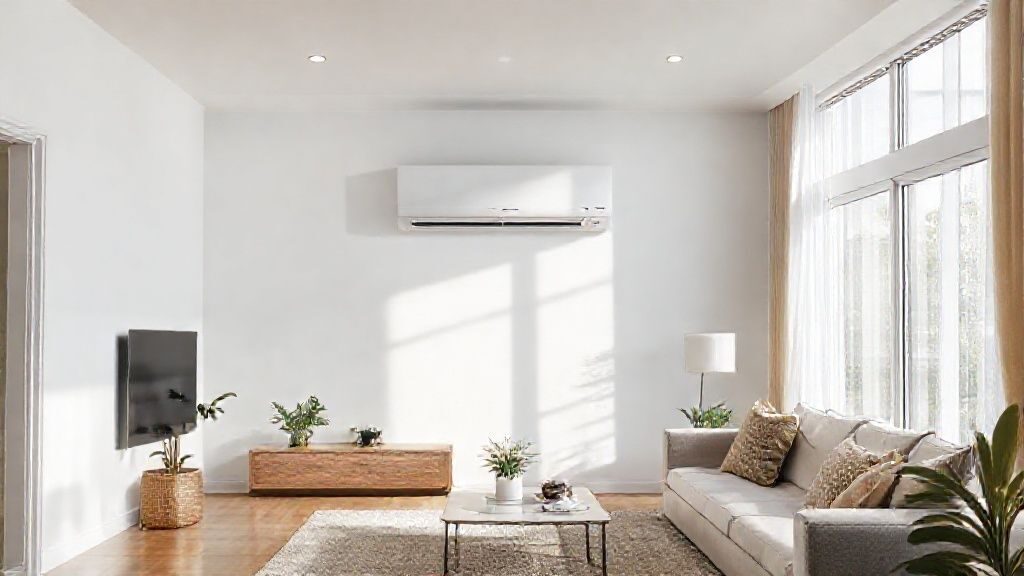
Folks often ask me about the “next big thing” in home comfort. After decades in this business, I can tell you that usually, it’s not a “next big thing” but rather a steady improvement on reliable technology. However, when it comes to flexibility, efficiency, and quiet operation, Mitsubishi split unit air conditioners are a standout. They’ve been around for a while, but their technology keeps getting better.
I remember a job out in Denver, Colorado, during a scorching summer. The homeowner had an old, clunky window unit trying to cool an entire open-concept living space. It was loud, inefficient, and barely made a dent in the heat. We swapped it out for a multi-zone Mitsubishi system, putting one sleek indoor unit in the living area and another in the master bedroom. The difference was night and day. Quiet, efficient, and they could finally enjoy their evenings without shouting over the hum of the AC. That job really drove home how effective these systems can be when correctly applied.
Key Highlights
- Mitsubishi split units offer highly efficient, quiet, and customizable heating and cooling.
- They provide zone control, allowing individual temperature settings for different areas of your home.
- Installation is often less invasive than traditional ducted systems.
- Advanced filtration improves indoor air quality.
- While initial costs can be higher, long-term energy savings often lead to a good return on investment.
What is a Mitsubishi Split Unit System?
A Mitsubishi split unit system, often called a ductless mini-split, is an HVAC system that allows you to heat and cool your home without the need for extensive ductwork. Think of it as a central air conditioner, but broken into smaller, more manageable pieces. You’ve got an outdoor unit, which contains the compressor and condenser, and one or more indoor units, which house the evaporator coil and a fan.
The term “split” comes from this separation of components. Unlike a traditional central air system where all the cooling happens at one central coil and then air is distributed through ducts, a split system delivers conditioned air directly into the space it’s serving from an indoor unit. This means fewer energy losses that can happen with leaky ducts. It’s a straightforward concept, but the engineering inside these units is what makes them so good at what they do.
These systems are incredibly versatile. They’re perfect for additions where running new ductwork would be a nightmare, for older homes that were never built with ducts, or for specific rooms that always seem to be too hot or too cold. They provide both heating and cooling because they operate as a heat pump, moving heat rather than generating it. This is a very efficient way to maintain comfort year-round.
How Mitsubishi Ductless Mini-Splits Work
Understanding how a Mitsubishi ductless mini-split works isn’t rocket science, but it helps to know the basics. As I mentioned, you have two main parts: an outdoor unit and one or more indoor units. These units are connected by a small conduit that houses the refrigerant lines, power cable, and condensate drain line.
When you want to cool your home, the refrigerant circulates between the indoor and outdoor units. The indoor unit draws in warm air from the room, and the refrigerant absorbs the heat from that air. This cooled air is then blown back into the room by the indoor unit’s fan. The now-heated refrigerant then travels to the outdoor unit, where it releases the absorbed heat into the outside air. The process reverses for heating. It’s the same basic principle as a standard air conditioner or heat pump, but packaged differently.
A key difference with Mitsubishi units, and many modern mini-splits, is the use of inverter technology. Traditional ACs cycle on and off at full blast, which uses a lot of energy. Inverter technology allows the compressor to vary its speed, continuously adjusting to the exact heating or cooling demand. This means fewer power surges, more consistent temperatures, and significantly lower energy consumption. It’s like driving your car smoothly rather than constantly slamming the gas and then the brakes.
Key Benefits of Mitsubishi Split Units
The benefits of going with a Mitsubishi split unit system are numerous, and they address many common homeowner frustrations with traditional HVAC systems. From saving money on your utility bills to enjoying a quieter home, these systems offer a compelling package.
Energy Efficiency & Cost Savings
This is where Mitsubishi truly shines. Thanks to that inverter technology I just talked about, these units are incredibly efficient. They only use the energy needed to maintain your desired temperature, rather than running at 100% all the time. This translates directly to lower utility bills. Mitsubishi systems often boast very high SEER (Seasonal Energy Efficiency Ratio) and HSPF (Heating Seasonal Performance Factor) ratings, which are measures of efficiency.
For example, you might see SEER ratings well into the 20s, which is significantly higher than many older central AC systems. Over the lifespan of the unit, those energy savings really add up. While the initial investment might be a bit more than a basic window unit or even some traditional central systems, the long-term operational costs often make them a very smart financial choice. It’s about looking at the total cost of ownership, not just the sticker price.
Quiet Operation for Enhanced Comfort
Nobody wants an air conditioner that sounds like a jet engine taking off in their living room. Mitsubishi split units are remarkably quiet. The loudest components – the compressor and condenser fan – are housed in the outdoor unit. The indoor units are designed to operate at very low decibel levels. You often have to strain to hear them running.
This quiet operation makes a huge difference in day-to-day living. You can have conversations, watch TV, or sleep peacefully without the constant hum or roar of a traditional unit. For homes where noise is a major concern, perhaps near a busy street or for bedrooms, this feature alone can be a game-changer. It’s about creating a truly comfortable and serene indoor environment.
Zone Control & Personalized Climate
One of the biggest advantages of a multi-zone Mitsubishi system is the ability to create individual comfort zones within your home. Imagine setting your living room to 72 degrees, your bedroom to 68 degrees for sleeping, and perhaps leaving a guest room off entirely when it’s not in use. With traditional central air, that’s often impossible without elaborate zoning ductwork, which adds complexity and cost.
Each indoor unit in a multi-zone system can be controlled independently with its own remote or wall thermostat. This means no more arguments over the thermostat, and no more cooling or heating unoccupied rooms. This level of personalized climate control not only enhances comfort but also contributes significantly to energy savings by not conditioning spaces that don’t need it. It’s a smart way to manage your home’s climate.
Improved Indoor Air Quality
Good air quality is more important than ever, and Mitsubishi split units contribute here too. Many models come with advanced multi-stage filtration systems that capture dust, allergens, pet dander, and even some odors and viruses. While they aren’t a replacement for a dedicated whole-home air purifier, they certainly do a better job than basic filters found in many older systems.
Some Mitsubishi units feature specialized filters that use static electricity to capture microscopic particles. Keeping these filters clean is important for performance and air quality, but the fact that the capability is built-in is a big plus. It’s another layer of protection for your home environment, especially for those with allergies or respiratory sensitivities.
Types of Mitsubishi Split Unit Systems
Mitsubishi offers a range of split unit systems to fit different needs and budgets. It’s not a one-size-fits-all situation, so understanding the options is key to making the right choice for your home.
Single-Zone Ductless Mini-Splits
This is the simplest configuration: one outdoor unit connected to one indoor unit. It’s perfect for conditioning a single room, an addition, a converted attic or garage, or even a small apartment. If you have a problem room that’s always too hot or too cold, a single-zone mini-split is often the perfect solution. They are straightforward to install and offer all the benefits of efficiency and quiet operation for that specific area.
The indoor unit can be mounted on a wall (the most common style), recessed into the ceiling, or even stand on the floor. The flexibility in indoor unit styles means you can usually find something that blends well with your decor. They are a great way to bring targeted comfort to a specific space without disrupting your entire home’s HVAC setup.
Multi-Zone Ductless Systems
When you need to condition multiple rooms or even an entire house without ductwork, a multi-zone system is the way to go. Here, one outdoor unit can connect to several indoor units – typically up to eight, depending on the model and capacity. Each indoor unit operates independently, providing that excellent zone control we talked about earlier.
This setup is ideal for larger homes, homes without existing ductwork, or homes undergoing significant renovations where adding traditional ducts isn’t feasible or desired. It allows you to tailor the comfort level in each area of your home, maximizing efficiency and comfort. It’s a powerful and flexible solution that offers a lot of control over your indoor climate.
Ducted Split Systems
While often associated with “ductless,” Mitsubishi also offers ducted split systems. These systems still feature an outdoor unit connected to an indoor unit, but the indoor unit is typically a compact air handler that connects to a minimal amount of ductwork. This ductwork is often short-run and designed for smaller areas or to replace existing limited ductwork.
A ducted split system might be a good option if you want the efficiency and quiet operation of a Mitsubishi system but prefer the look of traditional vents rather than a visible indoor wall unit. They can be installed in attics, basements, or crawl spaces, distributing conditioned air discreetly. They bridge the gap between fully ductless and traditional central systems, offering a cleaner aesthetic while still leveraging Mitsubishi’s advanced technology. It’s a great choice for those who might prefer a more traditional look while still getting the benefits of a modern heat pump. Speaking of traditional systems, understanding how does a central air conditioner work can provide a good comparison point.
Mitsubishi Split Unit Installation: What to Expect
Installing a Mitsubishi split unit system is a job for trained professionals. While it might look simpler than a full central air installation, there are critical steps that need to be done right for the system to perform efficiently and reliably. This isn’t a DIY project, and attempting it yourself can void warranties and lead to costly repairs down the line.
First, your HVAC technician will help you determine the right size and type of system for your home, based on factors like square footage, insulation, window efficiency, and climate. Proper sizing is crucial; too small, and it won’t cool effectively; too large, and it will short-cycle, leading to inefficiency and poor dehumidification.
Once the system is chosen, the installation typically involves mounting the outdoor unit on a concrete pad or wall bracket. Then, holes are drilled through the wall for the conduit that connects the indoor and outdoor units. The indoor units are mounted securely, and the refrigerant lines, electrical wiring, and condensate drain are connected. The refrigerant lines must be properly sized, insulated, and vacuumed down to remove any moisture or contaminants before charging with refrigerant. Electrical connections must meet local codes. Finally, the system is tested thoroughly to ensure proper operation and that there are no leaks.
A typical single-zone installation can often be completed in a day, while a multi-zone system might take a bit longer. Good installers will ensure minimal disruption to your home and leave the work area clean. For local services, especially if you’re looking for quality heating and cooling supply san diego ca, make sure you go with a reputable company.
Mitsubishi Split Unit Costs & ROI
Let’s talk about the money side of things. The initial cost for a Mitsubishi split unit system can vary widely depending on several factors. These include the number of zones, the capacity of the units, the complexity of the installation, and any specific features like advanced filtration. A single-zone system for one room will naturally be much less expensive than a whole-home multi-zone setup with several indoor units.
Generally, you can expect the cost to be higher than a window AC unit or a basic conventional central air system. However, don’t just look at the upfront price. The Return on Investment (ROI) for a Mitsubishi system often comes from several areas:
- **Energy Savings:** As discussed, their high efficiency means lower monthly utility bills, especially if you’re replacing an older, inefficient system. These savings accumulate year after year.
- **Increased Home Value:** A modern, efficient HVAC system can be an attractive feature for potential buyers if you ever sell your home.
- **Enhanced Comfort & Air Quality:** While not directly measurable in dollars, the improved comfort, quiet operation, and better air quality significantly enhance your living experience.
- **Eligibility for Rebates & Incentives:** Many utility companies and government programs offer rebates or tax credits for installing high-efficiency heat pump systems like Mitsubishi mini-splits. It’s always worth checking what’s available in your area.
When you factor in these elements, the higher initial cost often pays for itself over the system’s lifespan, making it a sound long-term investment in your home’s comfort and value.
Choosing the Right Mitsubishi Split System
Selecting the right Mitsubishi system for your home involves more than just picking the first one you see. It requires a bit of planning and understanding of your specific needs. Here’s what I usually advise homeowners to consider:
- **Room Size and Layout:** The most critical factor for sizing. An HVAC professional will perform a load calculation to determine the exact heating and cooling capacity needed for each room or zone. Don’t eyeball this; an undersized unit will run constantly and struggle, while an oversized one will cycle too frequently, wasting energy and failing to dehumidify effectively.
- **Number of Zones:** Do you need to condition one room, a few select rooms, or your entire house? This will dictate whether you need a single-zone or a multi-zone system.
- **Climate:** While Mitsubishi systems are excellent heat pumps, extremely cold climates might require supplemental heating or a system specifically rated for very low temperatures (Hyper-Heating H2i models). Your local climate will influence the specific model and capacity recommended.
- **Indoor Unit Style:** Mitsubishi offers wall-mounted, ceiling-cassette, floor-standing, and even concealed ducted units. Consider which style best fits your aesthetic preferences and the physical constraints of the room.
- **Budget:** Be realistic about your budget, but also remember the long-term savings. Don’t automatically go for the cheapest option if it means sacrificing efficiency or comfort.
- **Professional Advice:** Always consult with a qualified HVAC contractor. They can assess your home, recommend the optimal system configuration, and provide an accurate quote. Don’t hesitate to contact us for a quote.
Maintenance & Longevity of Your Mitsubishi Unit
Like any sophisticated piece of machinery, your Mitsubishi split unit will last longer and perform better with regular maintenance. This isn’t a “set it and forget it” type of appliance, even though it’s pretty low-maintenance compared to some other systems. Here’s what you should keep in mind:
- **Clean or Replace Filters Regularly:** This is the most important thing you can do as a homeowner. The indoor units have washable filters. I recommend checking them monthly and cleaning them every 1-3 months, depending on usage and household dust levels. Clean filters ensure good airflow, maintain efficiency, and improve air quality.
- **Keep Outdoor Unit Clear:** Ensure the outdoor unit is free from obstructions like leaves, grass clippings, or overgrown shrubs. Good airflow around the outdoor unit is crucial for its efficiency.
- **Keep Indoor Units Clean:** Periodically wipe down the exterior of the indoor units to keep them dust-free. Make sure the condensate drain pan and line are clear to prevent clogs and potential water leaks.
- **Schedule Professional Tune-Ups:** I can’t stress this enough. Have a qualified HVAC technician inspect and service your system annually (or bi-annually if you use it for both heating and cooling). They’ll check refrigerant levels, electrical connections, fan motors, and overall system operation, catching small issues before they become big, expensive problems. This routine care is key to maintaining efficiency and extending the life of your unit.
With proper care, a Mitsubishi split unit can provide reliable heating and cooling for 15-20 years, sometimes even longer. It’s a solid investment when maintained correctly. When looking for the best hvac services, prioritize companies that offer comprehensive maintenance plans for these specific systems.
Frequently Asked Questions (FAQs) about Mitsubishi Split Units
Are Mitsubishi split units expensive to run?
No, quite the opposite. Thanks to their inverter technology and high SEER/HSPF ratings, Mitsubishi split units are generally very energy-efficient, leading to lower monthly utility bills compared to many traditional HVAC systems or window units.
Can a Mitsubishi mini-split heat my home in winter?
Yes, absolutely. Mitsubishi mini-splits are heat pumps, meaning they can provide both cooling and heating. Many models, especially their Hyper-Heating H2i models, are designed to perform exceptionally well even in very cold climates, efficiently heating your home down to extremely low outdoor temperatures.
Do Mitsubishi split units require ductwork?
Most common Mitsubishi split units are “ductless” mini-splits, meaning they do not require extensive ductwork like traditional central air systems. There are also ducted split systems available that use minimal, short-run ductwork, often concealed within ceilings or walls.
How often should I clean the filters on my Mitsubishi unit?
You should check your indoor unit’s filters monthly and clean them every 1 to 3 months, depending on usage and indoor air quality. This helps maintain efficiency and good airflow.
How long do Mitsubishi mini-splits typically last?
With proper installation and regular maintenance, a Mitsubishi split unit system can last 15 to 20 years or more. Professional annual servicing plays a significant role in extending the lifespan of your unit.
Can I install a Mitsubishi mini-split myself?
While it might seem straightforward, installing a Mitsubishi mini-split is a complex job that requires specialized tools and knowledge of refrigerant handling, electrical work, and local building codes. Improper installation can lead to efficiency problems, refrigerant leaks, system damage, and can void your warranty. It’s always best to hire a qualified HVAC professional for installation.
Are mini-splits just for cooling, or can they heat too?
Mitsubishi mini-splits are heat pumps, which means they provide both heating and cooling. They work by moving heat, either out of your home for cooling or into your home for heating, making them a versatile year-round comfort solution.
Final Thoughts
After all these years, I’ve seen a lot of HVAC systems come and go. What sticks around and truly benefits homeowners are the systems that deliver reliable comfort efficiently. Mitsubishi split units fit that bill perfectly. They offer a unique blend of quiet operation, impressive energy efficiency, and the flexibility of zone control that many traditional systems just can’t match. Whether you’re looking to cool a single challenging room, heat a new addition, or modernize your entire home’s comfort system, these units are definitely worth a closer look.
Don’t just take my word for it. Do your research, understand your needs, and most importantly, get a qualified professional to assess your home. They can guide you through the options, ensure proper sizing, and provide an installation that guarantees you’ll get the most out of your investment. It’s about making a smart choice for your home’s comfort and your wallet, for years to come. Remember, while a traditional packaged unit ac might be right for some applications, a split unit offers distinct advantages in others.