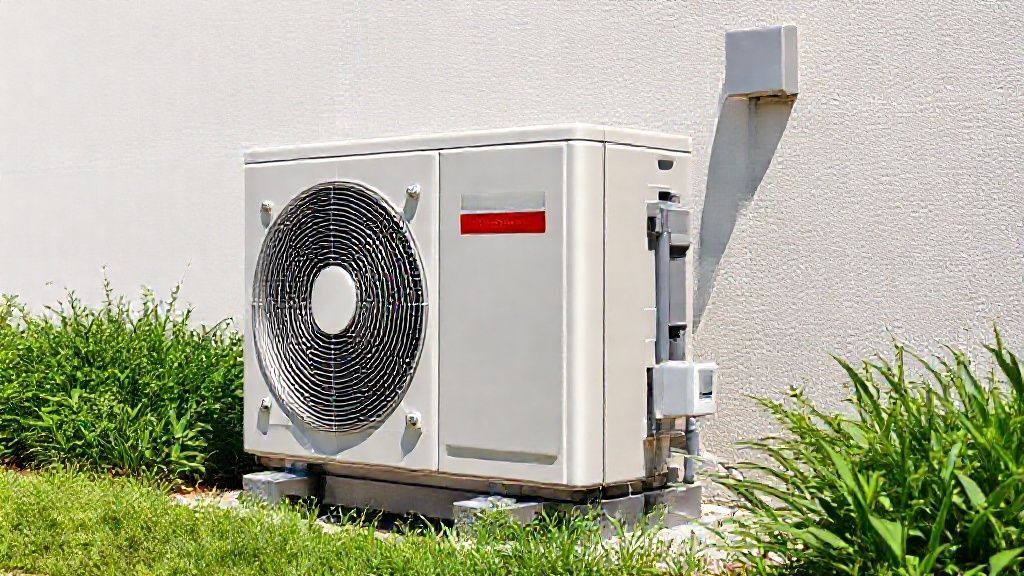
For decades, I’ve walked around countless homes and small businesses, from the dry heat of Phoenix, Arizona, to the humid swamps of Miami, Florida. One thing remains constant no matter where I am: people depend on their air conditioning. And right there, outside, often humming away quietly, is the AC condenser unit. It’s easy to overlook this part of your system, tucked away in the backyard, but without it, your home wouldn’t be cool at all. Understanding what it does and how to keep it running right can save you a lot of trouble and money.
I recall one particularly sweltering summer in Tampa. A homeowner called me because their AC simply wasn’t cutting it. Everything inside seemed fine, but the outdoor unit was choked with overgrown bushes and covered in years of accumulated dirt. A proper cleaning and clearing of the area made a world of difference, bringing the cool air back and improving efficiency immediately. It’s a common story, illustrating just how critical this outdoor component is to your indoor comfort. Let’s take a closer look at what makes your AC condenser unit tick.
Key Highlights
- The AC condenser unit is the outdoor part of your air conditioning system, responsible for releasing heat from your home.
- It contains a compressor, condenser coil, fan, and various electrical components working together.
- Regular maintenance, like cleaning coils and ensuring clear airflow, is crucial for efficiency and longevity.
- Common issues include dirty coils, refrigerant leaks, fan motor failures, and electrical problems.
- Understanding when to repair or replace can save significant costs and improve overall system performance.
What is an AC Condenser Unit?
In simple terms, the AC condenser unit is the outdoor section of your central air conditioning system. You’ll typically find it sitting on a concrete pad next to your house, often surrounded by a protective cage. Its job is crucial: to take the heat that’s been removed from inside your home and release it into the outdoor air. Without this unit, your indoor air conditioner wouldn’t be able to cool anything. It’s a heat exchanger, plain and simple, moving heat from one place to another.
People often refer to the entire outdoor unit as the “compressor,” but that’s only one component inside the condenser. The condenser unit itself houses several vital parts that work in sequence to accomplish this heat rejection. Think of it as the exhaust system for your home’s heat. Inside your house, the evaporator coil absorbs heat from the indoor air. This heat is then carried by refrigerant through a line set to the outdoor condenser unit, where it’s expelled, leaving your indoor spaces cool and comfortable. It’s a continuous cycle, and the condenser unit is at the heart of the outdoor portion of that cycle.
How Does an AC Condenser Unit Work?
The operation of an AC condenser unit is a thermodynamic dance. It starts with the refrigerant, which is a specialized chemical compound. The refrigerant enters the condenser unit as a hot, high-pressure gas, having just picked up heat from your home and been pressurized by the compressor. This is where the magic of heat transfer happens.
Here’s a step-by-step breakdown:
- Hot Refrigerant Enters: The compressor, a powerful pump within the condenser unit, compresses the refrigerant gas, significantly raising its temperature and pressure. This superheated, high-pressure gas then flows into the condenser coil.
- Heat Release: The condenser coil is a long, winding tube with many fins. As the hot refrigerant gas travels through this coil, the outdoor fan pulls cooler ambient air across the fins. This cooler air absorbs heat from the hot refrigerant. This is the moment your home’s unwanted heat is finally released to the outside.
- Condensation (Phase Change): As the refrigerant loses heat, its temperature drops, causing it to change from a hot, high-pressure gas into a warm, high-pressure liquid. This phase change is called condensation, which is how the unit gets its name.
- Refrigerant Returns: The now liquid refrigerant, still under high pressure, then moves through an expansion valve (or metering device) back to the indoor evaporator coil. The expansion valve reduces the pressure, causing the liquid refrigerant to cool down significantly, ready to absorb more heat from your indoor air and restart the cycle.
It’s a continuous, closed-loop process. The refrigerant never gets “used up” unless there’s a leak. The efficiency of this process directly impacts your cooling costs and your home’s comfort. A well-functioning condenser unit means efficient heat transfer, leading to lower energy bills and consistent cooling performance.
Key Components of an AC Condenser
An AC condenser unit, while appearing as a single box, is actually a complex assembly of several critical components. Each part plays a specific role in the heat rejection process. Understanding these components can help you grasp how the system works and what might be going wrong if it’s not performing as it should.
- Compressor: This is arguably the most vital part. It’s a motor and pump that pressurizes the refrigerant gas, increasing its temperature and driving it through the system. Without a working compressor, your AC won’t cool. It’s usually a large, cylindrical component at the bottom of the unit.
- Condenser Coil: These are the long, winding copper or aluminum tubes and the attached metal fins that wrap around the inside of the unit, usually forming a square or circular shape. This is where the actual heat exchange takes place. The fins increase the surface area, allowing more heat to be transferred to the outdoor air. Dirty or damaged coils severely hinder efficiency.
- Condenser Fan and Motor: Located at the top of the unit, the fan pulls air across the condenser coil and exhausts it upwards. This airflow is essential for carrying away the heat absorbed from the refrigerant. A malfunctioning fan motor or bent fan blades can cause the unit to overheat or operate inefficiently.
- Refrigerant Lines: These copper tubes connect the indoor evaporator coil to the outdoor condenser unit. There’s typically a larger, insulated suction line that carries cool, low-pressure gas back to the compressor, and a smaller liquid line that carries warm, high-pressure liquid to the expansion valve.
- Electrical Components: This includes the capacitor (stores energy to start the fan and compressor motors), the contactor (an electrical switch that turns the unit on and off based on the thermostat’s signal), and various wiring. Problems with these components are a common cause of units failing to start or run properly.
- Contactor: This is an electrical switch controlled by a low-voltage signal from your thermostat. When your thermostat calls for cooling, it sends a signal to the contactor, which then closes, allowing high-voltage power to flow to the compressor and fan motor.
- Service Valves: These are valves on the refrigerant lines that allow technicians to connect gauges for testing pressure and to add or remove refrigerant if necessary. They are critical for proper system diagnostics.
Types of AC Condenser Units
While the basic function remains the same, AC condenser units come in a few different types, primarily distinguished by their overall system design and how they interact with the indoor unit.
Split System Condensers
This is the most common type you’ll encounter in residential homes. In a split system, the condenser unit (with its compressor, coil, and fan) is located outside, while the evaporator coil and air handler (or furnace) are located inside, usually in a closet, attic, or basement. These two components are “split” between indoor and outdoor locations, connected by refrigerant lines and electrical wiring. Split systems are known for their efficiency and quiet operation indoors, as the noisy components are outside.
Packaged Units
Unlike split systems, a packaged unit combines all the major components of an HVAC system—the compressor, condenser coil, evaporator coil, and air handler—into a single outdoor cabinet. These units are typically installed on a concrete slab next to the building or on the roof. Ducts run directly from the packaged unit into the building. They are common in commercial buildings, mobile homes, and some smaller residential applications where indoor space for an air handler is limited. While convenient for installation, maintenance can sometimes be slightly more involved due to everything being in one large unit.
Heat Pump Condensers
A heat pump condenser unit looks identical to a standard AC condenser unit, but it has a crucial difference: it can reverse its operation. In cooling mode, it acts exactly like a standard AC condenser, releasing heat outside. In heating mode, however, the flow of refrigerant is reversed. The outdoor coil then acts as an evaporator, absorbing heat from the outside air (even cold air has some heat) and transferring it inside your home. This makes heat pumps highly efficient for both heating and cooling, especially in milder climates. When considering a heat pump, you might also look at options like how much is 2 ton capacity, as sizing is key for efficiency.
Mini-Split System Condensers (Ductless)
Mini-split systems are similar to split systems but are designed for zoned heating and cooling without ductwork. A single outdoor condenser unit can connect to one or more indoor air handler units, each controlling a specific zone or room. These are great for additions, older homes without existing ductwork, or spaces where precise temperature control is desired. The outdoor unit for a mini-split is typically smaller than a traditional split system condenser.
Common AC Condenser Problems & Troubleshooting
Over the years, I’ve seen just about every problem an AC condenser can develop. Many issues are preventable with basic maintenance, but some require a professional touch. Here are some of the most common problems:
- Unit Not Turning On: This is a frequent complaint. It could be as simple as a tripped circuit breaker, a blown fuse, or a thermostat issue. Sometimes, it’s a faulty contactor within the condenser unit not allowing power to flow.
- No Cold Air: If the unit is running but not cooling, the most likely culprits are low refrigerant levels due to a leak, a dirty condenser coil preventing heat transfer, or a failing compressor. A dirty evaporator coil indoors can also restrict heat absorption, impacting the outdoor unit’s performance.
- Loud Noises: Grinding, squealing, or rattling sounds often indicate issues with the fan motor bearings, loose fan blades hitting something, or debris caught inside the unit. A buzzing sound might point to an electrical problem like a failing capacitor or contactor.
- Frozen Coils: If you see ice on the refrigerant lines or the outdoor coil, it usually signifies a problem with airflow (dirty filter indoors or blocked outdoor coil), low refrigerant, or a malfunctioning fan. A frozen coil cannot transfer heat effectively.
- Fan Not Running: The fan at the top of the condenser unit is critical. If it’s not spinning, the unit can’t dissipate heat, leading to poor cooling and potential compressor damage. This often points to a faulty fan motor or a bad capacitor.
- Refrigerant Leaks: Refrigerant is a closed system. If your system is low on refrigerant, there’s a leak. This not only reduces cooling capacity but can also be harmful to the environment. Leaks must be found and repaired by a certified technician.
While some of these issues, like resetting a breaker, are DIY-friendly, anything involving refrigerant or complex electrical components should be handled by a qualified technician. Attempting repairs yourself could be dangerous and might void your warranty. If you’re experiencing persistent issues, it’s wise to contact us for a quote from a professional.
Maintenance Tips for Your AC Condenser Unit
Regular maintenance is not just about extending the life of your AC condenser unit; it’s about ensuring it runs efficiently, which directly translates to lower energy bills and consistent comfort. I’ve seen perfectly good units fail prematurely simply because they weren’t looked after. Here’s what you can do:
- Keep it Clean and Clear: This is number one. Annually, or even more frequently if you live in a dusty or leafy area, clear away any leaves, grass clippings, dirt, and debris from around the unit. Trim bushes and plants at least two feet away from all sides to ensure proper airflow. Blocked airflow means the unit has to work harder, using more energy and increasing wear and tear.
- Clean the Condenser Coils: Over time, dirt and grime accumulate on the outdoor coils. Turn off the power to the unit at the breaker box first. You can gently spray the coils with a garden hose to remove surface dirt. For tougher grime, specialized coil cleaners are available. Be careful not to bend the delicate fins. If the fins are bent, you can use a fin comb to straighten them gently.
- Check for Level Placement: The unit should sit on a solid, level pad. If the pad shifts or cracks over time, the unit can become uneven, which can put stress on the compressor and refrigerant lines. Re-leveling might be necessary.
- Inspect Refrigerant Lines: Look for any signs of damage or wear on the insulation around the larger refrigerant line. Properly insulated lines help maintain the refrigerant’s temperature and improve efficiency.
- Listen for Unusual Noises: Regularly pay attention to the sounds your unit makes. Any new grinding, squealing, or rattling noises could indicate a problem that’s developing. Addressing these early can prevent more significant damage.
- Schedule Professional Tune-Ups: Once a year, preferably in the spring before the peak cooling season, have a qualified HVAC technician inspect your entire system, including the condenser unit. They can check refrigerant levels, electrical connections, fan motor, compressor operation, and overall system performance. This preventive maintenance catches small issues before they become expensive breakdowns.
These simple steps can make a big difference. It’s an investment in your comfort and your wallet. For comprehensive service and to keep your system running optimally, consider professional services from the best hvac providers in your area.
When to Repair vs. Replace Your AC Condenser
This is a decision many homeowners face, and it’s not always straightforward. Deciding whether to repair your existing AC condenser or replace it entirely depends on several factors. I always advise considering the big picture.
- Age of the Unit: A typical AC condenser unit lasts 10-15 years, sometimes up to 20 with excellent maintenance. If your unit is approaching or past its tenth birthday and requires a significant repair, replacement often makes more financial sense. An older unit is likely to have other components failing soon, and its efficiency is far lower than newer models.
- Cost of Repair: If the repair cost is more than 50% of the cost of a new unit, replacement is usually the better option. Major repairs like compressor replacement can be very expensive, sometimes rivaling the price of a brand-new condenser. You might even consider the overall heating and cooling unit cost if you’re looking at a full system overhaul.
- Frequency of Repairs: If your unit has needed multiple repairs in the past few years, it’s likely a sign of a system in decline. You’ll spend less in the long run by investing in a new, reliable unit.
- Efficiency (SEER Rating): Older units often have lower SEER (Seasonal Energy Efficiency Ratio) ratings. Modern units are significantly more efficient, meaning a new condenser could drastically reduce your energy bills, offsetting a portion of the replacement cost over time. If your current unit is 10 SEER and new ones are 16 SEER or higher, the energy savings alone can be substantial.
- Refrigerant Type: If your unit uses R-22 refrigerant (often called Freon), which is being phased out, repairs involving refrigerant leaks can be costly due to the increasing price and limited availability of R-22. A new unit will use an environmentally friendly refrigerant like R-410A or R-32.
- Overall System Condition: If only the condenser is failing, but your indoor evaporator coil and furnace (if it’s a split system with a furnace) are in good condition and compatible, replacing only the outdoor condenser might be feasible. However, mismatching components can reduce efficiency, so it’s often recommended to replace both indoor and outdoor units together for optimal performance and warranty.
It’s always best to get an honest assessment from a trusted HVAC technician who can weigh these factors against your specific situation and provide clear recommendations.
Choosing the Right AC Condenser for Your Home
Selecting a new AC condenser unit involves more than just picking a brand. You need to consider several factors to ensure you get a unit that’s properly sized, efficient, and appropriate for your home and budget.
- Sizing (Tonnage): This is perhaps the most critical factor. An undersized unit won’t cool effectively, while an oversized unit will short-cycle, leading to poor humidity control and increased wear. Proper sizing requires a load calculation (Manual J calculation) based on your home’s square footage, insulation, windows, climate, and other factors. Don’t just replace with the same size; get a professional calculation.
- SEER2 Rating: The SEER2 rating indicates the energy efficiency of the unit. Higher SEER2 ratings mean greater efficiency and lower operating costs. While units with higher SEER2 ratings cost more upfront, they can provide significant energy savings over their lifespan. Minimum SEER2 ratings vary by region, but generally, look for 13-14 SEER2 as a minimum, and consider 16+ for long-term savings.
- Single-Stage, Two-Stage, or Variable-Speed:
- Single-Stage: Runs at full capacity whenever it’s on. It’s the least expensive but also the least efficient and offers less precise temperature control.
- Two-Stage: Can run at two different capacities (e.g., 70% and 100%). It’s more efficient and provides better dehumidification and comfort by running for longer periods at a lower setting.
- Variable-Speed: Can precisely adjust its output from around 30% to 100% capacity based on cooling demand. This offers the highest efficiency, best dehumidification, and most consistent comfort, though it comes at a higher initial cost.
- Brand and Warranty: Research reputable brands known for reliability and good customer service. Pay close attention to the warranty, especially on the compressor, which is the most expensive component.
- Noise Levels: Some units are quieter than others. If your condenser is close to a patio, bedroom window, or outdoor living space, a quieter unit might be a priority. Look for decibel ratings (dB).
- Compatibility with Existing System: If you’re only replacing the condenser, ensure it’s compatible with your existing indoor coil and furnace to maintain efficiency and warranty. Mismatched components can lead to poor performance.
Working with a qualified HVAC contractor is essential for making the right choice. They can perform the necessary calculations and provide options that fit your specific needs and budget. Sometimes, buying central air conditioners wholesale can also offer cost savings.
AC Condenser Unit Installation Considerations
Proper installation is just as critical as choosing the right unit. Even the best equipment will underperform or fail prematurely if installed incorrectly. Here’s what needs careful attention during installation:
- Proper Sizing and Placement: As mentioned, correct sizing is key. The unit should also be placed on a firm, level pad, ideally in a location that’s easy for future servicing, has good airflow, and isn’t directly exposed to falling debris or heavy foot traffic.
- Clearances: There must be adequate space around the unit for proper airflow. Manufacturers specify minimum clearances from walls, fences, and foliage. Restricting airflow will reduce efficiency and can lead to compressor failure.
- Refrigerant Line Installation: The refrigerant lines must be properly sized, insulated, and evacuated to a deep vacuum before charging with refrigerant. Any leaks, kinks, or moisture in the lines will severely compromise system performance and longevity.
- Electrical Wiring: The unit needs appropriate electrical power with correctly sized wiring and dedicated circuit breakers. All electrical connections must be secure and meet local codes.
- Drainage: While the condenser unit itself doesn’t produce much condensate, it’s often part of a larger system. Ensure proper drainage for the indoor evaporator coil to prevent water damage and mold growth.
- Testing and Commissioning: After installation, the technician should perform a thorough startup and testing procedure. This includes checking refrigerant charge, airflow, temperature differentials, and all electrical components to ensure the system is operating optimally and safely.
- Local Codes and Permits: Always ensure the installation complies with local building codes and that any necessary permits are obtained. This protects you as the homeowner and ensures the work meets established safety and quality standards.
An experienced and reputable HVAC installer will handle all these considerations with precision. Never underestimate the importance of professional installation; it’s the foundation of your system’s long-term performance.
FAQs About AC Condenser Units
Q: How often should I clean my AC condenser unit?
A: I recommend cleaning the condenser coils and clearing debris from around the unit at least once a year, ideally in the spring before the cooling season begins. If you live in a very dusty area, have pets that shed heavily, or a lot of foliage around, you might consider doing it twice a year.
Q: What is the normal operating temperature for an AC condenser?
A: The outdoor temperature around the condenser will be elevated above ambient air temperature when it’s running because it’s expelling heat. The refrigerant temperature inside the coil is much higher, typically ranging from 100°F to 140°F (or higher depending on the refrigerant and outdoor temperature) as it releases heat. Don’t worry if the air coming off the top feels warm; that’s exactly what it’s supposed to do.
Q: Can I run my AC if the outdoor fan isn’t spinning?
A: No, absolutely not. If the outdoor fan isn’t spinning, the condenser coil can’t dissipate heat. Running the AC in this condition will cause the compressor to overheat and likely fail, leading to a very expensive repair. Turn off your AC immediately and call a technician.
Q: Why is my AC condenser making a loud buzzing noise?
A: A loud buzzing noise can indicate several issues. It might be a failing fan motor, a faulty capacitor (which helps start the motors), or a contactor that’s stuck or burnt. It could also be a sign of the compressor struggling. It’s best to have a professional diagnose this, as electrical components can be dangerous.
Q: What does SEER2 mean, and why is it important?
A: SEER2 stands for Seasonal Energy Efficiency Ratio 2. It’s a rating that measures the efficiency of your air conditioner over an entire cooling season. A higher SEER2 rating means the unit uses less energy to produce the same amount of cooling, which translates to lower electricity bills for you. It’s an important factor when considering a new unit, as it reflects long-term operating costs.
Final Thoughts
The AC condenser unit is often out of sight, out of mind, but it’s an indispensable part of your home’s comfort system. Understanding its function, recognizing common issues, and performing routine maintenance are key to ensuring its longevity and efficiency. I’ve spent enough time in this field to know that a little proactive care goes a long way in preventing costly breakdowns.
Whether you’re dealing with a minor problem, considering an upgrade, or simply want to keep your current system running smoothly, remember that professional expertise is invaluable. Don’t hesitate to reach out to a qualified HVAC technician for diagnostics, repairs, or installation. They have the tools and knowledge to keep your AC condenser unit doing its job year after year, keeping you cool and comfortable.