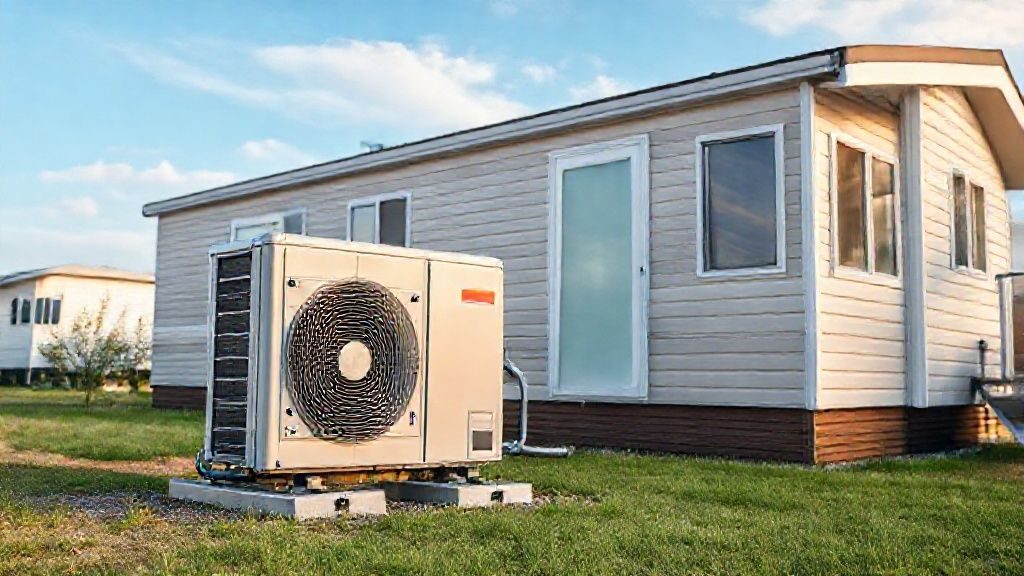
If you own a mobile home, you know they come with their own unique set of considerations. That goes for heating and cooling too. Over my decades in the HVAC field, I’ve seen just about every type of setup, from brand new installations to systems that were barely clinging to life. Mobile homes, often called manufactured homes these days, require specific attention when it comes to their air conditioning. You can’t just drop in any old AC unit and expect it to work efficiently or even safely. It takes a different approach, different equipment, and a good understanding of their construction.
I remember a particular summer job in Tampa, Florida, years ago. The heat and humidity were relentless, and I got a call about a mobile home where the AC had completely conked out. The homeowner had tried to install a standard residential unit designed for a stick-built house, thinking it would be more powerful. Not only was it oversized for the space, but it also wasn’t designed for the specific ductwork and electrical requirements of a manufactured home. We ended up having to remove it and install a proper, purpose-built mobile home AC unit. The difference in performance, efficiency, and comfort was night and day. It was a clear example of why the right unit for the right structure matters so much.
Key Highlights
- Mobile home AC units are specifically designed to meet the unique construction and ductwork of manufactured homes.
- Packaged units are the most common type for mobile homes, housing all components in one outdoor cabinet.
- Proper sizing is crucial; an undersized unit won’t cool effectively, while an oversized one leads to inefficiency and humidity issues.
- Installation often involves specialized considerations for ductwork connections, electrical supply, and foundation.
- Regular maintenance, including filter changes and coil cleaning, extends the unit’s lifespan and efficiency.
- Understanding common problems and basic troubleshooting can save you time and money on repairs.
- Costs vary based on unit type, tonnage, brand, and installation complexity.
Understanding Mobile Home AC Units: What Makes Them Different?
Let’s get straight to it. A mobile home isn’t a traditional site-built house, and its AC system reflects that. The primary difference lies in the construction. Mobile homes often have different ductwork designs, usually located within the floor or ceiling cavity, rather than in an attic or basement. This ductwork is typically smaller in diameter and sometimes less robust than what you’d find in a conventional home. Because of this, standard residential units aren’t a direct fit. They can struggle with airflow, leading to reduced efficiency and potential damage to the system over time.
Another key factor is the electrical system. Mobile homes have specific electrical wiring and panel setups that an HVAC technician needs to be familiar with. You can’t just assume a 240-volt circuit is available or that the amperage capacity is sufficient for a large, standard residential unit. Safety is paramount here, and incorrect electrical connections are a serious hazard. Mobile home AC units are engineered to integrate seamlessly with these existing electrical and ductwork systems.
Furthermore, the structural integrity of a mobile home is different. The way the unit sits on its pad, how it connects to the house, and the vibrations it might experience are all factored into the design of mobile home-specific units. They’re built to be more compact, often with a lower profile, and to handle the specific airflow characteristics required by mobile home construction. Ignoring these differences can lead to a system that’s inefficient, breaks down frequently, and ultimately costs you more in the long run.
These specialized units are built to withstand the unique environment of a manufactured home, from the way they connect to the ducting to how they sit on the ground. They are designed to deliver consistent, comfortable cooling without overworking the system or the home’s infrastructure. This focused design is why I always recommend homeowners with manufactured homes stick to units specifically labeled and designed for them.
Types of AC Units Ideal for Mobile Homes
When you’re looking at AC units for your mobile home, you’ll primarily encounter a few types, each with its own advantages. The choice often comes down to your home’s existing setup, budget, and desired efficiency.
Packaged Units
These are the most common and often the most straightforward solution for mobile homes. A packaged unit, as the name suggests, houses all the essential components – the compressor, condenser, evaporator coil, and air handler – in one single outdoor cabinet. This unit typically sits on a concrete pad next to your mobile home or sometimes on the roof, depending on the design. Air is drawn into the unit, cooled, and then sent into your home’s ductwork. Return air is pulled back to the unit to complete the cycle.
- Pros: Simpler installation since everything is in one box; no indoor evaporator coil or air handler taking up space; often designed with mobile home specific connections.
- Cons: Can be noisier than split systems since all components are outside; requires ductwork to be in good condition.
Split Systems
While less common for mobile homes than packaged units, split systems are an option, especially for larger or newer manufactured homes. A split system consists of two main parts: an outdoor condenser unit and an indoor air handler or furnace with an evaporator coil. The indoor unit is typically installed in a utility closet or an attic space, and refrigerant lines connect it to the outdoor unit. This is the same type of system you’d find in many traditional homes.
- Pros: Quieter operation indoors; often more energy-efficient models available; provides separate components that might be easier to replace individually if one fails.
- Cons: More complex installation, requiring both indoor and outdoor components to be carefully matched and installed; requires suitable indoor space for the air handler.
Ductless Mini-Split Systems
Ductless mini-splits are an excellent alternative, particularly if your mobile home doesn’t have existing ductwork, or if you’re looking to cool an addition or specific zones. These systems consist of an outdoor compressor/condenser and one or more indoor air-handling units. Each indoor unit typically cools a single room or zone, giving you precise control over temperatures. They connect to the outdoor unit via a small conduit that houses the refrigerant lines, power cable, and condensate drain.
- Pros: No ductwork needed; highly energy-efficient; allows for zone cooling, meaning you only cool the rooms you’re using; quieter operation.
- Cons: Higher upfront cost per zone compared to a single central unit; indoor units are visible on walls or ceilings; may not provide whole-home cooling as efficiently as a central system for larger homes.
The right choice really depends on your specific needs. Most mobile homes were built with packaged units in mind, so if you’re replacing an old system, a new packaged unit designed for mobile homes is often the most straightforward and cost-effective solution.
Proper Sizing Your Mobile Home AC Unit: Avoiding Common Mistakes
This is where a lot of people go wrong, and it’s a critical step. An AC unit isn’t a one-size-fits-all appliance. Proper sizing is absolutely essential for both comfort and efficiency. An undersized unit will run constantly, never quite cooling your home to a comfortable temperature, and driving up your energy bills. An oversized unit, on the other hand, will cool your home too quickly, cycling on and off frequently. This “short cycling” doesn’t allow the system to run long enough to effectively remove humidity, leaving your home feeling clammy and uncomfortable, even if the temperature is low. It also puts undue stress on the compressor, shortening the unit’s lifespan.
Sizing isn’t just about square footage. There are many factors at play. Here’s what needs to be considered:
- Climate Zone: A mobile home in Arizona will need more cooling power than one in Michigan.
- Insulation Levels: How well is your mobile home insulated? Older mobile homes often have less insulation than newer ones, requiring more cooling capacity.
- Window Quality and Orientation: Single-pane windows let in a lot of heat. South-facing windows, especially without proper shading, also contribute significantly to heat gain.
- Ceiling Height: Taller ceilings mean more air volume to cool.
- Number of Occupants: People generate body heat, so more occupants mean more heat gain.
- Heat-Generating Appliances: Ovens, computers, and other electronics all add heat to your home.
- Ductwork Condition: Leaky or poorly insulated ductwork can lose a significant amount of cooled air before it ever reaches your living space.
The industry standard for accurate sizing is called a Manual J load calculation. This isn’t something you can eyeball. A qualified HVAC technician uses software and specific measurements of your home to perform this calculation. It accounts for all the factors mentioned above to determine the precise cooling load your home requires, expressed in British Thermal Units (BTUs) or tons (1 ton equals 12,000 BTUs).
For a rough estimate, a general rule of thumb for mobile homes is often around 1 ton of AC capacity for every 400 to 500 square feet, but this is a very loose guideline and shouldn’t replace a professional calculation. Remember, getting this wrong is one of the most common and costly mistakes. Don’t skip the professional sizing step. You can get a better understanding of how tonnage relates to home size by checking out resources like this one on how many ton hvac do i need.
Key Considerations Before Installing a Mobile Home AC System
Once you’ve decided on the type of unit and had it properly sized, there are several practical considerations to address before installation begins. These aren’t just minor details; they can impact the performance, safety, and longevity of your system.
Ductwork Inspection and Sealing
As I mentioned, mobile home ductwork can be unique. Before installing a new AC unit, it’s critical to have your existing ductwork thoroughly inspected. Look for leaks, disconnected sections, or damage. Mobile homes often have ductwork run underneath the floor, making it susceptible to damage from rodents or moisture. Leaky ducts can waste a significant amount of conditioned air, making your new, efficient AC unit perform poorly. Sealing and insulating your ducts where accessible can dramatically improve your system’s efficiency and your home’s comfort. If your ducts are in particularly bad shape, you might even need to consider replacing sections or the entire system, especially if you’re upgrading to a higher efficiency unit.
Electrical Requirements
Verify that your mobile home’s electrical panel can handle the new AC unit. Different units have different amperage requirements. An older mobile home might need an electrical service upgrade to safely power a modern, higher-capacity AC unit. This is a job for a licensed electrician who understands mobile home electrical systems. Never try to cut corners here; electrical issues are not only dangerous but can also void warranties or lead to system failures.
Foundation and Pad Placement
Packaged units need a stable, level concrete pad for placement. Ensure the ground is firm and properly prepared to prevent the unit from settling or becoming uneven over time, which can stress refrigerant lines and other components. The pad should be large enough to accommodate the unit and allow for adequate airflow and service access. For split systems, the outdoor condenser also needs a stable pad, and the indoor unit needs secure mounting within the home.
Permits and Local Codes
Always check with your local municipality for any necessary permits before starting an HVAC installation. Mobile home installations, in particular, can have specific codes. Permitting ensures that the work is done safely and meets all local regulations. Skipping permits can lead to fines, difficulties selling your home, or even being required to tear out and redo work.
Insulation Levels
While not directly an AC installation step, improving your mobile home’s insulation before installing a new AC can significantly reduce your cooling load and allow for a smaller, more efficient unit. Adding insulation to walls, ceilings, and floors (if accessible) can make a big difference in how well your AC performs and how much you spend on energy bills. It’s a worthwhile investment to consider alongside a new AC unit.
Mobile Home Specific Units
I can’t stress this enough: for central air, choose a unit specifically designed for mobile homes. These units are engineered with the unique characteristics of manufactured homes in mind, from their plenum dimensions to their electrical connections. Trying to adapt a standard residential unit is usually a headache, often inefficient, and sometimes unsafe. Many manufacturers produce lines specifically for mobile homes. You might even find options for a 120v split unit if you have specific electrical limitations or needs.
Maintenance Tips to Maximize Your Mobile Home AC’s Lifespan
You’ve invested good money in your mobile home AC unit, so let’s make sure it lasts. Regular maintenance isn’t just about preventing breakdowns; it’s about keeping your system running efficiently, saving you money on energy bills, and ensuring consistent comfort. Think of it like changing the oil in your car – it’s a small effort that prevents bigger problems down the road.
Change Air Filters Regularly
This is the simplest and most important task you can do. A dirty air filter restricts airflow, making your unit work harder to pull air through, which reduces efficiency and can lead to coil freeze-ups or even compressor failure. Check your filter monthly, especially during peak cooling season. Depending on your filter type and household conditions (pets, allergies), you might need to change it every 1-3 months. Good airflow is key to AC health.
Keep the Outdoor Unit Clean
Your outdoor unit, whether it’s a packaged unit or the condenser of a split system, needs to breathe. Keep the area around it clear of grass, weeds, leaves, and debris. Trim back any shrubs or plants at least two feet in all directions. Once or twice a year, gently clean the outdoor coils with a soft brush and rinse them with a garden hose (make sure the power is off first). This removes dirt and grime that can insulate the coils, hindering their ability to dissipate heat.
Check the Condensate Drain Line
The condensate drain line removes moisture (humidity) from your home. Over time, algae and mold can build up, causing blockages. If the drain line clogs, water can back up, potentially causing leaks and water damage, or even shutting down your unit as a safety measure. You can often clear minor blockages by pouring a cup of distilled vinegar down the access port of the drain line a few times a year. If you notice standing water around your indoor unit or the outside drain pipe, you likely have a clog.
Don’t Forget the Indoor Coils
While often part of a professional tune-up, keeping indoor evaporator coils clean is vital for efficiency. Dirty coils lose their ability to absorb heat from your home’s air effectively. This isn’t usually a DIY task unless you’re very comfortable with HVAC maintenance, as the coils are often enclosed. A professional will have the right tools and cleaning agents to do this safely and thoroughly.
Schedule Annual Professional Tune-Ups
Even with diligent DIY maintenance, your AC unit needs a professional check-up once a year, ideally in the spring before cooling season kicks in. A certified technician will do much more than just clean the coils. They’ll check refrigerant levels, inspect electrical connections, lubricate moving parts, calibrate the thermostat, and identify potential issues before they become expensive breakdowns. This preventative maintenance is one of the best ways to ensure peak performance, extend the life of your unit, and maintain your warranty.
Common Mobile Home AC Unit Problems & Troubleshooting
Even with the best maintenance, things can go wrong. Knowing some common issues and basic troubleshooting steps can often save you a service call, or at least help you describe the problem more accurately to a technician. Always remember to turn off the power to your unit at the thermostat and the breaker box before performing any hands-on inspection or repair.
Unit Not Turning On At All
- Check the Thermostat: Is it set to “Cool” and below the current room temperature? Are the batteries dead?
- Check Circuit Breakers: Go to your electrical panel and look for tripped breakers (usually half-way between on and off). Reset them. If they trip again immediately, there’s a serious electrical issue requiring a professional.
- Check the Disconnect Switch: There’s often a small electrical disconnect box near the outdoor unit. Make sure it’s in the “On” position.
AC Running, But Not Cooling
- Dirty Air Filter: As discussed, a clogged filter severely restricts airflow. Change it.
- Dirty Outdoor Coils: If the condenser coils are caked with dirt, they can’t release heat efficiently. Clean them carefully.
- Frozen Evaporator Coil: If your indoor unit (or the indoor part of your packaged unit) is covered in ice, it means airflow is restricted (usually a dirty filter) or refrigerant levels are low. Turn off the AC, switch the fan to “On” (if available) to help melt the ice, and call a professional once it’s thawed. Never run an AC with a frozen coil.
- Low Refrigerant: This is a job for a professional. If you suspect low refrigerant, do not attempt to add it yourself. It indicates a leak that needs to be located and repaired, not just topped off.
Unit is Blowing Warm Air
- Thermostat Setting: Double-check it’s set to “Cool.” Seems obvious, but it happens.
- Tripped Breaker for Outdoor Unit: Sometimes the breaker for the outdoor compressor can trip, while the indoor fan continues to run. Check your panel.
- Compressor Failure: If the outdoor unit isn’t running or is making unusual noises, the compressor might be faulty. This requires professional diagnosis and repair.
Water Leaking Around the Unit
- Clogged Condensate Drain Line: This is the most common cause. Clear the drain line.
- Frozen Evaporator Coil: When the ice melts, it can overflow the drain pan. Fix the underlying cause (dirty filter, low refrigerant).
Strange Noises or Smells
- Squealing/Grinding: Often indicates a problem with a fan motor bearing. Turn off the unit and call a technician.
- Hissing/Bubbling: Could be a refrigerant leak. Call a professional immediately.
- Burning Smell: Turn off the unit immediately and call an HVAC technician or electrician. This could be an electrical issue.
- Musty Smell: Often indicates mold or mildew in the ductwork or on the evaporator coil, possibly due to a clogged drain line. Cleaning may be required.
For more complex issues, or if you’re uncomfortable with troubleshooting, it’s always best to call a qualified HVAC technician. Attempting repairs beyond your skill level can lead to further damage or injury. If you ever need to arrange for a technician or want to learn more about options, you can contact us for a quote on services.
Cost of Mobile Home AC Units: What to Expect
The cost of a mobile home AC unit isn’t a single, fixed number. It varies quite a bit depending on several factors. Understanding these can help you budget and make an informed decision.
Unit Type and Tonnage
As we discussed, packaged units, split systems, and mini-splits all have different price points. Packaged units for mobile homes typically range from 2 to 5 tons. Generally, the higher the tonnage (cooling capacity), the higher the unit cost. Mini-splits, while efficient, can have a higher per-zone cost if you’re installing multiple indoor units.
Brand and Efficiency (SEER Rating)
Like any appliance, different brands offer different price tiers. Premium brands might cost more but often come with better warranties and features. The Seasonal Energy Efficiency Ratio (SEER) rating is a key factor. Higher SEER units (e.g., SEER 14 or above) are more energy-efficient, meaning lower monthly utility bills, but they have a higher upfront cost. It’s a balance between initial investment and long-term savings. The minimum SEER rating for new AC units varies by region, so always check local requirements.
Installation Complexity
This is where costs can really fluctuate. Factors influencing installation cost include:
- Existing Ductwork: If your mobile home’s ductwork is old, damaged, or needs extensive modifications, that will add to the cost. Replacing or significantly repairing ductwork can be a significant expense.
- Electrical Upgrades: If your mobile home needs electrical panel upgrades or new wiring to accommodate the AC, that will be an additional cost.
- Site Preparation: Building a new concrete pad, clearing vegetation, or improving access for the installers can add to labor costs.
- Removal of Old Unit: Disposing of your old unit is often included, but it’s worth confirming.
- Permits: As mentioned, local permits are necessary and come with a fee.
Geographic Location
Labor costs for HVAC technicians vary significantly across different regions and states. What you pay for installation in a high-cost-of-living area will be more than in a rural area.
Additional Features and Warranties
Some units come with advanced features like variable-speed compressors, smart thermostat compatibility, or enhanced air filtration. These features add to the unit’s cost. Extended warranties, while an extra upfront expense, can provide peace of mind for many years.
As a rough estimate, a new packaged mobile home AC unit, including installation, can range anywhere from $3,500 to $7,500 or more. This is a very broad range, and your specific situation will dictate the final price. Always get multiple quotes from reputable, licensed HVAC contractors. Make sure the quotes are detailed, breaking down the cost of the unit, labor, materials, and any additional work like duct repair or electrical upgrades. Never go with the cheapest bid without thoroughly vetting the contractor and understanding what’s included.
FAQ
Q: Can I use a regular home AC unit for my mobile home?
A: While it might technically fit, it’s not recommended. Mobile home AC units are specifically designed to work with the unique ductwork and electrical systems found in manufactured homes. Using a standard unit can lead to poor performance, reduced efficiency, damage to your system, and potential safety hazards. Always opt for units explicitly designed for mobile homes.
Q: How often should I change my mobile home AC filter?
A: You should inspect your air filter monthly and plan to change it every 1 to 3 months. If you have pets, allergies, or live in a dusty environment, you might need to change it more frequently. A clean filter is crucial for efficient operation and good indoor air quality.
Q: What’s the typical lifespan of a mobile home AC unit?
A: With proper installation and regular maintenance, a mobile home AC unit can typically last between 10 to 15 years. Factors like climate, usage frequency, and the quality of the unit can influence this lifespan. Annual professional tune-ups are key to getting the most years out of your system.
Q: My mobile home AC unit is making a strange noise. What should I do?
A: First, turn off the unit at the thermostat and the breaker. Different noises indicate different problems. A squealing noise might suggest a belt issue, while a grinding sound could be a motor bearing. Hissing or bubbling might point to a refrigerant leak. It’s best to call a qualified HVAC technician to diagnose and safely repair the issue.
Q: Is it worth repairing an old mobile home AC unit, or should I replace it?
A: This depends on the age of the unit, the cost of the repair, and the unit’s efficiency. If your unit is older than 10 years, frequently breaks down, or the repair cost is more than 30-50% of the cost of a new unit, replacement is often the more economical long-term choice. Newer units are significantly more energy-efficient, offering substantial savings on utility bills over time. A professional technician can help you weigh the pros and cons.
Q: Can I install a mobile home AC unit myself?
A: Installing an AC unit is a complex job that involves electrical work, refrigerant handling, ductwork connection, and proper sizing and calibration. These tasks require specialized tools, knowledge, and certifications. Improper installation can be dangerous, void warranties, and lead to an inefficient or malfunctioning system. I always recommend hiring a licensed and experienced HVAC professional for installation.
Q: Do mobile home AC units need a special thermostat?
A: Most modern, low-voltage thermostats are compatible with mobile home AC systems. However, some older mobile homes might have unique wiring. It’s best to consult with your HVAC technician to ensure thermostat compatibility, especially if you’re considering a smart thermostat.
Final Thoughts
Getting the right air conditioning for your mobile home isn’t just about beating the heat; it’s about comfort, efficiency, and safety. These homes have specific needs that require specific solutions, and trying to force a standard residential unit into place usually leads to headaches and wasted money. From choosing the correct packaged unit to ensuring proper sizing and diligent maintenance, every step plays a role in how well your system performs.
Don’t underestimate the value of professional expertise. A good HVAC technician understands the nuances of mobile home systems, ensuring your installation is done right the first time and that your unit operates at peak efficiency for years to come. Investing in a properly installed and maintained mobile home AC unit is an investment in your comfort and your energy savings. If you want to dive deeper into HVAC topics, I recommend you read our blog for more insights and tips.