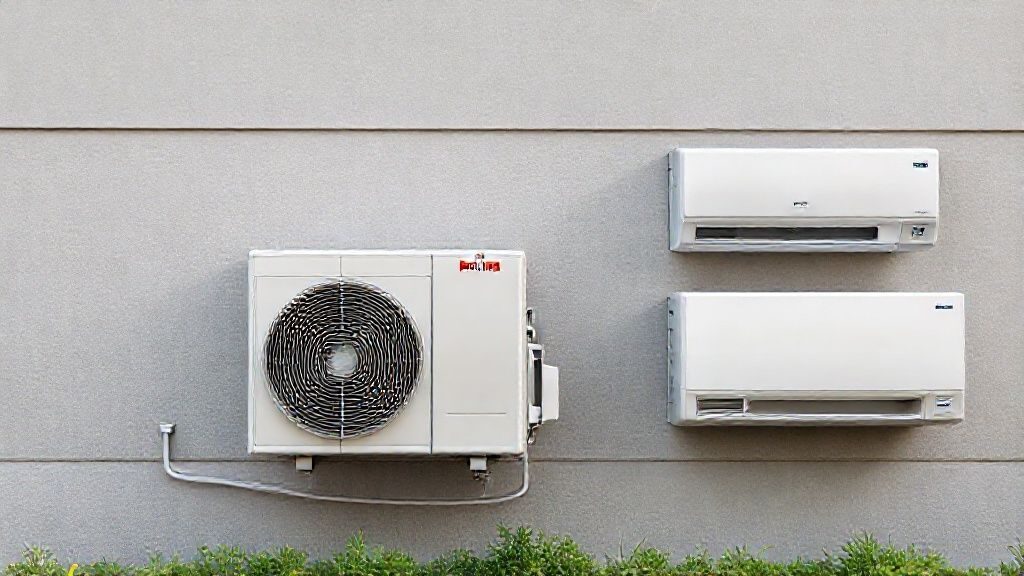
After decades in the HVAC field, I’ve seen just about every heating and cooling setup imaginable. From the sweltering heat of a Tampa summer to the bitter cold of a Denver winter, homeowners are always looking for reliable comfort. One solution that consistently impresses me with its versatility and efficiency is the mini split system, especially when we start talking about multi-zone setups.
I remember a homeowner in Tampa, Florida, who had a traditional central AC unit struggling to cool their sprawling, single-story home. They had one room that was always an oven and another that was perpetually chilly, despite the thermostat being set to a comfortable temperature. Their utility bills were through the roof because they were trying to cool the entire house just to make one corner bearable. After evaluating their needs, I recommended a Mitsubishi 2 zone mini split system. We installed one indoor unit in their sunniest living room and another in their master bedroom. The difference was night and day. They were finally comfortable, and their energy consumption dropped significantly. It’s stories like that which show why these systems are so effective.
Key Highlights
- Personalized Comfort: Enjoy individual temperature control in two distinct areas of your home.
- Energy Efficiency: Mitsubishi’s INVERTER technology provides significant savings on utility bills.
- Quiet Operation: Both indoor and outdoor units are designed for minimal noise.
- Flexible Installation: No ductwork needed, making it ideal for additions, renovations, or homes without existing ducts.
- Heating & Cooling: Provides year-round comfort with heat pump technology.
- Improved Air Quality: Advanced filtration systems help keep your indoor air cleaner.
What is a Mitsubishi 2 Zone Mini Split System?
When I talk about a Mitsubishi 2 zone mini split system, I’m referring to an HVAC setup that can independently heat or cool two separate areas, or “zones,” of your home using a single outdoor condensing unit. Unlike traditional central air conditioning that uses extensive ductwork to distribute air from one central unit, a mini split system works without ducts. It uses refrigerant lines and electrical wiring to connect one outdoor unit directly to two indoor air handling units. Each indoor unit controls the temperature in its specific zone. This means you can have your living room at one temperature and your bedroom at another, simultaneously, without impacting the other zone. It’s all about targeted comfort and efficiency, giving you control where you need it most. These systems are especially popular in homes where adding or extending ductwork would be impractical or too expensive, such as older homes, additions, or converted spaces like attics or basements.
The beauty of a 2 zone system is its ability to adapt to your lifestyle. If you’re only using your living room during the day and your bedroom at night, you don’t need to heat or cool the entire house to a single temperature. You can simply condition the space you’re actively using. This intelligent zoning capability is a cornerstone of what makes mini splits, particularly Mitsubishi models, stand out in the HVAC market. Mitsubishi has a long-standing reputation for reliability and innovation in these systems, which is why I often recommend them. They are engineered to provide precise temperature control, ensuring maximum comfort with minimum energy waste.
How Do 2 Zone Mini Splits Work?
Let’s break down how these systems actually get the job done. A Mitsubishi 2 zone mini split operates on a straightforward principle, similar to a refrigerator or a standard air conditioner, but with a few key differences that allow for zoning and greater efficiency. At the heart of it, you have three main components: one outdoor condensing unit and two indoor air handler units. These three units are connected by a small bundle of lines containing refrigerant tubing, a condensate drain line, and electrical communication wires. These lines are relatively small and only require a small hole drilled through the wall, typically around 3 inches in diameter.
The outdoor unit contains a compressor and condenser coil. This unit is responsible for either releasing heat from your home (during cooling mode) or absorbing heat from the outside air (during heating mode). Yes, even when it’s cold outside, there’s heat to be extracted from the air, and that’s the magic of a heat pump. The refrigerant circulates between the outdoor unit and the indoor units. In cooling mode, the indoor units absorb heat and humidity from the air in their respective zones, transferring it via the refrigerant to the outdoor unit, which then dissipates it outside. In heating mode, the process reverses: the outdoor unit extracts heat from the outside air, and the indoor units release that heat into your home.
Each indoor unit has its own fan, evaporator coil, and thermostat control. This independent control is what enables the “2 zone” functionality. You can set each indoor unit to a different temperature, fan speed, or mode (heating, cooling, fan only, dry) without affecting the other zone. This precise control is thanks to Mitsubishi’s advanced INVERTER technology, which allows the compressor in the outdoor unit to vary its speed. Instead of simply turning on or off like older, single-stage units, the INVERTER compressor can ramp up or down to precisely meet the demand of the two zones, leading to much greater energy efficiency and more consistent temperatures. This makes them extremely effective heating air conditioners, providing year-round comfort. It’s a smart, responsive system that only uses the energy it needs, when it needs it, for each specific area.
Benefits of a Mitsubishi 2 Zone Mini Split
From my perspective, having worked with countless homeowners, the benefits of a Mitsubishi 2 zone mini split system are pretty clear-cut. They address several common problems people face with their home comfort.
- Zoned Comfort: This is, without a doubt, the biggest advantage. You get to customize the temperature in two separate areas of your home. Imagine having your home office at a brisk 70°F while your baby’s nursery stays a cozy 74°F, all at the same time. No more fighting over the thermostat, and no more wasted energy heating or cooling unoccupied rooms to the same level as occupied ones.
- Energy Efficiency: Mitsubishi systems are renowned for their efficiency, largely due to that INVERTER technology I mentioned. By only using the energy necessary to maintain the set temperature in each zone, and by avoiding the energy losses associated with leaky ductwork, these systems can significantly reduce your utility bills. Their high SEER (Seasonal Energy Efficiency Ratio) and HSPF (Heating Seasonal Performance Factor) ratings are a testament to this efficiency.
- Quiet Operation: Nobody wants a noisy HVAC system interrupting their peace. Mitsubishi mini splits are designed to be incredibly quiet. Both the indoor and outdoor units operate at very low decibel levels, often quieter than a whisper, so you’ll barely notice them running. This is a huge plus, especially for bedrooms or home offices.
- Flexible Installation: Since there’s no need for extensive ductwork, installation is much less invasive than a traditional central system. This makes mini splits perfect for older homes that don’t have ducts, new additions, garage conversions, or even just problematic rooms that are difficult to heat or cool. The indoor units come in various styles – wall-mounted, ceiling cassette, or floor-standing – so you can pick what best fits your aesthetic and space.
- Year-Round Comfort: These aren’t just air conditioners. Most Mitsubishi mini splits are heat pumps, meaning they provide both efficient cooling in the summer and effective heating in the winter. This dual capability makes them a comprehensive, year-round climate control solution.
- Improved Air Quality: Many Mitsubishi indoor units come equipped with advanced multi-stage filtration systems that can capture allergens, dust, viruses, and bacteria, contributing to cleaner, healthier indoor air. This is a benefit that often gets overlooked but is very important for many homeowners.
These benefits combine to offer a superior level of comfort and control that traditional systems often struggle to match, especially for homes with diverse heating and cooling needs across different zones.
Key Components of a Mitsubishi 2 Zone System
To understand how a 2 zone mini split system delivers that personalized comfort, it helps to know what pieces make up the puzzle. There are several key components that work together seamlessly:
- Outdoor Condenser Unit: This is the workhorse of the system. It contains the compressor, condenser coil, and fan. For a 2 zone system, this single outdoor unit has the capacity to handle the heating and cooling load of two separate indoor units. It’s typically installed on a concrete pad or mounted to a sturdy wall outside your home. The INVERTER technology in Mitsubishi’s outdoor units allows the compressor speed to modulate, ensuring energy efficiency and precise temperature control for both zones.
- Indoor Air Handler Units (2 of them): These are the units you see inside your home, one for each zone. Mitsubishi offers a variety of styles to suit different aesthetics and installation needs:
- Wall-Mounted: These are the most common type, installed high on a wall. They are sleek, unobtrusive, and come in various sizes and designs.
- Ceiling Cassette: These units are recessed into the ceiling, with only a decorative grille visible. They distribute air in four directions for even coverage and are very discreet.
- Floor-Standing: Designed to sit on the floor, similar to a traditional radiator, these are great for rooms with low wall space or in colder climates where floor-level heat is desired.
- Ducted (Concealed): While mini splits are generally ductless, Mitsubishi also offers compact ducted units that can be concealed in an attic or ceiling and connect to very short duct runs to serve a small area. This gives you the benefits of a mini split with the aesthetics of central air.
Each indoor unit contains an evaporator coil, a fan, and a filter, all designed to quietly condition the air in its specific zone.
- Refrigerant Lines (Line Sets): These insulated copper tubes connect the outdoor unit to each indoor unit. They transport the refrigerant, which is the substance that absorbs and releases heat, circulating it between the indoor and outdoor coils. Each indoor unit will have its own set of refrigerant lines running back to the outdoor unit.
- Electrical Wiring: Power cables run from your home’s main electrical panel to the outdoor unit, and then communication wires connect the outdoor unit to each indoor unit. These communication wires allow the thermostats in the indoor units to signal the outdoor unit to adjust its operation based on the temperature demands of each zone.
- Condensate Drain Lines: When an indoor unit cools the air, it also removes humidity. This moisture collects as condensate and needs to be drained away. Small PVC or flexible hoses run from each indoor unit, typically alongside the refrigerant lines, to safely drain this water outside or into an existing drain system.
- Remote Controls/Thermostats: Each indoor unit comes with its own wireless remote control, allowing you to easily adjust settings for that specific zone. Many systems also offer wired wall-mounted thermostats and even smartphone app control for greater convenience, allowing you to manage your comfort from anywhere.
Understanding these components helps you appreciate the integrated design and functionality that allows a Mitsubishi 2 zone system to provide such precise and efficient comfort.
Installation Considerations for Your 2 Zone Mini Split
Proper installation is crucial for the long-term performance and efficiency of any HVAC system, and a Mitsubishi 2 zone mini split is no exception. While mini splits are often considered easier to install than ducted systems, there are still several key considerations that a professional installer will address to ensure everything works as it should.
- Sizing the System: This is the first and most critical step. You can’t just guess. An experienced technician needs to perform a load calculation (often called a Manual J calculation) for each zone. This calculation takes into account factors like square footage, ceiling height, insulation levels, window types and sizes, sun exposure, and the number of occupants in each space. An undersized system won’t effectively heat or cool, while an oversized system will cycle on and off too frequently, reducing efficiency and potentially leading to humidity issues. Getting this right ensures your system performs optimally.
- Location of Indoor Units: Where you place the indoor air handlers matters for both performance and aesthetics. They should be mounted on an exterior wall if possible, or an interior wall if drainage and line set routing are manageable. They need to be positioned to allow for good airflow distribution throughout the zone they serve, avoiding obstructions. We also consider clearances from ceilings and corners.
- Location of Outdoor Unit: The outdoor condenser needs to be placed on a solid, level surface – either a concrete pad or a sturdy mounting bracket on an exterior wall. It should be easily accessible for maintenance but also in a location that minimizes noise disruption to your living spaces or neighbors. Adequate clearance around the unit is necessary for proper airflow. Also, we try to minimize the length of the refrigerant lines, as excessively long runs can impact efficiency.
- Line Set Routing: The refrigerant lines, electrical wiring, and condensate drain lines need to run from each indoor unit to the outdoor unit. This often involves drilling a small hole (usually 2.5-3 inches) through the wall behind the indoor unit. The lines can be run discreetly inside walls, through an attic or crawl space, or externally along the house, often covered by a protective line set cover for a cleaner appearance. Proper insulation of these lines is vital.
- Electrical Requirements: Mitsubishi mini splits require dedicated electrical circuits. The outdoor unit typically requires a 208/230V connection, and each indoor unit also draws power, though less. An electrician will ensure your home’s electrical panel can handle the load and install the appropriate circuit breakers and wiring according to local codes.
- Condensate Drainage: The condensate collected by the indoor units must drain away properly. This usually involves gravity drainage to the outside or connecting to an existing drain line. If gravity drainage isn’t possible, a small condensate pump might be necessary. Ensuring the drain lines are properly sloped and free of obstructions is critical to prevent water damage or mold growth.
Working with a certified Mitsubishi installer is crucial for navigating these considerations. They have the training and experience to ensure your system is installed correctly, safely, and efficiently. If you’re considering a new installation, don’t hesitate to contact us for a quote. For more technical details on installation, you can even review documents like the installing mitsubishi heat pump instructions, which provide a lot of insight into the process.
Choosing the Right Mitsubishi 2 Zone System for Your Home
Selecting the right Mitsubishi 2 zone system isn’t a one-size-fits-all situation. It requires careful consideration of your specific home, your comfort needs, and your budget. Here’s what I typically walk homeowners through:
- Accurate BTU Sizing: As I mentioned under installation, proper sizing is paramount. Each of your two zones will have a specific heating and cooling load, measured in BTUs (British Thermal Units). An HVAC professional will conduct a detailed load calculation to determine the required BTU capacity for each indoor unit and the overall capacity for the outdoor unit. It’s not just about square footage; insulation, windows, ceiling height, and even the number of people in a room all play a role. Getting this wrong can lead to inefficiency, discomfort, and premature equipment wear.
- Indoor Unit Types and Aesthetics: Mitsubishi offers a variety of indoor unit styles. Consider which type best fits each zone:
- Wall-mounted units are the most common and cost-effective. They work well in most rooms, provided you have adequate wall space high up.
- Ceiling cassettes are excellent for a discreet look, as they blend into the ceiling. They’re often chosen for living rooms or commercial spaces where aesthetics are a priority, but they require sufficient attic or ceiling joist space for installation.
- Floor-standing units can be a good choice for conservatories, rooms with limited wall space, or in colder climates where heat rising from the floor is desirable.
- Concealed-ducted units are for those who want the ductless technology but prefer the look of traditional vents. They require some space in an attic or drop ceiling for the short duct runs.
Think about how each unit will look in your space and how it will distribute air.
- Efficiency Ratings (SEER, EER, HSPF): Pay attention to the Seasonal Energy Efficiency Ratio (SEER) for cooling, Energy Efficiency Ratio (EER) for cooling at peak temperatures, and Heating Seasonal Performance Factor (HSPF) for heating. Higher numbers indicate greater efficiency, which translates to lower operating costs. Mitsubishi systems generally have very high ratings, often exceeding minimum efficiency standards by a significant margin. If you’re in a region with very hot summers or cold winters, prioritizing these ratings can save you a lot of money over the system’s lifespan.
- Features and Controls: Consider what features are important to you. Do you want advanced air filtration? Wi-Fi connectivity for smartphone control? Intelligent sensors that detect occupancy or adjust airflow based on hot spots? Mitsubishi offers a range of options that can enhance comfort and convenience. Each indoor unit typically comes with its own remote, but central control options and integration with smart home systems are also available.
- Professional Assessment: The best way to choose the right system is to consult with a qualified HVAC contractor. They can visit your home, assess your specific needs, perform the necessary calculations, and recommend the optimal Mitsubishi 2 zone configuration. They’ll also provide a detailed quote and explain the installation process. Don’t try to piece this together yourself; an expert’s eye is invaluable here.
Taking the time to consider these factors will ensure you invest in a Mitsubishi 2 zone mini split system that perfectly matches your home and provides comfortable, efficient heating and cooling for years to come.
Understanding Mitsubishi 2 Zone Mini Split Costs
When you’re looking into a Mitsubishi 2 zone mini split, one of the first questions on your mind is naturally going to be about cost. It’s not a simple answer, as several factors influence the final price, but I can break down what typically goes into the total investment.
- Equipment Cost: This is the price of the actual Mitsubishi components – the outdoor condenser unit and the two indoor air handler units. The cost varies significantly based on:
- Capacity (BTUs): Larger capacity units to heat/cool bigger spaces will cost more.
- Efficiency Ratings: Systems with higher SEER and HSPF ratings, while more energy-efficient in the long run, often have a higher upfront equipment cost.
- Indoor Unit Type: Wall-mounted units are generally the most affordable. Ceiling cassettes or concealed ducted units tend to be more expensive due to their design and often more complex installation.
- Features: Advanced features like Wi-Fi connectivity, specialized filtration, or more sophisticated sensors can add to the equipment price.
Generally, you can expect the equipment for a 2 zone Mitsubishi system to range anywhere from $3,000 to $8,000, or even higher for premium, high-capacity, or specialized units.
- Installation Labor: This is a significant portion of the total cost and varies based on several factors:
- Complexity: Easier installations (e.g., outdoor unit close to indoor units, simple line set runs) will cost less. More complex jobs requiring longer line sets, difficult routing (e.g., through multiple walls or floors), or specialized electrical work will increase labor costs.
- Location: Labor rates vary geographically. An installer in a high cost-of-living area will likely charge more than one in a lower cost area.
- Installer Experience: While tempting to go with the cheapest bid, remember that experienced, certified Mitsubishi installers ensure the job is done right, which saves you money and headaches in the long run. Professional installation for a 2 zone system can range from $2,000 to $6,000 or more, depending on the complexity.
- Ancillary Materials and Accessories: Don’t forget these smaller but necessary items:
- Line sets: The copper refrigerant tubing, insulation, and electrical wires.
- Condensate drain lines: PVC or flexible tubing.
- Mounting hardware: Brackets for indoor units, concrete pad or wall mount for the outdoor unit.
- Line set covers: Aesthetic covers for external line runs.
- Electrical upgrades: If your existing electrical panel needs modifications or a new dedicated circuit.
- Permits: Most HVAC installations require local permits, which come with a fee.
These costs can add a few hundred to over a thousand dollars to the total.
Putting it all together, a fully installed Mitsubishi 2 zone mini split system typically falls within a range of $5,000 to $14,000 or more. This is a broad range because of all the variables. Always get a detailed, written quote from a reputable contractor that itemizes equipment, labor, and materials.
While the initial investment might seem higher than some window units or even some basic central systems, remember to factor in the long-term savings. The energy efficiency of Mitsubishi mini splits means significantly lower monthly utility bills, often leading to a relatively quick payback period on the initial investment. Plus, look into potential rebates from your utility company or government programs for installing high-efficiency heat pump systems; these can often offset a portion of the upfront cost.
Maintenance Tips for Optimal Performance
Just like any other major appliance in your home, your Mitsubishi 2 zone mini split system needs regular maintenance to run efficiently, extend its lifespan, and ensure you’re getting the most out of your investment. It’s not overly complicated, and much of it you can do yourself. I always tell my clients that a little preventative care goes a long way.
- Clean or Replace Air Filters Regularly: This is probably the most important thing you can do. Each indoor unit has its own air filter. A clogged filter restricts airflow, making the unit work harder, reducing efficiency, and potentially leading to system failure. I recommend checking your filters monthly and cleaning them (if they’re washable) or replacing them (if they’re disposable) every 1 to 3 months, depending on usage and household conditions (e.g., pets, allergies). Most Mitsubishi filters are washable; simply rinse them under lukewarm water, let them air dry completely, and put them back in.
- Keep Indoor and Outdoor Coils Clean:
- Indoor Coils (Evaporator Coils): Over time, dust and debris can accumulate on the evaporator coils inside your indoor units. While filters catch most of it, some will get through. If you notice reduced airflow or a musty smell, it might be time for a coil cleaning. This is usually best left to a professional, as it requires careful handling.
- Outdoor Coils (Condenser Coils): The outdoor unit’s coil can get dirty with leaves, grass clippings, dust, and other outdoor debris. Keep the area around the outdoor unit clear of vegetation for at least two feet. Periodically, you can gently spray the coils with a garden hose to remove surface dirt. Make sure the unit is off before you do this.
- Check Condensate Drain Lines: The drain lines remove moisture from the indoor units. If these lines get clogged with algae or debris, water can back up, potentially leading to leaks, water damage, or mold growth. Periodically check that water is freely draining from the outdoor end of the line. If you suspect a clog, you can sometimes flush it with a mixture of diluted bleach and water, but if it’s a persistent problem, call a technician.
- Clear Around the Outdoor Unit: Ensure that nothing obstructs airflow to the outdoor unit. This means keeping shrubs trimmed, removing any accumulated leaves or snow, and making sure there’s enough space around the unit for air to circulate freely. While a roof jack isn’t directly part of a mini-split system, it’s a component you might encounter in other parts of your home’s HVAC infrastructure, particularly with gas furnaces, to vent exhaust. Understanding all elements of your home’s thermal envelope is key, including knowing what is a roof jack.
- Professional Annual Service: I can’t stress this enough. Even with regular DIY maintenance, an annual check-up by a qualified HVAC technician is invaluable. They’ll perform a thorough inspection, clean components you can’t easily reach (like fan blades and coils), check refrigerant levels, test electrical connections, calibrate thermostats, and identify any potential issues before they become major problems. This preventative service can save you a lot of money on repairs and extend the life of your system.
By following these maintenance tips, you’ll keep your Mitsubishi 2 zone mini split running efficiently, quietly, and reliably for many years.
Mitsubishi 2 Zone vs. Central HVAC: A Comparison
Many homeowners come to me asking whether a mini split or a traditional central HVAC system is right for them. There’s no single “best” answer; it really depends on the home, the budget, and the specific comfort goals. Let’s compare the Mitsubishi 2 zone mini split to a typical central HVAC system.
- Zoning Capability:
- Mitsubishi 2 Zone Mini Split: This is where mini splits truly shine. You get true individual temperature control for each of your two zones. If one person likes it cool and another likes it warm, a mini split handles it with ease. You only heat or cool the spaces you’re actively using, which is a major energy saver.
- Central HVAC: While central systems can be zoned, it requires additional components like zoning dampers, multiple thermostats, and a more complex ductwork design, which adds significant cost and complexity. Without zoning, a central system provides a single temperature throughout the entire house, often leading to hot and cold spots and wasted energy.
- Energy Efficiency:
- Mitsubishi 2 Zone Mini Split: Highly efficient, especially due to INVERTER technology and the elimination of ductwork energy losses. Ducts can lose up to 30% of their energy, a problem mini splits avoid. They only use the power needed for specific zones.
- Central HVAC: Efficiency varies widely. Older systems are often very inefficient. Newer, high-SEER central systems can be efficient, but duct losses can still undermine that efficiency. If ducts are leaky or poorly insulated, much of the conditioned air is lost before it reaches the living spaces.
- Installation:
- Mitsubishi 2 Zone Mini Split: Relatively non-invasive. Requires a small hole for refrigerant lines. No extensive ductwork. Ideal for homes without existing ducts, additions, or conversions. Installation is generally quicker and less disruptive.
- Central HVAC: Requires extensive ductwork throughout the home, which can be a major undertaking in existing homes, especially those without pre-existing ducts. This makes installation more invasive, time-consuming, and expensive in many cases.
- Cost:
- Mitsubishi 2 Zone Mini Split: Initial equipment and installation costs can sometimes be higher per zone than a basic central system for a small home, but often comparable or less expensive than adding central air to a home without ducts. Long-term operating costs are typically lower due to efficiency.
- Central HVAC: Initial cost can be lower for basic ducted systems in homes with existing ductwork. However, adding ducts or zoning significantly increases the price. Operating costs can be higher if the system is older or ducts are leaky.
- Aesthetics & Noise:
- Mitsubishi 2 Zone Mini Split: Indoor units are visible (unless concealed-ducted), but Mitsubishi offers sleek designs. They are exceptionally quiet, both indoors and out.
- Central HVAC: Indoor components (furnace/air handler) are usually hidden in a closet or attic. Only vents are visible. Noise levels vary; older systems can be quite noisy, while newer ones are much quieter. Ductwork can sometimes transmit fan noise.
- Air Quality:
- Mitsubishi 2 Zone Mini Split: Many units come with multi-stage filtration that can capture various allergens and particulates, contributing to excellent indoor air quality.
- Central HVAC: Air quality depends on the quality of the filter and whether the ducts are clean. Ducts can accumulate dust, mold, and allergens, potentially recirculating them throughout the home if not maintained.
For homes needing targeted comfort in specific areas, or for properties where duct installation isn’t feasible, a Mitsubishi 2 zone mini split is often the superior choice. For homes that already have comprehensive, well-maintained ductwork and where single-zone control is acceptable, central HVAC can still be a good option. Ultimately, it comes down to what you prioritize. If you’re looking for the best hvac solution for individualized comfort and efficiency, mini splits are definitely worth a closer look.
Frequently Asked Questions About Mitsubishi 2 Zone Systems
I get a lot of common questions about these systems, so let’s address some of the most frequent ones I hear:
Q: Can a Mitsubishi 2 zone mini split also provide heat?
A: Absolutely. Most Mitsubishi mini split systems are heat pumps, meaning they provide both efficient cooling in the summer and effective heating in the winter. They simply reverse the flow of refrigerant to extract heat from the outside air and bring it indoors, even when it’s quite cold outside.
Q: How noisy are Mitsubishi 2 zone mini splits?
A: Mitsubishi systems are designed for extremely quiet operation. The indoor units often run at decibel levels lower than a whisper, and the outdoor units are also much quieter than traditional central air conditioners. Many homeowners are pleasantly surprised by how unobtrusive they are.
Q: Do I need ductwork for a Mitsubishi 2 zone mini split?
A: No, that’s one of their main advantages. Mini splits are “ductless” systems. They only require small refrigerant lines and electrical wiring to connect the outdoor unit to the two indoor units. This makes them ideal for homes without existing ductwork, additions, or renovated spaces where installing ducts would be difficult or costly.
Q: How long do Mitsubishi mini split systems last?
A: With proper installation and regular maintenance, a Mitsubishi mini split system can last 15 to 20 years, or even longer. Consistent filter cleaning and annual professional tune-ups are key to maximizing their lifespan and efficiency.
Q: Can I install a Mitsubishi 2 zone mini split myself?
A: While some handy homeowners might be tempted, I strongly advise against DIY installation. Proper sizing, refrigerant handling, electrical connections, and ensuring a leak-free system require specialized tools, training, and certifications. Incorrect installation can lead to poor performance, refrigerant leaks, voided warranties, and even safety hazards. Always use a licensed, experienced HVAC professional.
Q: Is a 2 zone system more efficient than two single-zone systems?
A: Generally, yes. A single multi-zone outdoor unit can often be more efficient than two separate single-zone outdoor units because it shares components and can modulate its compressor more effectively to meet varying demands from multiple zones. It also simplifies the outdoor footprint and electrical requirements.
Q: What kind of maintenance is required?
A: Routine maintenance includes regularly cleaning or replacing the indoor unit filters (monthly is ideal, or every 1-3 months). You should also keep the outdoor unit clear of debris and ensure the condensate drain lines are free of clogs. An annual professional tune-up is highly recommended for thorough cleaning, inspection, and system optimization.
Q: Can I control each zone independently?
A: Yes, absolutely. That’s the core benefit of a 2 zone system. Each indoor unit has its own remote control (or can be connected to a wall thermostat/smart app) allowing you to set distinct temperatures, fan speeds, and operating modes for each of your two zones, completely independent of the other.
Final Thoughts
In my experience, the Mitsubishi 2 zone mini split system offers a fantastic blend of personalized comfort and energy efficiency for many homes. Whether you’re dealing with inconsistent temperatures across different rooms, looking to heat and cool an addition, or simply want more control over your energy use, these systems are a powerful solution.
They bring advanced heat pump technology, quiet operation, and flexible installation to the forefront, making them a smart investment for year-round comfort. Remember, the key to getting the most out of your system lies in professional installation and consistent, simple maintenance. Don’t hesitate to consult with an experienced HVAC professional who can assess your specific needs and ensure you get the right system for your home. It’s about making your living space as comfortable and energy-efficient as it can be.