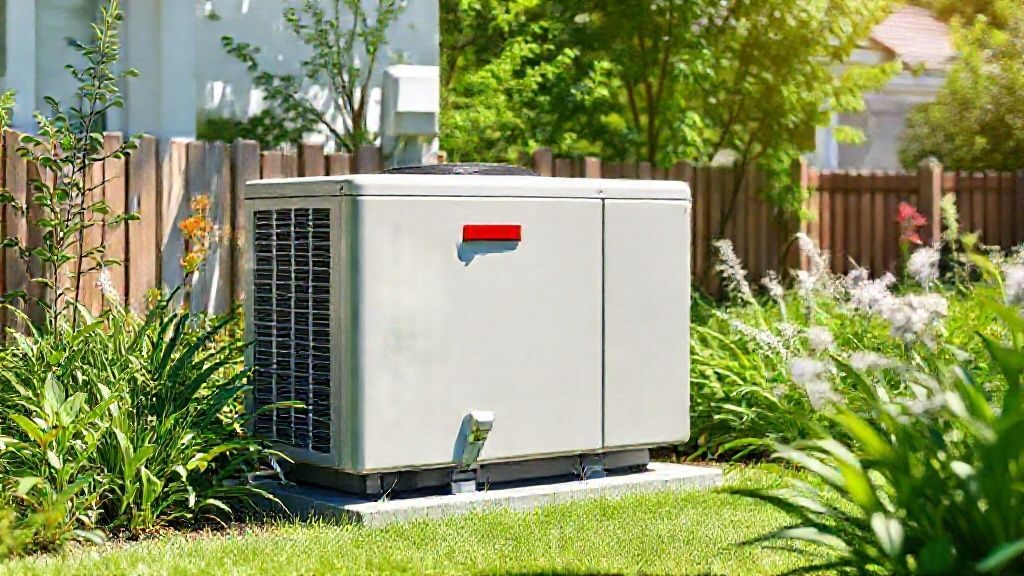
Folks often ask me about their heating and AC units, sometimes calling them by different names or wondering if they’re even part of the same system. The truth is, in most modern homes and even small commercial spaces, these two essential comfort functions are designed to work together, providing year-round climate control. I’ve seen countless setups over the decades, from the simplest window units to complex zoned systems in multi-story buildings. The goal is always the same: keep you comfortable, no matter what the weather outside is doing.
I remember one job in Denver where a homeowner had an old, clunky furnace in the basement and a separate, equally ancient central AC unit on a concrete slab in the backyard. Both were nearing the end of their life, struggling to keep up with the city’s hot summers and cold winters. They were paying a fortune in energy bills. We replaced both with a single, high-efficiency heat pump system that handled both heating and cooling. The difference wasn’t just in comfort, but in their energy bills and the peace of mind knowing they had a reliable, integrated system. It’s a prime example of how combining these functions smartly can make a real impact.
Key Highlights
- Integrated heating and AC units provide year-round comfort from a single system.
- Common types include furnace/AC split systems and heat pumps, each suited for different climates and needs.
- Key components like the thermostat, outdoor unit, and indoor unit work together seamlessly.
- Proper sizing and understanding energy efficiency ratings (SEER, AFUE, HSPF) are crucial for selecting the right unit.
- Regular maintenance, including filter changes and professional tune-ups, extends system life and maintains efficiency.
- Knowing when to repair versus replace an aging or frequently breaking down unit saves money in the long run.
What is a Heating and AC Unit?
When we talk about a “heating and AC unit,” we’re generally referring to an integrated system designed to manage your home’s indoor climate throughout the year. It’s a single system, or a closely coordinated pair of systems, that provides both warmth in the colder months and cool relief when temperatures rise. Gone are the days for most folks of having a separate boiler for heat and a noisy window unit for cooling. Today’s systems are designed for efficiency, convenience, and consistent comfort.
The core idea is to use shared components—like ductwork, a thermostat, and often a blower motor—to distribute conditioned air. This approach simplifies installation, reduces space requirements, and allows for a unified control system, usually through a single thermostat. Whether it’s a traditional furnace paired with a central air conditioner, or a heat pump that handles both functions, the goal is a seamless comfort experience.
How Do Heating and AC Units Work Together?
The magic of a combined heating and AC unit lies in how its different parts collaborate to achieve your desired indoor temperature. While the heating and cooling processes themselves are distinct, they often share critical infrastructure in your home. Let’s break down the common elements.
Shared Components: The most obvious shared component is your home’s ductwork. This network of air passages carries conditioned air from your indoor unit to various rooms and brings return air back for re-conditioning. Without efficient ductwork, even the best unit can’t properly heat or cool your home. The thermostat, too, is a central controller, sending signals to either the heating or cooling side of the system based on your temperature settings and the current indoor conditions.
When your system is in heating mode (for a furnace and AC split system), the furnace’s burner ignites, heating a heat exchanger. Air is drawn from your home through the return ducts, passed over this hot heat exchanger, and then blown by a powerful fan (the blower motor) through the supply ducts into your living spaces. The cooled combustion gases are safely vented outside.
In cooling mode, the process involves refrigerant. The outdoor unit (condenser) houses a compressor that circulates refrigerant between the indoor and outdoor coils. Inside, warm indoor air is drawn over the evaporator coil, which is very cold. The refrigerant absorbs heat from this air, causing the air to cool. This cooled air is then blown into your home. The now-heated refrigerant travels to the outdoor unit, where it releases the absorbed heat to the outside air as it passes through the condenser coil. The refrigerant then cycles back indoors to absorb more heat. It’s a continuous cycle of heat transfer.
In the case of a heat pump, the system uses refrigerant for both heating and cooling. In cooling mode, it works much like a traditional AC unit, moving heat from inside to outside. But in heating mode, it reverses the flow, extracting heat from the outdoor air (even when it’s cold outside) and transferring it indoors. This makes heat pumps incredibly efficient, especially in moderate climates, as they move heat rather than generate it.
The key is that the blower motor and the ductwork are utilized by both functions. This integrated approach saves space, reduces installation complexity, and allows for a more streamlined, efficient operation of your home’s overall climate control.
Types of Combined Heating and AC Systems
When you’re looking at a heating and AC unit for your home, you’ll generally encounter a few primary types. Each has its own strengths and is suited for different situations, climates, and budgets.
Furnace and Central Air Conditioner
This is arguably the most common setup you’ll find, especially in older homes or regions with distinct seasons. It involves two separate, but interconnected, systems. The furnace, typically fueled by natural gas, propane, or oil, handles the heating. It has its own heat exchanger and burner. The central air conditioner, with its outdoor condenser unit and indoor evaporator coil, handles the cooling. Both share the same blower motor and ductwork, controlled by a single thermostat. This setup is robust and effective, particularly where very cold winters require the intense heat of combustion.
Heat Pumps
Heat pumps are a fantastic innovation because they offer both heating and cooling from a single outdoor unit. They don’t generate heat like a furnace; instead, they move it. In summer, they move heat from inside your home to the outside, just like an AC. In winter, they reverse the process, extracting heat from the outdoor air (even when it’s chilly) and transferring it indoors. They are incredibly efficient, especially in moderate climates where temperatures don’t often dip far below freezing. For colder climates, they often come with a supplemental electric resistance heater or can be paired with a furnace in a “hybrid” system for those really frigid days.
Ductless Mini-Splits
Ductless mini-splits are a versatile solution, particularly for homes without existing ductwork, additions, or for creating zoned comfort. As the name suggests, they don’t require ducts. Instead, an outdoor condenser connects to one or more indoor air handlers via refrigerant lines. Each indoor unit can control the temperature in its specific zone. They are quiet, efficient, and offer a lot of flexibility. If you’re looking for solutions for specific areas or even specialized spaces like a garage, a garage split air conditioner could be the ticket. They are essentially a type of aircon split system, designed for focused cooling and heating.
Hybrid Systems
A hybrid system combines the best of both worlds: a heat pump for efficient heating and cooling in moderate conditions, paired with a high-efficiency gas furnace for backup. When outdoor temperatures drop too low for the heat pump to operate efficiently, the system automatically switches to the furnace. This provides optimal energy efficiency across a wider range of climates.
Key Components of a Heating and AC Unit
Understanding the main parts of your heating and AC unit can help you troubleshoot minor issues and appreciate how the system works together. While configurations vary, these are the primary players:
- Thermostat: This is the brain of your entire system. Located inside your home, it senses the indoor temperature and sends signals to your heating or cooling system to turn on or off, maintaining your desired climate. Modern smart thermostats offer advanced programming and remote control capabilities.
- Outdoor Unit (Condenser/Heat Pump): This large box sits outside your home. It contains the compressor (which pressurizes the refrigerant), the condenser coil (where refrigerant releases heat), and a fan (to help dissipate heat). If you have a heat pump, this single unit handles both heating and cooling functions. It’s usually placed on a sturdy foundation, like ac unit base pads, to ensure stability and proper drainage.
- Indoor Unit (Evaporator Coil/Furnace): Located indoors, typically in a basement, attic, or utility closet, this component houses several critical parts.
- Evaporator Coil: This is where the refrigerant absorbs heat from your indoor air during cooling mode.
- Blower Motor and Fan: This powerful fan pushes conditioned air (heated or cooled) through your home’s ductwork.
- Heat Exchanger (Furnace only): In a furnace, this component transfers heat from the combustion gases to the air circulated through your home, keeping the combustion gases separate and safe.
- Ductwork: A network of metal or flexible tubes that distributes conditioned air to each room and returns stale air to the indoor unit for re-conditioning.
- Refrigerant Lines: Insulated copper lines that carry refrigerant between the indoor and outdoor units, facilitating the heat transfer process.
- Air Filter: A crucial, often overlooked component, the air filter removes dust, pollen, pet dander, and other particulates from the air before it circulates through your system and into your home. Regular replacement is vital for air quality and system efficiency.
- Drain Pan and Line: During cooling, condensation forms on the evaporator coil. The drain pan collects this water, and the drain line carries it safely away from your system, often to a floor drain or outside. A clogged drain line can lead to water damage or even system shutdown.
Benefits of an Integrated HVAC System
Choosing an integrated heating and AC unit offers several significant advantages over separate, disparate systems. It’s not just about convenience; it often translates into better performance and long-term savings.
Space Savings
Having one primary system, or two closely linked units that share components, means you’re not trying to fit a furnace, a separate central air conditioner, and possibly multiple window units into your home. This frees up valuable space in utility closets, basements, or even exterior areas. Imagine not having to store bulky window units every winter!
Single Point of Control
With an integrated system, you typically have one thermostat managing both your heating and cooling. This simplifies operation immensely. You set your desired temperature, and the system automatically switches between heating and cooling modes as needed, providing consistent comfort without you having to manually adjust different appliances.
Enhanced Energy Efficiency
Modern integrated HVAC systems are designed with energy efficiency in mind. By sharing components like the blower motor and ductwork, they can optimize airflow and reduce energy waste. Heat pumps, in particular, are incredibly efficient because they move heat rather than generate it. When all components are designed to work together, the overall system operates more efficiently, which means lower energy bills for you. Ratings like SEER (Seasonal Energy Efficiency Ratio) for cooling, AFUE (Annual Fuel Utilization Efficiency) for furnaces, and HSPF (Heating Seasonal Performance Factor) for heat pumps indicate this efficiency.
Simplified Maintenance
When you have one cohesive system, maintenance becomes much simpler. A single professional tune-up can often cover both the heating and cooling aspects, allowing technicians to check all shared components and ensure everything is running smoothly. This reduces the number of service calls and ensures a more comprehensive inspection, catching potential issues before they become major problems.
Consistent Comfort and Air Quality
An integrated system is designed to provide consistent, even temperatures throughout your home. The shared blower ensures that conditioned air is distributed effectively. Furthermore, these systems often incorporate advanced air filtration and humidity control features, contributing to better indoor air quality and a more comfortable living environment year-round. You’ll find fewer hot or cold spots, and your home will feel more consistently pleasant.
Choosing the Right Heating and AC Unit for Your Home
Selecting the right heating and AC unit is a significant investment that impacts your comfort and energy bills for years. It’s not a decision to rush. Here’s what I tell folks to consider:
Sizing is Paramount
This is probably the single most important factor. A unit that’s too small won’t keep your home comfortable on the hottest or coldest days, and it will run constantly, wasting energy and wearing itself out prematurely. A unit that’s too large will “short cycle”—it will turn on and off too frequently, leading to uneven temperatures, poor humidity control, and also premature wear. Proper sizing requires a professional load calculation, often referred to as a “Manual J” calculation, which considers your home’s square footage, insulation levels, window types, local climate, and even the number of occupants. Don’t let anyone just eyeball it.
Climate Considerations
Your local climate plays a huge role. If you live in an area with extremely cold winters and hot summers, a hybrid system (heat pump with a gas furnace backup) might be ideal. In more moderate climates, a heat pump alone could be perfectly sufficient and highly efficient. Areas with high humidity will benefit from units designed for better dehumidification.
Energy Efficiency Ratings
Pay close attention to the efficiency ratings:
- SEER (Seasonal Energy Efficiency Ratio): For cooling. Higher numbers mean greater efficiency. Minimum SEER ratings vary by region but are typically 13-14 SEER.
- HSPF (Heating Seasonal Performance Factor): For heat pumps in heating mode. Again, higher numbers mean better efficiency.
- AFUE (Annual Fuel Utilization Efficiency): For furnaces. This percentage indicates how efficiently the furnace converts fuel into heat. A 90% AFUE furnace means 90 cents of every dollar spent on fuel goes to heating your home, with 10 cents lost.
While high-efficiency units often have a higher upfront cost, they can save you a substantial amount on energy bills over their lifespan.
Ductwork Condition
An efficient new unit won’t perform optimally if your ductwork is leaky or poorly designed. Have your ducts inspected for leaks and proper sizing. Sealing leaks and insulating ducts in unconditioned spaces (like attics or crawl spaces) can significantly improve overall system efficiency and comfort.
Budget and Long-Term Costs
Consider both the initial purchase and installation cost, as well as the long-term operating costs (energy bills) and potential repair expenses. Sometimes, paying a bit more upfront for a more efficient unit can lead to significant savings over 10-15 years. Don’t forget to ask about warranties and financing options.
Brand Reputation and Installer Quality
Research reputable brands known for reliability and customer service. More importantly, choose a qualified, experienced HVAC contractor for installation. Proper installation is as critical as the quality of the unit itself. An improperly installed high-end unit will perform worse than a correctly installed mid-range unit. For those looking for the best hvac systems and service, doing your homework on both is key.
Essential Maintenance Tips for Your HVAC Unit
Keeping your heating and AC unit running smoothly and efficiently isn’t just about avoiding breakdowns; it’s about prolonging its life and keeping your energy bills in check. Here are my essential maintenance tips that every homeowner should follow:
Regular Filter Changes
This is probably the easiest and most impactful thing you can do. A dirty air filter restricts airflow, forcing your system to work harder, which wastes energy and can lead to breakdowns. It also diminishes indoor air quality. I recommend checking your filter monthly and changing it every 1-3 months, depending on factors like pets, allergies, and general dust levels in your home. Mark it on your calendar, set a reminder on your phone – just make sure you do it.
Keep Outdoor Unit Clear
Your outdoor condenser unit needs clear space around it to breathe. Trim back any bushes or foliage at least two feet in all directions. Remove leaves, grass clippings, dirt, and any other debris that might accumulate on or around the unit. This ensures proper airflow, which is essential for efficient heat exchange. If the coils are dirty, they can’t shed heat effectively, making your unit work overtime.
Clean Coils
Over time, both the outdoor condenser coil and the indoor evaporator coil can get dirty. The outdoor coil collects dirt, dust, and debris, while the indoor coil can accumulate dust and sometimes mold. Dirty coils reduce the system’s ability to transfer heat, leading to lower efficiency and increased wear. While you can gently rinse the outdoor coil with a hose (ensure the power is off first!), the indoor coil often requires professional cleaning. This is usually part of a professional tune-up.
Check the Drain Line
The condensate drain line, which carries away moisture collected by the evaporator coil, can become clogged with algae or sludge. When this happens, water can back up, potentially causing leaks, water damage, and even shutting down your system (many units have safety switches to prevent overflow). You can sometimes clear a minor clog by pouring a cup of distilled vinegar mixed with water down the access port, but for stubborn blockages, a professional is best.
Schedule Professional Tune-Ups
This is non-negotiable for me. Just like your car needs regular oil changes, your HVAC system needs annual professional maintenance. I recommend one tune-up in the spring before the cooling season and another in the fall before the heating season. During these visits, a technician will:
- Inspect and clean coils.
- Check refrigerant levels.
- Lubricate moving parts.
- Inspect electrical connections.
- Check thermostat calibration.
- Test safety controls.
- Inspect ductwork for leaks.
- Assess overall system performance and efficiency.
These tune-ups catch small problems before they become expensive repairs, improve efficiency, and extend the lifespan of your unit.
Common Heating and AC Unit Problems and Troubleshooting
Even with proper maintenance, HVAC systems can develop issues. Some problems require a professional, but others you can often troubleshoot yourself. Here are some common complaints I hear:
No Power to the Unit
- Check the thermostat: Ensure it’s set to the correct mode (heat/cool) and desired temperature. Make sure batteries aren’t dead.
- Check circuit breakers: Head to your electrical panel. A tripped breaker will be in the “off” or middle position. Flip it completely off, then back on. If it trips again immediately, you have an electrical issue needing a pro.
- Check outdoor disconnect: There’s usually a small electrical box near your outdoor unit. Ensure the switch inside is in the “on” position.
- Check service switch: For the indoor unit (furnace/air handler), there’s often a light switch-like service switch on or near the unit. Make sure it’s on.
Not Cooling or Heating Effectively
- Dirty air filter: This is a classic culprit. A clogged filter severely restricts airflow. Change it!
- Blocked vents: Make sure supply and return vents aren’t blocked by furniture, rugs, or drapes.
- Outdoor unit obstruction: Ensure the outdoor unit is clear of debris, overgrown plants, or snow/ice.
- Thermostat setting: Double-check your temperature setting. Someone might have inadvertently changed it.
- Leaking refrigerant (cooling only): If your AC is running but blowing warm air, you might have a refrigerant leak. This requires a professional to diagnose and repair.
- Pilot light out (furnace only): If you have an older gas furnace, check if the pilot light is out. Follow manufacturer instructions to relight it carefully.
Strange Noises
- Squealing: Often indicates a worn belt in the blower motor.
- Grinding: Could be a motor bearing that’s failing.
- Banging or clanking: Might be a loose part, or something hitting the fan blades.
- Hissing: Could indicate a refrigerant leak.
- Rattling: Often loose panels or ductwork.
Most persistent strange noises warrant a call to a technician. Don’t ignore them, as they can be signs of bigger problems down the line.
Leaking Water
- Clogged condensate drain line: As mentioned, this is the most common cause of water leaks, especially during AC operation. The drain pan overflows.
- Frozen evaporator coil: If the indoor coil freezes, it will eventually thaw and overflow the drain pan. This can be caused by low refrigerant, a dirty filter, or a faulty blower motor.
Address water leaks promptly to prevent water damage and mold growth.
For any issue that you can’t quickly resolve with basic troubleshooting, it’s always best to call a qualified HVAC technician. Attempting complex repairs yourself can be dangerous and may void your warranty.
When to Repair or Replace Your Heating and AC Unit
This is a question I get a lot, and there’s no single easy answer. It often comes down to balancing cost, efficiency, and peace of mind. Here’s what I consider:
Age of the Unit
The lifespan of an HVAC unit varies:
- Central Air Conditioners: Typically 10-15 years.
- Furnaces: Can last 15-20 years, sometimes longer with excellent maintenance.
- Heat Pumps: Generally 10-15 years.
If your unit is approaching or beyond these age ranges, even minor repairs start to look less appealing. An older unit will naturally be less efficient than a new one, even if it’s still “working.”
Frequency and Cost of Repairs
Are you calling for repairs every year? Are individual repairs becoming increasingly expensive? A good rule of thumb I use is the “5,000 Rule.” If the cost of a repair multiplied by the age of the unit exceeds $5,000, it’s generally time to consider replacement. For example, a 10-year-old unit with a $500 repair bill (10 x $500 = $5,000) is often a candidate for replacement.
High Energy Bills
If your energy bills have been steadily climbing, especially during peak heating or cooling seasons, your old unit might be the culprit. As systems age, they lose efficiency, consuming more energy to produce the same amount of heating or cooling. A new, high-efficiency unit could significantly reduce your monthly operating costs, quickly offsetting a portion of the replacement cost.
Major Component Failure
Components like the compressor in an AC or heat pump, or the heat exchanger in a furnace, are the heart of the system. If one of these fails, the repair cost can be very high, often 50% or more of the cost of a brand-new unit. In such cases, replacing the entire unit is usually the more financially sound decision, giving you a fresh start with a new warranty and improved efficiency.
Comfort and Performance Issues
Are you noticing uneven temperatures, loud noises, or excessive dust in your home despite regular maintenance? Is your unit struggling to keep up during extreme weather? These are signs that your system is no longer performing optimally. A new unit can provide consistent comfort, better humidity control, and quieter operation.
Considering the Future
If you’re planning major renovations or intend to stay in your home for many years, investing in a new, efficient system makes sense. It adds value to your home and ensures long-term comfort and savings. For a detailed assessment and to understand your options, including a personalized estimate, I always recommend you contact us for a quote. Getting expert advice helps you make an informed decision.
FAQs About Heating and AC Units
How often should I have my heating and AC unit serviced?
I recommend professional maintenance twice a year: once in the spring before the cooling season starts, and once in the fall before you rely on your heating system. This helps ensure peak performance, prevents breakdowns, and extends the life of your unit.
What does SEER mean, and why is it important?
SEER stands for Seasonal Energy Efficiency Ratio. It’s a measure of the cooling efficiency of an air conditioner or heat pump. A higher SEER rating indicates a more energy-efficient unit, meaning it uses less electricity to produce the same amount of cooling. This translates directly to lower energy bills for you.
Can I replace just my outdoor AC unit, or do I need to replace the indoor unit too?
While it might be tempting to replace only the failing component, it’s generally best to replace both the outdoor condenser/heat pump and the indoor evaporator coil at the same time. These components are designed to work together as a matched system. Mixing old and new components can lead to reduced efficiency, diminished performance, and potentially shorter lifespan for the new unit, and it often voids warranties.
How long does a typical heating and AC unit last?
On average, central air conditioners and heat pumps last about 10-15 years. Furnaces tend to have a longer lifespan, often 15-20 years or more. Proper installation and consistent maintenance are key factors in achieving the maximum lifespan for any system.
Is a heat pump a good option for my home?
Heat pumps are excellent for homes in moderate climates where temperatures don’t frequently drop significantly below freezing. They are very energy-efficient because they move heat rather than generate it. In colder climates, a hybrid system (heat pump with a furnace backup) or a heat pump designed for low-temperature operation might be a better fit.
Final Thoughts
Navigating the world of heating and AC units can seem complex, but at its core, it’s about finding the right system to keep your home comfortable and efficient, regardless of the weather outside. From understanding how these systems work together to choosing the right type for your home, and crucially, maintaining it properly, every step plays a part in your long-term comfort and energy savings.
Don’t underestimate the value of professional advice and installation. A well-chosen, expertly installed, and regularly maintained heating and AC unit isn’t just an appliance; it’s an investment in your home’s value, your family’s health, and your daily comfort. Take the time to do it right, and your home will thank you for years to come.