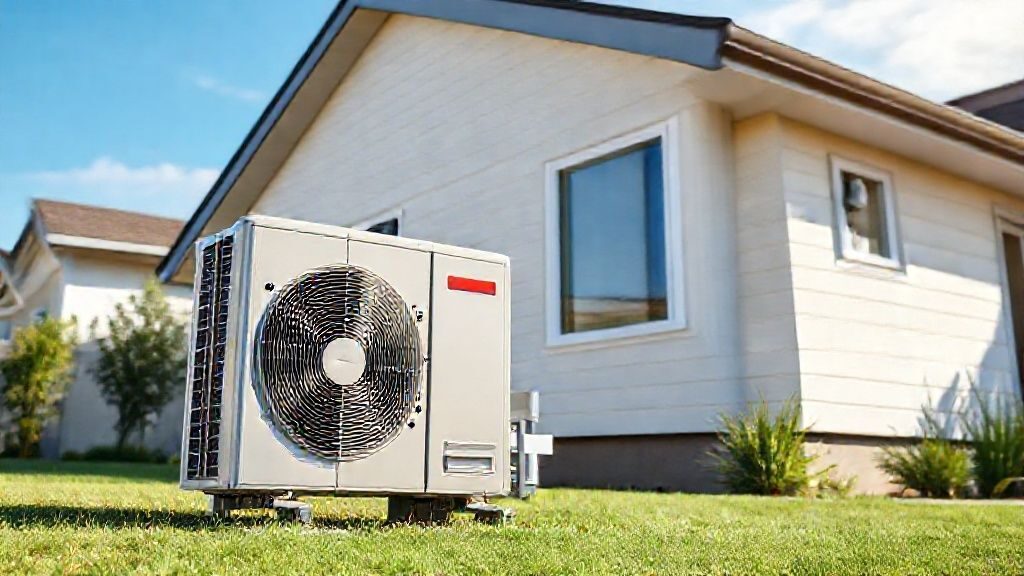
Alright, let’s talk about R-410A. If you’ve got a modern air conditioning system, chances are it uses this refrigerant. For decades, R-22 was the standard, but things change, and usually for the better when it comes to technology and environmental responsibility. R-410A stepped in to take its place, and it’s been the workhorse of residential and light commercial HVAC for quite some time now. Understanding what’s inside your AC system is just good homeowner sense. It helps you make informed decisions about maintenance, repairs, and when it’s time for a replacement.
I remember a job back in Denver, Colorado, about fifteen years ago, just as the transition from R-22 to R-410A was really picking up speed. We were replacing an old, inefficient R-22 unit that was constantly running into issues with low charge. The homeowner was skeptical about this “new” refrigerant. They’d heard all sorts of things, mostly rumors, about it being harder to work with or more expensive. But after we installed the new R-410A system, explaining the benefits and showing them the projected energy savings, they quickly became converts. The house was cooler, the system ran quieter, and their utility bills dropped noticeably. It’s a good example of how sometimes, what seems like a big change is just progress, plain and simple.
Key Highlights
- R-410A, also known by trade names like Puron or Suva 9100, is a hydrofluorocarbon (HFC) refrigerant blend.
- It became the industry standard for new residential and light commercial air conditioning systems after R-22 was phased out due to its ozone-depleting potential.
- Systems designed for R-410A operate at significantly higher pressures than R-22 systems, requiring specific components and tools.
- Benefits include increased energy efficiency, better heat transfer properties, and a zero Ozone Depletion Potential (ODP).
- Proper installation and maintenance are crucial for R-410A systems to ensure optimal performance and longevity.
- While R-410A is environmentally superior to R-22, it still has a high Global Warming Potential (GWP), leading to a future phase-down in favor of ultra-low GWP refrigerants.
What is R-410A Refrigerant?
So, what exactly is R-410A? In simple terms, it’s a refrigerant, which is the stuff that circulates through your air conditioner or heat pump, absorbing heat from your home’s indoor air and releasing it outside. This process is how your home gets cool. R-410A is a specific blend, a mixture of two hydrofluorocarbons (HFCs): R-32 and R-125. It’s not a single chemical, but rather a carefully formulated mix designed to provide efficient cooling.
This blend has properties that make it highly effective for heat transfer. It can absorb and release heat more efficiently than its predecessor, R-22. Because of its composition, it operates at much higher pressures than R-22. This isn’t just a minor detail; it’s a fundamental difference that dictates how systems are designed, installed, and serviced. Components like compressors, coils, and even the linesets used in R-410A systems are built to withstand these greater pressures, ensuring durability and safety.
R-410A was developed as an alternative to R-22, primarily because R-22 was identified as an ozone-depleting substance. The Montreal Protocol, an international treaty, aimed to phase out substances that harm the ozone layer. R-410A, with its zero Ozone Depletion Potential (ODP), became the go-to replacement for new equipment. It doesn’t contain chlorine, which is the culprit in R-22 that causes ozone depletion. This shift was a significant step forward for environmental protection within the HVAC industry.
It’s important for homeowners to understand that R-410A is not a “drop-in” replacement for R-22. You cannot simply put R-410A into an R-22 system, or vice versa. The systems are fundamentally different in their design and operating pressures. Attempting to mix or substitute refrigerants would lead to system failure and potentially dangerous conditions. If your system is old and uses R-22, and it needs a major repair or refrigerant charge, you’re likely looking at a new system installation. This is a good time to explore options with a best hvac professional.
R-410A vs. R-22: The Key Differences
The transition from R-22 to R-410A represents one of the most significant changes in the HVAC industry in recent decades. Understanding why this shift happened and what the practical differences are can help you appreciate your modern system. The primary driver, as mentioned, was environmental concern. R-22, a hydrochlorofluorocarbon (HCFC), contained chlorine, which when released into the atmosphere, contributes to the depletion of the Earth’s ozone layer. This layer protects us from harmful ultraviolet (UV) radiation.
R-410A, on the other hand, is a hydrofluorocarbon (HFC). It contains no chlorine, giving it an Ozone Depletion Potential (ODP) of zero. This means it doesn’t harm the ozone layer. This was a critical improvement. However, while R-410A doesn’t deplete the ozone, it does have a high Global Warming Potential (GWP). This means that if R-410A is released into the atmosphere, it can contribute to global warming, though to a lesser extent than R-22 by some measures, and certainly without the ozone impact. This high GWP is why R-410A itself is now facing a phase-down, which we’ll discuss later.
Operating Pressures
This is perhaps the most critical practical difference. R-410A operates at pressures that are 50% to 70% higher than R-22 systems. This isn’t a small difference. It means everything from the compressor to the copper tubing and service valves must be specifically designed and rated for these higher pressures. An R-22 system’s components would simply fail if exposed to R-410A’s operating pressures. This higher pressure often translates to better heat transfer efficiency within the system, which is a good thing for cooling performance.
System Design
Due to the higher pressures, R-410A systems are built more robustly. They use stronger components, different lubricants (typically POE, or polyolester, oil instead of mineral oil used with R-22), and thicker-walled copper tubing. The internal components of compressors are also designed differently to handle the increased stress. This robust design contributes to the overall efficiency and longevity of properly installed and maintained R-410A systems.
Energy Efficiency
Generally, R-410A systems are more energy-efficient than older R-22 systems. This isn’t solely because of the refrigerant itself, but also because manufacturers redesigned entire systems to optimize for R-410A’s properties. Modern R-410A equipment often features advanced compressor technology, improved coil designs, and better overall system integration. When you replace an old R-22 unit with a new R-410A system, you’ll almost certainly see a noticeable drop in your energy bills.
Servicing and Repair
Servicing R-410A systems requires specialized tools and training. Technicians need gauges, recovery machines, and vacuum pumps rated for higher pressures. The handling procedures are also slightly different. For instance, R-410A is a zeotropic blend, meaning its components evaporate and condense at different temperatures. This means that if a leak occurs and some refrigerant escapes, the blend composition can change, affecting performance. Because of this, it’s generally recommended to recover all remaining refrigerant from a leaking R-410A system and recharge it with new, virgin refrigerant, rather than just “topping it off.” This ensures the correct blend ratio and optimal performance.
The good news is that most reputable HVAC companies and their technicians are well-versed in working with R-410A systems. They have the right equipment and knowledge to handle your unit properly. If you have questions about the cost of Trane heat pumps or other brands that use R-410A, don’t hesitate to reach out to a local professional.
Benefits of R-410A Air Conditioners
When R-410A became the standard, it wasn’t just about environmental compliance; it brought several tangible benefits for homeowners and the HVAC industry alike. These advantages explain why it’s been the preferred refrigerant for new installations for so long.
Enhanced Energy Efficiency
As I touched on earlier, R-410A systems are generally more energy-efficient. The refrigerant itself has superior heat transfer characteristics compared to R-22. This means it can absorb and release heat more effectively, leading to faster cooling and more consistent temperatures. Furthermore, because R-410A systems are designed to operate at higher pressures, manufacturers had to innovate with compressor and coil designs. These innovations, combined with the refrigerant’s properties, lead to higher Seasonal Energy Efficiency Ratio (SEER) and Energy Efficiency Ratio (EER) ratings for R-410A equipment. A higher SEER rating means less electricity consumption for the same amount of cooling, which translates directly into lower utility bills for you.
Zero Ozone Depletion Potential (ODP)
This is the big environmental win. R-410A contains no chlorine, so it doesn’t contribute to the depletion of the Earth’s protective ozone layer. This was the primary reason for the mandated shift away from R-22. While it’s crucial that refrigerants are handled properly to prevent any release into the atmosphere, knowing that the core chemical won’t harm the ozone is a significant benefit to our planet.
Improved System Reliability and Longevity
Because R-410A systems are built to withstand higher operating pressures, their components are often more robust. This can lead to greater system reliability and a longer operational lifespan, provided the system is installed correctly and maintained regularly. Compressors, for example, are designed with more durable internal parts, and the entire system is sealed to tighter specifications to handle the increased internal pressures. This robust construction means fewer breakdowns over time, offering homeowners more peace of mind.
Better Heat Transfer Properties
R-410A excels at transferring heat. This means coils can be designed to be more compact while still providing excellent cooling capacity. It allows for more efficient heat exchange between the refrigerant and the air, making your system work smarter, not harder. This can lead to quicker temperature drops in your home and more consistent comfort levels, especially on those scorching hot days.
Availability and Cost for New Systems
Since R-410A has been the industry standard for new equipment for years, it’s readily available for new system installations. Manufacturers produce a wide range of R-410A equipment, from basic models to high-efficiency, variable-speed units. The costs associated with R-410A refrigerant itself, when purchased for a new charge or significant repair, are generally stable, though market fluctuations are always a factor. Compare this to R-22, which has become extremely expensive and difficult to source due to its phase-out. If you’re looking at a new system, you’re definitely getting an R-410A unit, and there are sometimes mini split rebates 2024 or other incentives available for high-efficiency installations.
Maintaining Your R-410A AC System
Just like any other major appliance in your home, your R-410A air conditioning system needs regular maintenance to operate efficiently, reliably, and extend its lifespan. Neglecting maintenance is one of the quickest ways to shorten your system’s life and run up your energy bills. Here’s what you need to know about keeping your R-410A system in top shape.
Regular Professional Tune-Ups
This is non-negotiable. I recommend an annual professional tune-up, ideally in the spring before you start relying heavily on your AC. During a tune-up, a qualified technician will:
- Check refrigerant levels and pressures: While R-410A systems are sealed, small leaks can occur over time. A technician will verify the charge using specialized gauges. If a low charge is detected, simply adding refrigerant isn’t the solution. The leak must be found and repaired first.
- Clean coils: Both the indoor (evaporator) and outdoor (condenser) coils need to be clean. Dirty coils reduce heat transfer efficiency, making your system work harder and consume more energy.
- Inspect electrical components: Loose wires, failing capacitors, and worn contactors can cause system breakdowns.
- Lubricate moving parts: This reduces friction and wear on motors.
- Check condensate drain: A clogged drain line can lead to water leaks and potential damage to your home.
- Inspect ductwork: Leaky ducts waste a lot of conditioned air.
- Verify thermostat operation: Ensuring it’s accurately reading and controlling temperatures.
Air Filter Replacement
This is the easiest and most important homeowner task you can do. A dirty air filter restricts airflow, forcing your system to work harder, which reduces efficiency and can even lead to coil freeze-ups. Check your filter once a month, especially during peak cooling season, and replace it every 1-3 months, or more frequently if you have pets or allergies. This simple step can save you money and prevent costly repairs.
Keep Outdoor Unit Clear
Your outdoor condenser unit needs to breathe. Make sure there are no plants, shrubs, or debris closer than two feet around the unit. Clear away any leaves, grass clippings, or dirt that might accumulate on the fins. Restricted airflow prevents the unit from efficiently releasing heat, which means less cooling for your home and increased energy consumption.
Listen and Observe
Pay attention to your system. Are there any new, unusual noises? Is the airflow from your vents weaker than usual? Is the indoor temperature not matching your thermostat setting? Are your energy bills unexpectedly high? Any of these could be signs of a problem. Don’t ignore them; early detection can prevent minor issues from becoming major, expensive repairs.
Addressing Leaks
If your technician finds a low R-410A charge, they shouldn’t just top it off. They need to find the leak, repair it, and then evacuate and recharge the system with the correct amount of refrigerant. Because R-410A is a blend, simply adding more refrigerant to a leaky system can alter the blend’s composition, reducing efficiency and potentially damaging the compressor over time. Proper leak detection and repair are essential.
By following these maintenance guidelines, you’ll ensure your R-410A system continues to provide reliable, efficient cooling for many years. Regular care protects your investment and keeps you comfortable. If you’re ever unsure, it’s always best to contact us for a quote from a certified professional.
The Future of Refrigerants: Beyond R-410A
While R-410A was a significant improvement over R-22 regarding ozone depletion, it’s not the final answer in the evolution of refrigerants. The focus has shifted from Ozone Depletion Potential (ODP) to Global Warming Potential (GWP). R-410A, while having an ODP of zero, still has a relatively high GWP. This means that if it leaks into the atmosphere, it contributes to the greenhouse effect, much like carbon dioxide, but with a significantly stronger impact pound for pound.
International agreements, like the Kigali Amendment to the Montreal Protocol, aim to phase down the production and consumption of HFCs, including R-410A, due to their high GWP. In the United States, the AIM Act (American Innovation and Manufacturing Act) is driving this transition domestically. This means that while R-410A systems are still very much in use and will continue to be for many years, new equipment being manufactured and installed is gradually shifting to refrigerants with lower GWP.
What’s Next? Low-GWP Alternatives
The industry is actively developing and adopting new refrigerants with significantly lower GWP. Here are some of the front-runners:
- R-32 (Difluoromethane): This refrigerant is actually one of the components of R-410A. It has a GWP that is about one-third of R-410A’s. It’s already being used in many new mini-split systems and some ducted residential systems, particularly in Asia and Europe, and increasingly in North America. R-32 is mildly flammable, classified as A2L, which requires specific safety considerations for equipment design and handling.
- R-454B (Opteon XL41): This is another A2L (mildly flammable) refrigerant blend that is gaining traction, particularly for ducted residential and commercial applications. It has a GWP even lower than R-32, making it a very promising long-term solution. Many major HVAC manufacturers are developing equipment specifically for R-454B.
- Hydrocarbons (HCs) like R-290 (Propane) and R-600a (Isobutane): These have extremely low GWPs and are already widely used in refrigeration, such as in refrigerators and freezers, and increasingly in small, self-contained AC units. Their flammability (A3 classification) means their use in larger, ducted residential systems is more complex and faces greater regulatory hurdles in some regions due to safety concerns.
- CO2 (R-744): Carbon dioxide has a GWP of 1, making it an excellent natural refrigerant. It’s used in some specialized applications like supermarket refrigeration and certain water heating systems, but its extremely high operating pressures make it challenging for conventional residential AC systems.
Implications for Homeowners
So, what does this mean for you if you have an R-410A system? For the foreseeable future, your R-410A system is fine. The phase-down is primarily impacting the manufacturing of new equipment. There will be enough R-410A refrigerant available for servicing existing systems for many years to come, though its cost may increase over time as production is curtailed. You won’t be forced to replace your functioning R-410A system just because new refrigerants are coming out.
However, when your current R-410A system eventually reaches the end of its life, you will likely be purchasing a system that uses one of these newer, low-GWP refrigerants. This isn’t a bad thing; these new systems are designed to be even more efficient and environmentally friendly. The HVAC industry is always evolving, and these changes are a testament to our ongoing commitment to sustainability. Rest assured, your local best hvac professionals will be trained and equipped to handle these next-generation systems.
When to Recharge or Replace Your R-410A System
This is a common question, and it’s a critical one for homeowners. Knowing when to simply add refrigerant versus when to consider a full system replacement can save you a lot of money and hassle in the long run. Let’s break it down.
Recharging an R-410A System: When is it appropriate?
First, let’s be clear: an air conditioning system is a sealed loop. Refrigerant is not consumed like gasoline. If your R-410A system is low on refrigerant, it means there’s a leak. Period. Refrigerant doesn’t just “run out.” So, the first rule of thumb is that if your system is low on R-410A, a leak must be found and repaired before any refrigerant is added.
- Minor Leak, New(ish) System: If your system is relatively new (say, less than 5-7 years old), and a technician diagnoses a small, easily accessible leak (e.g., at a service valve, a braze joint, or a coil that can be repaired), then repairing the leak and recharging the system is often the most cost-effective solution. After the repair, the technician should evacuate the system to remove any contaminants and moisture, and then weigh in the precise amount of new R-410A according to the manufacturer’s specifications.
- After Component Replacement: If a major component like a compressor or an indoor/outdoor coil is replaced, the system will need to be evacuated and recharged with new R-410A. This isn’t a “leak” in the typical sense, but rather a necessary part of the repair process to restore the system to proper operation.
Remember, “topping off” an R-410A system without addressing the leak is a waste of money and can mask a problem that will only get worse. Because R-410A is a blend, repeatedly adding small amounts can throw off its critical composition, leading to reduced efficiency and potential compressor damage. Always insist on leak detection and repair before a recharge.
Signs You Might Be Low on R-410A
- Warm Air from Vents: The most obvious sign. If your AC is running but not cooling effectively, a low refrigerant charge could be the culprit.
- Frozen Coils: If you see ice on your indoor coil or refrigerant lines, it often indicates a low charge. Low pressure causes the refrigerant to get too cold, freezing moisture on the coil.
- Hissing or Bubbling Sounds: These noises can indicate refrigerant leaking from the system.
- Higher Energy Bills: A system low on refrigerant has to work harder and run longer to try and reach the set temperature, leading to increased energy consumption.
- Reduced Airflow: While many things can cause this, a frozen coil (due to low refrigerant) can severely restrict airflow.
When to Consider Replacing Your R-410A System
Sometimes, replacement is simply the smarter financial and environmental choice, even if your system technically “could” be repaired.
- Old Age: The average lifespan of an AC unit is 10-15 years. If your R-410A system is approaching or past this age, and it needs a significant repair (like a new compressor or coil), replacement often makes more sense. Older units are less efficient, and investing heavily in an aging system is often throwing good money after bad.
- Major, Costly Repairs: If a leak is extensive or in an inaccessible part of the system (like inside the slab or a deeply embedded coil), or if the compressor fails, the repair cost can be very high. If this cost approaches 50% or more of the cost of a new system, replacement is usually the better option.
- Frequent Breakdowns: If your system is constantly needing repairs, it’s a sign that multiple components are failing or wearing out. This indicates a system that’s on its last legs.
- Poor Efficiency and High Bills: Even without a major breakdown, if your older R-410A system is racking up high energy bills, a new, high-efficiency model could pay for itself in energy savings over time. Modern units boast much higher SEER ratings. For example, knowing the proper air conditioning sizing calculator and then choosing an appropriately sized, high-efficiency unit can make a huge difference in your operational costs.
- Upcoming Refrigerant Phase-Down: While R-410A is still available, its phase-down means that its cost will likely increase over time. If your R-410A system is already old and inefficient, replacing it now with a new, low-GWP refrigerant system might be a proactive move that prepares you for future changes and offers immediate efficiency benefits.
Making the decision to repair or replace can be tough. Always get a detailed estimate for the repair and a quote for a new system. A reputable HVAC technician will walk you through the pros and cons of each option, helping you make the best choice for your home and budget.
FAQ
Is R-410A still used in new air conditioners?
As of early 2024, R-410A is still used in many new air conditioning systems being manufactured and sold, particularly for residential use. However, the HVAC industry is actively transitioning towards refrigerants with lower Global Warming Potential (GWP), such as R-32 and R-454B. New regulations like the AIM Act in the US are gradually phasing down the production and consumption of R-410A, so future systems will increasingly use these newer alternatives.
Can R-410A be used in an R-22 system?
Absolutely not. R-410A and R-22 systems operate at completely different pressures and require different lubricants and components. Attempting to put R-410A into an R-22 system will lead to catastrophic system failure, potential safety hazards, and void any warranties. The systems are not interchangeable.
How often does R-410A need to be recharged?
An R-410A system should never need to be “recharged” unless there is a leak. Refrigerant is not consumed; it circulates in a sealed loop. If your system is low on R-410A, a leak is present and must be located and repaired by a qualified technician before any new refrigerant is added. Simply topping off a leaking system is a temporary fix and a waste of money.
What is the typical lifespan of an R-410A air conditioner?
With proper installation and regular maintenance, an R-410A air conditioning system can typically last between 10 to 15 years. Some units may last longer, especially high-quality, well-maintained ones, while others might fail sooner due to poor maintenance, improper installation, or manufacturing defects.
Is R-410A harmful to the environment?
R-410A has a zero Ozone Depletion Potential (ODP), meaning it does not harm the Earth’s ozone layer, which was a significant improvement over its predecessor, R-22. However, R-410A does have a high Global Warming Potential (GWP), meaning that if it is released into the atmosphere, it contributes to global warming. This is why the industry is moving towards even lower GWP refrigerants.
What does “high GWP” mean for R-410A?
GWP stands for Global Warming Potential. It’s a measure of how much heat a greenhouse gas traps in the atmosphere over a specific time period, relative to carbon dioxide (CO2). R-410A has a GWP of around 2088, meaning that one pound of R-410A released into the atmosphere has the same global warming impact as 2088 pounds of CO2 over a 100-year period. This is why proper handling and preventing leaks are crucial.
What should I do if my R-410A system is leaking?
If you suspect your R-410A system is leaking, the most important thing is to call a certified HVAC technician immediately. Do not attempt to add refrigerant yourself. A professional will use specialized tools to find the leak, repair it, evacuate the system, and then properly recharge it with the correct amount of R-410A. Ignoring a leak will lead to decreased performance, higher energy bills, and potential damage to your compressor.
Final Thoughts
R-410A has been a cornerstone of modern air conditioning for a long time, and for good reason. It delivered significant environmental benefits by eliminating ozone-depleting substances and allowed for the development of more energy-efficient systems. For homeowners, this has meant more reliable, cost-effective cooling and better comfort.
Understanding R-410A isn’t just about knowing what’s in your AC; it’s about being informed. It helps you recognize the importance of professional service, understand why a leak isn’t just a “top-off” situation, and appreciate the advances that have made our homes more comfortable and our systems more responsible. While the industry is always moving forward, with new refrigerants on the horizon, your R-410A system remains a vital piece of equipment designed to keep you cool.
The key takeaways are simple: ensure your R-410A system is properly installed, maintain it regularly with professional tune-ups, change your air filters diligently, and address any issues, especially leaks, promptly and correctly. By doing so, you’ll maximize the lifespan and efficiency of your current system, keeping your home comfortable and your energy bills in check for years to come.