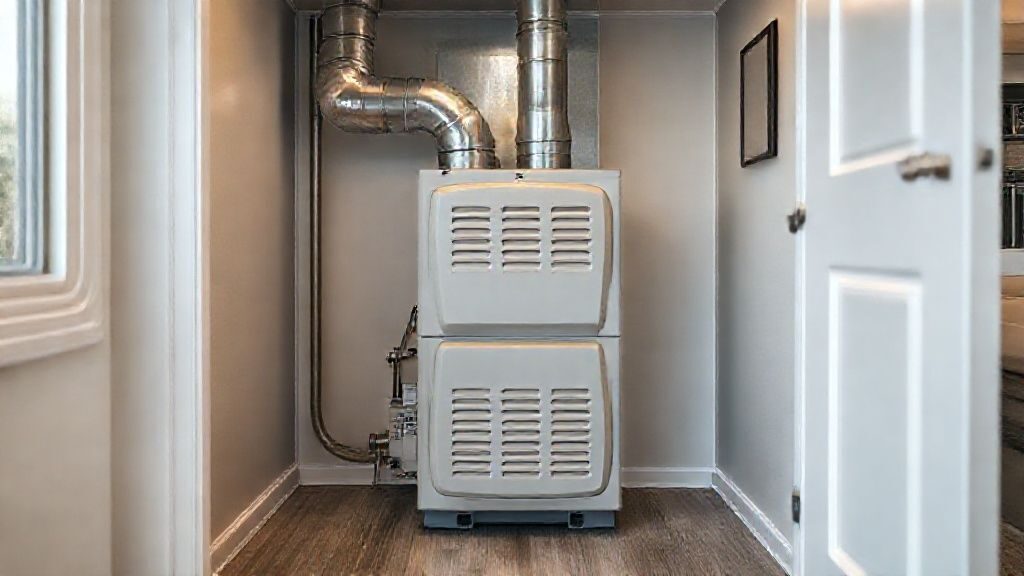
When you own a mobile or manufactured home, the heating system often comes with its own set of rules and considerations. It is not the same as working on a site-built home furnace, and trying to treat it that way can lead to problems. My name is Dave Watson, and I have spent decades in the HVAC field, working on all kinds of systems across the country. I have seen everything from ancient oil burners to modern high-efficiency units. Understanding the nuances of heating a trailer house is crucial, not just for comfort, but for safety and efficiency.
I remember a particular winter in the mountains of Colorado, just outside Denver. The temperatures dropped well below zero, and I got a call from a homeowner whose manufactured home furnace had completely conked out. It turned out the unit was severely undersized for the elevation and insulation level, not to mention a decade past its prime. The homeowner had been trying to make standard home furnace parts fit, which was a recipe for disaster. This experience, among many others, really highlights why specific knowledge about trailer house furnaces is so important.
Key Highlights
- Unique Design: Trailer house furnaces are specifically designed to fit the tighter spaces and different venting requirements of mobile and manufactured homes.
- Fuel Types: Natural gas, propane, and electric are the most common fuel sources, with each having distinct installation and operational characteristics.
- Ventilation: Proper sealed combustion and vertical venting are critical for safety and efficiency in these specialized homes.
- Under-Ducting: Many mobile homes use an under-floor ducting system that requires specific airflow considerations.
- Regular Maintenance: Annual inspections and cleaning are essential for optimal performance, safety, and extending the lifespan of the unit.
- Professional Help: Due to specialized requirements, installation, major repairs, and replacements should always be handled by HVAC professionals experienced with manufactured homes.
Understanding Trailer House Furnaces: What Makes Them Different?
A trailer house furnace, often called a mobile home furnace or manufactured home furnace, is built with different specifications than a furnace you would find in a typical stick-built house. The primary differences stem from space constraints, venting requirements, and the construction of the home itself. Manufactured homes are built to a different set of standards (HUD codes) compared to site-built homes (local building codes).
Space and Size Constraints
Mobile homes typically have less utility space. Furnaces are often located in utility closets, at the end of hallways, or sometimes even integrated into kitchen cabinets. This means the units themselves are often narrower, taller, and designed for zero-clearance installations against combustible materials. You cannot simply drop a standard residential furnace into a mobile home and expect it to fit or function correctly.
Venting and Combustion Air
One of the most critical distinctions is the venting. Most modern mobile home furnaces are “sealed combustion” units. This means they draw combustion air from outside the home directly into a sealed chamber, and then they vent exhaust gases directly outside, usually through a roof jack. This is a safety feature designed to prevent combustion gases from entering the living space, which can be particularly dangerous in the tighter, more sealed environment of a mobile home. Standard furnaces often draw combustion air from the conditioned space, which is not ideal or safe for a mobile home.
Ductwork Connections
The ductwork in a mobile home is also different. Typically, there is a main supply plenum running under the floor, with branch ducts connecting to registers. The furnace connects directly to this plenum. The return air often comes through a central grille, often in the ceiling or a wall, directly back to the furnace. The connections are specific, and using the wrong type of furnace can lead to poor airflow, uneven heating, and reduced efficiency.
Safety Standards
Because of the unique construction and often tighter spaces, safety standards for mobile home furnaces are very strict. These units must be listed and approved for manufactured home installation. This is not just a suggestion; it is a critical requirement for homeowner safety and for complying with insurance regulations.
Types of Furnaces for Mobile and Manufactured Homes
Just like standard homes, mobile homes can utilize different types of furnaces based on available fuel sources and individual preferences. The common types are natural gas, propane, and electric. Each has its pros and cons, and the best choice often depends on your location and existing infrastructure.
Natural Gas Furnaces
- Availability: If your mobile home park or property has access to natural gas lines, this is often the most economical choice for heating. Natural gas is generally cheaper per BTU than electricity or propane.
- Efficiency: Modern natural gas furnaces are quite efficient, with AFUE (Annual Fuel Utilization Efficiency) ratings often exceeding 90%.
- Installation: Requires a connection to the natural gas supply and proper venting. Specific mobile home rated units are essential.
- Considerations: While generally safe, natural gas requires proper installation and maintenance to prevent leaks and carbon monoxide buildup.
Propane (LP Gas) Furnaces
- Availability: Propane is a common choice for mobile homes located in rural areas without natural gas access. It requires a storage tank on the property.
- Cost: Propane costs can fluctuate more than natural gas and are typically higher. However, buying in bulk during off-peak seasons can help manage costs.
- Efficiency: Propane furnaces operate similarly to natural gas units in terms of efficiency.
- Installation: Requires a propane tank, a gas line connection, and the same specific mobile home venting.
- Considerations: Tanks need to be refilled regularly, and proper safety protocols for propane storage and use are paramount.
Electric Furnaces (Often Heat Pumps)
- Availability: Electricity is available everywhere, making electric heating a universal option.
- Cost: Running an electric resistance furnace can be expensive, especially in colder climates, due to the cost of electricity.
- Heat Pumps: Many electric heating systems in mobile homes are actually wall ac heat pump systems. Heat pumps are much more efficient than pure electric resistance furnaces because they move heat rather than generating it. They can also provide cooling in the summer. Daikin is a well-known manufacturer in this space. If you’re looking for high-quality equipment, exploring options from Daikin Air Conditioning LLC is a good step.
- Installation: Simpler venting requirements compared to gas furnaces as there are no combustion byproducts. However, electrical service capacity must be sufficient.
- Considerations: While initial installation might be simpler, operational costs can be high if it’s a resistance heater. Heat pumps offer better efficiency but may struggle in extremely cold temperatures without a supplemental heat strip.
When you’re looking at your options, make sure to see our furnace selection designed specifically for manufactured homes. It is important to match the unit to your home’s specifications.
Key Considerations When Choosing a Trailer House Furnace
Selecting the right furnace for your mobile home is not a decision to take lightly. It impacts your comfort, your wallet, and your safety. Here are the main points I always tell homeowners to think about.
Sizing the Unit Correctly (BTUs)
This is probably the most critical factor. An undersized furnace will run constantly and still not heat your home properly, leading to high utility bills and discomfort. An oversized furnace will short-cycle, meaning it turns on and off too frequently. This wears out components faster, heats unevenly, and wastes energy. Proper sizing requires a load calculation, which takes into account your home’s square footage, insulation levels, window types, local climate, and airtightness. Do not just guess or rely on the size of your old unit.
Fuel Type Availability and Cost
As I mentioned, natural gas, propane, and electric are the main options. Consider what is available in your area. If natural gas is an option, it is usually the most cost-effective. If not, weigh the upfront cost of a propane tank and the fluctuating price of propane against the higher electricity costs of an electric resistance furnace or the higher initial investment of a heat pump system. Sometimes, a self-contained packaged unit that includes both heating and cooling components is a good option, especially if you’re also considering the cost of home ac unit.
AFUE Rating (Annual Fuel Utilization Efficiency)
The AFUE rating tells you how efficient a furnace is at converting fuel into heat. A 90% AFUE furnace means 90% of the fuel’s energy is used for heating, while 10% goes up the flue. Higher AFUE ratings mean lower operating costs. While a higher-efficiency unit might have a higher upfront cost, it can save you a lot of money over its lifespan, especially if you live in a colder climate.
Venting Requirements
Always ensure the furnace you choose is designed for mobile home applications and has the correct venting system. This means it should be a “sealed combustion” unit that draws combustion air from outside and vents exhaust directly outside. Using a non-mobile home specific unit can be dangerous.
Physical Dimensions and Configuration
Mobile home furnaces come in specific configurations: upflow (air blows up), downflow (air blows down), and horizontal (less common for primary furnaces in mobile homes, but sometimes seen for add-ons). Most mobile homes use downflow furnaces due to the under-floor ducting. Make sure the unit you select will physically fit in your designated utility space and aligns with your existing ductwork.
Brand Reputation and Warranty
Choose a reputable brand known for reliability and good customer service. Check the warranty offered on parts and the heat exchanger. A strong warranty indicates a manufacturer’s confidence in their product. However, remember that a warranty is only as good as the company backing it and depends on proper installation and regular maintenance.
Installation Essentials for Mobile Home Furnaces
Installing a furnace in a mobile home is not a DIY project. It requires specific knowledge, tools, and adherence to safety codes. Even for an experienced HVAC technician, there are specific guidelines for manufactured homes that differ from site-built homes.
Professional Installation is Non-Negotiable
I cannot stress this enough: always hire a qualified HVAC professional experienced with mobile home furnaces. They understand the HUD codes, manufacturer specifications, and the unique challenges of these installations. Improper installation can lead to inefficient operation, safety hazards like carbon monoxide leaks, and even fire risks.
Proper Venting System
The sealed combustion venting system is paramount. The professional will ensure the correct roof jack, flue pipe, and seals are used. They will also make sure the intake and exhaust are clear of obstructions and properly sealed to the exterior of the home. This prevents flue gases from entering the living space and ensures the furnace gets adequate combustion air.
Gas Line Connection (for Gas/Propane)
If you are installing a gas or propane furnace, the gas line connection must be leak-free and sized correctly for the furnace’s BTU input. This involves proper piping, fittings, and testing for leaks. This is a critical safety step that only a licensed professional should handle.
Electrical Wiring
The furnace requires a dedicated electrical circuit of the correct voltage and amperage. All wiring must comply with electrical codes and manufacturer specifications. This includes proper grounding and wiring for the thermostat.
Ductwork Connection and Sealing
The installer will connect the furnace to your existing supply and return ductwork, ensuring tight, sealed connections. Leaky ductwork can significantly reduce efficiency. They will also inspect the overall duct system for any existing leaks or obstructions that could impede airflow.
Thermostat Installation and Calibration
A new furnace often comes with or requires a new thermostat. The professional will install and calibrate it to ensure it accurately controls your heating system and maintains comfortable temperatures.
Testing and Commissioning
After installation, the technician will thoroughly test the furnace. This includes checking gas pressure, combustion efficiency, temperature rise, airflow, and safety controls. They will make sure everything is operating correctly and safely before they leave.
Maintaining Your Trailer House Furnace for Longevity and Efficiency
Like any mechanical system, your mobile home furnace needs regular attention to perform optimally and last as long as it should. Neglecting maintenance is a sure way to shorten its lifespan, increase your energy bills, and potentially create safety hazards.
Annual Professional Inspection and Tune-up
This is the most important maintenance step. I always recommend scheduling a professional inspection and tune-up every fall, before you really start using your heating system. During a tune-up, a technician will:
- Inspect the heat exchanger for cracks (a potential source of carbon monoxide leaks).
- Clean the burner assembly and ignition system.
- Check and adjust gas pressure (for gas/propane units).
- Lubricate moving parts (motors, bearings).
- Check electrical connections and components.
- Inspect the flue pipe and ventilation system.
- Test safety controls and limits.
- Check thermostat operation.
- Measure temperature rise and airflow.
Regular Filter Changes
This is the homeowner’s most important task. A dirty air filter restricts airflow, making your furnace work harder, reducing efficiency, and potentially causing overheating. Check your filter monthly, especially during peak heating season, and replace it every 1-3 months, depending on your filter type and household conditions (pets, allergies). Write the date on the new filter as a reminder.
Keep Vents and Registers Unobstructed
Make sure all supply and return air vents are clear of furniture, rugs, or other obstructions. Blocking vents can disrupt airflow, lead to uneven heating, and put unnecessary strain on your furnace.
Clean Around the Furnace
Keep the area around your furnace clean and clear. Dust, debris, and flammable materials should not accumulate near the unit. Good airflow around the unit is important, and a clean environment helps prevent fire hazards.
Inspect the Venting System (Visually)
Periodically, especially after heavy winds or storms, visually inspect the vent cap on your roof. Make sure it is intact, not blocked by leaves or debris, and securely fastened. If you notice any damage or blockage, call a professional.
Common Problems and Troubleshooting Your Mobile Home Furnace
Even with good maintenance, problems can arise. Here are some common issues I’ve encountered with mobile home furnaces and some basic troubleshooting steps you can take before calling a professional.
No Heat
- Check the Thermostat: Is it set to “Heat” and above the current room temperature? Are the batteries dead?
- Check the Circuit Breaker: Locate your electrical panel and see if the furnace breaker has tripped. Reset it if it has.
- Check the Gas Valve: For gas/propane furnaces, ensure the main gas valve to the furnace is in the “On” position.
- Check the Pilot Light (Older Units): If you have an older furnace with a pilot light, check if it’s lit. Follow manufacturer instructions for relighting if it’s out. Modern furnaces use electronic ignition, so this won’t apply.
- Dirty Air Filter: A severely clogged filter can sometimes cause a furnace to shut down or prevent proper heating.
Insufficient Heat / Weak Airflow
- Dirty Air Filter: Again, this is a common culprit. Replace it.
- Blocked Vents: Ensure all supply and return registers are open and clear.
- Duct Leaks: Leaky ductwork under your mobile home can cause significant heat loss. This often requires professional inspection and sealing.
- Undersized Unit: If your furnace has always struggled to heat, it might be undersized for your home.
Strange Noises
- Squealing/Chirping: Often indicates a worn belt or motor bearings that need lubrication or replacement.
- Rattling: Could be loose panels, ductwork, or a failing blower motor.
- Banging/Popping: Often related to expanding and contracting ductwork (normal to some extent) or dirty burners.
- Grinding: A serious sign of a failing motor or component. Turn off the furnace and call a technician.
Furnace Cycles On and Off Too Frequently (Short-Cycling)
- Dirty Air Filter: Restricts airflow, causing the furnace to overheat and trip a safety limit switch.
- Blocked Exhaust Vent: Can cause overheating and safety shutdowns.
- Oversized Unit: If the furnace has always done this, it might be too large for your home.
- Thermostat Issues: A malfunctioning thermostat can cause improper cycling.
Pilot Light Issues (Older Units)
- Dirty Pilot Tube: Blockage can prevent proper ignition.
- Faulty Thermocouple: This safety device senses the pilot flame. If it’s dirty or faulty, it will shut off the gas supply. This is a common pilot light problem.
For any issue beyond a simple filter change or circuit breaker reset, especially if it involves gas or strange smells, it is always best to call a professional. Do not try to repair gas lines or complex electrical components yourself.
Safety Tips for Operating a Furnace in a Trailer House
Safety is paramount when operating any heating appliance, and trailer house furnaces have specific considerations. Follow these tips to keep your family safe.
Install Carbon Monoxide Detectors
This is non-negotiable. Carbon monoxide (CO) is an odorless, colorless, deadly gas. Install CO detectors on every level of your home, especially near sleeping areas. Test them monthly and replace batteries annually, or as recommended by the manufacturer. Even with sealed combustion units, there’s always a small risk of CO leakage if the unit is faulty or venting is compromised.
Maintain Clearances
Keep the area around your furnace clear of all flammable materials, including clothing, paper, and chemicals. Refer to your furnace’s manual for specific clearance requirements. Generally, a few feet of clear space around the unit is a good rule of thumb.
Never Block Vents
Ensure all supply and return air registers are always unobstructed. Blocking them can lead to poor airflow, overheating, and inefficient operation, which can be a safety hazard.
Regularly Change Air Filters
A dirty air filter not only reduces efficiency but can also cause the furnace to overheat, potentially leading to a fire. Consistent filter changes are crucial.
Keep the Venting System Clear
Periodically check your furnace’s exhaust vent on the roof. Make sure it’s not blocked by snow, ice, leaves, or bird nests. A blocked vent can cause dangerous exhaust gases to build up in your home.
Do Not Store Flammable Liquids Near the Furnace
Gasoline, paint thinners, cleaning solvents, and other flammable liquids should never be stored in the same utility closet or near your furnace. The open flame or heat generated by the furnace could ignite them.
Know How to Shut Off Utilities
In an emergency, you should know how to shut off the gas supply to your furnace (if applicable) and the electrical breaker for the unit. Locate these controls now, before an emergency arises.
Educate Your Family
Make sure everyone in your household knows the importance of furnace safety, what to do if the CO detector alarms, and the signs of a potential problem (like a gas smell).
When to Repair vs. Replace Your Trailer House Furnace
This is a common question, and there’s no single right answer, but I can give you some guidelines based on my experience. Deciding whether to repair or replace your mobile home furnace often comes down to age, repair cost, and efficiency.
Age of the Furnace
A typical mobile home furnace has a lifespan of about 15-20 years with proper maintenance. If your furnace is approaching or past this age, replacement becomes a more attractive option, especially if major components fail. An older unit is more likely to break down again soon, leading to a series of expensive repairs.
Cost of the Repair
A good rule of thumb I use: if the cost of the repair is more than 30-50% of the cost of a new furnace, it is often better to replace it. This is particularly true for major components like the heat exchanger or blower motor. These repairs can be very costly, and putting that money into an old unit might not be a wise investment.
Efficiency
Older furnaces are significantly less efficient than modern units. If your furnace is 10-15 years old, its AFUE rating might be in the 60s or 70s. A new unit can easily be 80-90% efficient or higher. The savings on your utility bills over several years can easily offset the cost of a new furnace. If your heating bills are consistently high, it might be time for an upgrade for efficiency reasons alone.
Frequent Breakdowns
If your furnace is breaking down every year or even multiple times a season, it is a clear sign that it is nearing the end of its life. You will be spending money on repair after repair, and the inconvenience of unexpected outages can be frustrating.
Safety Concerns
If a professional technician identifies a cracked heat exchanger or another critical safety issue that is very expensive to repair, replacement is usually the safest and most sensible option. You can’t put a price on safety.
Comfort Issues
If your furnace simply cannot keep your home comfortable anymore, even after repairs and maintenance, it might be undersized or just worn out. A new, properly sized unit will provide consistent, comfortable heat.
When in doubt, get a professional opinion. A reputable HVAC company can give you an honest assessment of your current unit’s condition and provide a quote for both repair and replacement, allowing you to make an informed decision. Don’t hesitate to contact us for a quote if you’re weighing your options.
Finding the Right HVAC Professional for Your Mobile Home
Choosing the right technician is critical, especially given the specialized nature of mobile home heating systems. Not just any HVAC company will do.
Look for Experience with Manufactured Homes
This is the most important criterion. Ask potential technicians if they have specific experience working on furnaces in mobile or manufactured homes. They should be familiar with HUD codes, unique venting systems, and common mobile home furnace brands.
Check for Licenses and Insurance
Ensure the company and its technicians are properly licensed in your state or locality. They should also carry adequate liability insurance. This protects you in case of accidents or improper work.
Ask for References and Read Reviews
Check online reviews on platforms like Google, Yelp, or industry-specific sites. Ask for references from past customers, especially those with mobile homes. A good reputation speaks volumes.
Get Multiple Quotes
For installations or major repairs, always get at least two or three written quotes. This helps you compare pricing, proposed solutions, and professionalism. Be wary of quotes that are significantly lower or higher than others.
Understand Their Warranty on Work
Ask about the warranty they offer on their labor and any parts they install. A reputable company stands behind its work.
Communication and Professionalism
Pay attention to how they communicate. Are they clear, responsive, and willing to answer your questions? A good technician will take the time to explain the problem and the proposed solution in terms you can understand.
Specialization in Brands
While not strictly necessary, some companies might specialize in certain brands or types of furnaces common in mobile homes. This can be a plus, indicating deep familiarity. Many good companies are best hvac professionals that can handle a wide variety of systems.
FAQ
Q: Can I put a regular house furnace in my mobile home?
A: No, absolutely not. Mobile home furnaces are specifically designed to meet HUD safety standards and fit the unique space and venting requirements of manufactured homes. Installing a standard residential furnace can create serious safety hazards, including fire and carbon monoxide poisoning, and will likely void your home’s insurance and any product warranties.
Q: How often should I have my mobile home furnace serviced?
A: I recommend an annual professional inspection and tune-up, ideally in the fall before the heating season begins. This ensures your furnace runs efficiently, safely, and extends its lifespan.
Q: What is the average lifespan of a trailer house furnace?
A: With proper installation and regular maintenance, a mobile home furnace typically lasts between 15 and 20 years. Factors like usage, maintenance frequency, and environmental conditions can affect this lifespan.
Q: Why is a sealed combustion furnace important for mobile homes?
A: Sealed combustion furnaces draw all the air needed for combustion from outside the home and vent exhaust gases directly outside. This is critical for mobile homes because their tighter construction means there’s less ambient air for combustion and a higher risk of combustion byproducts, like carbon monoxide, accumulating indoors if systems aren’t properly sealed and vented.
Q: My mobile home furnace smells like gas. What should I do?
A: If you smell natural gas or propane, do not attempt to troubleshoot it yourself. Immediately turn off the gas supply to your home if you know how, evacuate everyone from the home, and call your gas utility company or 911 from a safe distance. Do not operate any electrical switches or light anything until the situation is cleared by professionals.
Q: Can I convert my propane furnace to natural gas, or vice versa?
A: Yes, it is usually possible to convert a gas furnace between natural gas and propane, but it requires a conversion kit and must be done by a qualified HVAC technician. They will replace specific components like burner orifices and adjust gas pressure settings. Do not attempt this conversion yourself.
Final Thoughts
Heating your mobile or manufactured home effectively and safely is a major part of comfortable living. Understanding the unique aspects of trailer house furnaces is the first step. From selecting the right type and size, to ensuring professional installation and committing to regular maintenance, each step plays a crucial role in the longevity, efficiency, and safety of your heating system. Don’t cut corners when it comes to your furnace. Invest in quality equipment and professional service, and your mobile home will stay warm and cozy for years to come. Remember, a little proactive care goes a long way in preventing costly problems down the road.