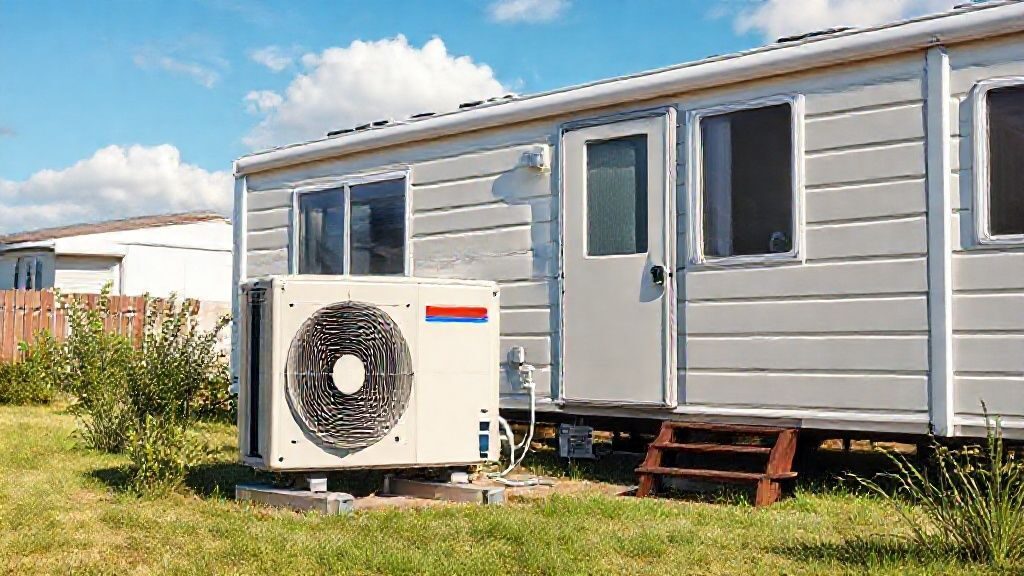
When it comes to keeping a mobile home comfortable, especially during the peak heat of summer, the air conditioning unit isn’t just a luxury; it’s a necessity. I’ve spent decades working on HVAC systems, from sprawling estates to compact manufactured homes, and I can tell you that while the fundamental principles of cooling remain the same, mobile home AC units have their own set of characteristics and considerations. You can’t just slap any old unit onto a mobile home and expect it to work efficiently or safely.
I remember a call I got out of Tampa, Florida, a few years back. The homeowner had purchased a used AC unit online, thinking they were getting a deal. It was a standard residential split system, meant for a stick-built house. The unit was undersized for their double-wide, the ductwork connections were a mess, and the electrical wasn’t up to code. Not only was it barely cooling the place, but it was also costing them a fortune in electricity and posed a real fire hazard. We ended up having to rip out the whole thing and start fresh with a unit designed specifically for manufactured homes. That job really drove home the point: understanding the specifics for mobile home AC is crucial.
Key Highlights
- Mobile home AC units are often designed with specific airflow, ductwork, and electrical requirements to match manufactured homes.
- Packaged units (AC and heating in one outdoor cabinet) are a common and often efficient choice for mobile homes.
- Proper sizing of your AC unit is critical; under or oversized units lead to inefficiencies and reduced lifespan.
- Look for high SEER ratings and robust construction when selecting a unit.
- Professional installation by technicians experienced with manufactured homes is highly recommended for safety and performance.
- Regular maintenance, like changing filters and cleaning coils, significantly extends the life of your AC unit.
Understanding Mobile Home AC Units: What Makes Them Different?
Mobile homes, also known as manufactured homes, are built differently from traditional stick-built houses. This difference extends to their HVAC systems. The distinctions are important for anyone looking to buy, install, or maintain an AC unit.
First, consider the ductwork. Mobile homes often use smaller, flatter ductwork, typically running through the floor. This design means that standard residential AC units, which are designed for larger duct systems, can struggle. A unit with too much airflow for the smaller ducts can create excessive static pressure, leading to inefficient operation, increased noise, and premature wear on the blower motor. Conversely, a unit with too little airflow won’t cool effectively.
Second, the structure and insulation. While modern manufactured homes have improved significantly in terms of insulation, older models might have lower R-values in their walls, floors, and roofs compared to newer site-built homes. This means heat can transfer more easily, requiring an AC unit that can handle the specific heat load. The framing can also be different, affecting how units are mounted or placed.
Third, electrical considerations. Mobile homes have specific electrical codes. It’s vital that any new AC unit meets these requirements and that the existing electrical service can handle the load. Trying to force a unit that draws too much power can trip breakers, damage wiring, or create fire risks.
Finally, there are specific certifications and designs. Many HVAC manufacturers produce units specifically labeled “mobile home” or “manufactured home” AC units. These units are engineered to work optimally with the unique construction characteristics of these homes, including airflow, return air configurations, and physical dimensions for installation.
Types of AC Units for Mobile Homes
You’ve got a few solid options when it comes to cooling a mobile home. Each type has its own advantages, and the best choice often depends on your specific home, climate, and budget.
Packaged Units (Central AC)
These are arguably the most common and often the best choice for many mobile homes. A packaged unit, as the name suggests, contains all the components – the evaporator coil, condenser, and compressor – within a single outdoor cabinet. This cabinet is typically installed on a concrete pad next to the home, or sometimes on the roof. The conditioned air is then distributed through the home’s existing ductwork.
- Pros:
- Space-saving: No indoor air handler taking up closet space.
- Easier Installation: Less complex than a split system since all major components are in one place.
- Durable: Designed to withstand outdoor elements.
- Effective: Delivers central cooling throughout the home.
- Cons:
- Larger outdoor footprint: Takes up more space outside than a condenser-only unit.
- Maintenance access: All components are outdoors, potentially exposed to more dirt and debris.
Many packaged units designed for mobile homes also come as packaged heat pumps or packaged gas/electric units, offering both heating and cooling from a single system.
Split Systems
A split system has an outdoor condenser unit and an indoor air handler (which contains the evaporator coil and blower fan). While less common than packaged units for mobile homes, they can be a viable option, especially for larger or newer manufactured homes with appropriate interior space for the air handler and suitable ductwork. They require refrigerant lines and electrical conduit to run between the indoor and outdoor units.
- Pros:
- Quiet operation: The noisy compressor is outside.
- Potentially higher efficiency: Some split systems offer very high SEER ratings.
- Flexibility: Can be matched with a furnace for a complete HVAC system.
- Cons:
- Requires indoor space: An air handler needs a closet or utility area.
- More complex installation: Connecting indoor and outdoor units requires careful refrigerant line installation.
- Ductwork considerations: Must be compatible with mobile home duct designs.
Ductless Mini-Split Systems
Ductless mini-splits are an excellent solution for homes without existing ductwork, for additions, or for zoning specific areas. These systems consist of an outdoor compressor/condenser unit and one or more indoor air-handling units that mount on walls or ceilings. They don’t require ducts, which makes them ideal for targeted cooling.
- Pros:
- No ductwork needed: Saves on installation costs and avoids duct loss issues.
- Zoning capabilities: Each indoor unit can control its own temperature, saving energy.
- High efficiency: Many mini-splits are very energy-efficient.
- Heating option: Most mini-splits also provide heating as heat pumps.
- Cons:
- Higher upfront cost: Especially if you need multiple indoor units to cool the entire home.
- Aesthetics: Indoor units are visible on walls.
- Limited whole-home cooling: May require multiple units for comprehensive cooling.
For those considering a DIY aspect with mini-splits, some kits even come with pre charged mini split line sets, which can simplify the refrigerant connection process, though I always recommend professional hook-up for optimal performance and warranty protection.
Sizing Your Mobile Home AC Unit: BTU Calculator & Considerations
This is where many homeowners, and even some inexperienced technicians, go wrong. Getting the right size AC unit is not about “bigger is better.” An incorrectly sized unit will not only waste energy but also fail to provide proper comfort and can shorten the system’s lifespan.
BTU Explained
AC unit size is measured in British Thermal Units per hour (BTUs/hr) or “tons.” One ton of cooling capacity equals 12,000 BTUs/hr. So, a 2-ton unit provides 24,000 BTUs of cooling.
Consequences of Incorrect Sizing
- Oversized Unit: An AC unit that’s too big will cool your home too quickly. This sounds good, but it means the unit cycles on and off rapidly (“short-cycling”). When it short-cycles, it doesn’t run long enough to effectively remove humidity from the air, leaving your home feeling clammy even if the temperature is cool. This also puts extra wear and tear on components, leading to early failures.
- Undersized Unit: An AC unit that’s too small will run constantly, struggling to reach your desired temperature on hot days. This leads to higher energy bills, excessive strain on the system, and never truly comfortable conditions.
Key Considerations for Sizing
While a rough estimate for mobile homes is often around 600-700 square feet per ton, this is just a starting point. A proper load calculation, often referred to as a “Manual J” calculation, takes into account many factors:
- Square Footage: The total area of your home.
- Climate Zone: How hot and humid your local climate is.
- Insulation Levels: R-value of walls, ceilings, and floors. Modern mobile homes are much better insulated than older ones.
- Window Type and Number: Single-pane, double-pane, low-E coatings, and their orientation (south-facing windows bring in more heat).
- Ceiling Height: Taller ceilings mean more air volume to cool.
- Air Infiltration: How airtight your home is. Older homes might be leakier.
- Number of Occupants: People generate heat.
- Heat-Generating Appliances: Ovens, computers, lights.
- Shading: Trees or awnings that shade your home reduce heat gain.
Because of these variables, I always recommend having a qualified HVAC professional perform a load calculation. They have the tools and experience to accurately determine the right BTU capacity for your specific manufactured home. It’s an investment that pays off in comfort and lower energy bills.
Key Features to Look for in Mobile Home Air Conditioners
When you’re shopping for a new AC unit for your mobile home, don’t just look at the price tag. Certain features can make a big difference in comfort, efficiency, and longevity.
- SEER Rating (Seasonal Energy Efficiency Ratio): This is a measure of an air conditioner’s cooling output during a typical cooling season divided by the total electric energy input during the same period. Higher SEER numbers mean greater energy efficiency. The minimum SEER rating for new AC units changes periodically due to federal regulations, but generally, look for 14 SEER or higher. While a 16 or 18 SEER unit might cost more upfront, the energy savings over its lifetime can make it a worthwhile investment.
- Compatibility with Mobile Home Ductwork: As I mentioned, mobile home ducts are unique. Ensure the unit you choose is specifically designed or adaptable for manufactured home duct systems to prevent airflow issues. Many packaged units for mobile homes are designed with this in mind.
- Durable Cabinet Construction: Since packaged units sit outside, a sturdy, corrosion-resistant cabinet is essential. Look for galvanized steel with a powder-coat paint finish to protect against rust and weather damage.
- Quiet Operation: Nobody wants a loud AC unit humming outside their window. Check the decibel (dB) ratings. Modern units are much quieter than older models, but some are exceptionally quiet.
- Advanced Filtration: A good filter system is crucial for indoor air quality. While all units use filters, some offer better filtration options, reducing dust, allergens, and other particulates.
- Thermostat Compatibility: Ensure the unit works with a modern, programmable, or smart thermostate. These can significantly enhance comfort and energy savings by allowing you to set schedules or control your system remotely.
- Warranty: A solid warranty provides peace of mind. Look for comprehensive coverage on parts, compressor, and heat exchanger (if applicable). Standard warranties typically offer 5-10 years on major components.
- Manufacturer Reputation: Stick with reputable brands known for quality and customer support.
Installation & Replacement: Specifics for Manufactured Homes
Proper installation is just as important as choosing the right unit. A perfectly good AC can perform poorly and fail prematurely if it’s not installed correctly. This is even more true for mobile homes due to their unique construction.
Key Installation Steps & Considerations:
- Site Preparation: For packaged units, a level, sturdy concrete pad is essential. It needs to be large enough to support the unit and allow for proper drainage away from the home’s foundation. The area around the unit should be clear of obstructions to allow for proper airflow and maintenance access.
- Ductwork Connection: This is critical. The new unit must connect seamlessly to the existing mobile home ductwork. This often involves specific transition boxes or plenums designed for manufactured homes. Leaky duct connections are a huge source of energy loss and reduced cooling performance. I’ve seen plenty of shoddy connections over the years – gaps, unsupported ductwork, and improper sealing. This will cost you money and comfort.
- Electrical Wiring: The new unit’s electrical requirements must match your home’s electrical service. This means checking breaker sizes, wiring gauge, and ensuring a dedicated circuit is available. All electrical work must comply with local and national electrical codes, including those specific to manufactured homes. This is not a place to cut corners or DIY unless you are a licensed electrician.
- Refrigerant Lines (for Split Systems): If you’re installing a split system, the refrigerant lines need to be properly sized, insulated, evacuated, and charged with the correct type and amount of refrigerant. Improper refrigerant levels are a leading cause of AC issues.
- Condensate Drainage: The AC unit will produce condensation. This water needs to drain away properly, usually through a PVC pipe, to prevent water damage or mold growth around the unit or under the home.
- Thermostat Wiring: Connecting the thermostat accurately ensures the system responds correctly to your temperature settings.
- Testing and Commissioning: After installation, the technician should thoroughly test the system to ensure proper airflow, refrigerant charge, temperature differential, and overall operation. This step confirms the system is running efficiently and safely.
- Permits and Inspections: Depending on your locality, installing a new HVAC system often requires permits and inspections. A professional installer will handle this for you, ensuring the work meets all local building codes.
I cannot stress enough the importance of hiring a professional who has experience with manufactured home HVAC systems. They understand the specific challenges and codes, ensuring a safe, efficient, and warranty-compliant installation. If you need help, feel free to contact us for a quote.
Maintaining Your Mobile Home AC Unit for Longevity
Just like any other major appliance, your AC unit needs regular care to perform its best and last as long as possible. Neglecting maintenance is the fastest way to shorten its life and drive up your energy bills.
- Change or Clean Filters Regularly: This is the easiest and most crucial maintenance task you can do. A dirty filter restricts airflow, making your unit work harder, reducing efficiency, and potentially damaging the system. Check your filter monthly and change disposable filters every 1-3 months, or clean reusable ones according to manufacturer instructions.
- Keep Outdoor Unit Clean: The outdoor condenser coil needs to be free of dirt, leaves, grass clippings, and other debris. Clear away any vegetation within two feet of the unit. Periodically, gently spray the coils with a hose to remove accumulated grime. Be careful not to bend the delicate fins.
- Check the Condensate Drain Line: This line can get clogged with algae or slime, causing water to back up and potentially spill into your home or trigger a safety shut-off switch. You can often clear minor clogs by pouring a cup of distilled vinegar down the access port of the drain line a couple of times a year.
- Inspect Ductwork: Periodically check accessible sections of your mobile home’s ductwork for leaks, tears, or disconnections. Seal any leaks with mastic sealant or professional-grade foil tape. Leaky ducts waste a lot of conditioned air.
- Schedule Professional Tune-Ups: I recommend a professional AC tune-up every spring before the cooling season starts. During a tune-up, a technician will:
- Check refrigerant levels and pressure.
- Clean coils thoroughly.
- Inspect electrical connections and components.
- Lubricate moving parts.
- Check thermostat calibration.
- Test starting capabilities and operating temperatures.
- Assess overall system performance.
This annual check helps catch small problems before they become big, expensive repairs, and ensures your unit is running at peak efficiency.
Common Problems & Troubleshooting for Mobile Home AC
Even with proper maintenance, AC units can develop issues. Knowing some common problems can help you decide if it’s a simple fix or time to call in the pros.
- AC Not Turning On:
- Check the thermostat: Is it set to “Cool” and below the current room temperature? Are the batteries dead?
- Check the breaker: Has the circuit breaker for your AC tripped? Reset it. If it trips again immediately, there’s an electrical issue that needs professional attention.
- Check the disconnect switch: The outdoor unit often has a separate electrical disconnect box near it. Ensure it’s in the “On” position.
- AC Blowing Warm Air:
- Dirty air filter: A very common culprit. Replace or clean it.
- Frozen evaporator coil: This happens when airflow is restricted (dirty filter, closed vents) or if refrigerant is low. Turn the unit off and let it thaw, then check the filter. If it keeps freezing, you likely have a refrigerant leak or another serious issue.
- Outdoor unit issues: Is the condenser fan running? Is the coil clean? Are there obstructions around the unit?
- Refrigerant leak: This requires a professional to locate the leak, repair it, and recharge the system.
- Poor Airflow:
- Dirty filter: Again, check the filter.
- Blocked vents: Make sure all supply and return vents are open and unobstructed.
- Duct leaks: As discussed, mobile home ducts can be prone to leaks.
- Blower motor issues: If the fan isn’t running at full speed or is making strange noises, the motor might be failing.
- Strange Noises:
- Squealing: Often a worn fan belt (older units) or a bearing issue.
- Grinding: Could indicate a motor bearing problem.
- Banging: Might be a loose part in the blower or outdoor fan.
- Hissing/Bubbling: Can indicate a refrigerant leak.
- Water Leaks Around Indoor Unit/Under Home:
- Clogged condensate drain line: This is very common. Clear the line as described in the maintenance section.
- Frozen evaporator coil: As it thaws, water can overflow the drain pan.
For anything beyond a simple filter change, a tripped breaker (that stays reset), or a clogged drain line, it’s always best to call a qualified HVAC technician. Attempting complex repairs yourself, especially involving refrigerant or electrical components, can be dangerous and could void your warranty.
Cost of Mobile Home AC Units: Factors & Price Ranges
The cost of a new AC unit for your mobile home can vary significantly. Several factors play a role in the total price, including the unit itself and the installation.
Factors Affecting Cost:
- Type of Unit:
- Packaged Units: Typically range from $2,500 to $6,000 for the unit alone, depending on size and features.
- Split Systems: A mobile home-specific split system (condenser + air handler) might be in a similar range, $3,000 to $7,000.
- Ductless Mini-Splits: A single-zone mini-split can be $1,000 to $4,000. Multi-zone systems will be more, depending on the number of indoor heads.
- Brand and Model: Premium brands or models with advanced features (e.g., variable-speed compressors, smart technology) will cost more than basic models.
- SEER Rating: Higher SEER ratings mean better energy efficiency, but generally come with a higher upfront cost. The long-term savings often justify this.
- Size (BTUs/Tons): Larger units (e.g., a 5 tons condenser for a very large double-wide) will naturally cost more than smaller ones.
- Installation Complexity:
- New Installation vs. Replacement: A replacement is usually less complex if existing ductwork and electrical are suitable. A brand-new installation might require running new electrical lines or adapting ductwork, increasing labor costs.
- Ductwork Condition: If your existing ductwork needs significant repairs or replacement due to leaks or damage, this will add to the total cost.
- Location: Geographical location can influence labor costs and pricing.
- Permits: The cost of local permits and inspections will be included in the total.
Total Project Cost Estimates (Unit + Installation):
- Basic Packaged Unit (2-3 ton, 14 SEER): $4,000 – $8,000
- Higher Efficiency Packaged Unit (3-4 ton, 16+ SEER): $6,000 – $10,000+
- Ductless Mini-Split (single zone): $2,000 – $5,000
- Ductless Mini-Split (multi-zone): $5,000 – $12,000+
These are general ranges, and I’ve seen projects fall outside these numbers depending on specific circumstances. Always get multiple quotes from reputable HVAC contractors to ensure you’re getting a fair price and a clear breakdown of costs for both equipment and labor.
Why Choose Professional Installation & Service for Mobile Homes
I’ve been in this business long enough to see the consequences of DIY or inexperienced installations. With mobile homes, the stakes can be even higher. Here’s why professional service is not just a convenience, but a necessity:
- Safety: HVAC systems involve high voltage electricity and pressurized refrigerants. Improper handling can lead to electrical fires, shocks, or refrigerant exposure, which can be dangerous. Professionals are trained and equipped to work safely.
- Code Compliance: There are specific building codes, electrical codes, and even mobile home-specific codes that govern HVAC installations. A professional ensures your installation meets all these requirements, which is crucial for permits, inspections, and insurance purposes.
- Correct Sizing: As I covered, proper sizing is paramount. Professionals use specialized software and experience to perform accurate load calculations, guaranteeing the right unit for your home’s unique heat load.
- System Efficiency: An expertly installed unit will perform at its peak efficiency. This means lower energy bills and consistent comfort. Minor mistakes in duct sealing, refrigerant charge, or electrical connections can drastically reduce efficiency.
- Warranty Protection: Most HVAC manufacturers require professional installation to validate their warranties. Attempting a DIY installation or using an unqualified installer can void your coverage, leaving you on the hook for expensive repairs if something goes wrong.
- Experience with Mobile Home Specifics: Technicians experienced with manufactured homes understand the unique challenges, from adapting to smaller ductwork and crawl space access to specific mounting requirements. They know how to properly integrate the new system with your home’s existing infrastructure. This knowledge is what separates a good installation from a problematic one. For the best hvac results, you need people who know their stuff when it comes to manufactured homes.
- Peace of Mind: Knowing your system is installed correctly, safely, and efficiently by certified professionals gives you peace of mind. You can trust that your home will stay cool and comfortable without unexpected issues popping up due to poor workmanship.
FAQ
How long do mobile home AC units typically last?
With proper installation and consistent annual maintenance, a mobile home AC unit can last anywhere from 10 to 15 years. Some well-maintained units might even go longer. Factors like climate, usage frequency, and initial quality all play a role.
Can I install a regular home AC unit on my mobile home?
While technically possible in some specific circumstances, it’s generally not recommended. Regular home AC units are designed for different ductwork, structural, and insulation characteristics. Using one can lead to poor performance, inefficiency, higher energy bills, and potential damage to the unit due to improper airflow or static pressure. It’s always best to use a unit specifically designed or adapted for manufactured homes.
Are mobile home AC units more energy efficient?
The energy efficiency of a mobile home AC unit is measured by its SEER rating, just like any other AC unit. Modern mobile home AC units with high SEER ratings (14 SEER and above) are very energy efficient. Older units, especially those installed before stricter efficiency standards, can be quite inefficient. Choosing a higher SEER unit is key to saving on energy costs.
How often should I have my mobile home AC serviced?
I recommend having your mobile home AC unit professionally serviced at least once a year, ideally in the spring before the cooling season begins. This annual tune-up ensures the system is running efficiently, helps prevent breakdowns, and can extend the life of your unit.
What’s the difference between a mobile home furnace and an AC unit?
A furnace provides heat, usually by burning natural gas or propane, or using electric resistance coils. An AC unit provides cooling by removing heat and humidity from the air. In many mobile homes, these systems are combined into a single packaged unit or work together as a split system (e.g., a furnace inside with an outdoor AC condenser), but they perform distinct functions.
Final Thoughts
Choosing and installing an AC unit for your mobile home isn’t a decision to take lightly. It’s about more than just cooling; it’s about comfort, energy efficiency, and safety. Understanding the unique aspects of manufactured homes and their HVAC requirements is the first step towards making an informed decision.
Whether you’re replacing an old unit or installing one in a new manufactured home, focus on proper sizing, high SEER ratings, and most importantly, professional installation by technicians who truly understand mobile home HVAC systems. A well-chosen and expertly installed unit will serve you reliably for years, keeping your home cool and comfortable, no matter how hot it gets outside.