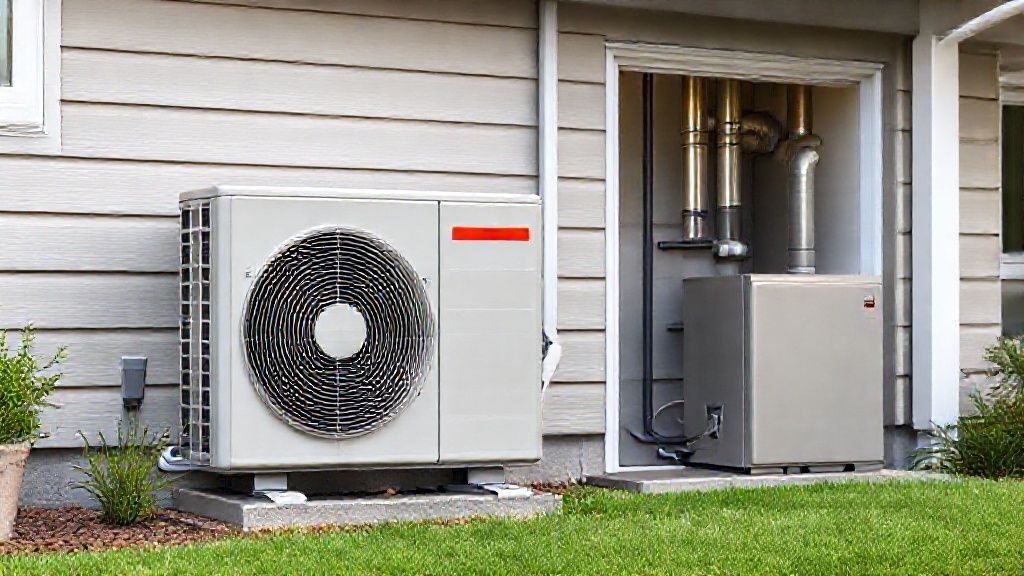
After decades in the HVAC business, I’ve seen just about every heating and cooling setup imaginable. From the old, clunky systems that barely kept a house comfortable to the sleek, high-efficiency units of today, one thing remains constant: people want to be comfortable in their homes without breaking the bank. That’s where a well-designed furnace and air conditioner system comes into play. It’s the backbone of your home’s climate control, working together to keep you warm in the winter and cool in the summer.
I remember a homeowner in Tampa, Florida, who had an old, failing split system. The AC unit was barely limping along through the humid summers, and the furnace, while rarely used in that climate, was original to the house and just inefficient. We installed a new, integrated system that not only cooled the house effectively but also significantly cut down on their energy bills, even during those brief cold snaps. They gained peace of mind knowing both heating and cooling were handled by a reliable, modern setup, without having to manage two entirely separate systems.
Key Highlights
- An integrated furnace and air conditioner system provides year-round climate control for optimal home comfort.
- Modern systems offer significant energy efficiency improvements, leading to lower utility bills.
- Proper sizing and professional installation are crucial for system performance and longevity.
- Regular maintenance, including filter changes and seasonal tune-ups, extends the life of your unit and maintains efficiency.
- Understanding efficiency ratings like AFUE, SEER2, and EER2 helps in making informed purchasing decisions.
Understanding Furnace & Air Conditioner Systems
When we talk about furnace and air conditioner systems, we’re generally referring to a “split system.” This is the most common type of HVAC setup in residential homes across the country. It’s called a split system because the primary components are literally split between two locations: an indoor unit and an outdoor unit.
The furnace is your indoor unit. It’s typically located in a basement, crawl space, utility closet, or attic. Its main job is to heat your home. When the thermostat calls for heat, the furnace ignites its burners (if it’s a gas furnace) or activates its electric heating elements, warming up a heat exchanger. A powerful fan, called the blower, then pushes air over this heated exchanger, warming the air before distributing it through your home’s ductwork. This same blower fan is also responsible for circulating cool air when your air conditioner is running.
The air conditioner is your outdoor unit. It contains a compressor, condenser coil, and a fan. When your thermostat calls for cooling, refrigerant circulates between the indoor and outdoor coils. The indoor evaporator coil absorbs heat and humidity from your home’s air, sending cooler, drier air through the ducts. The refrigerant then travels to the outdoor unit, where the compressor pressurizes it, and the condenser coil releases the absorbed heat into the outside air. The outdoor fan assists in dissipating this heat.
These two systems, the furnace and the air conditioner, share crucial components. They both use the same indoor blower fan and the same ductwork to distribute conditioned air throughout your house. This integration is what makes them a “system.” You’re not buying two entirely separate machines that operate independently; you’re investing in a coordinated comfort solution.
Beyond the main units, there are other important parts of the system: the thermostat, which is your control center; the ductwork, which carries the air; and refrigerant lines that connect the indoor and outdoor AC components. Each part plays a vital role in delivering consistent heating and cooling.
Benefits of Integrated HVAC Solutions
Opting for an integrated furnace and air conditioner system offers several clear advantages over trying to manage separate heating and cooling units or older, less efficient setups.
First and foremost is year-round comfort. With a single, coordinated system, you get reliable heating in the winter and effective cooling in the summer. This eliminates the need for window AC units or space heaters, providing consistent temperature control throughout your entire home. The airflow is centralized, ensuring every room with a vent receives conditioned air.
Improved efficiency is another major benefit. Modern furnace and AC systems are designed to work together seamlessly. They often feature advanced controls, variable-speed blowers, and high-efficiency ratings (like AFUE for furnaces and SEER2 for air conditioners). When these components are matched correctly, they operate at peak performance, using less energy to achieve your desired temperature. This translates directly into lower utility bills over time, which is a big deal with today’s energy costs.
These systems often lead to space savings. Because the furnace and the indoor coil for the air conditioner are typically housed together and share the same blower and ductwork, you’re not dedicating separate spaces for different pieces of equipment. The outdoor AC unit takes up minimal space on the exterior of your home, keeping your interior clutter-free.
From a financial standpoint, integrated systems can be more cost-effective to install and maintain. Installing both a furnace and an AC at the same time often means a single installation crew, less disruption, and potentially better pricing from an HVAC contractor. For maintenance, a technician can typically service both units during a single visit, checking all shared components like the thermostat, blower, and ductwork, saving you time and money on separate service calls.
Finally, many modern integrated systems can be equipped with accessories that enhance indoor air quality. Humidifiers, dehumidifiers, UV lamps, and advanced air filters can all be integrated into the central ductwork, improving the air you breathe throughout your home. This comprehensive approach to indoor comfort and air quality is hard to beat with piecemeal solutions.
Types of Furnace & AC Combinations
While the “split system” is the most common, there are a few different configurations and technologies that fall under the umbrella of furnace and air conditioner systems.
The standard split system, as described earlier, is what most homeowners have. It consists of an indoor furnace and evaporator coil paired with an outdoor air conditioner. These systems are highly customizable, allowing for various efficiency levels and features for both the heating and cooling components.
Another popular option, especially in climates with milder winters, is a heat pump system with a supplemental furnace. A heat pump is unique because it can both heat and cool. In cooling mode, it works much like a standard air conditioner, moving heat out of your home. In heating mode, it reverses the process, extracting heat from the outdoor air (even cold air has some heat energy) and transferring it indoors. However, when temperatures drop significantly, a heat pump’s efficiency can decrease. This is where the furnace comes in. Often, an electric or natural gas furnace is paired with the heat pump to provide “supplemental” or “auxiliary” heat when the outdoor temperature falls below a certain point (often around 35-40°F), ensuring your home stays warm efficiently. This is known as a dual-fuel system.
Packaged units are less common in traditional residential homes but are excellent for smaller homes, mobile homes, or some commercial applications where indoor space is limited. In a packaged unit, all the components – the furnace, evaporator coil, condenser coil, and compressor – are housed in a single cabinet, usually located on a concrete slab outside or on the roof. Conditioned air is then delivered through ductwork that connects directly to the unit. These are “all-in-one” solutions.
While not a traditional furnace/AC combination, it’s worth mentioning ductless mini-split systems. These provide heating and cooling to individual zones or rooms without the need for extensive ductwork. They consist of an outdoor condenser unit connected to one or more indoor air handlers. Some mini-splits are heat pump systems, offering both heating and cooling. While they don’t typically replace a whole-house furnace, they can be a great option for additions, converted garages, or homes where ductwork isn’t feasible. If you’re looking into specific applications or need to understand the different types of mini splits, it’s a good alternative to explore. For those interested in comprehensive solutions without ducts, checking out the best ductless heating cooling systems can provide more insight.
Understanding these combinations helps you decide what best fits your home’s structure, climate, and energy preferences.
Choosing the Right System for Your Home
Selecting the correct furnace and air conditioner system for your home isn’t a decision to take lightly. It impacts your comfort, energy bills, and overall home value for years to come. Here’s what you need to consider:
Proper Sizing is Critical
This is probably the most important factor. An undersized system won’t be able to keep your home comfortable on the hottest or coldest days. It will run constantly, struggling to reach the thermostat setting, which leads to increased wear and tear and higher energy bills. An oversized system is equally problematic. It will “short-cycle,” meaning it quickly reaches the set temperature and shuts off, leading to frequent on-off cycles. This not only wastes energy but also doesn’t allow the air conditioner enough time to properly dehumidify your home, leaving you with a clammy feeling even if the temperature is right. Proper sizing is determined by a professional load calculation, often called a Manual J calculation. This considers your home’s square footage, ceiling height, insulation levels, window types and orientation, local climate, and even the number of occupants.
Fuel Type
Your heating fuel choice will largely dictate your furnace type.
- Natural Gas: Often the most economical choice if available in your area. Natural gas furnaces are generally efficient and powerful.
- Propane: A good alternative if natural gas isn’t accessible. Propane furnaces are similar to natural gas but require a storage tank.
- Electric: Electric furnaces (or electric heat strips in a heat pump) are common where gas isn’t available or as a backup for heat pumps. Electricity can be more expensive than gas for heating in many regions.
- Oil: Less common today, but still used in some older homes or rural areas.
Efficiency Ratings
Understanding efficiency ratings helps you compare models and predict long-term operating costs.
- AFUE (Annual Fuel Utilization Efficiency): For furnaces, this percentage indicates how much of the fuel consumed is converted into usable heat. A 90% AFUE furnace means 90% of the fuel becomes heat, while 10% is lost through the exhaust. Higher AFUE means greater efficiency.
- SEER2 (Seasonal Energy Efficiency Ratio 2) & EER2 (Energy Efficiency Ratio 2): For air conditioners and heat pumps, these ratings measure cooling efficiency. SEER2 reflects performance over an entire cooling season, while EER2 measures efficiency at a specific outdoor temperature (95°F). Higher numbers mean greater efficiency. The current minimum SEER2 is 13.4-14.3 depending on region and system type, but much higher ratings are available.
Budget Considerations
Your budget will play a role, but it’s important to look beyond just the upfront cost. A cheaper, less efficient system might save you money initially but cost significantly more in energy bills over its lifespan. Sometimes, investing a bit more upfront for a higher-efficiency unit pays for itself through energy savings within a few years. Also, consider potential rebates or tax credits for high-efficiency installations.
Home Layout and Existing Ductwork
If you have existing ductwork, its condition and sizing are important. Old, leaky, or improperly sized ducts can severely undermine the efficiency of even the best new system. Sometimes, ductwork upgrades are necessary when installing a new furnace and AC. If you don’t have ductwork, or if your home layout makes it challenging, a ductless system might be considered as discussed before.
To ensure you make the best choice, it’s always wise to consult with a reputable HVAC professional. They can perform the necessary calculations and recommend options tailored to your specific situation. For information on general services, you might want to learn about best hvac practices to guide your decision-making.
Professional Installation & Replacement
You can buy the most advanced, high-efficiency furnace and air conditioner system on the market, but if it’s not installed correctly, it will never perform as it should. This isn’t a DIY job, nor is it something to trust to an inexperienced contractor. Professional installation is paramount for several critical reasons.
First, proper sizing and matching are vital. As I mentioned, an HVAC professional will perform a load calculation (Manual J) to determine the exact heating and cooling needs of your home. They also ensure that the furnace and AC outdoor unit are “matched systems.” This means the indoor coil, outdoor condenser, and furnace blower are designed to work together to achieve the advertised efficiency ratings. A mismatched system might technically work, but it won’t be efficient, will wear out faster, and won’t deliver optimal comfort.
Second, safety and code compliance are non-negotiable. HVAC systems involve electricity, natural gas lines, refrigerant, and exhaust venting. Incorrect wiring, improper gas line connections, or faulty venting can lead to serious hazards like carbon monoxide poisoning, fires, or refrigerant leaks. Professional installers are licensed, insured, and knowledgeable about local building codes and safety regulations. They ensure all connections are secure, ventilation is adequate, and the system operates safely. Often, permits are required for new HVAC installations, and a professional contractor will handle this process.
Third, system performance and longevity depend heavily on correct installation. This includes everything from properly sealing ductwork to charging the refrigerant to the manufacturer’s exact specifications. Minor errors can lead to significant efficiency losses, increased energy bills, frequent breakdowns, and a shorter lifespan for your expensive equipment. A professional will calibrate the system, test all components, and ensure it’s running optimally from day one.
During a replacement, a professional also handles the safe and responsible removal of your old equipment. This includes properly reclaiming refrigerant, which is a controlled substance due to its environmental impact, and disposing of old components according to regulations.
What should you expect during a professional installation?
- Site Assessment: The contractor will inspect your home, existing ductwork, and electrical/gas connections.
- Removal of Old Equipment: Your old furnace and AC units will be carefully disconnected and removed.
- Installation of New Units: The new furnace, indoor coil, and outdoor condenser will be put into place, and all necessary connections (electrical, gas, refrigerant lines, drain lines, exhaust venting) will be made.
- Ductwork Modifications: If needed, ducts will be repaired, sealed, or modified to ensure proper airflow.
- Testing and Calibration: The system will be powered up, tested for leaks, refrigerant levels will be checked and adjusted, and airflow will be balanced.
- Thermostat Installation: Your new thermostat will be installed and programmed.
- Walkthrough: The technician should walk you through the new system, explaining its operation, maintenance requirements, and answering any questions.
Don’t cut corners on installation. It’s an investment that pays dividends in comfort, safety, and efficiency. If you’re ready to get started, you can always contact us for a quote to discuss your specific needs.
Maintenance Tips for Your HVAC System
Once you have a new, efficient furnace and air conditioner system, the next step is keeping it running smoothly. Regular maintenance isn’t just about preventing breakdowns; it’s about maintaining efficiency, extending the lifespan of your equipment, and ensuring consistent comfort. Think of it like changing the oil in your car – it’s a small investment that prevents big problems.
Change Your Air Filters Regularly
This is the simplest and most crucial maintenance task you can do. A dirty air filter restricts airflow, forcing your blower fan to work harder, which wastes energy and can damage the motor. It also compromises indoor air quality. Check your filter monthly, especially during peak heating and cooling seasons, and replace it every 1-3 months, or more frequently if you have pets, allergies, or dusty conditions. Different filter types (MERV ratings) offer varying levels of filtration and airflow restriction, so choose wisely.
Schedule Annual Professional Tune-Ups
I can’t stress this enough. Have your furnace serviced in the fall before heating season and your air conditioner serviced in the spring before cooling season. A professional technician will:
- Clean coils (evaporator and condenser) for optimal heat transfer.
- Check refrigerant levels and inspect for leaks.
- Inspect electrical connections and components.
- Lubricate moving parts to reduce friction and wear.
- Check thermostat calibration.
- Inspect the condensate drain for clogs.
- Test safety controls.
- Examine the furnace’s heat exchanger for cracks (a potential source of carbon monoxide).
- Adjust burner components and gas pressure for proper combustion.
These tune-ups catch small issues before they become expensive repairs and ensure your system is running at peak efficiency.
Keep the Outdoor Unit Clear
Your outdoor AC condenser unit needs unobstructed airflow to dissipate heat effectively. Make sure to clear away leaves, grass clippings, dirt, and any other debris from around the unit. Trim back shrubs and plants at least two feet from all sides. Don’t store anything on or leaning against the unit.
Check Your Condensate Drain Line
The condensate drain line removes moisture (condensation) from your air conditioner. If it gets clogged with algae or debris, water can back up, leading to leaks, water damage, and even system shutdown (many ACs have a safety switch that turns the unit off if the drain pan fills). You can often flush it yourself with a mixture of vinegar and water to prevent clogs.
Program Your Thermostat Wisely
Using a programmable or smart thermostat can save you a lot of energy. Set it to adjust temperatures when you’re away from home or asleep. Avoid drastic temperature swings; a consistent, slightly higher temperature in summer and slightly lower in winter when you’re not home is more efficient than letting your home get very hot or cold and then blasting the system to catch up.
Ensure Proper Ventilation
Make sure supply and return air vents inside your home aren’t blocked by furniture, rugs, or drapes. Clear pathways allow for proper airflow and distribution of conditioned air.
By following these maintenance tips, you’re not just taking care of your equipment; you’re taking care of your comfort and your wallet. Consistent care can add years to the life of your furnace and AC system.
Energy Efficiency & Cost Savings
Beyond the initial investment and the ongoing maintenance, the energy efficiency of your furnace and air conditioner system is where significant cost savings can be realized over the long term. With rising energy costs, maximizing efficiency is more important than ever.
High-Efficiency Units
As discussed, look for high AFUE ratings for furnaces and high SEER2/EER2 ratings for air conditioners. While these units often have a higher upfront cost, their reduced energy consumption can lead to substantial savings on your utility bills. This difference is especially noticeable in climates with extreme temperatures where your HVAC system runs frequently.
Smart and Programmable Thermostats
Upgrading to a smart thermostat is one of the quickest ways to improve energy efficiency. These devices allow you to:
- Program Schedules: Automatically adjust temperatures based on your daily routine.
- Remote Control: Adjust settings from your phone, even when you’re away.
- Learning Capabilities: Some smart thermostats learn your preferences and optimize schedules automatically.
- Energy Reports: Provide insights into your energy usage patterns, helping you identify areas for improvement.
By setting back the temperature a few degrees when you’re not home or asleep, you can save a significant amount of energy without sacrificing comfort when you need it.
Proper Insulation and Air Sealing
Your HVAC system’s efficiency is only as good as your home’s envelope. Even the most efficient furnace and AC will struggle and waste energy if heated or cooled air is constantly escaping through leaky windows, doors, or poorly insulated walls and attics.
- Insulation: Ensure your attic, walls, and crawl spaces have adequate insulation R-values for your climate zone.
- Air Sealing: Seal cracks and gaps around windows, doors, electrical outlets, and plumbing penetrations. Weatherstripping and caulk are your best friends here.
- Window Upgrades: Energy-efficient windows (double or triple-pane with low-E coatings) significantly reduce heat transfer.
These improvements reduce the workload on your HVAC system, allowing it to run less often and more efficiently.
Ductwork Integrity
Ductwork that is leaky or poorly insulated can lose a substantial amount of conditioned air before it ever reaches your living spaces. In fact, typical duct systems lose 20-30% of the air moving through them due to leaks, holes, and uninsulated sections. Having your ductwork inspected, sealed, and properly insulated can drastically improve your system’s efficiency.
Zoning Systems
If you have a large home or distinct areas with different heating/cooling needs (e.g., a sunny side and a shady side, or an upstairs that gets much hotter than downstairs), a zoning system can be a great investment. This involves installing dampers in your ductwork, controlled by separate thermostats, to direct conditioned air only where it’s needed. This prevents you from overheating or overcooling unused parts of your home, saving energy.
Utilize Natural Ventilation and Shade
Sometimes, the simplest solutions are the best. Open windows on cool evenings to let in fresh air. Use blinds and curtains to block direct sunlight during hot parts of the day. Planting shade trees strategically around your home can also reduce your cooling load in the summer.
Rebates and Incentives
Don’t forget to check for local utility rebates, manufacturer incentives, or federal tax credits for installing high-efficiency HVAC equipment. These programs can significantly offset the upfront cost of a new system, making the investment even more attractive. Many manufacturers like those that produce pentair ac units, will have specific rebate programs available.
By combining an efficient system with smart home improvements and diligent maintenance, you can achieve optimal comfort while significantly reducing your long-term energy expenditures.
Frequently Asked Questions (FAQs) About HVAC Systems
How long do furnace and AC systems typically last?
Generally, an air conditioner unit can last between 10-15 years, while a furnace can last 15-20 years. Lifespan depends heavily on the quality of the installation, how well the system is maintained, and how frequently it’s used. Skipping annual maintenance or improper sizing can significantly shorten these lifespans.
What’s the best temperature setting for my thermostat?
For cooling in summer, most experts recommend setting your thermostat to around 78°F when you’re home. For heating in winter, around 68°F is a common recommendation. When you’re away or asleep, you can adjust these settings a few degrees (up in summer, down in winter) to save energy. Personal comfort varies, but these are good starting points for efficiency.
Why is my AC freezing up?
An AC unit freezing up (ice on the coils or refrigerant lines) is a common issue with a few potential causes: a dirty air filter restricting airflow, low refrigerant levels (indicating a leak), a malfunctioning blower motor, or a clogged condensate drain. This is a problem that requires professional attention, as it can damage the compressor if ignored.
Can I replace just my furnace or just my AC unit?
Yes, it is possible to replace just one component. However, it’s generally recommended to replace both the furnace and AC at the same time, especially if they are both old. A new, high-efficiency unit paired with an old, less efficient counterpart may not operate at its advertised efficiency and can even lead to premature wear. Mismatched systems often lead to inefficiencies and unbalanced performance. A professional technician can assess your specific situation and advise on the best course of action.
What do SEER2, EER2, and AFUE ratings mean?
AFUE (Annual Fuel Utilization Efficiency) is for furnaces and indicates how efficiently the furnace converts fuel into heat. A higher percentage means more heat for less fuel.
SEER2 (Seasonal Energy Efficiency Ratio 2) is for air conditioners and heat pumps in cooling mode. It measures the cooling output over a typical cooling season divided by the total electric energy input during the same period. Higher numbers mean greater efficiency.
EER2 (Energy Efficiency Ratio 2) is also for cooling but measures efficiency at a specific outdoor temperature (95°F). It’s a snapshot of performance under peak conditions, while SEER2 is an average over a season. Both are important for understanding cooling efficiency.
How often should I have my ductwork cleaned?
The National Air Duct Cleaners Association (NADCA) generally recommends inspecting your ductwork every 3-5 years and cleaning it as needed. Factors like pets, allergies, recent home renovations, or visible mold growth in the ducts might warrant more frequent cleaning.
Final Thoughts
Navigating the world of furnace and air conditioner systems might seem complex, but at its core, it’s about making smart choices for your home’s comfort, energy efficiency, and your peace of mind. Investing in a quality, properly sized, and professionally installed system is one of the most impactful decisions you can make for your home. It’s not just about heating and cooling; it’s about creating a healthy, consistent indoor environment where you and your family can thrive.
Remember, the upfront cost is only part of the equation. Consider the long-term energy savings, the reduced likelihood of costly breakdowns, and the enhanced comfort that a well-maintained, efficient system provides. Don’t hesitate to reach out to a trusted HVAC professional in your area. They can offer tailored advice, perform crucial load calculations, and ensure your system is perfectly matched to your home’s needs. A little planning and a commitment to regular maintenance will keep your furnace and AC system running smoothly for years to come.