As an HVAC expert who’s spent decades looking at heating and cooling systems in all kinds of homes, I can tell you that mobile home electric furnaces are a unique beast. They’re often misunderstood, but with the right information, you can make sure your manufactured home stays warm and comfortable without breaking the bank. I’ve seen firsthand how a well-chosen and properly maintained electric furnace can be a reliable and efficient heat source for mobile homes, provided you know what to look for and how to care for it.
I remember a job back in Tampa, Florida, where a family was running up huge electric bills trying to heat their older mobile home with an ancient, oversized electric furnace. It was constantly cycling, and they were always cold. We did an energy audit, found a lot of air leaks in their ductwork, and eventually replaced their furnace with a properly sized, modern unit, along with sealing up those leaks. The difference in their comfort and their utility bill was substantial. It just goes to show you, sometimes the simplest solutions, backed by professional advice, make the biggest impact when it comes to keeping a manufactured home comfortable and efficient.
Key Highlights
- Mobile home electric furnaces are specifically designed for the unique ductwork and space constraints of manufactured homes.
- They offer significant benefits including safety (no combustion byproducts), lower upfront costs, and generally quiet operation.
- Proper sizing is critical; an undersized or oversized unit will lead to inefficiency and discomfort.
- Regular maintenance, especially filter changes, is essential for optimal performance and longevity.
- While generally efficient in upfront cost, running costs can be higher in very cold climates compared to gas furnaces or heat pumps.
- Consider a high-efficiency heat pump as an alternative for combined heating and cooling, offering better energy savings.
What is a Mobile Home Electric Furnace?
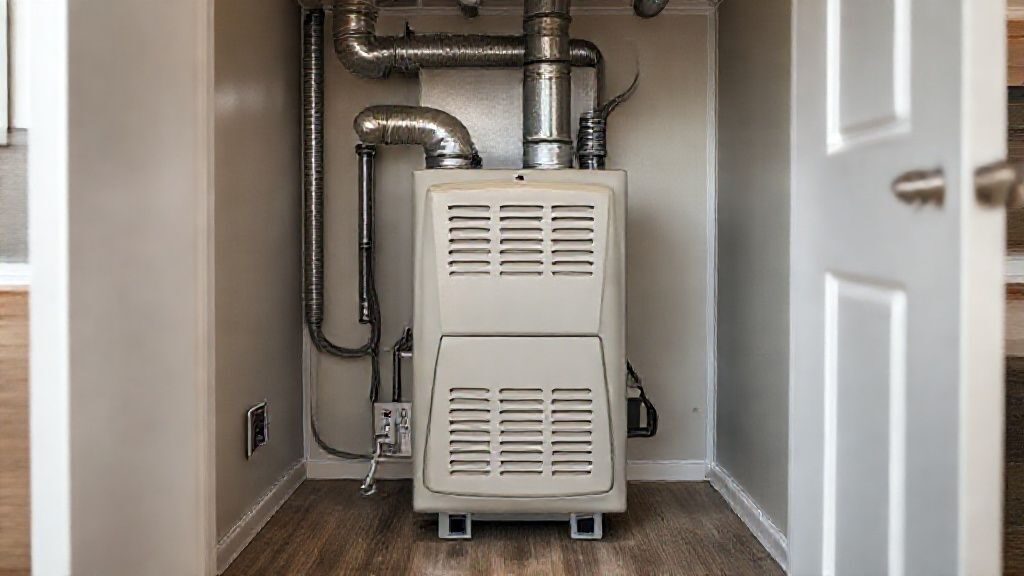
A mobile home electric furnace is a heating appliance specifically designed to fit the unique requirements and structural characteristics of manufactured homes. Unlike site-built homes, mobile homes often have different ductwork configurations, usually downflow designs where air is blown downwards into the floor or crawl space, and more compact utility spaces. An electric furnace for a mobile home operates by passing air over electrically heated coils, often referred to as heating elements. These elements get hot, and a blower fan then pushes air across them, distributing the warmed air through your home’s duct system.
The core principle is simple: electricity converts directly into heat. There’s no combustion, no flame, and no exhaust flue needed, which simplifies installation and removes the need for gas lines or fuel tanks. This makes them a straightforward and relatively safe heating option. They are often smaller in physical footprint compared to traditional furnaces for site-built homes, designed to fit into closets or utility rooms common in mobile home layouts. While the concept is simple, the internal components, like the sequencer that stages the heating elements, the safety limit switches, and the powerful blower motor, are robust and designed for reliable operation.
When we talk about a mobile home electric furnace, we’re typically looking at units rated in kilowatts (kW) which translate directly into British Thermal Units (BTUs) of heat output. For example, a 10 kW unit produces roughly 34,120 BTUs per hour. These furnaces are engineered to handle the specific airflow characteristics and static pressure of manufactured home duct systems, which are often less extensive or designed differently than those in traditional stick-built homes. This specialized design ensures proper heat distribution and system efficiency within the unique environment of a mobile home.
Benefits of Electric Furnaces for Manufactured Homes
Electric furnaces offer several compelling advantages for homeowners living in manufactured homes. The first and most significant benefit is safety. Since there’s no combustion involved, you eliminate the risks associated with burning fossil fuels, such as carbon monoxide leaks or gas explosions. There’s no pilot light to worry about, and no flame, which can be a real peace of mind for many families. This also means no need for a chimney or flue pipe, simplifying installation and reducing potential maintenance points.
Another major benefit is the generally lower upfront cost and easier installation. Electric furnaces are often less expensive to purchase than gas furnaces or heat pumps. Because they don’t require gas lines, venting systems, or a complex refrigerant loop, the installation process can be quicker and less costly, especially if your mobile home is already wired for the necessary electrical service. This can be a significant factor for homeowners on a budget.
Quiet operation is another plus. While the blower fan will always make some noise, electric furnaces generally operate more quietly than gas furnaces, which can have the added sound of combustion and venting. The absence of a burner also means fewer moving parts in the heating section, contributing to less noise and potentially fewer mechanical breakdowns related to combustion components.
Furthermore, electric furnaces are typically compact and durable. Their design is often streamlined to fit into the tight utility closets or spaces found in manufactured homes. They are built to be robust, and with proper maintenance, they can offer many years of reliable service. Their simplicity means fewer complex components that can fail, making them a straightforward choice for basic, dependable heating. For those without access to natural gas lines, or who prefer to avoid propane, an electric furnace offers a readily available and practical heating solution.
Key Considerations When Choosing Your Mobile Home Electric Furnace
Choosing the right electric furnace for your mobile home isn’t just about picking the cheapest option. You need to consider several factors to ensure you get a system that’s efficient, effective, and built to last. The first thing to focus on is sizing. This is probably the most critical decision. Furnaces are rated in BTUs (British Thermal Units), and matching the BTU output to your home’s heat load is essential. An undersized furnace will run constantly and still not keep your home warm enough, especially on the coldest days. An oversized furnace, on the other hand, will cycle on and off too frequently, leading to uneven heating, increased wear and tear on components, and higher energy bills. A professional HVAC technician can perform a load calculation (often called a Manual J calculation) to accurately determine the specific BTU requirements for your home, taking into account factors like square footage, insulation levels, window quality, and climate.
Efficiency ratings are another important consideration. While electric furnaces convert nearly all electrical energy into heat (making them 100% efficient at the point of heating), their overall operational cost depends heavily on the price of electricity. Look for models with good blower motor efficiency and features that help manage power consumption. Some units might offer multi-stage heating or variable-speed blowers, which can provide more consistent temperatures and potentially reduce energy consumption by running at lower speeds when full capacity isn’t needed.
You also need to ensure the furnace is specifically designed for mobile homes. This isn’t just a marketing tag; it means the unit is certified to meet specific safety and performance standards for manufactured housing, including airflow requirements for downflow applications and appropriate clearances. Using a standard furnace in a mobile home can lead to safety hazards, poor performance, and potentially void warranties.
Consider the brand and warranty. Established manufacturers often provide better customer support and more reliable components. A good warranty offers peace of mind regarding future repairs. Finally, think about any additional features you might want, such as compatibility with smart thermostats, advanced air filtration options, or a design that makes future heat pump add-ons easier. If you’d like to see our furnace selection, we have a range of options suitable for various mobile home setups.
Installation & Sizing: Getting it Right for Your Mobile Home
Getting the installation and sizing right for your mobile home electric furnace is paramount for both comfort and efficiency. I’ve seen too many situations where homeowners suffer because someone tried to guess on the sizing or cut corners on the install. As I mentioned, an accurately performed load calculation is the cornerstone of proper sizing. This isn’t a DIY job for most people; it requires specific software and understanding of building science. Factors like your home’s age, insulation R-values, window types, local climate data, and even the orientation of your home all play a role in determining the correct BTU output needed.
Once the size is determined, the actual installation needs to be handled by a qualified professional who understands mobile home HVAC systems. Manufactured homes have unique ductwork systems. Many utilize a downflow furnace, where the hot air is blown downwards into a plenum beneath the floor, which then distributes air to the registers. The existing ductwork, often consisting of flexible ducts or sheet metal ducts that run through the floor joists, must be compatible with the new furnace. Any modifications need to be done carefully to maintain proper airflow and prevent leaks. Leaky ducts are a significant source of energy waste, especially in mobile homes where ducts can be exposed to unconditioned crawl spaces.
Proper electrical wiring is another critical aspect. Electric furnaces draw a substantial amount of power, so ensuring your home’s electrical panel and wiring are up to code and can handle the load is essential. This often involves dedicated circuits and appropriate breaker sizes. A professional installer will verify this and make any necessary upgrades. They will also properly connect the thermostat wiring, ensuring accurate temperature control and efficient operation of the heating elements and blower fan.
Finally, airflow calibration and system testing are crucial steps that often get overlooked. The technician should verify that the blower motor is moving the correct amount of air (CFM) for the size of the furnace and the home’s duct system. This includes checking static pressure and adjusting fan speeds if necessary. A thorough test run will confirm that all heating elements are engaging, safety controls are functioning, and heated air is being distributed evenly throughout the home. Skipping these steps can lead to inefficiencies, premature component failure, and a system that never quite performs as it should.
Maintenance Tips for Long-Lasting Performance
Maintaining your mobile home electric furnace isn’t complicated, but it is absolutely essential if you want it to run efficiently and last for years. Think of it like changing the oil in your car – neglect it, and you’ll eventually pay a much higher price. The good news is, much of the routine maintenance is something you can handle yourself.
Change your air filter regularly. This is by far the most important maintenance task. A dirty filter restricts airflow, forcing your furnace’s blower motor to work harder, consuming more electricity, and potentially leading to overheating. It also reduces heating efficiency and can impact indoor air quality. I recommend checking your filter monthly and replacing it every 1-3 months, depending on factors like pet ownership, allergies, and general dust levels in your home. Always use the correct size and MERV rating specified by your furnace manufacturer.
Keep the area around your furnace clear. Your furnace needs proper airflow to operate safely and efficiently. Make sure there’s at least a few feet of clear space around the unit. Don’t use the furnace closet as a storage space for clothes, boxes, or anything else that could obstruct vents or create a fire hazard. Keeping it clean and free of debris will also help prevent dust from being drawn into the system.
Check and clean your registers and returns. Periodically remove dust and debris from your supply registers (where heated air comes out) and return air grilles (where air is drawn back into the system). Blocked registers can disrupt airflow and create uneven heating. You can usually just vacuum them to keep them clean.
Consider a professional tune-up annually. While you can handle the basic tasks, having a qualified HVAC technician inspect your electric furnace once a year is a smart investment. During a professional tune-up, they will:
- Inspect and clean the heating elements.
- Check electrical connections for tightness and signs of wear.
- Lubricate the blower motor (if applicable).
- Test the thermostat for accuracy.
- Verify proper amperage draw.
- Inspect the blower wheel for cleanliness and balance.
- Check safety controls to ensure they are functioning correctly.
- Inspect ductwork for leaks or damage.
A professional can catch small issues before they become expensive problems, optimize your system’s performance, and extend its lifespan. This preventative maintenance not only saves you money on energy bills but also provides peace of mind that your heating system is ready for winter.
Troubleshooting Common Electric Furnace Issues
Even with good maintenance, your electric furnace might occasionally run into a snag. Knowing some common troubleshooting steps can often save you a service call or at least help you describe the problem clearly to a technician. Here are some typical issues and what to check:
No Heat or Insufficient Heat
- Check the Thermostat: First, ensure your thermostat is set to “Heat” and the temperature setting is higher than the current room temperature. Also, check if the batteries need replacing if it’s a digital thermostat.
- Check the Circuit Breaker: Electric furnaces draw a lot of power and are typically on their own dedicated circuit. Go to your electrical panel and check if the furnace breaker has tripped. Flip it completely off, then firmly back on. If it trips immediately again, you likely have an electrical issue that requires a professional.
- Check the Furnace Kill Switch: Many furnaces have a standard light switch nearby, often mounted on the wall or directly on the furnace unit. Make sure it’s in the “On” position. Sometimes these get accidentally turned off.
- Dirty Air Filter: A severely clogged filter can restrict airflow so much that the furnace’s high-limit switch trips, shutting off the heating elements to prevent overheating. Change the filter and reset the power (at the breaker) to see if it resolves the issue.
Blower Not Running or Running Continuously
- Blower Not Running: If the furnace isn’t heating and the blower isn’t coming on, it could be a thermostat issue (fan setting to “Auto” instead of “On” when there’s no heat call), a tripped breaker, or a problem with the blower motor or capacitor.
- Blower Running Continuously: If the blower runs non-stop, even when there’s no call for heat, check your thermostat’s fan setting. It should be on “Auto” for normal operation. If it’s set to “On,” that’s likely the cause. If it’s on “Auto” and still running, you might have a stuck relay or a problem with the furnace control board, requiring professional diagnosis.
Unusual Noises
- Squealing or Grinding: This often indicates a problem with the blower motor. It could be worn bearings, a failing motor, or a loose fan belt (less common in newer direct-drive motors). This definitely warrants a professional inspection.
- Clicking Sounds: A common sound is the clicking of relays or sequencers engaging the heating elements. This is normal. However, if you hear repetitive clicking without the furnace starting, it could be a faulty control board or relay.
- Rattling: Loose access panels, ductwork connections, or debris in the blower wheel can cause rattling. Check that all panels are securely fastened.
Furnace Cycles On and Off Too Frequently (Short Cycling)
- Dirty Air Filter: Again, a clogged filter can cause overheating and short cycling.
- Oversized Furnace: If your furnace is too big for your mobile home, it will heat the space too quickly, satisfy the thermostat, and shut off, only to turn back on shortly after. This is why proper sizing is so crucial.
- Blocked Vents: Make sure all supply and return vents are open and unobstructed.
If these basic checks don’t resolve the issue, it’s time to call a qualified HVAC technician. Don’t attempt complex electrical repairs yourself; it can be dangerous and could cause further damage to your system.
Cost Factors: Unit Price, Installation, and Running Costs
When considering a mobile home electric furnace, it’s important to look at the full picture of costs, not just the sticker price. There are three main components: the unit itself, the installation, and the ongoing running costs.
Unit Price
The price of the electric furnace unit itself for a mobile home can vary significantly based on its heating capacity (BTUs or kW), brand, features, and efficiency ratings. Generally, you can expect to pay anywhere from $800 to $2,500 for the furnace unit alone. Larger units with more features or higher efficiency ratings will be at the higher end of that spectrum. Basic, no-frills models will be on the lower end. Keep in mind that mobile home specific furnaces might sometimes carry a slight premium due to their specialized design and certifications.
Installation Costs
Installation costs are another major factor. This can range from $500 to $2,000 or more, depending on the complexity of the job, your location, and the professional you hire. Factors influencing installation cost include:
- Ductwork Modifications: If your existing ductwork needs significant repairs, sealing, or replacement to accommodate the new unit, this will add to the cost.
- Electrical Upgrades: Older mobile homes might require upgrades to the electrical panel or dedicated circuits to handle the power draw of a new electric furnace. This can be a substantial additional cost.
- Removal of Old Unit: Most quotes will include the removal and disposal of your old furnace.
- Permits: Many localities require permits for HVAC installations, which adds a small administrative fee.
- Labor Rates: These vary widely by region and by the experience level of the HVAC company.
Always get multiple quotes from qualified, licensed professionals. Make sure the quotes are detailed and include all potential charges. This can help you avoid unexpected expenses.
Running Costs (Energy Bills)
This is where electric furnaces can be a double-edged sword, especially in colder climates. While they are 100% efficient at converting electricity into heat, the cost of electricity per BTU can be higher than natural gas or even propane in many areas. Your running costs will depend on several factors:
- Cost of Electricity: This is the biggest variable. Electricity rates fluctuate and vary significantly by state and even by utility provider. You can find your current rate on your utility bill.
- Heating Load: How much heat your home actually needs. A well-insulated, well-sealed mobile home will have lower heating costs than an older, drafty one.
- Climate: If you live in a mild climate where you only need heat for a few months a year, the higher per-BTU cost of electricity might not be a major concern. In regions with long, cold winters, this can become a significant monthly expense.
- Thermostat Settings: Keeping your thermostat set lower, especially when you’re away or asleep, can lead to considerable savings. Using a programmable or smart thermostat helps manage this efficiently.
- System Efficiency: While electric furnaces are efficient in terms of conversion, factors like a clean filter, clean coils, and well-sealed ductwork contribute to the overall efficiency of heat delivery.
To estimate your monthly running costs, you can use a formula: (Furnace kW rating) x (Hours of operation per month) x (Cost per kWh). Keep in mind the furnace won’t run at full capacity all the time, so average monthly run times are estimates.
When you total these factors, an electric furnace can be a cost-effective choice for many mobile home owners, particularly in moderate climates or where natural gas isn’t available. However, for those in very cold regions, or seeking to minimize long-term energy bills, exploring alternatives like heat pumps, which offer superior efficiency, is often a wise move.
Electric Furnaces vs. Other Mobile Home Heating Options
While electric furnaces are a common and reliable choice for mobile homes, they’re not the only option. Understanding how they stack up against other heating systems can help you make the best decision for your specific needs and budget.
Electric Furnace vs. Heat Pump
This is probably the most direct comparison. A heat pump is essentially an air conditioner that can run in reverse, moving heat from outside to inside your home during winter, and from inside to outside during summer.
The key difference is efficiency. While an electric furnace converts electrical energy directly into heat at roughly 100% efficiency, a heat pump doesn’t “create” heat; it “moves” it. This process is much more efficient, often achieving 200-400% efficiency (meaning for every unit of electricity consumed, it delivers 2-4 units of heat). This translates to significantly lower running costs, especially in moderate climates.
However, heat pumps have a higher upfront cost than electric furnaces. In very cold climates, below freezing, a heat pump’s efficiency drops, and it will rely on auxiliary electric resistance heat (just like an electric furnace) to supplement its heating. Many heat pumps are paired with an electric furnace as a “hybrid” system for backup. If you’re looking for an all-in-one heating and cooling solution with excellent energy efficiency, particularly in moderate climates, a heat pump mini split or central heat pump is often the superior choice for long-term savings.
Electric Furnace vs. Natural Gas Furnace
If your mobile home has access to natural gas, a gas furnace is a strong contender. Natural gas is often a cheaper fuel source per BTU than electricity, making gas furnaces generally less expensive to operate in colder climates. Gas furnaces heat up very quickly and provide a strong, immediate burst of warmth.
However, gas furnaces have a higher upfront cost than electric furnaces, and installation is more complex. They require gas lines, a vent system (flue pipe) for combustion byproducts, and more stringent safety checks. There’s also the inherent risk of carbon monoxide leaks, although modern units have many safety features. For mobile homes, finding a properly sized and certified natural gas furnace can sometimes be more challenging than an electric one, and not all mobile home parks offer natural gas hookups. Propane furnaces are similar but use propane stored in a tank, which adds fuel delivery and storage considerations.
Electric Furnace vs. Ductless Mini-Splits
Ductless mini-splits are heat pump systems that don’t require ductwork. They consist of an outdoor unit and one or more indoor air-handling units, each controlling a specific zone. They offer excellent efficiency, individual zone control (heating or cooling only the rooms you’re using), and don’t require the extensive ductwork that can be problematic in some older mobile homes.
Mini-splits can be an excellent retrofit option for mobile homes, especially for additions or for homes with inadequate existing ductwork. While the upfront cost for a multi-zone system can be higher than a single electric furnace, the energy savings and zoning capabilities often make them a worthwhile investment. If you’re curious about options like a mini split classic system, or wondering how much does ductless ac cost for different configurations, these are viable, efficient alternatives for heating and cooling.
Electric Furnace vs. Wood Stoves/Pellet Stoves
These options provide radiant heat and can significantly reduce electricity bills, especially if wood is inexpensive or free. However, they require manual loading of fuel, regular cleaning (ash removal), and proper venting. Safety is a major concern in mobile homes due to fire risk and clearances. Installation is complex and often requires professional certification to meet stringent safety codes for manufactured housing. They are typically used as supplementary heating rather than a primary system.
In summary, the best heating option depends on your climate, budget, access to fuel sources, and your home’s existing infrastructure. For many mobile homeowners, the electric furnace provides a straightforward, safe, and cost-effective heating solution, particularly if electricity rates are reasonable or combined with good insulation.
Finding a Qualified Mobile Home HVAC Professional
Finding the right HVAC professional for your mobile home electric furnace is not something to take lightly. Manufactured homes have specific requirements and building codes that differ from traditional stick-built homes, and you need a technician who understands those nuances. Don’t just call the first name in the phone book; do your homework.
Here’s what to look for and how to find a reliable pro:
- Specialized Experience with Mobile Homes: This is crucial. Ask directly if they have experience working on manufactured homes, not just site-built homes. Mobile home ductwork, unit clearances, and electrical systems can be different, and a generalist might not be aware of these specifics, potentially leading to improper installation, code violations, or inefficient operation.
- Licensing and Insurance: Always verify that the company and technicians are fully licensed and insured in your state and locality. This protects you from liability in case of accidents or faulty work. Don’t be afraid to ask for proof of both.
- Reputation and References: Check online reviews on platforms like Google, Yelp, or the Better Business Bureau. Look for consistent positive feedback regarding professionalism, quality of work, and customer service. Ask for references from past customers, especially those with mobile homes, if you’re getting a major installation done.
- Clear, Detailed Estimates: A reputable professional will provide a written, itemized estimate that clearly outlines the scope of work, the cost of the furnace unit, labor, any necessary electrical or ductwork modifications, and the timeline. Be wary of quotes that are significantly lower than others, or those that lack detail.
- Warranties and Guarantees: Inquire about warranties on both the equipment and the installation labor. A good company will stand behind their work. Understand what’s covered and for how long.
- NATE Certification: While not specific to mobile homes, NATE (North American Technician Excellence) certification indicates that a technician has passed rigorous industry-recognized exams. It’s a good sign of competence and commitment to ongoing training.
- Communication and Professionalism: Pay attention to how the company communicates with you from the first call. Are they responsive? Do they answer your questions thoroughly? A professional company will be transparent and easy to work with.
When you’re ready to discuss your heating needs or get a quote for a new electric furnace, don’t hesitate to contact us for a quote. We have experience with manufactured home systems and can help guide you through the process, ensuring you get a system that’s perfectly suited for your home and budget.
Frequently Asked Questions About Mobile Home Electric Furnaces
Q1: How long does a mobile home electric furnace typically last?
A: With proper installation and regular maintenance, a mobile home electric furnace can typically last between 15 to 20 years. Factors like how often it’s used, the quality of the unit, and consistent filter changes play a significant role in its lifespan.
Q2: Are electric furnaces for mobile homes efficient?
A: Electric furnaces convert nearly 100% of the electricity they consume directly into heat, so in terms of conversion efficiency, they are excellent. However, whether they are “cost-efficient” depends heavily on your local electricity rates. In areas with high electricity costs, the running costs can be higher than other fuel sources like natural gas. For overall energy savings, especially with cooling needs, a heat pump is often more efficient.
Q3: Can I replace my mobile home electric furnace with a gas furnace?
A: Yes, it’s possible, but it’s a more complex conversion. It would require running a gas line to your home, installing a vent system (flue pipe) for exhaust, and potentially upgrading your furnace closet for proper clearances. This is a significant undertaking that requires professional planning and installation to ensure safety and compliance with all codes.
Q4: What’s the biggest difference between a mobile home furnace and a regular home furnace?
A: The primary differences are typically size, configuration, and certifications. Mobile home furnaces are often more compact and are usually designed for downflow airflow, blowing heat downwards into the floor plenum. They also carry specific certifications to meet the unique building codes for manufactured homes, ensuring they are safe and compatible with the structural characteristics of these residences.
Q5: Can I install an electric furnace myself in my mobile home?
A: I strongly advise against DIY installation of an electric furnace. These units involve high voltage electrical connections and require precise sizing, ductwork connections, and safety checks. Improper installation can lead to electrical hazards, fire risks, inefficient operation, and could void your warranty or insurance. Always hire a licensed and experienced HVAC professional who specializes in manufactured homes.
Q6: How often should I change the air filter in my mobile home electric furnace?
A: You should check your air filter monthly and typically replace it every 1 to 3 months. If you have pets, allergies, or a very dusty environment, you might need to change it more frequently. A clean filter is crucial for the furnace’s efficiency and your home’s air quality.
Final Thoughts
Navigating the world of mobile home heating can seem a bit daunting, but understanding the ins and outs of your electric furnace is a straightforward process. As I’ve seen over my many years in this field, a well-chosen, properly installed, and consistently maintained electric furnace can provide reliable and safe heat for your manufactured home for a long time. It’s all about making informed decisions.
Remember, the upfront cost is only one piece of the puzzle; factor in the running costs based on your local electricity rates and the long-term benefits of efficiency and reliability. Don’t underestimate the value of professional sizing and installation tailored specifically for mobile homes. And finally, make filter changes a habit and consider an annual professional tune-up. These simple steps will go a long way in ensuring your mobile home stays comfortable, your energy bills remain manageable, and your electric furnace serves you well through many heating seasons. Your comfort and safety are worth the attention to detail.