When I think about HVAC systems, I always remember a homeowner I met in Denver. She had an older home, and her existing setup was a traditional furnace for heat and a separate, aging central air conditioner for cooling. She was constantly battling inconsistent temperatures, high energy bills, and the sheer volume of equipment taking up space in her utility closet. Her biggest pain point was the cost and complexity of maintaining two entirely separate systems. She was looking for something that could simplify things, improve comfort, and cut down on those monthly expenses. We walked through her options, and a modern A/C heat pump system quickly rose to the top of the list.
That story isn’t unique. Many homeowners today are in a similar spot, wondering if there’s a better way to keep their homes comfortable year-round without breaking the bank. An A/C heat pump system offers exactly that solution. It’s a single unit designed to provide both heating and cooling, drawing heat from one place and moving it to another. It’s not just about convenience; it’s about smart energy use and consistent comfort. Let’s dig into what makes these systems so effective.
Key Highlights
- Dual Functionality: Provides both efficient heating and cooling from a single system.
- Energy Efficiency: Moves heat rather than generating it, significantly reducing energy consumption.
- Year-Round Comfort: Delivers consistent temperatures with precise control, eliminating hot and cold spots.
- Environmental Benefits: Lower carbon footprint due to reduced fossil fuel reliance.
- Cost Savings: Leads to lower utility bills compared to separate furnace and A/C units.
- Versatility: Suitable for a wide range of climates, with specialized models for colder regions.
What is an AC Heat Pump System?
Alright, let’s get down to brass tacks. At its core, an A/C heat pump system is a piece of HVAC equipment that functions as both an air conditioner and a heater. Think of it as a two-in-one comfort solution. Most people are familiar with air conditioners; they cool your home by moving heat out of it. A heat pump does the exact same thing in cooling mode. The clever part is that it can reverse its operation, pulling heat from the outside air (even cold air has some heat in it) and moving it into your home during the colder months.
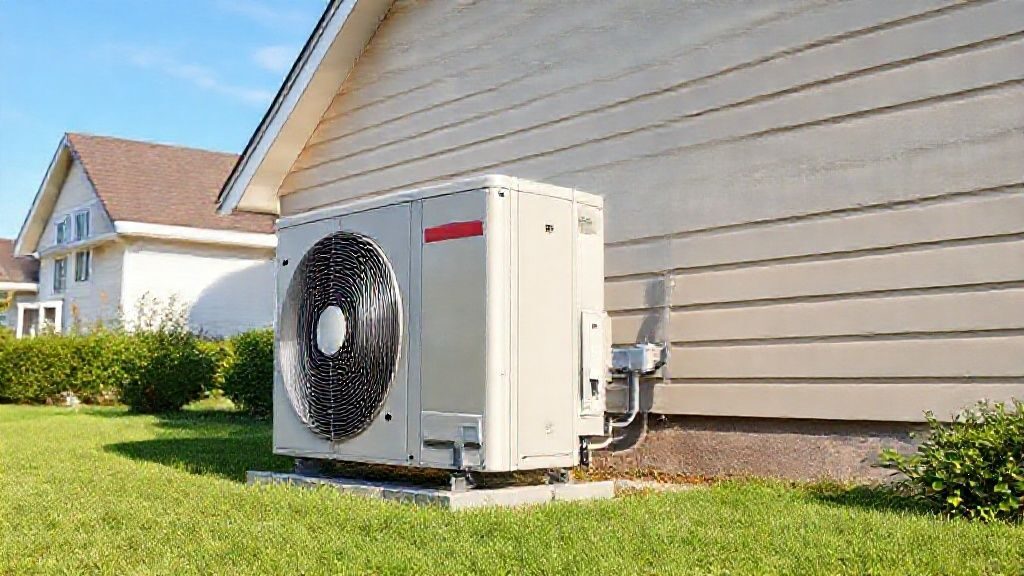
This means you don’t need a separate furnace and an air conditioning unit. One outdoor unit, which many folks simply call the outside ac unit name, works in conjunction with an indoor unit – typically an air handler or a furnace with an evaporator coil – to provide comfort all year long. This simplification reduces the amount of equipment you need, streamlines maintenance, and often saves space. It’s a robust, well-engineered system designed for reliable performance across various climates.
I’ve seen these systems installed in everything from small starter homes to larger custom builds. The common thread is always the homeowner’s desire for efficiency and straightforward comfort control. Instead of burning fuel to create heat, a heat pump just moves existing heat. That’s the fundamental difference, and it’s what makes them so remarkably efficient, especially when compared to traditional heating methods.
How Do Heat Pumps Work? Understanding the Cycle
To truly appreciate an AC heat pump, you need to understand the simple principle behind its operation. It’s not magic; it’s thermodynamics at work. A heat pump operates on the same basic refrigeration cycle as a refrigerator or a traditional air conditioner. The key difference, as I mentioned, is its ability to reverse that cycle.
The Cooling Cycle (Like a Standard AC)
When your thermostat calls for cooling, the heat pump acts just like an air conditioner:
- Refrigerant Absorption: Inside your home, the warm indoor air blows over an indoor coil (evaporator coil). The refrigerant inside this coil absorbs heat from the air, turning from a low-pressure liquid into a low-pressure gas.
- Compression: This low-pressure gas then travels to the outdoor unit, where the compressor increases its pressure and temperature.
- Heat Rejection: The high-pressure, hot gas moves through the outdoor coil (condenser coil). A fan pulls outdoor air over this coil, causing the refrigerant to release its heat into the outside environment. As it cools, it condenses back into a high-pressure liquid.
- Expansion: The high-pressure liquid then passes through an expansion valve, which drops its pressure and temperature before it returns to the indoor coil to start the cycle again.
The result? Warm air inside your home loses its heat to the refrigerant, and cooler, dehumidified air is distributed through your ducts.
The Heating Cycle (The Reversing Trick)
Now, here’s where the heat pump earns its name. When your home needs heat, a special component called a reversing valve changes the direction of the refrigerant flow.
- Refrigerant Absorption (Outdoor): The outdoor coil now acts as the evaporator. Even on a cold day, there’s heat energy in the outside air. The refrigerant absorbs this heat, turning into a low-pressure gas.
- Compression: The compressor again increases the pressure and temperature of this gas.
- Heat Rejection (Indoor): The high-pressure, hot gas then travels to the indoor coil, which now acts as the condenser. A fan blows indoor air over this hot coil, and the refrigerant releases its heat into your home, warming the air. As it cools, it condenses back into a high-pressure liquid.
- Expansion: The liquid refrigerant then passes through the expansion valve, its pressure and temperature drop, and it returns to the outdoor coil to repeat the process.
So, in essence, a heat pump simply moves heat from where it’s not wanted to where it is needed. In summer, it moves heat from inside to outside. In winter, it moves heat from outside to inside. This mechanism is incredibly efficient because it’s not generating heat by burning fuel; it’s just moving existing thermal energy, which takes less energy to do.
Key Benefits of Choosing an AC Heat Pump
When homeowners ask me why they should consider an AC heat pump, I always come back to a few core advantages. These aren’t just theoretical; these are benefits I’ve seen play out in real homes over decades in this business.
Energy Efficiency and Cost Savings
This is usually the biggest selling point. Because a heat pump moves heat rather than generating it, it uses significantly less energy than a traditional furnace. A gas furnace, even a high-efficiency one, might be 95% efficient, meaning for every dollar of gas, 95 cents worth of heat enters your home. A heat pump, however, can be 300% to 400% efficient or even more in moderate temperatures. This means it delivers three or four times the amount of heat energy for the same amount of electrical energy it consumes. Over the course of a year, especially in climates with mild winters, this translates into substantial savings on your utility bills. You’re effectively getting more comfort for less money.
Year-Round Comfort and Consistent Temperatures
Heat pumps excel at maintaining a consistent indoor temperature. Unlike furnaces that often deliver a blast of very hot air, heat pumps typically provide a steady stream of warm air at a moderate temperature. This means fewer temperature swings and a more uniform comfort level throughout your home. In cooling mode, they offer excellent dehumidification, which is critical for comfort in humid climates. The ability to switch seamlessly between heating and cooling without manual intervention also adds to the overall comfort and convenience.
Environmental Impact
For those concerned about their carbon footprint, heat pumps are a strong choice. By reducing reliance on fossil fuels for heating, they lower greenhouse gas emissions. As the electrical grid increasingly incorporates renewable energy sources, the environmental benefits of heat pumps will only grow. It’s a step towards a more sustainable way to heat and cool your home.
Safety
Traditional combustion-based heating systems, like gas or oil furnaces, carry inherent risks such as carbon monoxide leaks or fire hazards. Heat pumps, being electric and not burning anything, eliminate these risks entirely. There are no combustion byproducts, no need for chimneys, and no worries about fuel leaks, making them a safer option for your home and family.
Simplified System and Space Saving
One unit doing two jobs means less equipment. This can free up space in your utility closet or basement, and you have fewer components to maintain overall. It simplifies your HVAC setup considerably, offering a cleaner, more integrated solution for home comfort.
Types of Heat Pump Systems: Finding Your Match
Just like any major appliance, heat pumps come in different types, each suited for particular situations and preferences. Knowing the distinctions can help you determine the best hvac solution for your specific needs.
Air-Source Heat Pumps
This is the most common type of heat pump you’ll encounter. Air-source heat pumps work by transferring heat between your home and the outside air. They are incredibly versatile and have seen significant technological advancements, making them effective even in colder climates where they might have struggled years ago. They are typically less expensive to install upfront than geothermal systems and are a great choice for most homeowners looking to upgrade from traditional heating and cooling.
Geothermal Heat Pumps
Geothermal heat pumps are arguably the most efficient type of heat pump available. Instead of exchanging heat with the air, they exchange heat with the earth, using a series of underground loops. The ground maintains a relatively constant temperature year-round, which makes geothermal systems exceptionally efficient for both heating and cooling, regardless of the outdoor air temperature extremes. The downside is the significantly higher upfront installation cost due to the excavation required for the ground loops. However, the long-term energy savings and often extended lifespan of the underground components can make them a wise investment for some.
Ductless Mini-Split Heat Pumps
Also known as mini-split heat pumps, these systems are a fantastic solution for homes without existing ductwork, additions, or for creating zoned comfort in specific areas. A single outdoor unit can connect to multiple indoor units (heads), each controlling the temperature in its own zone. This allows for incredible flexibility, letting you heat or cool only the rooms you are using, further enhancing efficiency. They are quiet, effective, and provide individual room control, which is a major benefit for many households.
Absorption Heat Pumps (Gas-Fired)
While less common in residential applications compared to the other types, absorption heat pumps use a heat source (like natural gas, propane, or even solar thermal) instead of electricity to drive the refrigeration cycle. They can be an option where electricity is expensive or where there’s a desire to utilize a different fuel source. They operate on a different principle, using a chemical process involving a refrigerant and an absorbent, rather than a compressor.
When considering which type is right for you, factors like your home’s existing infrastructure, your climate, your budget, and your efficiency goals all play a role. It’s not a one-size-fits-all situation, and a professional assessment is key to making the right choice.
Installation & Sizing Your Heat Pump System
Installing an AC heat pump system isn’t a DIY job; it requires skilled professionals. Proper installation is just as critical as choosing the right equipment. Even the most advanced, high-efficiency heat pump won’t perform optimally if it’s not installed correctly. I’ve seen countless issues arise from shortcuts taken during installation, leading to reduced efficiency, frequent breakdowns, and shortened system lifespan.
The Importance of Proper Sizing
One of the most crucial steps in installation is correctly sizing the system for your home. This isn’t a guessing game. It involves a detailed load calculation, often referred to as a Manual J calculation. This calculation takes into account numerous factors:
- Your home’s square footage and ceiling heights.
- The type and quality of insulation in your walls, attic, and floors.
- The number and type of windows, including their orientation.
- Your local climate and average temperature extremes.
- The amount of sun exposure your home receives.
- The number of occupants and heat-generating appliances.
A common misconception is that a bigger unit is always better. This isn’t true for HVAC. An oversized heat pump will short-cycle, meaning it turns on and off too frequently. This wastes energy, creates uneven temperatures, and doesn’t adequately dehumidify your home. An undersized unit, on the other hand, will struggle to keep up during peak demand, leading to discomfort and increased wear and tear. It’s all about finding that Goldilocks zone – just right. Understanding the btu to ton air conditioner conversion is part of this calculation, ensuring the system capacity matches your home’s needs.
Key Installation Steps
When you have a professional installer on site, here’s what typically happens:
- Outdoor Unit Placement: The outdoor unit needs a stable, level pad and clearance around it for proper airflow. It should also be protected from direct sunlight where possible and placed in a location that minimizes noise disruption.
- Indoor Unit Installation: This could be an air handler in your attic, basement, or utility closet, or individual mini-split heads in different rooms. It connects to your ductwork (if applicable).
- Refrigerant Lines: These copper lines connect the indoor and outdoor units, forming the closed loop for the refrigerant. They must be correctly sized, insulated, and free of leaks.
- Electrical Connections: Dedicated electrical circuits are needed for both the indoor and outdoor units, ensuring a safe and reliable power supply.
- Ductwork (if applicable): Existing ductwork will be inspected for leaks, proper sizing, and cleanliness. New ductwork might be installed or modified.
- Thermostat Wiring: The new thermostat will be wired to control the heat pump, allowing for seamless switching between heating and cooling modes.
- System Testing and Commissioning: After installation, the technician will thoroughly test the system, check refrigerant levels, calibrate the thermostat, and ensure everything is operating as it should.
Proper installation ensures that your heat pump operates at its rated efficiency and provides reliable comfort for many years to come.
Maintaining Your AC Heat Pump for Longevity
You’ve invested in a sophisticated system, so taking care of it only makes sense. Regular maintenance for your AC heat pump is not just about keeping it running; it’s about ensuring it runs efficiently, reliably, and for its full expected lifespan. Think of it like changing the oil in your car – neglect it, and you’ll pay for it down the line.
Regular Homeowner Maintenance
There are a few simple tasks you can handle yourself to keep things humming along:
- Change or Clean Air Filters: This is arguably the most important thing you can do. A clogged filter restricts airflow, forcing your heat pump to work harder, which wastes energy and can lead to mechanical stress. Check your filter monthly and change or clean it according to the manufacturer’s recommendations, usually every 1-3 months.
- Keep Outdoor Unit Clear: Ensure that the outdoor unit (the condenser/evaporator coil, depending on the season) has at least two feet of clearance around it. Remove any leaves, grass clippings, dirt, or other debris that might accumulate on or around it. Overgrown bushes or shrubbery can impede airflow, reducing efficiency.
- Inspect Condensate Drain: The condensate drain line removes moisture from your home during the cooling cycle. Check it periodically for clogs, which can lead to water leaks and potential damage.
Professional Annual Maintenance
Beyond what you can do, your heat pump needs a professional tune-up at least once a year. Ideally, schedule it in the spring for the cooling season and again in the fall for the heating season. During a professional service visit, a technician will typically:
- Check Refrigerant Levels: Proper refrigerant charge is critical for efficiency and performance. Low or high levels can cause major issues.
- Clean Coils: Both the indoor (evaporator) and outdoor (condenser) coils need to be clean to efficiently transfer heat. Dirty coils reduce efficiency and increase energy consumption.
- Inspect Electrical Connections: Loose or corroded wiring can be a safety hazard and impact performance.
- Lubricate Moving Parts: Motors and bearings need lubrication to prevent excessive wear.
- Check Fan Motors and Blades: Ensure they are operating smoothly and efficiently.
- Test Thermostat Settings: Verify it’s accurately controlling the system.
- Inspect Ductwork: Look for leaks or obstructions that could be reducing airflow.
- Verify Proper Operation: Check system pressures, temperatures, and overall performance.
These check-ups catch minor issues before they become major, expensive problems. They ensure your system is running at its peak efficiency, saving you money on energy bills and extending the life of your equipment. It’s an investment that pays for itself.
Comparing Heat Pumps: Efficiency Ratings & Cost
When you’re shopping for a new AC heat pump system, you’ll inevitably encounter various efficiency ratings and price tags. Understanding what these numbers mean is key to making an informed decision. It’s not just about the upfront cost; it’s about the total cost of ownership over the system’s lifespan.
Efficiency Ratings Explained
Just like cars have MPG ratings, heat pumps have specific metrics to indicate their energy efficiency:
- SEER2 (Seasonal Energy Efficiency Ratio 2): This rating applies to the cooling performance of the heat pump. A higher SEER2 number indicates greater efficiency, meaning the unit uses less electricity to produce the same amount of cooling. As of 2023, the minimum SEER2 rating for new heat pump installations is 13.4 to 14.3, depending on the region.
- HSPF2 (Heating Seasonal Performance Factor 2): This rating measures the heating efficiency of the heat pump. Similar to SEER2, a higher HSPF2 number means more efficient heating. The current minimum HSPF2 rating is 6.7 to 7.5.
- EER2 (Energy Efficiency Ratio 2): This is a measure of instantaneous cooling efficiency under specific test conditions. While SEER2 is more relevant for seasonal performance, EER2 is still a useful metric, particularly for peak-load efficiency.
- COP (Coefficient of Performance): This is a common metric in Europe and for geothermal systems, representing the ratio of heating or cooling output to electrical input. A COP of 3.0 means the heat pump delivers three units of heating/cooling for every one unit of electricity consumed, making it 300% efficient.
Generally, the higher the SEER2 and HSPF2 ratings, the more efficient the unit. These higher-efficiency models often have features like variable-speed compressors, which can precisely adjust their output to match your home’s needs, leading to more consistent temperatures and even greater energy savings.
Understanding Cost Considerations
The cost of an AC heat pump system varies widely, influenced by several factors:
- System Type: Air-source heat pumps are typically the most affordable upfront. Ductless mini-splits can vary depending on the number of indoor units. Geothermal systems have the highest initial cost due to excavation.
- Efficiency Ratings: Higher SEER2 and HSPF2 ratings almost always come with a higher price tag. However, this increased initial cost is often offset by significantly lower operating costs over the system’s lifetime.
- Brand and Features: Premium brands and models with advanced features like smart thermostats, zoning capabilities, or enhanced filtration will be more expensive.
- Installation Complexity: Factors like existing ductwork condition, electrical upgrades needed, and the ease of access for installation can influence the labor costs.
- Geographic Location: Installation costs can vary by region due to local labor rates and specific building codes.
It’s important to look beyond just the purchase price. Consider the long-term operating costs. A more efficient unit, even if it costs more upfront, can save you thousands of dollars in utility bills over its 15-20 year lifespan. Additionally, don’t forget to investigate federal, state, and local rebates or tax credits. Many governments and utility companies offer incentives for installing high-efficiency heat pumps, which can significantly reduce your out-of-pocket expenses. Always get a detailed, itemized quote from a reputable installer that clearly outlines equipment costs, labor, and any additional components needed.
Is an AC Heat Pump Right for Your Home?
Deciding if an AC heat pump system is the right fit for your home involves considering a few key factors. There’s no single answer for everyone, but by evaluating your specific situation, you can make an informed choice.
Climate Considerations
Modern heat pumps are much more versatile than older models. They perform very well in moderate climates where temperatures rarely dip far below freezing. In these regions, a heat pump can often provide all the heating and cooling your home needs. For colder climates, where winter temperatures frequently drop well below 20-30°F, you might consider a “cold climate” heat pump, which is specifically designed to extract heat from much colder air. Alternatively, many heat pump systems are installed as “hybrid” or “dual-fuel” systems, where the heat pump handles most of the heating, and a traditional furnace (gas or oil) kicks in as a supplemental heat source when temperatures get extremely low. This offers the best of both worlds: high efficiency most of the time, with reliable backup heat when you need it most.
Existing Infrastructure
Do you have existing ductwork? If so, a central air-source heat pump can often integrate with your current duct system, making the transition relatively straightforward. If your home lacks ductwork, or if you want to create zoned comfort in specific areas, a ductless mini-split heat pump system might be a more suitable and efficient option. For new constructions or major renovations, you have the flexibility to design the system from scratch, potentially making geothermal a more viable option.
Budget and Long-Term Goals
As we discussed, heat pumps can have a higher initial installation cost compared to simply replacing an old furnace or AC unit. However, the long-term operating cost savings can be significant. If your primary goal is to reduce energy bills, lower your carbon footprint, and you plan to stay in your home for many years, the investment in a high-efficiency heat pump is likely to pay off. Factor in any available rebates or tax credits, which can make the upfront cost more manageable.
Comfort Preferences
If you value consistent, even temperatures and excellent dehumidification during cooling, a heat pump excels. Their ability to precisely manage comfort without dramatic temperature swings is a major benefit for many homeowners. If you are replacing an older, less efficient system, you’ll likely notice a dramatic improvement in overall comfort.
Ultimately, making this decision often comes down to weighing the initial investment against the long-term savings, environmental benefits, and enhanced comfort. It’s not a decision to rush. For those looking for the best hvac solutions tailored to their specific home and needs, a thorough consultation with an experienced professional is always the recommended first step. They can assess your home, discuss your priorities, and provide a detailed recommendation and cost breakdown.
Frequently Asked Questions About Heat Pumps
I get a lot of questions about heat pumps, and that’s perfectly normal. It’s a significant investment, and you want to be well-informed. Here are some of the common ones:
What is the lifespan of a heat pump?
Most modern AC heat pump systems, with proper installation and regular maintenance, can last anywhere from 15 to 20 years, sometimes even longer for high-quality models. Geothermal heat pumps, especially their underground components, can last 50 years or more.
Do heat pumps work in very cold weather?
Yes, they do. While older models saw a drop in efficiency as temperatures fell, today’s “cold climate” heat pumps are designed to operate effectively in temperatures well below freezing, some even down to -15°F or lower. For extremely cold climates, they are often paired with a supplemental heating source (like an electric coil or a gas furnace) to ensure comfort during the coldest days.
Are heat pumps noisy?
Heat pumps are generally quieter than traditional air conditioners, and certainly quieter than most furnaces. Modern outdoor units are designed with noise reduction in mind. Indoor units, especially ductless mini-splits, are often barely audible. The noise level can vary by model and brand, so it’s something to ask about if quiet operation is a top priority for you.
What is auxiliary heat?
Auxiliary heat, sometimes called “supplemental” or “emergency” heat, is a backup heating source that kicks in when the heat pump alone can’t keep up with the heating demand. This typically happens when outdoor temperatures are extremely low or if there’s a sudden, significant drop in indoor temperature that the heat pump can’t quickly recover from. It might be an electric resistance coil inside your air handler or a traditional gas furnace in a dual-fuel system. While effective, auxiliary heat is less efficient than the heat pump’s primary heating mode, so you don’t want it running constantly.
Can I use my existing ductwork with a new heat pump?
In many cases, yes. If your home has existing ductwork for a central air conditioner and furnace, a central air-source heat pump can often be installed to utilize that same ductwork. However, an HVAC professional will need to inspect your ducts to ensure they are properly sized, sealed, and in good condition to handle the airflow of the new heat pump efficiently.
What is the ideal temperature setting for an AC heat pump?
Generally, for cooling, setting your thermostat to around 78°F in the summer is a good balance between comfort and energy efficiency. For heating, aim for around 68°F during the day in winter. These settings can keep you comfortable without overworking the system. Of course, personal preference plays a role, but these are good starting points for maximizing efficiency. You can read more about what professionals recommend for optimal settings here: what is the ideal temp for air conditioner.
Final Thoughts
After decades in the field, I’ve seen HVAC technology evolve significantly. The AC heat pump system stands out as one of the most practical and beneficial advancements for homeowners. It’s a smart investment for anyone looking to reduce energy consumption, enjoy consistent year-round comfort, and lessen their environmental impact. It simplifies your home comfort system into one reliable unit, capable of handling both the dog days of summer and the chill of winter.
Choosing the right heat pump system and ensuring it’s properly installed and maintained will make all the difference in its performance and your satisfaction. Don’t underestimate the value of professional advice and installation. It’s the foundation for a system that will serve your home reliably for years to come. If you’re ready to explore options or have more specific questions about what type of heat pump is best for your unique situation, feel free to contact us for a quote. Getting expert advice is always the best path forward.