Let’s talk about heat pump AC systems. Over my decades in the HVAC business, I’ve seen just about every type of heating and cooling setup you can imagine. From the scorching summers in Tampa, Florida, where a reliable AC is non-negotiable, to the surprisingly chilly nights there too, homeowners are always looking for smarter ways to keep their homes comfortable without breaking the bank. That’s where heat pumps come in. They’re not a new invention, but their technology has advanced significantly, making them one of the most efficient and versatile options for modern homes.
A good HVAC system, especially a heat pump, is about more than just a comfortable temperature; it’s about consistent comfort, lower utility bills, and a quieter home. It’s about getting through those muggy August afternoons or those crisp December mornings without a second thought to your thermostat. My job has always been to simplify these complex systems for homeowners, helping them understand what makes sense for their specific situation. This article will break down exactly what a heat pump AC system is, how it works, and why it might be the right choice for your home.
Key Highlights
- Heat pumps provide both heating and cooling from a single unit.
- They transfer heat rather than generating it, making them highly energy efficient.
- Modern heat pumps perform well in a wide range of climates, not just mild ones.
- Can significantly reduce energy consumption and utility bills compared to traditional systems.
- Available in various types, including air-source, geothermal, and ductless mini-split systems.
- Proper installation and regular maintenance are crucial for optimal performance and longevity.
- Federal and local incentives often help offset the initial installation cost.
What is a Heat Pump AC System?
At its core, a heat pump AC system is an all-in-one electric heating and cooling unit. Unlike a traditional furnace that burns fuel to generate heat or a conventional air conditioner that only cools, a heat pump does both. It moves heat from one place to another. In the summer, it moves heat from inside your home to the outside, cooling your living space. In the winter, it reverses the process, extracting heat from the outdoor air (even when it feels cold outside) and transferring it indoors to warm your home.
This “heat transfer” mechanism is what makes heat pumps so efficient. Instead of consuming energy to create heat (like an electric furnace) or cool air (like a standalone AC), they simply move existing heat. Think of it like a refrigerator, but for your entire house. A refrigerator moves heat from its interior to the coils on its back. A heat pump works on the same principle, just on a much larger scale, making your home comfortable year-round.
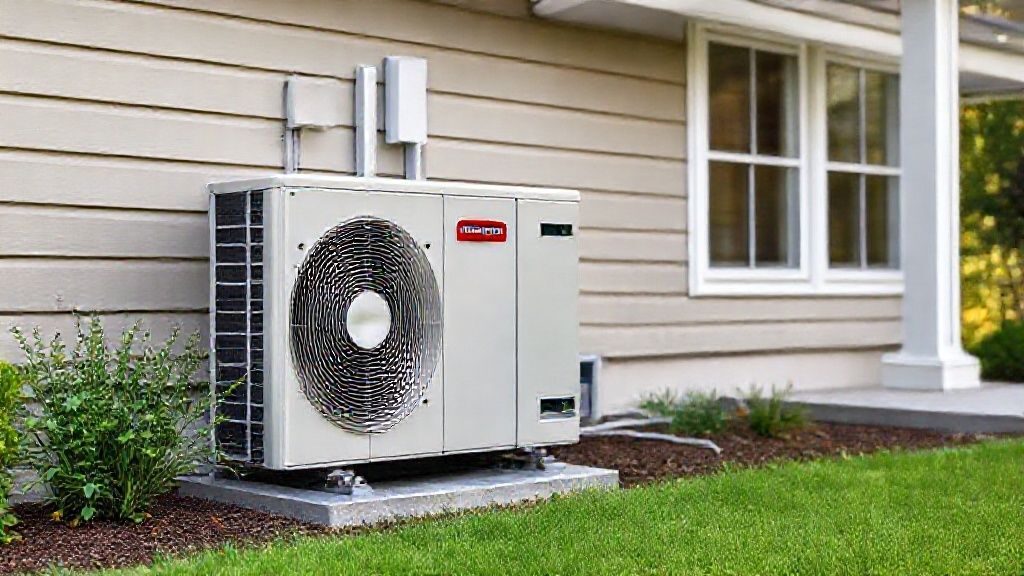
Most heat pump systems consist of two main components: an outdoor unit and an indoor unit. The outdoor unit looks very similar to a standard air conditioner condenser, containing a compressor, coil, and fan. The indoor unit, often called an air handler, houses another coil and a fan that circulates conditioned air throughout your home’s ductwork. When these components work together, they provide seamless heating and cooling, adapting to the changing seasons with a simple flip of your thermostat.
How Do Heat Pumps Work? Heating & Cooling Explained
Understanding how a heat pump works can seem a bit counter-intuitive, especially the heating aspect when it’s cold outside. But it’s all based on some basic physics. The key component is a refrigerant that circulates through the system, changing state between a liquid and a gas. This phase change allows it to absorb and release heat very effectively.
Cooling Cycle
When your heat pump is in cooling mode, it operates much like a standard air conditioner. The refrigerant absorbs heat from the warm indoor air as it passes over the indoor coil (evaporator). This cools the air, which is then circulated back into your home. The now-heated refrigerant travels to the outdoor coil (condenser), where it releases the absorbed heat into the cooler outdoor air. The refrigerant then cycles back indoors to repeat the process. It’s simply moving heat from inside to outside.
Heating Cycle
This is where heat pumps truly shine and often surprise people. In heating mode, the process reverses. Even when the outside air feels cold, there’s still a significant amount of thermal energy present. The heat pump extracts this low-temperature heat from the outdoor air using its outdoor coil, which now acts as the evaporator. The refrigerant absorbs this heat, then moves indoors to the indoor coil, which now acts as the condenser. Here, the refrigerant releases its heat, warming the air that’s then distributed throughout your home. The refrigerant then returns outside to collect more heat. This process is incredibly efficient because it’s not generating heat; it’s just moving it.
Modern heat pumps are equipped with advanced technology, like variable-speed compressors and sophisticated controls, that allow them to extract heat from outdoor temperatures well below freezing. For extremely cold climates or during peak demand, most heat pumps come with a supplemental electric resistance heater, often called “auxiliary” or “emergency” heat. This kicks in only when absolutely necessary to ensure your home stays warm, but it’s important to remember that this supplemental heat is far less efficient than the heat pump’s primary function.
Key Benefits of a Heat Pump System
There are several compelling reasons why homeowners are increasingly choosing heat pump AC systems. From efficiency to comfort, the benefits are clear.
Energy Efficiency and Cost Savings
This is usually the primary driver. Because heat pumps move heat rather than generate it, they can deliver up to three times more heating and cooling energy than the electrical energy they consume. This means significantly lower utility bills compared to traditional furnaces or electric resistance heaters. You’ll see this especially in milder climates, but even in colder regions, the savings can be substantial during most of the heating season. This efficiency also contributes to a smaller carbon footprint, which is a bonus for the environmentally conscious.
Year-Round Comfort from a Single System
One unit handles both your heating and cooling needs. This simplifies your HVAC system, reduces the number of major appliances, and often means a more streamlined setup. No need for a separate furnace and an AC unit taking up space. It’s a single, comprehensive solution for all seasons.
Improved Indoor Air Quality
Heat pumps often come with advanced filtration options, similar to high-efficiency air conditioners. They continuously circulate and filter air, removing dust, pollen, and other airborne particulates, which can lead to better indoor air quality compared to systems that only run seasonally. Some models even offer humidity control, which is a huge plus in humid climates.
Quiet Operation
Modern heat pumps are designed to run quietly. With improvements in compressor and fan technology, today’s units operate at much lower noise levels than older models or some traditional AC units. This means less disturbance inside and outside your home.
Longer Lifespan and Increased Home Value
With proper installation and regular maintenance, a heat pump system can last 15-20 years or even longer. Their dual functionality means they are increasingly seen as a desirable feature, potentially increasing the resale value of your home. Energy-efficient homes are more attractive to buyers.
Environmental Benefits
By using electricity more efficiently and often drawing on renewable energy sources (if your electricity provider uses them), heat pumps reduce greenhouse gas emissions compared to systems that burn fossil fuels. This makes them a more environmentally friendly choice for home comfort.
Types of Heat Pump AC Systems for Your Home
Just like other HVAC equipment, heat pumps aren’t a one-size-fits-all solution. There are several types, each suited for different homes and situations.
Air-Source Heat Pumps
These are the most common type and what most people think of when they hear “heat pump.” Air-source heat pumps extract heat from the outside air in winter and reject heat to the outside air in summer. They are suitable for most climates, especially with advancements in cold-climate heat pump technology. They use your home’s existing ductwork for air distribution, or can be installed as a central system with new ductwork.
Geothermal Heat Pumps
Geothermal heat pumps are incredibly efficient, but also have a higher upfront cost. They don’t rely on the air temperature. Instead, they harness the stable temperature of the earth (or a nearby body of water) as their heat source and heat sink. A loop system of buried pipes circulates fluid, exchanging heat with the ground. Because ground temperatures are much more stable than air temperatures, geothermal systems are exceptionally efficient year-round, regardless of extreme outdoor air conditions. However, their installation involves significant excavation.
Ductless Mini-Split Heat Pumps
Ductless mini-split systems are perfect for homes without existing ductwork, additions, or for zoning specific areas. They consist of an outdoor compressor/condenser unit and one or more indoor air-handling units, connected by a small conduit. Each indoor unit can control the temperature in its zone independently, providing incredibly flexible and efficient comfort. This zoning capability means you only heat or cool the rooms you’re using, saving even more energy. They are also a great option for apartments or smaller homes where central ducting isn’t practical.
Absorption Heat Pumps
Less common in residential settings, absorption heat pumps are unique because they use a heat source (like natural gas, propane, or solar-heated water) to drive the refrigeration cycle, rather than electricity for a compressor. While they can be very efficient, particularly in commercial applications or specific residential niches, they aren’t typically the first choice for the average homeowner.
Heat Pump Installation: What to Expect
Installing a heat pump is a significant project that should always be handled by trained, certified HVAC professionals. It’s not a DIY job, as improper installation can lead to reduced efficiency, frequent breakdowns, and even safety hazards.
Assessment and Sizing
The first step is a thorough assessment of your home. A professional will perform a load calculation to determine the correct size of the heat pump. This isn’t just about square footage; it involves factors like insulation levels, window types and orientation, ceiling height, and local climate. An oversized unit will cycle on and off too frequently (short-cycling), leading to inefficiency and poor dehumidification. An undersized unit will struggle to maintain comfort on extreme days. Proper sizing a heat pump is critical for performance and efficiency.
Component Placement
The outdoor unit needs a stable, level pad, good airflow clearance, and typically needs to be positioned away from windows or sleeping areas to minimize noise. The indoor air handler will replace your existing furnace or air handler, connecting to your ductwork. For ductless systems, indoor heads will be mounted on walls, usually high up.
Electrical Work
Heat pumps require a dedicated electrical circuit. This often means upgrading your electrical panel or running new wiring, which must be done by a licensed electrician to meet local codes and ensure safety.
Refrigerant Lines and Ductwork
New refrigerant lines will be run between the indoor and outdoor units. If you’re getting a central system, the existing ductwork will be inspected and possibly sealed or modified to ensure proper airflow. For ductless systems, small conduits are used to connect the units.
Thermostat Installation
A new, compatible thermostst will be installed. Modern heat pumps work best with smart or programmable thermostats that can optimize their operation, especially managing the transition between heat pump operation and supplemental heat.
Testing and Commissioning
Once installed, the system will be thoroughly tested to ensure it’s operating correctly, refrigerant levels are optimal, and airflow is balanced. The technician will typically walk you through its operation and answer any questions you have.
I always tell homeowners that while the initial investment might seem high, the long-term savings and comfort make it worthwhile. Don’t cheap out on installation; it’s the foundation of your system’s performance. For expert installation, you can always contact us for a quote.
Maintaining Your Heat Pump for Optimal Performance
Just like your car, a heat pump needs regular maintenance to run efficiently and reliably. Neglecting maintenance is the quickest way to reduce its lifespan and efficiency, leading to higher utility bills and unexpected breakdowns.
Regular Filter Changes
This is the easiest and most important thing you can do. A dirty air filter restricts airflow, forcing your heat pump to work harder, which wastes energy and can damage the system. Check your filter monthly and replace it every 1-3 months, or more frequently if you have pets or allergies. Always use the correct MERV rating filter recommended for your system.
Clean Coils
The indoor and outdoor coils need to be kept clean. Dirt and debris on the outdoor coil (condenser) hinder its ability to release heat in cooling mode and absorb heat in heating mode. The indoor coil (evaporator) can also get dirty, affecting efficiency and air quality. While you can gently rinse the outdoor coil with a garden hose, professional cleaning is recommended periodically.
Clear the Outdoor Unit
Ensure the outdoor unit is free from obstructions. Trim back shrubs and bushes at least two feet, clear away leaves, grass clippings, and any other debris. Make sure the top of the unit is clear, especially after a snowfall in winter, to prevent ice buildup from impeding the fan.
Keep the Drain Pan and Line Clear
During cooling operation, condensation collects in a drain pan and exits through a condensate drain line. If this line gets clogged with algae or debris, it can back up, leading to water damage or even shutting down the unit as a safety measure. You can often clear minor clogs by pouring a cup of distilled vinegar down the access port.
Schedule Annual Professional Tune-Ups
I can’t stress this enough. A professional technician should inspect your heat pump at least once a year, ideally twice (once before heating season, once before cooling season). They will:
- Check refrigerant levels and inspect for leaks.
- Clean coils thoroughly.
- Inspect electrical components and connections.
- Lubricate moving parts.
- Check thermostat calibration.
- Test heating and cooling cycles.
- Inspect ductwork for leaks.
These tune-ups catch small problems before they become expensive repairs, ensure peak efficiency, and extend the life of your system.
Heat Pump vs. Traditional HVAC: Which is Right for You?
This is a common question, and the answer isn’t always straightforward. It depends on your climate, budget, energy goals, and existing home setup.
Traditional HVAC System (Furnace + AC)
- How it works: A furnace burns natural gas, propane, or oil to create heat, and a separate air conditioner cools your home using refrigerant.
- Pros: Furnaces provide very strong, immediate heat, which is excellent for extremely cold climates. ACs are proven and effective for cooling.
We’ve got a great range, take a look at our furnace selection.
- Cons: Two separate systems mean two sets of maintenance and potential repairs. Furnaces burn fossil fuels, contributing to emissions. Less efficient than heat pumps for heating in most conditions.
- Best for: Homes in very cold climates with access to affordable natural gas, or those who prefer the intense heat of a furnace.
Heat Pump AC System
- How it works: Uses electricity to transfer heat for both heating and cooling.
- Pros: Highly energy-efficient year-round. Reduces reliance on fossil fuels. Provides consistent, even comfort. Quieter operation. One system for all seasons. Eligible for various rebates and incentives.
- Cons: Higher upfront cost than a standalone AC unit. Heating capacity can decrease in extremely cold temperatures, requiring supplemental electric resistance heat (which is less efficient). May not provide the same “blast furnace” heat some people prefer.
- Best for: Homes in mild to moderately cold climates, those seeking lower energy bills and a smaller carbon footprint, or homes without access to natural gas. Modern cold-climate heat pumps are increasingly viable even in harsher winters.
My advice is to consider your climate zone. If you have distinct heating and cooling seasons that aren’t excessively harsh, a heat pump is very likely to be a fantastic choice. If you live somewhere with brutal, sustained sub-zero temperatures for months on end, a dual-fuel system (a heat pump paired with a high-efficiency furnace) might offer the best of both worlds, using the heat pump for milder cold and switching to the furnace for extreme cold.
Heat Pump AC System Costs & Potential Savings
The cost of a heat pump AC system can vary widely based on several factors, but understanding these elements can help you budget and anticipate your return on investment.
Factors Influencing Cost
- Type of Heat Pump: Air-source heat pumps are generally the least expensive to install, followed by ductless mini-splits (depending on the number of indoor units). Geothermal systems have the highest upfront cost due to the extensive ground loop installation.
- Size and Capacity: Larger homes or those with greater heating/cooling loads require larger, more powerful, and thus more expensive units.
- Efficiency Ratings (SEER, HSPF, EER): Higher efficiency models (with higher SEER2 and HSPF2 ratings) typically cost more initially but offer greater long-term energy savings.
- Installation Complexity: Factors like existing ductwork condition, electrical upgrades needed, accessibility, and regional labor costs all play a role. A brand-new installation or conversion from a non-ducted system will cost more than a simple replacement.
- Brand and Features: Premium brands and models with advanced features like variable-speed compressors, smart controls, and enhanced filtration will command a higher price.
Average Cost Ranges (Estimates)
- Air-Source Heat Pumps: Typically range from $4,000 to $10,000 for the unit and installation.
- Ductless Mini-Split Heat Pumps: A single-zone system might be $2,000 to $5,000, while multi-zone systems can range from $6,000 to $15,000+.
- Geothermal Heat Pumps: These are a significant investment, often ranging from $20,000 to $40,000+, but they offer the lowest operating costs.
It’s important to get multiple quotes from reputable contractors, as pricing can vary. Make sure the quotes include everything: equipment, labor, permits, and removal of old equipment. For details on how to get rid of your old system, check out information on how to dispose of old air conditioners properly.
Potential Savings and Incentives
The upfront cost is only part of the equation. Heat pumps offer substantial long-term savings through reduced energy bills. Many homeowners see their heating costs cut by 30-70% compared to electric resistance heating or oil furnaces, and often significant savings over natural gas. The payback period can be surprisingly short.
Crucially, there are numerous incentives available to offset the initial cost:
- Federal Tax Credits: The U.S. federal government often offers tax credits for installing high-efficiency heat pumps. These credits can be substantial, covering a percentage of the equipment and installation costs.
- State and Local Rebates: Many states, counties, and even utility companies offer their own rebates, grants, or low-interest financing programs for heat pump installations, especially for energy-efficient models.
- Energy Savings: The consistent, lower monthly utility bills are perhaps the biggest ongoing “saving.” Over the lifespan of the unit, these savings can far exceed the initial investment.
Always research current incentives in your area. They can make a significant difference in the overall financial picture for a heat pump system. It’s often the push homeowners need to make the switch to a truly best hvac solution for their home.
FAQ
How cold is too cold for a heat pump to work efficiently?
Modern cold-climate heat pumps can operate efficiently down to 0°F (-18°C) or even lower, sometimes as low as -15°F (-26°C). Older models or standard heat pumps might start to lose significant efficiency around 25-30°F (-4 to -1°C). At these lower temperatures, the supplemental electric resistance heat will kick in to maintain comfort, but it’s less efficient than the heat pump itself.
Do heat pumps use a lot of electricity?
Heat pumps do use electricity, but they use it very efficiently because they are moving heat, not generating it. For every unit of electricity consumed, they can deliver 2-3 times that amount in heating or cooling energy. This means they typically cost less to operate than electric furnaces or baseboard heaters, and often less than natural gas furnaces over a full year, especially in moderate climates.
Are heat pumps noisy?
No, modern heat pumps are designed to be very quiet. Most outdoor units operate at noise levels similar to a refrigerator or dishwasher, and often quieter than older traditional air conditioners. Indoor units are typically very quiet, especially ductless mini-splits.
How long do heat pump systems last?
With proper installation and regular maintenance, you can expect a heat pump system to last anywhere from 15 to 20 years, sometimes even longer. This lifespan is comparable to or often slightly longer than traditional AC units and furnaces.
Can I replace just my AC with a heat pump?
Yes, often you can. If you have an existing furnace and a separate AC unit, you can typically replace the AC unit with a heat pump. This creates a “dual-fuel” system where the heat pump handles most of the heating and all the cooling, and the furnace provides supplemental heat during extreme cold. This setup offers excellent efficiency and comfort.
What’s the difference between a heat pump and a furnace?
A furnace generates heat by burning fuel (natural gas, propane, oil) and only provides heating. A heat pump transfers heat using electricity, providing both heating and cooling from a single unit. Heat pumps are generally more energy-efficient for heating in moderate climates because they move existing heat rather than creating it.
Do heat pumps require special thermostats?
Yes, heat pumps require a specific type of thermostat that is compatible with their heating and cooling cycles, including managing the auxiliary heat. Most smart thermostats today are designed to work with heat pumps, offering features that optimize efficiency and comfort.
Final Thoughts
Picking the right HVAC system for your home is a big decision, one that impacts your comfort and your wallet for years to come. From my perspective, having seen these systems evolve and perform in countless homes, heat pump AC systems are an increasingly smart choice for a vast majority of homeowners. They offer a compelling blend of energy efficiency, year-round comfort, and environmental responsibility that’s hard to beat.
The technology has come a long way. Gone are the days when heat pumps were only suitable for truly mild climates. Today’s cold-climate models can handle much more extreme conditions, offering efficient heating even when temperatures dip well below freezing. When you factor in the long-term energy savings and the various incentives available, the initial investment often proves to be well worth it.
My final piece of advice: do your homework, and more importantly, work with a reputable, experienced HVAC professional. A well-designed and properly installed heat pump system is the key to maximizing its benefits. They can assess your specific needs, recommend the right type and size of unit, and ensure it’s installed to the highest standards. Don’t settle for anything less than expert advice and installation. Your home’s comfort and your energy bills depend on it.