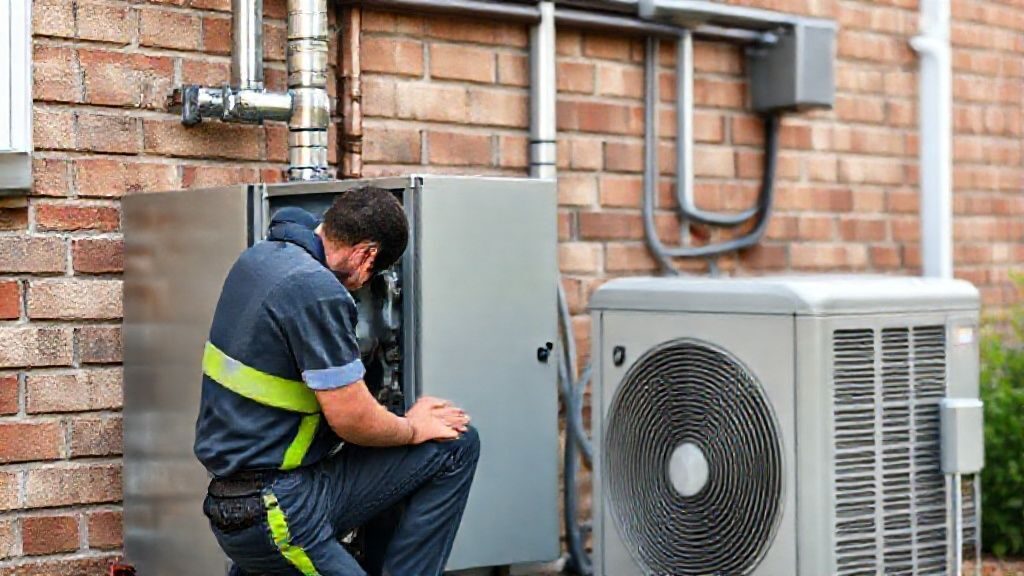
After decades in the HVAC business, I’ve seen just about everything. From the sweltering heat of Tampa where AC units run non-stop for months, to the bitter cold of Denver winters where furnaces are absolute necessities, one thing holds true: a reliable heating and cooling system isn’t just a luxury; it’s fundamental to comfort and safety in your home. I remember one summer in Phoenix, temperatures hit 120 degrees, and a family called me because their old AC just quit. They’d been limping it along for years, and that day, it simply couldn’t take the stress anymore. That’s a situation no one wants to be in, especially not when the stakes are so high.
Replacing your AC and furnace might seem like a big undertaking, and in some ways, it is. But it’s also one of the most impactful investments you can make in your home. A new, efficient system can save you money, improve your indoor air quality, and provide consistent comfort no matter what the weather outside is doing. It’s about more than just keeping warm or cool; it’s about peace of mind and knowing your home is a comfortable sanctuary.
Key Highlights
- Recognizing the clear signs that your old HVAC system is failing is crucial for proactive replacement.
- Understanding the various factors that influence AC and furnace replacement costs helps in budgeting.
- Choosing the right type and size of HVAC system is critical for efficiency and home comfort.
- A professional installation process ensures your new system operates at its peak performance.
- New HVAC systems offer significant benefits in energy savings, improved air quality, and reliability.
- Several financing options are available to make a new system more affordable.
- Regular maintenance is key to extending the lifespan and efficiency of your newly installed equipment.
Why You Might Need AC & Furnace Replacement
There are several solid reasons why replacing your existing AC and furnace might be the smartest move you can make for your home and your wallet. It’s not always about a complete breakdown, though that certainly makes the decision easier. Sometimes, it’s a gradual decline that adds up over time, costing you more than you realize.
Aging Equipment
Most AC units and furnaces are built to last between 10 to 15 years, with some pushing 20 under ideal conditions and with diligent maintenance. If your system is approaching or has exceeded this age range, it’s likely operating less efficiently than it once did. Components wear out, technology advances, and what was cutting-edge a decade ago is now outdated. An older system simply has to work harder to achieve the same results, leading to higher energy bills and increased strain on parts.
Frequent Breakdowns and Costly Repairs
Are you calling for repairs more often? Is the cost of each repair starting to feel significant? At some point, the cumulative cost of fixing an old system outweighs the investment in a new one. It’s like pouring money into an old car that keeps breaking down – eventually, it makes more sense to get a reliable new vehicle. When you’re facing repairs that cost a third or half of a new unit, it’s time to seriously consider replacement.
Declining Energy Efficiency
Today’s HVAC systems are remarkably more energy-efficient than those from even 10 or 15 years ago. Higher SEER (Seasonal Energy Efficiency Ratio) ratings for ACs and AFUE (Annual Fuel Utilization Efficiency) ratings for furnaces mean they convert more of the energy they consume into heating or cooling power, with less waste. If your energy bills have been steadily climbing without a change in usage habits, an inefficient old system is often the culprit. Replacing it can lead to substantial long-term savings.
Inconsistent Comfort Levels
Do you have hot and cold spots in your home? Does the thermostat struggle to maintain a consistent temperature? This is a common sign that your system is no longer up to the task. It could be improperly sized for your current home, or its capacity has simply diminished over time. A new, properly sized system will distribute conditioned air evenly, eliminating those uncomfortable temperature fluctuations.
Poor Indoor Air Quality
Older systems can sometimes contribute to poor indoor air quality. They might not filter air as effectively, or they could be circulating dust, allergens, and even mold spores if there are issues within the ductwork or the ac unit coils. Modern systems often incorporate advanced filtration technologies and can be integrated with humidifiers, dehumidifiers, and UV lights to significantly improve the air you breathe.
Key Signs It’s Time to Replace Your HVAC System
Knowing when to call it quits on your old system isn’t always obvious. While a complete breakdown certainly clarifies things, often there are warning signs that appear long before total failure. Keeping an eye out for these indicators can save you from an emergency replacement in the middle of a heatwave or a cold snap.
Unusual Noises
Your HVAC system should operate relatively quietly. If you start hearing loud bangs, grinding, squealing, or persistent rattling, it’s a red flag. These noises often indicate worn-out parts, failing motors, or issues with the blower. While some noises can be fixed, consistent loud operation often points to a system nearing the end of its life.
Strange Odors
A burning smell could mean an electrical issue or overworked components. A musty smell might indicate mold growth within the system or ductwork. If you notice persistent or unusual odors coming from your vents, don’t ignore them. This could be a health concern and a sign of deeper problems with your unit.
Inadequate Heating or Cooling
This is perhaps the most obvious sign. If your AC struggles to cool your home on a hot day, or your furnace can’t keep you warm when temperatures drop, it’s a clear indication of a problem. This might be due to a loss of refrigerant, a failing compressor, a clogged filter, or a myriad of other issues that collectively suggest the system is no longer performing effectively.
Frequent Cycling
Does your AC or furnace turn on and off constantly? This is known as “short cycling.” It means the system isn’t completing its full heating or cooling cycle. Short cycling can be caused by an improperly sized unit, a faulty thermostat, or a deeper mechanical problem. Not only is it inefficient, but it also puts excessive wear and tear on components, shortening the system’s lifespan.
Rising Energy Bills
I touched on this earlier, but it bears repeating. If your monthly energy costs for heating and cooling are steadily increasing, even though your usage habits haven’t changed, your system is likely losing its efficiency. Old systems consume more power to do the same job, directly impacting your utility bills. It’s often one of the first and most expensive signs that a replacement is due.
Visible Wear and Tear
Take a look at your outdoor AC unit and indoor furnace. Do you see rust, cracks, or other physical damage? While some cosmetic issues are harmless, significant rust or damage can indicate serious internal problems that could lead to leaks, electrical issues, or component failure. The visual condition can often tell you a lot about the internal health of the system.
Understanding AC & Furnace Replacement Costs
The cost of replacing your AC and furnace is a significant factor for any homeowner, and it’s natural to want a clear number. However, the truth is, it’s not a one-size-fits-all answer. Several variables come into play that can influence the total investment. Understanding these can help you budget and make informed decisions.
System Type and Efficiency Ratings
The biggest factor in cost is the type of system you choose and its efficiency. A standard split system AC and furnace will have a different price point than a heat pump, a ductless mini-split, or a high-efficiency modulating furnace. Higher SEER and AFUE ratings generally mean a higher upfront cost, but these systems deliver significant energy savings over their lifespan. For instance, a basic 13-14 SEER AC unit will be less expensive than a 17-20 SEER model, but the higher efficiency model will save you more on electricity each month.
System Size (Tonnage and BTUs)
The size of the unit, measured in tons for ACs (1 ton mini split air conditioner is 12,000 BTUs) and BTUs (British Thermal Units) for furnaces, must match your home’s specific heating and cooling load. An undersized system won’t effectively heat or cool, while an oversized one will short cycle and waste energy. Proper sizing requires a load calculation, which a professional HVAC technician will perform. Larger homes naturally require larger, more powerful, and thus more expensive systems.
Installation Complexity
The ease or difficulty of installation also affects the price. Is it a straightforward swap-out, or does it require significant modifications to your existing ductwork? Are new linesets needed? Is the access to the furnace or AC unit challenging? These factors can add to labor costs. If you’re switching from an entirely different system type (e.g., from an old boiler to a forced-air furnace), the complexity and cost will naturally be higher.
Ductwork Condition
Speaking of ductwork, its condition is critical. Leaky, poorly insulated, or improperly sized ducts can undermine the efficiency of even the best new system. If your existing ducts need significant repairs, sealing, or even replacement, that will be an additional cost. However, it’s often a worthwhile investment to ensure your new system performs optimally.
Brand and Features
Just like cars, HVAC systems come from various manufacturers, each offering different models and features. Premium brands or models with advanced features like variable-speed blowers, smart thermostat compatibility (like the 8000 2), or zoning capabilities will naturally cost more than basic models. Consider your budget and your comfort priorities when making these choices.
Permits and Local Regulations
In many areas, installing a new HVAC system requires permits to ensure the work meets local building codes and safety standards. These permits come with fees, and complying with regulations might involve specific installation practices that add to the cost. A reputable contractor will handle all necessary permits.
Given these variables, a typical AC and furnace replacement project can range significantly. My best advice here is to get multiple detailed quotes from reputable contractors. They should provide a clear breakdown of equipment costs, labor, and any additional services.
Choosing the Right AC & Furnace System for Your Home
This is where my experience really comes into play. Selecting the right system isn’t just about picking the most powerful or the cheapest unit; it’s about finding the perfect match for your home’s unique needs, your budget, and your long-term comfort goals. It’s a decision that will impact your energy bills and comfort for the next 10 to 20 years.
Proper Sizing is Paramount
I cannot stress this enough: proper sizing is the foundation of an efficient and comfortable HVAC system. An undersized unit will run constantly, struggling to reach desired temperatures, leading to higher energy bills and premature wear. An oversized unit will short cycle, meaning it turns on and off too frequently. This leads to uneven temperatures, wasted energy, and poor humidity control – making your home feel clammy even when it’s cool. A qualified technician will perform a Manual J load calculation, considering factors like:
- Your home’s square footage
- Window types and efficiency
- Insulation levels in walls, attic, and floors
- Climate zone
- Number of occupants
- Heat-generating appliances
This calculation ensures the system is neither too big nor too small, but just right.
Consider Your Climate and Energy Source
Your local climate plays a huge role. If you live in an area with extremely hot summers and mild winters, a high-efficiency AC might be your priority. If you experience harsh winters, a furnace with a high AFUE rating is crucial. If you have moderate temperatures year-round, a heat pump (which provides both heating and cooling) can be a very efficient option. Also, think about your energy source. Is natural gas available and affordable? Or is electricity your primary choice? This will guide whether you opt for a gas furnace, an electric furnace, or a heat pump.
Types of Systems to Consider
- Split Systems: This is the most common setup, featuring an outdoor AC unit and an indoor furnace and evaporator coil. They are reliable and efficient.
- Heat Pumps: A heat pump provides both heating and cooling by moving heat rather than generating it. They are very energy-efficient in moderate climates and can be paired with a furnace for supplemental heat in colder regions (known as a dual-fuel system).
- Ductless Mini-Splits: Ideal for homes without existing ductwork, additions, or for zoning specific areas. They offer flexible installation and individual zone control.
- Furnaces: Available in natural gas, propane, and electric models. They come in various efficiencies, from single-stage to two-stage and modulating, offering different levels of comfort and energy savings. You can see our furnace selection to get an idea of the range available.
Efficiency Ratings (SEER, AFUE, HSPF)
- SEER (Seasonal Energy Efficiency Ratio) for ACs: The higher the SEER, the more energy-efficient the unit. Minimum is typically 13-14 SEER, with high-efficiency models going up to 20-plus.
- AFUE (Annual Fuel Utilization Efficiency) for Furnaces: Measures how efficiently a furnace converts fuel into heat. An 80% AFUE furnace means 80% of the fuel is used for heat, 20% is lost. High-efficiency furnaces are 90% AFUE or higher.
- HSPF (Heating Seasonal Performance Factor) for Heat Pumps: Measures the heating efficiency of a heat pump. Higher HSPF indicates greater heating efficiency.
Investing in higher efficiency often means higher upfront costs but significantly lower operating costs over the system’s life.
Smart Technology and Comfort Features
Modern HVAC systems come with a host of features designed to enhance comfort and control:
- Variable-Speed Blowers: Provide quieter operation and more consistent temperatures.
- Two-Stage or Modulating Operation: Systems that can run at lower capacities save energy and maintain tighter temperature control.
- Smart Thermostats: Allow remote control, learning capabilities, and energy usage tracking.
- Zoning Systems: Let you heat or cool different areas of your home independently, preventing energy waste in unused rooms.
Think about what’s important to you. Is it ultimate quiet? Precise temperature control? Remote access? Discuss these preferences with your technician.
The AC & Furnace Replacement Process: What to Expect
Once you’ve made the decision to replace your system and chosen your new equipment, understanding the installation process can help set your expectations and ensure everything goes smoothly. A professional installation is key to your system’s performance and longevity.
Initial Assessment and System Design
The first step involves a detailed assessment of your home by a qualified technician. This isn’t just a quick look; it includes performing that critical Manual J load calculation I mentioned earlier. They’ll examine your existing ductwork, evaluate your insulation, inspect your electrical service, and discuss your comfort needs and budget. Based on this, they’ll recommend specific system options that are correctly sized and suited for your home.
Quoting and Scheduling
After the assessment, you’ll receive a detailed quote outlining the proposed system, installation costs, any necessary modifications, and a timeline for the project. Once you approve, you’ll schedule the installation. Reputable companies will also take care of securing any necessary permits before work begins.
Removal of Old Equipment
On installation day, the technicians will start by carefully disconnecting and removing your old AC unit, furnace, and evaporator coil. They’ll ensure proper disposal of refrigerants and other components in an environmentally responsible manner. This is often the quickest part of the job, but it requires care to prevent damage to your home.
Installation of New Equipment
This is where the bulk of the work happens.
- Furnace Installation: The new furnace will be set in place, connected to the gas line (if applicable), flue pipe, and electrical wiring.
- Evaporator Coil Installation: The new evaporator coil, which is part of your AC system, will be installed above the furnace.
- AC Unit Placement: The outdoor condenser unit will be carefully positioned on a level pad.
- Refrigerant Lines: New refrigerant lines (or sometimes existing ones are flushed and reused if they are in excellent condition and properly sized) will be run between the indoor evaporator coil and the outdoor condenser unit. These lines are then sealed and evacuated to remove air and moisture, ensuring optimal refrigerant flow.
- Electrical Connections: All electrical components will be connected and secured according to local codes and manufacturer specifications.
- Thermostat Installation: Your new thermostat, often a smart, programmable model, will be wired and installed.
- Ductwork Connections: The new units will be securely connected to your existing ductwork. This often involves custom sheet metal fabrication to ensure a tight, efficient seal.
This process requires precision and adherence to strict safety standards. It’s not a DIY job; trust me on that one.
Testing and Commissioning
Once everything is installed, the technicians will meticulously test the entire system. They’ll check refrigerant levels, airflow, electrical connections, and overall operation. They’ll ensure the system starts, runs, and cycles properly, and that temperatures are maintained consistently. They’ll also calibrate your new thermostat.
Client Walkthrough and Explanations
Finally, a technician will walk you through the new system’s operation. They’ll explain how to use your new thermostat, discuss basic maintenance tasks you can perform (like changing filters), and answer any questions you might have. You’ll also receive documentation, including warranty information and manuals.
The entire process, from start to finish, typically takes one to three days, depending on the complexity of the installation and any necessary ductwork modifications.
Benefits of Professional HVAC Installation
You might be thinking about cutting costs, and perhaps a friend of a friend said they could install it cheaper. Let me tell you, when it comes to HVAC, professional installation isn’t just a recommendation; it’s a necessity. The long-term benefits far outweigh any perceived short-term savings from a shoddy job.
Optimal System Performance and Efficiency
A properly installed system runs at its peak performance and efficiency. This means you get the most out of your investment in a high-SEER AC or high-AFUE furnace. Professional technicians ensure correct sizing, proper refrigerant charge, sealed ductwork, and precise electrical connections. An improperly installed system can lose a significant percentage of its efficiency, costing you more in energy bills from day one.
Enhanced Safety
HVAC systems, especially gas furnaces, involve gas lines, electrical connections, and refrigerants. Incorrect installation can lead to dangerous situations, including gas leaks, carbon monoxide poisoning, electrical fires, or refrigerant leaks. Professional installers are trained, certified, and adhere to strict safety protocols and local building codes, protecting your home and family.
Warranty Protection
Most HVAC manufacturers require professional installation for their warranties to be valid. If you have an unlicensed individual install your system, any issues that arise later might not be covered, leaving you to pay for expensive repairs out of pocket. A professional installation provides peace of mind that your investment is protected.
Longer System Lifespan
Systems that are correctly installed and commissioned typically last longer. Proper airflow, balanced refrigerant levels, and accurate electrical connections reduce strain on components, preventing premature wear and tear. This means your new AC and furnace will provide reliable comfort for many more years.
Compliance with Building Codes and Regulations
Reputable HVAC companies are knowledgeable about local building codes and obtain all necessary permits. This ensures your installation is up to standard and avoids potential legal issues or complications when selling your home down the line. Unpermitted work can cause headaches and costly corrections.
Expert Guidance and Support
A professional installation comes with the expertise of technicians who can answer your questions, troubleshoot any immediate issues, and provide advice on maintenance. They’re also there for ongoing support, including routine maintenance and any future repair needs. When you choose to contact us for a quote, you’re not just getting an installation; you’re getting a partner in home comfort.
Financing Options for Your New System
Replacing an AC and furnace is a significant investment, and for many homeowners, coming up with the full cost upfront isn’t always feasible. The good news is that there are several financing options available that can make a new, energy-efficient system much more accessible. Don’t let the upfront cost deter you from getting the comfort and savings you deserve.
Contractor-Specific Financing
Many HVAC companies partner with financial institutions to offer their own financing programs. These often come with attractive terms, such as:
- Low or No-Interest Promotions: Often for a specific period (e.g., 6, 12, or even 24 months), allowing you to pay off the system without accruing interest.
- Extended Payment Plans: Spreading the cost over several years to make monthly payments more manageable.
- Easy Application Process: Often can be done right through the contractor, with quick approval times.
Always read the fine print with these offers, especially regarding deferred interest, but they can be an excellent option.
Home Equity Loans or Lines of Credit (HELOCs)
If you have significant equity in your home, a home equity loan or HELOC can be a great way to finance your new HVAC system. These typically offer lower interest rates than personal loans because they’re secured by your home. The interest might also be tax-deductible (consult a tax professional). However, remember that your home serves as collateral, so there’s more risk involved.
Personal Loans
Banks and credit unions offer unsecured personal loans that can be used for any purpose, including HVAC replacement. Interest rates vary depending on your credit score, and terms are usually shorter than home equity loans. The advantage here is that they don’t use your home as collateral.
Credit Cards
For smaller expenses or if you have a card with a 0% introductory APR, using a credit card can be an option. However, be cautious. If you can’t pay off the balance before the promotional period ends, the interest rates on credit cards can be very high, quickly negating any energy savings your new system provides.
Energy-Efficiency Loan Programs
Check with your local utility company or state government. Many offer special loan programs or incentives for homeowners who install high-efficiency HVAC equipment. These programs are designed to encourage energy conservation and often come with favorable terms or rebates. They might also be bundled with home energy audits.
Manufacturer Rebates and Tax Credits
Don’t forget to ask your contractor about any current manufacturer rebates. Many brands offer cash-back incentives during certain times of the year on specific high-efficiency models. Also, federal, state, and local governments often provide tax credits or deductions for installing energy-efficient home improvements, including certain HVAC systems. These can significantly reduce your net cost.
Before committing to any financing, it’s always wise to compare interest rates, terms, and fees from several sources. Work with your HVAC contractor to understand all available options and choose the one that best fits your financial situation.
Maintaining Your New AC & Furnace for Longevity
You’ve invested in a brand-new AC and furnace, and that’s fantastic. Now, the key to ensuring you get the most out of that investment – maximum efficiency, reliable performance, and a long lifespan – is proper maintenance. Think of it like a new car: you wouldn’t drive it for years without an oil change, would you? Your HVAC system is no different.
Regular Filter Changes
This is the simplest and most impactful maintenance task you can do yourself. A dirty air filter restricts airflow, forcing your system to work harder, which wastes energy and puts strain on the motor. It also compromises your indoor air quality. I recommend checking your filter monthly and changing it every 1-3 months, depending on your filter type, household activity (pets, allergies), and local air quality. It’s a small task with big benefits.
Keep the Outdoor Unit Clear
Your outdoor AC condenser unit needs clear space around it to breathe. Make sure there’s at least two feet of clearance on all sides. Trim back bushes, remove weeds, grass clippings, leaves, and any other debris that can accumulate around the unit. Blocked airflow reduces efficiency and can cause your unit to overheat.
Ensure Vents and Registers are Unobstructed
Inside your home, make sure all supply and return vents are open and not blocked by furniture, rugs, or drapes. Restricted airflow can lead to uneven heating and cooling, and it makes your system work harder than it needs to.
Annual Professional Tune-Ups
This is crucial. Just like your car needs a regular tune-up, your HVAC system benefits immensely from a professional inspection and service at least once a year. Ideally, schedule a furnace tune-up in the fall before heating season and an AC tune-up in the spring before cooling season. During these visits, a technician will:
- Inspect and clean coils.
- Check refrigerant levels and pressures.
- Lubricate moving parts to reduce friction.
- Inspect electrical connections and components.
- Check thermostat calibration.
- Test safety controls.
- Inspect ductwork for leaks.
- Check gas connections and burner operation for furnaces.
- Assess the overall system performance and efficiency.
These professional tune-ups catch small issues before they become major, expensive repairs. They maintain efficiency, extend lifespan, and ensure safety. Many HVAC companies offer service agreements or maintenance plans that make these annual visits convenient and often more affordable.
Listen and Observe
Pay attention to your system. Are there any new noises? Strange smells? Is it struggling to reach temperature? Are your energy bills suddenly higher? Don’t ignore these subtle changes. If something seems off, it’s always better to call a professional to investigate before a minor problem turns into a complete breakdown.
By following these maintenance tips, you’re not just keeping your system running; you’re protecting your investment and ensuring consistent comfort for years to come.
Frequently Asked Questions About AC & Furnace Replacement
How long does an AC and furnace replacement usually take?
Typically, a complete AC and furnace replacement takes anywhere from one to three days. A straightforward swap in an easily accessible location might be done in a single day, while more complex installations involving ductwork modifications or challenging access can take longer. Your HVAC technician will give you a more precise timeline after the initial assessment.
What’s the best time of year to replace my HVAC system?
The “off-season” is often the best time: spring or fall. During these periods, HVAC companies are less busy with emergency repairs, meaning you might get more flexible scheduling, potentially better pricing, and quicker installation. You also avoid being without heat or AC during extreme weather. However, if your system breaks down in the middle of summer or winter, don’t wait; replacement is critical for comfort and safety.
Should I replace both my AC and furnace at the same time?
In most cases, yes, especially if they are both old. Replacing both at the same time ensures that your system components are properly matched, which is crucial for optimal efficiency and performance. A new, high-efficiency AC paired with an old, inefficient furnace (or vice versa) won’t deliver the full energy savings potential. It also often costs less to do both at once rather than two separate installations down the road.
How much will a new AC and furnace save me on energy bills?
Savings vary widely depending on the age and efficiency of your old system, the efficiency of your new system, your local climate, and your energy usage habits. However, homeowners often see 20-40% reduction in heating and cooling costs after upgrading from an older, less efficient system to a new, high-efficiency model. Your HVAC contractor can provide more specific projections based on your home and chosen system.
What does a “matched system” mean?
A matched system refers to an indoor unit (like a furnace and evaporator coil) and an outdoor unit (like an AC or heat pump) that are designed by the same manufacturer to work together seamlessly. When components are matched, they achieve the highest efficiency ratings (SEER, AFUE, HSPF) and provide the most reliable and consistent comfort. Mismatched systems often perform below their rated efficiency and can experience premature wear.
Are there any tax credits or rebates available for new systems?
Yes, often there are. Federal, state, and local governments, as well as utility companies and manufacturers, frequently offer rebates, tax credits, or other incentives for installing high-efficiency HVAC equipment. It’s always worth asking your HVAC contractor about current programs. They can often help you navigate the paperwork to claim these benefits.
What kind of warranty comes with a new AC and furnace?
Most new AC and furnace systems come with a manufacturer’s warranty, typically covering parts for 5 to 10 years, and sometimes the compressor or heat exchanger for longer. Your installing contractor will also usually provide a warranty on their labor for a period, often 1 to 2 years. Always confirm the exact terms of both parts and labor warranties before installation.
Final Thoughts
Deciding on AC and furnace replacement is a big decision for any homeowner, but it’s one that can bring immense benefits in terms of comfort, energy savings, and peace of mind. As I’ve seen countless times in homes across the country, an outdated, struggling system isn’t just an inconvenience; it’s a drain on your finances and a compromise to your home’s comfort and even its safety.
Taking the time to understand the signs of a failing system, exploring your options for new, high-efficiency equipment, and ensuring a professional installation are all critical steps. Don’t hesitate to ask questions, get multiple quotes, and really dig into what kind of system will best serve your home for the next couple of decades. A new HVAC system isn’t just an expense; it’s an investment in your home’s future comfort and value. Make sure you get it right.