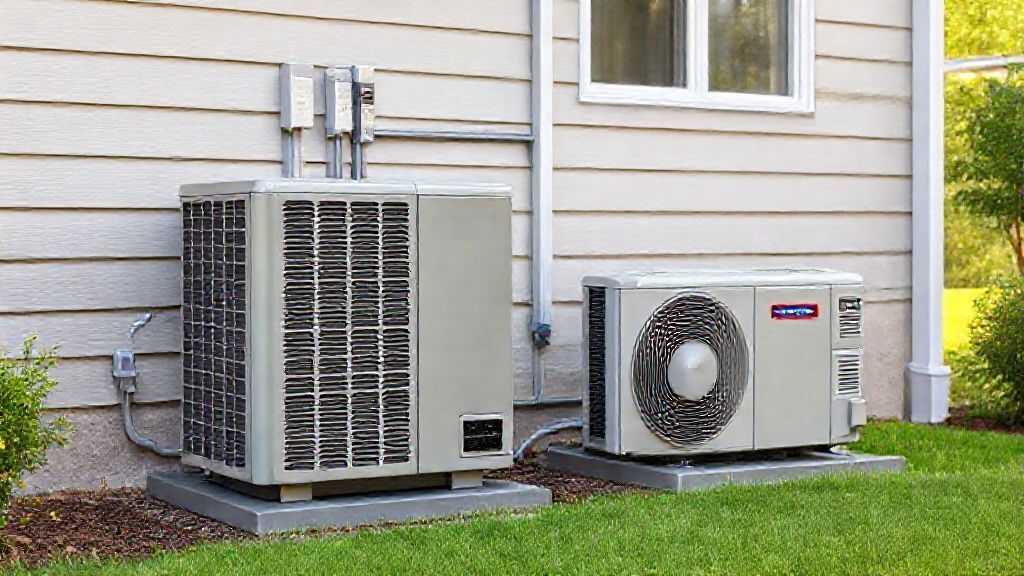
When you talk about home comfort, especially here in North America, a gas furnace and air conditioner system is often the first thing that comes to mind. It’s the backbone of climate control for millions of houses. This setup delivers reliable heating when it’s cold and crisp, and dependable cooling when the heat and humidity crank up. Understanding how these systems work together, how to maintain them, and what to look for when you’re making choices is key to keeping your home comfortable and your energy bills reasonable year after year. I’ve spent a lot of time looking at these systems, from new installs to units that are older than some of my crew members, and I can tell you there’s a lot to know that can save you trouble and money.
I remember a call I took out in Denver, Colorado, one winter. The homeowner was absolutely freezing, and his old furnace had just quit on the coldest night of the year. He had an AC unit too, but it wasn’t connected properly to his new, undersized furnace replacement. We had to go in, diagnose the whole setup, and get him a system that could handle both the brutal Denver winters and the surprisingly warm summers. It was a good reminder that a complete, well-matched system, properly installed, makes all the difference. It’s not just about buying a box; it’s about getting an integrated solution that works for your specific home and climate.
Key Highlights
- Gas furnaces provide efficient, warm heat for colder climates.
- Air conditioners remove heat and humidity to keep homes cool.
- Combined systems offer year-round comfort with a single control.
- Proper sizing and professional installation are critical for efficiency and longevity.
- Regular maintenance prevents breakdowns and extends system life.
- Energy efficiency depends on equipment, insulation, and smart usage.
- Knowing when to repair versus replace saves money in the long run.
Understanding Gas Furnaces: Heating Your Home Efficiently
A gas furnace is a central heating appliance that heats air and then circulates it throughout your home using a blower motor and ductwork. It’s a common heating choice across many regions because natural gas is often readily available and generally cost-effective. The process starts when the thermostat signals for heat. Natural gas flows into the burners, where it ignites and creates a flame. This flame heats a component called the heat exchanger. The heat exchanger is a crucial safety component because it keeps the combustion byproducts, like carbon monoxide, separate from the air you breathe. As the heat exchanger warms up, the blower motor pulls cool air from your home’s return ducts, pushes it over the hot heat exchanger, and then sends the warmed air through the supply ducts to heat your living spaces.
There are different types of gas furnaces, primarily categorized by their efficiency and how they modulate heat output. Single-stage furnaces are basic; they operate at full capacity whenever they’re on, which can lead to temperature swings. Two-stage furnaces have two levels of heat output, usually running at a lower setting most of the time for more consistent temperatures and only kicking into high gear on very cold days. The most advanced are modulating furnaces, which can vary their heat output continuously across a wide range, providing the most precise temperature control and highest efficiency. Furnace efficiency is measured by its Annual Fuel Utilization Efficiency (AFUE) rating. A higher AFUE percentage means more of the fuel’s energy is converted into usable heat for your home, and less is wasted.
When dealing with gas furnaces, safety is paramount. Always ensure you have working carbon monoxide detectors installed in your home. A cracked heat exchanger can allow carbon monoxide to escape, which is odorless and deadly. Regular professional maintenance is the best way to catch such issues before they become dangerous.
How Air Conditioners Work: Keeping Cool in Summer
While furnaces deal with heating, air conditioners tackle the cooling. A central air conditioning system works by removing heat and humidity from your indoor air and releasing it outside. It operates on the principle of refrigeration, using a special chemical called refrigerant to transfer heat. The main components of a split system AC are the indoor evaporator coil and the outdoor condenser unit.
Here’s the basic cycle: First, the indoor unit’s fan blows warm, humid air from your home across the cold evaporator coil. The refrigerant inside this coil absorbs heat from the air, causing the refrigerant to turn from a low-pressure liquid into a low-pressure gas. The now-cooled air is then sent back into your home’s ductwork. The warm refrigerant gas travels to the compressor in the outdoor unit. The compressor increases the pressure and temperature of the refrigerant gas, sending it to the condenser coil, also located in the outdoor unit. As the hot, high-pressure refrigerant gas flows through the condenser coil, it releases its heat into the cooler outside air, returning to a high-pressure liquid state. Finally, this liquid refrigerant passes through an expansion valve, which reduces its pressure and temperature, preparing it to re-enter the evaporator coil indoors and repeat the cycle. For more details on these components, especially for different setups, you might want to look into options for a split air conditioner outdoor unit.
Just like furnaces, air conditioners have efficiency ratings. For ACs, this is typically measured by the Seasonal Energy Efficiency Ratio 2 (SEER2), which is an updated metric reflecting more accurate real-world operating conditions compared to the older SEER rating. A higher SEER2 rating indicates a more efficient unit, meaning it uses less electricity to cool your home.
The Benefits of a Combined Gas Furnace & AC System
Many homes opt for a combined gas furnace and air conditioner system, often referred to as a “split system.” This setup is incredibly practical and offers several advantages. The primary benefit is that you get complete climate control for your home using a single, integrated system. This means both your heating and cooling needs are met by units that share key components, such as the indoor blower motor and ductwork.
One major advantage is convenience. You typically use a single thermostat to control both the furnace and the AC, allowing for seamless transitions between heating and cooling throughout the year. You don’t need to manage separate systems or controls. This simplifies operations for the homeowner. Space-saving is another benefit; by sharing the indoor air handler and ductwork, you avoid duplicating equipment, which is especially helpful in homes with limited utility space.
From an installation perspective, combining these systems can also be more straightforward and sometimes more cost-effective than installing entirely separate heating and cooling units. The wiring, refrigerant lines (for AC), and gas lines (for furnace) can often be run together, streamlining the process. More importantly, when designed and installed correctly, a combined system ensures that all components are matched to work optimally together. This synergy can lead to better overall performance, greater energy efficiency, and a longer lifespan for both units because they are designed to complement each other.
Key Factors When Choosing Your HVAC System
Choosing the right gas furnace and AC system is a significant decision for your home’s comfort and your budget. There are several critical factors I always advise homeowners to consider:
- Sizing: This is arguably the most important factor. An HVAC system that is too small won’t be able to adequately heat or cool your home, constantly running and struggling to reach desired temperatures. Conversely, a system that’s too large will “short cycle,” meaning it turns on and off too frequently. This wastes energy, creates uncomfortable temperature swings, and wears down components faster. Proper sizing requires a professional load calculation, known as a Manual J calculation, which considers your home’s square footage, ceiling height, insulation levels, window types, local climate, and even the number of occupants. Never trust a contractor who tries to size a system based only on square footage.
- Efficiency Ratings: Look at the AFUE rating for furnaces and the SEER2 rating for air conditioners. Higher numbers mean greater energy efficiency and lower operating costs over the system’s lifespan. While high-efficiency units often have a higher upfront cost, the long-term energy savings can make them a wise investment, especially if you plan to stay in your home for many years.
- Fuel Type: For furnaces, natural gas is the most common and often the most economical choice where available. If natural gas isn’t accessible, propane furnaces are an alternative, though propane can be more expensive.
- Features and Technology: Modern HVAC systems come with a variety of features that can enhance comfort and efficiency. These include variable-speed blowers for quieter operation and better humidity control, multi-stage or modulating heating/cooling for more consistent temperatures, and smart thermostat compatibility. Zoning systems, which allow you to control temperatures independently in different areas of your home, are also an option for larger homes or specific needs.
- Budget: Naturally, your budget plays a role. It’s important to balance the upfront cost with the potential long-term savings from energy efficiency and fewer repairs. Remember, the cheapest system isn’t always the most economical in the long run.
If you’re unsure about sizing or need advice, the best thing to do is get a professional assessment. We’re always ready to help. Feel free to contact us for a quote when you’re ready to explore your options.
Professional Installation: Ensuring Peak Performance
You can buy the most advanced, highest-efficiency gas furnace and AC system on the market, but if it’s not installed correctly, it won’t deliver on its promises. Professional installation is not just a recommendation; it’s absolutely crucial for the performance, efficiency, safety, and longevity of your HVAC system. This is an area where cutting corners will almost always cost you more in the long run.
A qualified HVAC technician will ensure the system is properly sized for your home, as discussed earlier. They will also meticulously handle the installation of all components. This includes correctly connecting the gas lines, electrical wiring, and refrigerant lines, ensuring they are leak-free and meet all local codes and safety standards. Ductwork connections are sealed to prevent air leaks, which can account for significant energy loss. Refrigerant charge levels are precise; too much or too little can severely impact AC performance and efficiency.
Beyond the technical aspects, professional installers calibrate the system, balancing airflow and setting up the thermostat correctly to ensure optimal operation from day one. They’ll also perform necessary tests to confirm everything is working as it should, checking for any potential issues before they become major problems. Without proper installation, you risk reduced efficiency, increased energy bills, frequent breakdowns, premature equipment failure, and even safety hazards like carbon monoxide leaks. Furthermore, many manufacturer warranties require professional installation to remain valid. Don’t underestimate the value of an experienced, certified technician for this critical step.
Maintenance Tips for Your Furnace & AC Unit
Once you have a gas furnace and AC system in place, proper maintenance is the key to keeping it running efficiently and extending its lifespan. I’ve seen countless systems fail prematurely simply because they weren’t looked after. Here are my essential maintenance tips:
- Change Your Air Filters Regularly: This is the simplest and most important task you can do. A dirty air filter restricts airflow, making your system work harder, reducing efficiency, and potentially causing breakdowns. Check your filter monthly and replace it every 1-3 months, or more often if you have pets, allergies, or a dusty environment.
- Schedule Annual Professional Tune-ups: Just like your car, your HVAC system needs regular check-ups. Schedule a tune-up for your AC in the spring before the cooling season starts and for your furnace in the fall before the heating season. A technician will clean coils, check refrigerant levels, inspect electrical connections, lubricate moving parts, and identify any potential issues before they become expensive repairs.
- Keep Outdoor Unit Clear: The outdoor condenser unit for your AC needs good airflow. Make sure to clear away any leaves, grass clippings, dirt, and debris from around the unit. Trim back shrubs and plants at least two feet in all directions to ensure proper ventilation.
- Clean Coils: Your technician will handle deep cleaning during a tune-up, but you can gently rinse the outdoor condenser coil with a garden hose to remove surface dirt. The indoor evaporator coil should only be cleaned by a professional.
- Check Condensate Drain Line: The AC system produces condensation, which drains away through a line. This line can get clogged with algae or mold, leading to water leaks or system shutdowns. You can sometimes clear minor clogs yourself or pour a cup of distilled vinegar down the line annually to prevent buildup.
- Inspect and Seal Ductwork: Over time, ductwork can develop leaks, allowing conditioned air to escape into unconditioned spaces. Visually inspect accessible ducts for gaps or damage and seal them with mastic sealant or metallic tape.
Following these steps will help keep your system running smoothly, prevent costly breakdowns, and maintain optimal energy efficiency.
Maximizing Energy Efficiency and Savings
Having an efficient gas furnace and AC system is just one part of the equation for saving energy and money. How you use your system and how well your home is prepared also play significant roles. Here’s how to maximize your energy efficiency:
- Smart Thermostat Management: A programmable or smart thermostat is one of your best tools. Set back temperatures when you’re away or asleep – a few degrees cooler in winter and warmer in summer. A smart thermostat can even learn your habits and adjust automatically, or be controlled remotely via your phone, ensuring you only heat or cool your home when necessary.
- Improve Home Insulation and Air Sealing: Your HVAC system works to maintain a comfortable temperature inside. If your home isn’t well-insulated or has air leaks, that conditioned air will escape, and unconditioned air will sneak in, making your system work harder. Check for drafts around windows and doors, seal cracks in your foundation or attic, and ensure your attic and wall insulation levels are adequate. This is often one of the most cost-effective ways to reduce energy consumption.
- Upgrade Windows: Beyond the HVAC unit itself, improving your home’s envelope makes a big difference. Upgrading things like your windows can significantly reduce heat transfer, making your system’s job much easier. You can learn more about how windows energy saving features contribute to overall home efficiency.
- Utilize Natural Ventilation and Shade: In milder weather, open windows and doors to allow fresh air in and reduce reliance on your AC. In summer, close blinds and curtains during the hottest parts of the day to block solar heat gain. Planting deciduous trees on the south and west sides of your home can provide natural shade in summer and allow sunlight through in winter.
- Maintain Ductwork: As mentioned before, leaky ducts can waste a significant amount of energy. Have your ductwork inspected for leaks and blockages, and ensure it’s properly sealed and insulated.
- Regular Maintenance: This cannot be stressed enough. A well-maintained system runs more efficiently than one that is neglected. Regular cleaning, inspections, and tune-ups ensure your system isn’t wasting energy due to dirty coils, low refrigerant, or unlubricated parts.
By combining an efficient system with smart usage habits and a well-sealed, insulated home, you can significantly cut down on your energy bills and make your home more comfortable year-round.
Common Problems & Troubleshooting for HVAC Systems
Even with the best installation and regular maintenance, HVAC systems can encounter problems. Knowing some common issues and basic troubleshooting steps can often save you a service call or at least help you describe the problem accurately to a technician. Here are some frequent complaints:
-
No Power to the System:
- Check the Thermostat: Ensure it’s set to the correct mode (heat/cool) and temperature. Make sure the batteries aren’t dead.
- Check Circuit Breakers: Locate your home’s electrical panel and see if the breaker for your furnace or AC has tripped. Flip it firmly to the “off” position, then back to “on.”
- Furnace Power Switch: Most furnaces have a light switch-like power switch on or near the unit. Make sure it hasn’t been accidentally turned off.
-
System Not Heating or Cooling Effectively:
- Dirty Air Filter: A clogged filter is the most common culprit for poor airflow and inefficient operation. Change it!
- Thermostat Settings: Double-check that your desired temperature is set correctly and the fan is on “auto” (unless you specifically want it to run continuously).
- Blocked Vents: Ensure all supply and return air vents are open and not blocked by furniture or drapes.
- Outdoor Unit Issues (AC): If your AC isn’t cooling, check the outdoor unit. Is the fan spinning? Is it covered in dirt or debris? Is the coil iced over? If it’s iced, turn the AC off and let it thaw.
- Pilot Light (Furnace): For older furnaces with a pilot light, check if it’s out. Follow your furnace’s instructions for relighting it safely.
-
Strange Noises:
- Squealing: Often indicates a worn-out fan belt in the blower motor.
- Rattling: Could be loose panels, debris in the blower, or a failing motor.
- Banging/Loud Clunk: Might signal a problem with the blower motor or other internal components.
- Hissing/Bubbling (AC): Could indicate a refrigerant leak.
- Water Leaks (AC): If you see water pooling around your indoor unit, the condensate drain line is likely clogged.
While some minor issues can be resolved with simple checks, never attempt repairs involving gas lines, electrical components, or refrigerant yourself. These tasks require specialized knowledge and tools and can be dangerous. When in doubt, call a professional.
When to Repair, When to Replace: Making the Right Decision
One of the toughest decisions homeowners face is whether to repair a failing HVAC system or invest in a completely new one. There’s no single answer that fits every situation, but I rely on a few key indicators to help clients make an informed choice.
- Age of the Unit: This is a major factor. Furnaces typically last 15-20 years, while air conditioners usually have a lifespan of 10-15 years. If your system is approaching or past these age ranges, its efficiency is likely declining, and replacement often makes more sense than continued repairs.
- Frequency and Cost of Repairs: Are you calling for service every year, or even multiple times a year? If repair costs are adding up, consider the “rule of 5,000” or “rule of 10,000” (depending on your local market price for a new unit): if a repair costs more than, say, $500, and your unit is more than 10 years old, it’s often more economical to put that money towards a new system rather than sink it into an aging one.
- Declining Efficiency: Older systems, even if still running, are far less efficient than modern units. You could be losing a significant amount of money on your utility bills each month due to outdated technology. New high-efficiency models with high AFUE and SEER2 ratings can offer substantial energy savings that quickly offset the replacement cost over time.
- Comfort Issues: If your home isn’t heating or cooling evenly, if there are hot or cold spots, or if your system struggles to maintain a comfortable temperature on extreme days, it might be a sign that it’s undersized, oversized, or simply worn out. A new, properly sized system can dramatically improve your home comfort.
- Safety Concerns: For furnaces, any issue with the heat exchanger (especially if it’s cracked) is a major safety concern due to the risk of carbon monoxide leaks. If a technician identifies such a problem, replacement is almost always the safest and most prudent option.
If you’re facing a significant repair bill or considering a new system, don’t let the upfront cost deter you from making the best long-term decision for your home comfort and wallet. There are often options for an ac monthly payment that can make a new, more efficient system affordable. Ultimately, deciding when to repair or replace comes down to a careful calculation of costs, efficiency, and comfort. Sometimes, the most economical choice in the long run is to invest in a new, modern system. Making the right choice ensures you have the best hvac solution for your home for years to come.
FAQs About Gas Furnaces and AC Systems
What’s the difference between SEER and SEER2?
SEER stands for Seasonal Energy Efficiency Ratio, and SEER2 is its updated version. SEER2 came into effect in 2023. The main difference is that SEER2 ratings are calculated with a higher external static pressure, which better simulates real-world operating conditions, particularly ductwork resistance. This means SEER2 provides a more accurate representation of a unit’s energy consumption. You’ll still see SEER ratings on older equipment, but new equipment will use SEER2.
How often should I change my air filter?
Generally, I recommend checking your air filter monthly and replacing it every 1 to 3 months. This can vary based on several factors: if you have pets (more often), if anyone in your home has allergies or respiratory issues (more often), if you live in a dusty area, or if your system runs almost constantly. A good rule of thumb is if it looks dirty, change it.
Can I install my own HVAC system?
No, absolutely not. Installing an HVAC system, especially one involving gas lines and refrigerants, is a complex job that requires specialized tools, technical knowledge, and certifications. Improper installation can lead to severe safety hazards (like gas leaks or carbon monoxide poisoning), inefficient operation, voided warranties, and costly damage. Always hire a licensed and insured HVAC professional for installation.
What’s a carbon monoxide detector for?
A carbon monoxide (CO) detector is a safety device that senses the presence of carbon monoxide, an odorless, colorless, and highly toxic gas. In a gas furnace, CO can be produced if the combustion process is incomplete or if the heat exchanger is cracked, allowing exhaust gases to mix with your indoor air. CO detectors are essential for any home with gas appliances and should be placed on every level of your home, especially near sleeping areas.
How long do gas furnaces and AC systems typically last?
On average, a well-maintained gas furnace can last between 15 and 20 years. An air conditioning unit typically lasts 10 to 15 years. The lifespan depends heavily on factors like the quality of the installation, regular maintenance, the climate you live in, and how frequently the system is used. Neglecting maintenance is the quickest way to shorten a system’s life.
Why Choose Professional HVAC Services?
When it comes to your home’s heating and cooling, working with professionals is not just a convenience; it’s a necessity. DIY fixes or amateur installations often lead to bigger problems down the line. Professional HVAC services bring several critical advantages:
- Expertise and Experience: Trained and certified technicians have the in-depth knowledge of how these complex systems work. They understand the intricacies of gas furnaces, refrigeration cycles, electrical components, and airflow dynamics. This expertise ensures accurate diagnostics, proper repairs, and optimal installations.
- Safety: HVAC systems involve electricity, natural gas, and refrigerants, all of which can be hazardous if mishandled. Professionals are trained in safety protocols and have the right equipment to work with these elements safely, protecting your home and family from potential risks like gas leaks or electrical fires.
- Proper Sizing and Installation: As I’ve stressed, correct sizing and installation are paramount for efficiency and longevity. Professionals use industry-standard calculations and follow strict guidelines to ensure your system is perfectly matched to your home and installed to manufacturer specifications, preserving your warranty.
- Specialized Tools and Equipment: HVAC work often requires specialized tools for tasks like refrigerant charging, duct sealing, electrical testing, and airflow balancing. Professionals have access to and expertise in using these tools, which the average homeowner typically does not.
- Warranty Protection: Most HVAC manufacturers require professional installation and annual maintenance by certified technicians to keep your warranty valid. Attempting DIY work or using uncertified individuals can void your warranty, leaving you responsible for costly repairs or replacements.
- Peace of Mind: Knowing that your heating and cooling system is in the hands of qualified experts gives you peace of mind. You can trust that the job will be done right, safely, and efficiently, providing reliable comfort for your home.
Final Thoughts
Your gas furnace and AC system is a significant investment in your home’s comfort and value. Understanding how these systems work, what to look for when choosing one, and the importance of professional installation and consistent maintenance can save you a lot of headaches and money in the long run. Don’t underestimate the impact of a properly functioning HVAC system on your daily life, from consistent temperatures to healthier indoor air quality. By staying informed and relying on experienced professionals, you can ensure your home remains comfortable and efficient through every season for years to come.