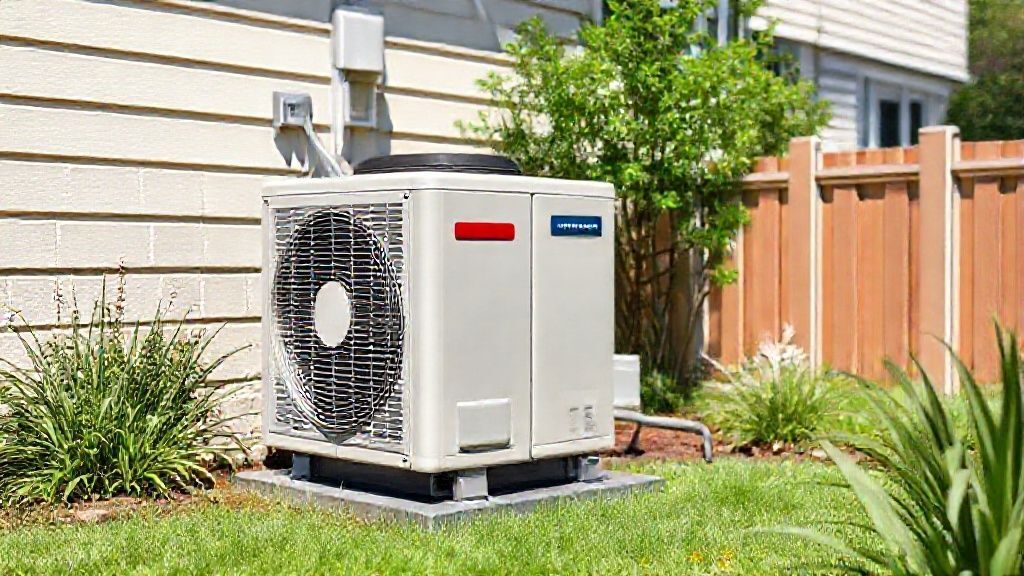
As an HVAC expert, I’ve seen a lot of air conditioning systems over the decades. I’ve worked on residential units in scorching hot climates and smaller commercial setups in more temperate zones. No matter where you are, from the dry heat of Arizona to the humid summers of Florida, one thing remains constant: the A/C condenser is a critical part of keeping you cool. It’s the unsung hero, the part that sits outside your house, working tirelessly through some of the toughest weather conditions.
I recall a particularly challenging summer in Tampa, Florida, a few years back. The humidity was relentless, and AC units were working overtime. Many homeowners were seeing their electricity bills spike or, worse, their systems failing altogether. More often than not, the issues traced back to the outdoor unit – the A/C condenser. People just weren’t giving it the attention it deserved. They’d trim their bushes, clean their gutters, but that big metal box outside? It often got neglected, leading to preventable breakdowns and discomfort.
Key Highlights
- The A/C condenser is the outdoor unit of your central air conditioning system, responsible for releasing heat from your home.
- Its main components include the compressor, condenser coil, and fan motor, all working together in the refrigeration cycle.
- Common problems often stem from lack of maintenance, such as dirty coils, refrigerant leaks, or electrical issues.
- Regular cleaning and professional tune-ups are crucial for optimal performance, efficiency, and lifespan.
- Knowing when to repair versus replace an A/C condenser depends on its age, the cost of the repair, and the potential for increased efficiency from a new unit.
What is an A/C Condenser and How Does It Work?
Let’s get down to basics. Your A/C condenser is the large, boxy unit that sits outside your home. It’s a vital part of your air conditioning system, working in conjunction with the evaporator coil inside your house. While the evaporator coil absorbs heat from your indoor air, the condenser unit’s job is to release that heat to the outside atmosphere. This heat transfer is the core of how your home gets cool.
The process starts with refrigerant. This special chemical circulates through your system, changing states from a gas to a liquid and back again. Inside, the refrigerant absorbs heat from your indoor air and becomes a low-pressure gas. This gas then travels to the outdoor condenser unit.
Once in the condenser, the refrigerant gas is put under high pressure by the compressor. This increases its temperature significantly. This hot, high-pressure gas then flows through the condenser coil – a series of tubes and fins designed to maximize surface area. As the hot refrigerant passes through these coils, a large fan in the condenser unit pulls air from the surroundings over the coils. This air absorbs the heat from the refrigerant, and the now-cooler, high-pressure refrigerant gas turns back into a liquid. The fan then blows the hot air away from the unit, dissipating the heat your home no longer wants.
This liquid refrigerant then travels back inside to the evaporator coil, where the cycle begins again. It’s a continuous loop, and the condenser’s role in releasing heat is non-negotiable for cooling your home. Without a properly functioning condenser, your system simply can’t get rid of the heat, meaning your indoor air won’t get cool.
Key Components of an A/C Condenser Unit
Understanding the main parts of your condenser can help you recognize when something isn’t right. There are a few key players inside that metal box:
- The Compressor: This is arguably the heart of the A/C system. The compressor is a powerful electric pump that takes the low-pressure refrigerant gas from the evaporator coil and compresses it into a high-pressure, high-temperature gas. This compression is what makes the heat transfer possible. Compressors come in different types, like scroll or reciprocating, but their core function remains the same: to circulate and pressurize the refrigerant.
- The Condenser Coil: This is a series of copper or aluminum tubes surrounded by aluminum fins. The fins are there to increase the surface area, allowing for maximum heat dissipation. The hot, high-pressure refrigerant gas flows through these tubes, and as air passes over the fins, heat is transferred from the refrigerant to the outside air. Keeping these coils clean is critical for efficient operation.
- The Condenser Fan Motor and Fan Blades: Mounted at the top of the condenser unit, the fan motor drives the fan blades. These blades pull air from the sides of the unit, across the condenser coil, and then expel the hot air upwards. This airflow is essential for carrying away the heat that the refrigerant has released. If the fan isn’t spinning, or if the blades are damaged, heat can’t be dissipated, and your system will struggle to cool.
- Electrical Components: Your condenser unit contains various electrical parts that control its operation. These include the capacitor, which provides a boost of electricity to start the fan and compressor motors; the contactor, which acts as a switch to turn the unit on and off based on the thermostat’s call for cooling; and various wiring and safety controls. Problems with any of these electrical components can prevent the unit from starting or running correctly.
- Refrigerant Lines (Line Set): While not strictly “inside” the condenser unit, these copper tubes connect the outdoor condenser to the indoor evaporator coil. One line carries the low-pressure gas to the condenser, and the other carries the high-pressure liquid back to the evaporator. They are insulated to maintain the refrigerant’s temperature.
Common A/C Condenser Problems & Troubleshooting
Like any mechanical system, A/C condensers can develop problems. Knowing the common issues can help you describe symptoms to a technician or even handle some simple troubleshooting yourself.
- Dirty Condenser Coils: This is probably the most common problem I see. Over time, dust, dirt, leaves, grass clippings, and other debris accumulate on the outdoor coils. This layer of grime acts as an insulator, preventing the coils from efficiently releasing heat. When the condenser can’t shed heat, the system has to work harder, leading to higher energy bills, reduced cooling capacity, and potential compressor damage.
- Troubleshooting: Visually inspect the coils. If they’re visibly dirty, turn off the power to the unit at the breaker, then use a garden hose to gently spray the coils clean from the inside out. Be careful not to bend the fins.
- Refrigerant Leaks: Refrigerant is essential for heat transfer. If your system is low on refrigerant, it’s not because it gets “used up”; it’s because there’s a leak somewhere. A leak means less refrigerant to absorb and release heat, leading to poor cooling, iced-up coils, and potential compressor failure.
- Troubleshooting: This is not a DIY fix. Refrigerant is a hazardous substance. If you suspect a leak (poor cooling, hissing sounds, ice on refrigerant lines), call a professional immediately. They have specialized tools to detect leaks and safely recharge the system.
- Fan Motor Failure: If the fan at the top of your condenser unit isn’t spinning, or spins slowly, the unit can’t dissipate heat. This will cause the system to overheat and shut down, or run inefficiently.
- Troubleshooting: Turn off power. Check for obstructions that might be preventing the fan blades from turning. Sometimes, a stick or debris gets caught. If there are no obstructions and the motor still doesn’t run after restoring power, it likely needs professional attention. It could be a bad motor or a faulty capacitor.
- Compressor Issues: The compressor is a robust component, but it can fail, especially if the system is regularly overworked due to dirty coils or low refrigerant. A failing compressor might make loud grinding or buzzing noises, or simply fail to start altogether.
- Troubleshooting: A compressor issue almost always requires a professional. It’s an expensive component, and diagnosis requires specialized tools.
- Electrical Problems: Worn wiring, a faulty capacitor, a tripped breaker, or a bad contactor can prevent your condenser from operating. You might hear a hum but no fan or compressor, or nothing at all.
- Troubleshooting: Check your electrical panel for a tripped breaker. If it’s tripped, reset it once. If it trips again immediately, do not keep resetting it; there’s an underlying electrical issue. A humming sound might indicate a bad capacitor, which can sometimes be replaced by a skilled homeowner, but it’s often safer to call a technician due to the high voltage involved.
Signs Your A/C Condenser Needs Repair or Replacement
Being attentive to how your system performs can save you a lot of hassle and money. Here are some clear indicators that your A/C condenser needs attention:
- No Cold Air or Weak Cooling: The most obvious sign. If your thermostat is set low, but the air coming from your vents isn’t cold, or if the house simply isn’t cooling down, your condenser might not be expelling heat effectively.
- Strange Noises from the Outdoor Unit: While a gentle hum is normal, listen for anything unusual. Grinding, squealing, buzzing, clanking, or rattling sounds are red flags. These often point to a failing motor, worn bearings, or debris inside the unit.
- Increased Energy Bills: If your utility bills are climbing higher than usual without a corresponding increase in usage or temperature, it’s a strong sign your system is working harder than it should. An inefficient condenser is a common culprit.
- Frequent Cycling (Short Cycling): If your A/C unit turns on and off too frequently without completing a full cooling cycle, it’s called short cycling. This can be caused by a variety of issues, including an overworked or failing compressor, an electrical problem, or even incorrect sizing. Short cycling puts immense strain on the system and reduces its lifespan.
- Visible Damage or Leaks: Inspect your condenser periodically. Look for bent fins, corrosion, ice formation on the refrigerant lines or coils, or puddles of liquid around the unit. Ice typically indicates a refrigerant problem or a severe airflow issue. Puddles could be normal condensation, but sometimes they indicate a refrigerant leak (which requires professional assessment).
- Hot Air Blowing Out Too Weakly: The air coming off the top of your condenser unit should be noticeably warm or hot. If it’s only mildly warm, or if the fan isn’t moving much air, it’s not effectively dissipating heat.
Regular Maintenance Tips for Your A/C Condenser
Preventative maintenance is the best way to ensure your A/C condenser runs efficiently and lasts longer. Most of these tips are simple enough for a homeowner to do.
- Keep the Area Around the Unit Clear: Ensure there’s at least 2 feet of clear space around all sides of your condenser unit. Trim back shrubs, weeds, and tree branches. Remove any leaves, grass clippings, or debris that might collect around or on top of the unit. This allows for proper airflow, which is critical for heat dissipation.
- Clean the Condenser Coils Annually: As I mentioned earlier, dirty coils are a major efficiency killer.
- Turn off Power: Always, always turn off the power to the unit at your electrical panel before doing any work.
- Remove Debris: Carefully remove any large debris by hand or with a shop vac.
- Wash the Coils: Use a garden hose with moderate pressure to spray the coils clean. Start from the inside of the unit and spray outwards to push dirt out. You can also buy specialized coil cleaner sprays for a deeper clean. Be gentle with the fins; they bend easily. If they are bent, you can use a fin comb to straighten them carefully.
- Check for Level Placement: Your condenser unit should be level. If the ground has shifted, or the pad it sits on has settled unevenly, it can put stress on the compressor and refrigerant lines. Use a level tool to check. If it’s significantly off-kilter, you might need a professional to re-level the pad.
- Inspect Refrigerant Lines: Visually check the insulated refrigerant lines (the copper pipes) running between your indoor and outdoor units. Ensure the insulation is intact and not cracked or missing. Exposed lines can reduce efficiency.
- Schedule Professional Tune-Ups: Even with regular homeowner maintenance, an annual professional tune-up is invaluable. A qualified technician will:
- Thoroughly clean the coils and inspect the entire unit.
- Check refrigerant levels and inspect for leaks.
- Test electrical components like the capacitor and contactor.
- Lubricate the fan motor (if applicable).
- Inspect wiring connections.
- Check the overall performance of the system.
This proactive service catches small problems before they become expensive breakdowns. For reliable service and proper installation, it’s always good to reach out to the best hvac professionals in your area.
A/C Condenser Repair vs. Replacement: What to Consider
This is a common dilemma for homeowners. When your A/C condenser acts up, the question often boils down to: fix it or get a new one? There’s no single right answer, but here are the factors I always advise people to consider:
- Age of the Unit: The average lifespan of an A/C condenser is generally 10-15 years, though well-maintained units can go longer. If your unit is approaching or past the 10-year mark, and a major component like the compressor fails, replacement often makes more sense. Repairing an old unit can be like putting a band-aid on a much larger problem.
- Cost of Repair: Get a detailed quote for the repair. If the cost of the repair is more than 50% of the cost of a new unit, replacement is usually the wiser choice. Expensive repairs, especially for the compressor, often fall into this category.
- Energy Efficiency (SEER Rating): Older units, especially those 10+ years old, typically have much lower SEER (Seasonal Energy Efficiency Ratio) ratings. Modern units are significantly more efficient. Replacing an old, inefficient unit with a new, high-SEER model can lead to substantial savings on your energy bills over its lifespan, effectively offsetting some of the replacement cost.
- Remaining Lifespan of Other Components: If you only replace the condenser, what about your indoor evaporator coil and furnace (if you have a split system)? Ideally, these components should be matched for optimal performance and efficiency. If your indoor coil is also old, or if your furnace is nearing the end of its life, it might be more cost-effective to replace the entire system.
- Refrigerant Type: Many older units still use R-22 refrigerant, which has been phased out due to environmental concerns. R-22 is becoming increasingly expensive and hard to find. If your R-22 unit has a major leak, replacing it with a new unit that uses the environmentally friendlier R-410A refrigerant (or newer alternatives) is often a smart move.
- Future Plans for Your Home: Are you planning to sell your house soon? A new, efficient HVAC system can be a significant selling point. Are you planning to stay put for another decade? Then investing in a new, reliable system makes long-term financial sense.
Sometimes, a simple repair like a capacitor replacement or coil cleaning can breathe new life into an otherwise healthy unit. But for major component failures in older systems, replacement often provides better long-term comfort, reliability, and energy savings.
Factors Affecting A/C Condenser Lifespan
Understanding what influences how long your A/C condenser will last can help you maximize its operational life. It’s not just about the brand; many variables come into play.
- Maintenance Habits: This is probably the biggest factor. Units that receive regular professional tune-ups and homeowner cleaning (like clearing debris and washing coils) consistently outlast those that are neglected. Good maintenance prevents small issues from escalating into major problems.
- Usage Patterns: How often and how long your A/C runs directly impacts wear and tear. A unit in a hot, humid climate like South Florida, running almost continuously for six months out of the year, will naturally age faster than a unit in a milder climate used only intermittently.
- Climate: Extreme temperatures, both hot and cold, and high humidity levels put more stress on the condenser. Coastal areas can also suffer from corrosion due to salt air, which can degrade coils and electrical components faster.
- Installation Quality: A properly sized and expertly installed unit will perform better and last longer. Incorrect refrigerant charge, poor ductwork, or an improperly leveled pad can all shorten a condenser’s life by forcing it to work harder or inefficiently.
- Unit Quality and Brand: While all reputable brands offer solid products, there can be differences in component quality and manufacturing standards. Higher-end models sometimes come with more durable parts or advanced features that contribute to longevity.
- Sizing: An undersized unit will run constantly, struggling to cool your home, leading to premature wear. An oversized unit will short-cycle, turning on and off too frequently, which also causes excessive wear on the compressor and other components. Proper sizing is critical.
Choosing the Right A/C Condenser for Your Home
When it’s time for a replacement, or if you’re installing a new system, selecting the right A/C condenser is a big decision. Here’s what you should focus on:
- Proper Sizing (Tonnage): This is the most crucial factor. A condenser that is too small won’t cool effectively, and one that is too large will short-cycle, leading to humidity problems and inefficient operation. A qualified HVAC technician will perform a “Manual J” load calculation to determine the precise cooling capacity (measured in tons) your home requires, considering factors like square footage, insulation, window efficiency, and local climate.
- SEER Rating (Seasonal Energy Efficiency Ratio): The SEER rating indicates the energy efficiency of the unit. Higher SEER numbers mean greater efficiency and lower operating costs. Minimum SEER ratings vary by region (currently 13 or 14 SEER depending on location). While a higher SEER unit costs more upfront, the energy savings over its lifespan can often justify the investment, especially if you live in a hot climate.
- Brand and Reliability: Research reputable HVAC brands. While many offer good products, some have better reputations for reliability and customer service. Reading reviews and getting recommendations from trusted professionals can help.
- Noise Levels: Condensers can be noisy. If your unit is located near a bedroom window or a patio, you might want to consider models with lower decibel ratings. Manufacturers often provide these specifications.
- Budget: Naturally, your budget plays a role. Balance the initial cost with potential long-term energy savings. Sometimes, paying a bit more upfront for a higher SEER unit or a more reliable brand can save you money and headaches down the road.
- Matching Components: For split systems, it’s generally best to replace the indoor evaporator coil at the same time as the outdoor condenser. Mixing old and new components can reduce efficiency and even void warranties. Ensure your chosen condenser is compatible with your existing or new indoor coil.
- Specialized Needs: Do you have limited outdoor space? You might consider a modern slim air conditioner. Do you need heating and cooling without ductwork? Then perhaps heat and cooling wall units (mini-splits) would be a better fit. Your HVAC professional can guide you through these options.
Professional A/C Condenser Services Near You
While some basic maintenance tasks can be handled by a homeowner, most A/C condenser issues and certainly installations require the expertise of a trained HVAC professional. Here’s when to call them and what to expect:
- When to Call a Professional:
- Any Refrigerant Issues: Leaks, low refrigerant, or needing a recharge are strictly professional jobs.
- Compressor Problems: These are complex and require specialized tools and knowledge.
- Electrical Component Failure: While a tripped breaker is simple, diagnosing and replacing capacitors, contactors, or wiring should be done by someone experienced with high voltage.
- No Cooling Despite Basic Checks: If you’ve cleaned your coils and checked the breaker, and your system still isn’t cooling, it’s time to call for help.
- Loud or Unusual Noises: Strange sounds usually indicate a mechanical problem that needs professional diagnosis.
- Installation or Replacement: This is not a DIY project. Proper sizing, installation, and refrigerant charging are critical for performance, efficiency, and safety.
- Annual Maintenance: Even if you do basic cleaning, a professional tune-up once a year will catch issues you might miss and keep your system running optimally.
- What to Expect from a Professional Service:
- Thorough Inspection: A good technician will inspect your entire HVAC system, not just the condenser. This includes checking the indoor unit, thermostat, and ductwork.
- Diagnosis and Explanation: They should clearly explain the problem, the proposed solution, and provide a detailed estimate before any work begins.
- Refrigerant Handling: If there’s a leak, they should locate and repair it before recharging the system. Refrigerant should never just be “topped off” without addressing the leak.
- Safety Checks: They will ensure all electrical connections are safe and test the unit’s operation after any repairs or maintenance.
- Recommendations: They might offer recommendations for future maintenance, efficiency improvements, or when to consider replacement based on the unit’s age and condition.
Don’t hesitate to reach out to a trusted HVAC service provider when you need professional help. We’re here to ensure your comfort. You can always contact us for a quote on service or installation.
FAQ
How often should I clean my A/C condenser coils?
I recommend doing a basic cleaning of your condenser coils at least once a year, preferably in the spring before the cooling season really kicks in. If you live in a particularly dusty area, have pets that shed a lot near the unit, or have a lot of foliage around, you might need to clean them more frequently, perhaps every six months.
What does SEER rating mean for my condenser?
SEER stands for Seasonal Energy Efficiency Ratio. It’s a measure of how efficiently your air conditioner cools your home. A higher SEER rating means the unit is more energy-efficient, using less electricity to achieve the same amount of cooling. While a higher SEER unit usually costs more upfront, it can lead to significant savings on your energy bills over its operational life.
Can I fix a refrigerant leak myself?
No, absolutely not. Refrigerant is a specialized chemical that requires specific tools, training, and certifications to handle safely and legally. Attempting to fix a leak yourself is dangerous, can harm the environment, and can cause further damage to your system. Always call a professional HVAC technician for any suspected refrigerant issues.
How long does an A/C condenser typically last?
With proper maintenance, an A/C condenser typically lasts between 10 to 15 years. Some units, especially those that are well-maintained and in milder climates, can last longer, even up to 20 years. Neglect, harsh climates, and poor installation can significantly shorten its lifespan.
Is it normal for my A/C condenser to make noise?
Yes, your A/C condenser will make some noise. You should hear the hum of the compressor and the whoosh of the fan moving air. However, any loud or unusual noises like grinding, squealing, buzzing, clanking, or rattling are not normal and indicate a problem that needs to be addressed.
Can I just replace the condenser unit without replacing the indoor coil?
While technically possible, I generally advise against it. For optimal performance and efficiency, your indoor evaporator coil and outdoor condenser unit should be matched. If you only replace the condenser, an older, mismatched indoor coil can reduce the efficiency of the new unit, potentially void its warranty, and may lead to premature failure of the new components.
Final Thoughts
Your A/C condenser is a durable workhorse, but it’s not invincible. It’s the essential outdoor component that sheds heat from your home, keeping your indoor environment cool and comfortable. Understanding its function, recognizing the signs of trouble, and committing to regular maintenance are the best ways to ensure its longevity and efficient operation. Don’t neglect that big box outside your house; give it the attention it deserves, and it will keep you cool for years to come. Remember, a well-maintained system not only cools better but also costs less to run. For any significant repairs or system installations, always trust a certified HVAC professional. They have the expertise to keep your system in top shape, ensuring your comfort season after season. If you’re looking for quality products or reliable service, consider exploring options from wholesale hvac suppliers or reaching out to local experts.