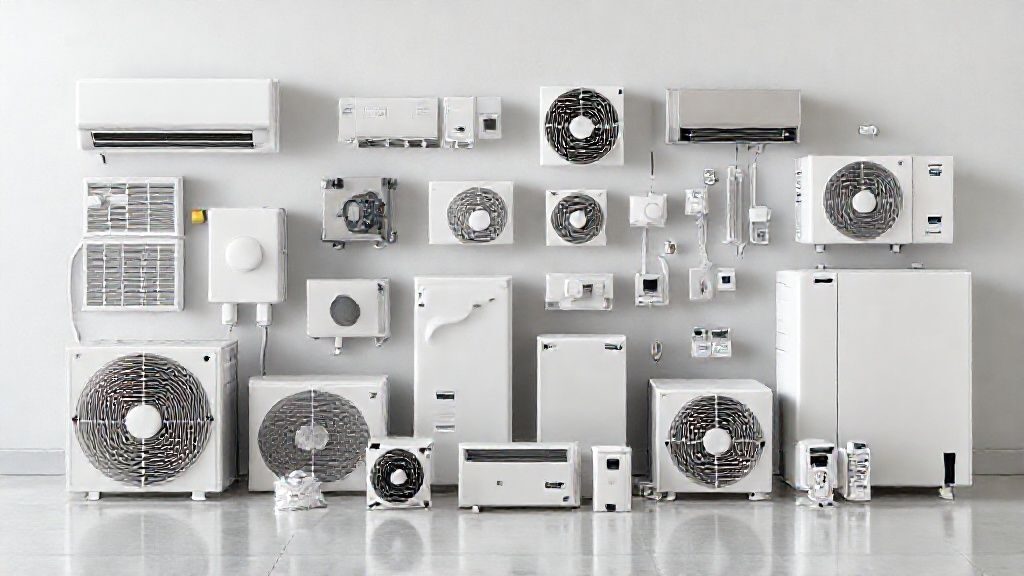
After decades in this business, I’ve learned that understanding your HVAC system isn’t just about fixing things when they break; it’s about knowing how your home’s comfort system works day-in and day-out. Homeowners often call me with a specific symptom – “my AC isn’t cooling,” or “my furnace isn’t heating” – but they rarely know which specific part might be causing the trouble. It’s like going to the doctor with a cough without knowing if it’s a cold, allergies, or something more serious. Knowing the fundamental components, what they do, and how they interact can save you time, money, and a lot of headaches.
I remember one summer in Tampa, Florida, where a family’s AC unit just wouldn’t keep up. The outdoor unit was running, the indoor fan was blowing, but the air felt lukewarm. After checking the refrigerant charge, I realized the indoor evaporator coil was so clogged with dirt and pet hair it couldn’t transfer heat properly. They thought it was a major compressor failure, but a thorough coil cleaning fixed the issue. This story, and many others like it, drives home the point: a system is only as good as the sum of its parts, and recognizing the role of each piece is key to keeping your home comfortable.
Key Highlights
- Your HVAC system is an intricate network of interconnected parts, each vital for maintaining indoor comfort.
- Furnaces use a heat exchanger and burners, while AC units rely on a compressor and refrigerant.
- Evaporator and condenser coils are crucial for transferring heat between your home and the outdoors.
- Thermostats act as the central control, dictating when and how your system operates.
- Ductwork ensures conditioned air is distributed evenly throughout your living spaces.
- Regular maintenance, including filter changes and professional tune-ups, extends the life and efficiency of all components.
- Identifying worn parts early can prevent minor issues from escalating into costly breakdowns.
What Are HVAC Parts and Why Do They Matter?
When we talk about HVAC parts, we’re referring to the individual components that make up your heating, ventilation, and air conditioning system. This isn’t just one big machine; it’s a collection of specialized devices working in concert. From the furnace in your basement to the air conditioner outside and the thermostat on your wall, every piece has a specific job. If one part fails, the entire system can be compromised, leading to discomfort, higher energy bills, or a complete shutdown. Understanding these parts matters because it empowers you as a homeowner. You’ll be better equipped to communicate with technicians, understand recommendations, and even perform basic preventative maintenance yourself. It helps you protect your investment and ensure your home remains a comfortable haven.
Key Components of a Furnace System
The furnace is often the workhorse for heating in many homes. It’s primarily responsible for generating heat and distributing it. Here’s a breakdown of its core components:
-
Heat Exchanger
This is the heart of your furnace. Made of metal, it’s where the combustion gasses transfer their heat to the air circulating through your home. The hot combustion gasses never mix with your breathable air; they’re separated by the walls of the heat exchanger. Cracks in a heat exchanger are serious and can lead to carbon monoxide leaks, which is why regular inspections are so important.
-
Burners
These are where the natural gas or propane mixes with air and ignites. The flame heats the heat exchanger. Properly functioning burners produce a steady blue flame. If you see yellow or flickering flames, it could indicate a problem with the fuel-air mixture or a dirty burner.
-
Ignition System
Older furnaces might have a pilot light, a small, constant flame. Modern furnaces typically use an electronic ignition system, like a hot surface igniter or an intermittent pilot. This system safely ignites the burners only when heat is called for by the thermostat. This is more efficient than a constant pilot light.
-
Blower Motor
Once the air is heated by the heat exchanger, the blower motor pushes that warm air through your home’s ductwork. This motor also operates during the cooling cycle, distributing cold air from the air conditioner. A failing blower motor can cause insufficient airflow, leading to uneven heating or cooling, and can also lead to an increased central air conditioner electricity consumption. Regular lubrication (if applicable) and keeping it free of debris are crucial for its longevity.
-
Gas Valve
This valve controls the flow of natural gas or propane to the burners. It’s a safety device that opens to allow gas in when heat is needed and closes to shut off the gas supply when the thermostat is satisfied or if a safety sensor detects an issue.
-
Flue/Vent Pipe
This pipe safely exhausts the combustion byproducts, like carbon monoxide and water vapor, out of your home. It’s critical that this pipe is clear of obstructions and properly sealed to prevent dangerous gasses from entering your living space.
-
Filters
While not unique to the furnace, the air filter is typically located where return air enters the furnace cabinet. Its job is to capture dust, pollen, and other airborne particles, protecting the furnace components and improving indoor air quality. I always recommend checking and changing your filter monthly, especially during peak use seasons. You can learn more about the types of filters available and find the best hvac services for maintenance.
Essential Parts of an Air Conditioning Unit
When the temperatures rise, your air conditioning unit steps up. It works on the principle of heat transfer, moving heat from inside your home to the outside. Here are its main components:
-
Compressor
Located in the outdoor unit, the compressor is often called the “heart” of the AC system. It’s a powerful pump that pressurizes the refrigerant gas, increasing its temperature and moving it through the system. This pressure change is essential for the refrigeration cycle. A faulty compressor is often the most expensive component to replace, impacting the costs of air conditioners significantly.
-
Condenser Coil
Also in the outdoor unit, this coil is where the hot, high-pressure refrigerant gas releases its heat to the outdoor air. As it cools, the refrigerant condenses back into a liquid. The fan in the outdoor unit helps dissipate this heat.
-
Evaporator Coil
This coil is located inside your home, usually within the indoor air handler or furnace. Here, the liquid refrigerant absorbs heat from your home’s indoor air, turning back into a low-pressure gas. This process cools the air that the blower then distributes throughout your ducts. We’ll delve deeper into coils shortly.
-
Expansion Valve/Metering Device
Positioned just before the evaporator coil, this device regulates the flow of liquid refrigerant into the evaporator. It rapidly drops the pressure of the refrigerant, causing it to cool significantly, ready to absorb heat from your indoor air.
-
Fan Motor (Condenser)
The fan on top of your outdoor unit pulls air over the condenser coil, helping to release the heat absorbed from inside your home. A broken condenser fan motor means the unit can’t effectively cool, leading to overheating and potential compressor damage.
-
Refrigerant Lines
These insulated copper tubes carry the refrigerant between the indoor evaporator coil and the outdoor condenser unit. There are typically two lines: a larger suction line for low-pressure gas and a smaller liquid line for high-pressure liquid refrigerant.
-
Capacitors
These electrical components store energy and provide a powerful jolt to start the compressor and fan motors, then help them run efficiently. They are common failure points, often leading to a unit that hums but doesn’t start.
-
Contactors
An electrical relay, the contactor acts as a switch, controlling the flow of high-voltage electricity to the compressor and outdoor fan motor. When the thermostat calls for cooling, it sends a low-voltage signal to the contactor, which then closes to power the outdoor unit.
Understanding HVAC Coils: Evaporator & Condenser
Coils are fundamental to how your HVAC system moves heat. They are essentially long, winding tubes designed to maximize surface area for heat exchange. Without them, your system wouldn’t be able to effectively cool or, in the case of a heat pump, provide efficient heating.
-
Evaporator Coil
This is the cold coil. Located inside your home, usually above the furnace or in a dedicated air handler, it’s responsible for absorbing heat from your indoor air. As warm indoor air passes over the cold evaporator coil, the refrigerant inside the coil absorbs the heat, cooling the air. Moisture from the air also condenses on the cold coil, which is why you have a condensate drain to carry this water away. Keeping this coil clean is vital for efficiency and indoor air quality.
-
Condenser Coil
This is the hot coil. Situated in your outdoor AC or heat pump unit, its job is to release the heat absorbed from your home into the outside air. The refrigerant, now hot and under high pressure, flows through the condenser coil, and the outdoor fan blows air across it. This process cools the refrigerant, causing it to condense back into a liquid, ready to begin the cycle anew. If you’re looking into ac handlers fishers in or elsewhere, understanding how these coils work together is key to appreciating system efficiency.
Both coils can get dirty over time. Dust, debris, and even mold can accumulate on their fins, creating an insulating layer that hinders heat transfer. When coils are dirty, your system has to work harder, consuming more energy and leading to higher utility bills. Regular cleaning by a professional technician ensures these critical parts operate at their best.
Thermostats: The Brains of Your HVAC System
The thermostat is your command center. It’s the device that senses the temperature in your home and sends signals to your furnace, air conditioner, or heat pump, telling them when to turn on or off. Without a functional thermostat, your entire HVAC system is essentially blind and deaf.
-
Types of Thermostats
-
Manual Thermostats
These are the simplest types, often with a mechanical dial or slide. You set the temperature, and the system maintains it until you manually change it. They’re reliable but offer no programming capabilities.
-
Programmable Thermostats
These allow you to set schedules for different times of day and days of the week. For example, you can program it to lower the temperature at night or when you’re at work, saving energy. Most programmable thermostats can handle multiple set points throughout the day.
-
Smart Thermostats
The most advanced option, smart thermostats offer features like Wi-Fi connectivity, remote control via a smartphone app, learning capabilities (they can learn your habits), energy usage reports, and integration with smart home systems. They provide the most control and potential for energy savings. Some can even sense when you’re away from home and adjust temperatures automatically.
-
Regardless of the type, ensuring your thermostat is accurately calibrated and located away from direct sunlight or drafts is crucial for effective temperature control. A poorly placed or malfunctioning thermostat can lead to your system running more than necessary or not enough, wasting energy and impacting comfort.
Ductwork and Ventilation Components
Ductwork is the circulatory system of your HVAC unit. It’s the network of channels that distributes conditioned air from your furnace or air conditioner throughout your home and returns stale air back to the system. Proper duct design and installation are just as important as the conditioning equipment itself.
-
Ducts (Supply and Return)
The main arteries. Supply ducts carry heated or cooled air from the HVAC unit to various rooms through registers. Return ducts pull air from your rooms back to the HVAC unit to be reconditioned. These are typically made of galvanized steel, fiberglass board, or flexible ducting.
-
Vents/Registers/Grilles
These are the openings in your walls, floors, or ceilings where air enters (registers) and exits (grilles) the rooms. Registers often have adjustable dampers to control airflow, while grilles are typically for return air. Keeping them clear of obstructions is important for good airflow.
-
Plenum
The plenum is a large box that attaches directly to your furnace or air handler. There’s a supply plenum that distributes conditioned air into the main supply ducts, and a return plenum that collects return air from the main return ducts before it enters the air handler.
-
Dampers
These are plates or valves located within the ductwork that can be opened or closed to regulate airflow to specific areas or rooms. Manual dampers are adjusted by hand, while automatic or zone dampers are controlled by a zoning system.
-
Return Air Box
Sometimes part of the return plenum, this is where the main return duct connects to the furnace/air handler. The air filter is typically housed here.
Leaky ductwork is a major source of energy waste. It’s not uncommon for homes to lose 20-30% of their conditioned air through leaks, cracks, and poorly sealed connections. Sealing your ducts can significantly improve efficiency and comfort. This is a job often overlooked but crucial for an efficient system.
Common HVAC System Accessories & Their Functions
Beyond the core components, several accessories can be integrated into your HVAC system to enhance comfort, improve air quality, and increase efficiency.
-
Air Filters (Advanced)
While basic filters protect the equipment, advanced filters like HEPA filters or electronic air cleaners (EACs) are designed to capture microscopic particles, allergens, and pollutants, significantly improving indoor air quality. They are particularly beneficial for individuals with allergies or respiratory sensitivities.
-
Humidifiers/Dehumidifiers
A whole-house humidifier adds moisture to the air during dry winter months, preventing dry skin, static electricity, and protecting wood furnishings. Conversely, a whole-house dehumidifier removes excess moisture during humid summer months, making your home feel cooler at a higher temperature setting and inhibiting mold growth.
-
UV Lights
Ultraviolet (UV) lights can be installed in your ductwork or near the evaporator coil. They help kill mold, mildew, bacteria, and viruses that might be circulating in your HVAC system or growing on the coil, leading to cleaner air and a healthier system.
-
Zoning Systems
A zoning system allows you to divide your home into different temperature zones, each controlled by its own thermostat. This means you can heat or cool only the areas you’re using, saving energy and providing personalized comfort. It uses motorized dampers within the ductwork to redirect airflow.
-
Ventilators (HRV/ERV)
Heat Recovery Ventilators (HRVs) and Energy Recovery Ventilators (ERVs) bring fresh outdoor air into your home while recovering energy from the outgoing stale air. HRVs transfer heat, while ERVs transfer both heat and moisture, making them ideal for different climates. They improve indoor air quality without a significant energy penalty.
Integrating these accessories can turn a basic comfort system into a comprehensive indoor environment control system. When considering upgrades, it’s always a good idea to contact us for a quote on system enhancements.
How to Identify Worn or Damaged HVAC Parts
Catching problems early is often the difference between a minor repair and a major replacement. Your HVAC system usually gives you signs when something is wrong. Here’s what to look out for:
-
Strange Noises
Bangs, clanks, squeals, grinding, or hissing sounds are rarely normal. A squealing sound could indicate a failing belt or motor bearing. A loud bang at startup might be a faulty igniter or delayed ignition. Hissing could be a refrigerant leak. Any unusual sound warrants investigation.
-
Reduced Efficiency or Inconsistent Temperatures
If your energy bills are suddenly higher without a change in usage, or if certain rooms are always too hot or too cold, it’s a sign that a component isn’t working optimally. This could be a dirty coil, a struggling blower, or leaky ductwork.
-
Foul Odors
A burning smell could mean an electrical issue or dirty components. A musty smell often points to mold growth in the evaporator coil or ductwork. A strong gas smell, of course, means you need to shut off your furnace and call for service immediately.
-
Visible Leaks or Drips
Water pooling around your indoor unit usually indicates a clogged condensate drain line or a frozen evaporator coil. Refrigerant leaks often leave an oily residue around the refrigerant lines or coils.
-
Frequent Cycling
If your system turns on and off too frequently (short cycling), it could be due to an oversized unit, a faulty thermostat, low refrigerant, or a clogged filter. This puts extra strain on the compressor and other parts.
-
No Airflow or Weak Airflow
If you feel little to no air coming from your registers, it could be a failing blower motor, a severely clogged filter, or major ductwork issues.
These signs are your system’s way of telling you it needs attention. Ignoring them can lead to further damage and more expensive repairs down the line.
Maintaining Your HVAC Parts for Longevity and Efficiency
Maintaining your HVAC system isn’t just about avoiding breakdowns; it’s about ensuring it runs as efficiently as possible, saving you money on energy bills and extending the life of your equipment. A little proactive care goes a long way.
-
Regular Filter Changes
This is the simplest and most effective maintenance task you can perform. A dirty filter restricts airflow, making your blower motor work harder and reducing the efficiency of your heating and cooling. I recommend checking your filter monthly and replacing it every 1-3 months, depending on your system’s usage and whether you have pets or allergies.
-
Coil Cleaning
Your evaporator and condenser coils collect dirt and debris over time. The outdoor condenser coil can get clogged with leaves, grass clippings, and general grime, while the indoor evaporator coil can accumulate dust and mold. Dirty coils can’t transfer heat efficiently, forcing your system to run longer and use more energy. Professional cleaning once a year ensures they remain effective.
-
Clear the Area Around Outdoor Unit
Ensure there’s at least two feet of clearance around your outdoor condenser unit. Remove any leaves, weeds, grass, or other debris that could block airflow. This allows the unit to dissipate heat properly.
-
Inspect and Clear Condensate Drain
The condensate drain line can become clogged with algae or sludge, causing water to back up and potentially spill into your home, leading to water damage or even system shutdown. Pouring a cup of distilled vinegar down the line a few times a year can help prevent clogs.
-
Duct Inspection and Sealing
Periodically check visible ductwork for leaks, gaps, or disconnections. You can seal minor leaks with mastic sealant or metallic-backed tape (never use duct tape, despite the name). For larger issues, professional duct sealing and inspection are recommended.
-
Professional Tune-Ups
Schedule annual maintenance appointments with a qualified technician. They’ll inspect all critical components, check refrigerant levels, test electrical connections, lubricate moving parts, and identify potential issues before they become major problems. This preventative care is perhaps the single best investment you can make in your HVAC system’s longevity and performance.
By staying on top of these maintenance tasks, you’re not just fixing problems; you’re preventing them. You’ll enjoy a more reliable system, consistent comfort, and lower energy bills throughout the year. If you’re looking for new options, feel free to see our furnace selection.
Where to Find Quality HVAC Replacement Parts
When a part does fail, getting the right replacement is crucial. You want parts that are compatible, reliable, and will last. Here’s what I generally advise:
-
Work with a Certified HVAC Technician
This is my top recommendation. A professional technician not only diagnoses the problem accurately but also has access to reputable suppliers. They can ensure you get the correct part for your specific make and model, and they’ll handle the installation correctly, which is vital for warranty purposes and safe operation.
-
HVAC Distributors
These specialized suppliers stock a wide range of OEM (Original Equipment Manufacturer) and aftermarket parts. They usually sell primarily to licensed contractors, but some may have retail counters or online storefronts. They understand the intricacies of HVAC systems and can often help identify obscure components.
-
Online Retailers
There are many online platforms that sell HVAC parts. Websites like wholesale hvac can be a good source, but you need to be very careful to know exactly what part you need (part number, model number, etc.) to avoid purchasing the wrong item. While you might save a few dollars, if you’re not absolutely sure about the part or how to install it, it’s a risky approach.
-
Prioritize OEM Parts
Whenever possible, I recommend using OEM (Original Equipment Manufacturer) parts. These parts are designed specifically for your unit by the manufacturer and often offer better compatibility, reliability, and come with a warranty. Aftermarket parts can be cheaper, but their quality and fit might vary.
-
Beware of Used or Refurbished Parts
While tempting due to lower cost, used or refurbished parts carry significant risk. Their lifespan is often unpredictable, and they may fail prematurely, leading to more hassle and expense in the long run. For critical components like compressors or heat exchangers, always go new.
Ultimately, investing in quality parts and professional installation pays off in the long run through greater reliability and efficiency. Don’t cut corners when it comes to the heart of your home’s comfort system.
FAQs About HVAC System Components
Q: How often should I replace my HVAC filter?
A: Most manufacturers and technicians recommend checking your filter monthly and replacing it every 1 to 3 months. If you have pets, allergies, or run your system frequently, you might need to change it more often.
Q: What’s the average lifespan of an HVAC system?
A: Furnaces typically last 15-20 years, while air conditioners and heat pumps generally last 10-15 years. Regular maintenance plays a significant role in achieving these lifespans, and sometimes even extending them.
Q: Can I replace HVAC parts myself?
A: Some simple tasks, like changing a filter or cleaning the outdoor unit, are homeowner-friendly. However, replacing critical components like compressors, igniters, or circuit boards should always be left to a qualified HVAC technician. These jobs involve electrical risks, refrigerant handling, and specialized knowledge that DIYers typically lack.
Q: Why is my outdoor unit freezing up?
A: A frozen outdoor unit (or indoor evaporator coil) usually indicates a problem that restricts airflow or a low refrigerant charge. Common causes include a dirty air filter, a clogged condensate drain, a malfunctioning fan, or a refrigerant leak. This requires professional diagnosis.
Q: What does SEER rating mean for AC units?
A: SEER stands for Seasonal Energy Efficiency Ratio. It measures the cooling output of an air conditioner over a typical cooling season divided by the total electric energy input during the same period. A higher SEER rating indicates a more energy-efficient unit, meaning lower operating costs. Minimum SEER ratings are regulated by the government.
Q: Is it better to repair or replace an old HVAC system?
A: If your system is over 10-12 years old, requires frequent expensive repairs, or your energy bills are consistently high, it’s often more cost-effective to replace it. A new, more efficient system can offer significant energy savings and improved comfort. A professional technician can help you weigh the repair vs. replace options based on your specific situation.
Final Thoughts
Understanding the essential parts of your HVAC system isn’t just technical knowledge; it’s practical wisdom for every homeowner. Each component, from the smallest electrical contactor to the large heat exchanger, plays a role in your home’s comfort and energy efficiency. Being familiar with these parts helps you identify issues earlier, communicate more effectively with professionals, and make informed decisions about maintenance and repairs. Remember, regular preventative maintenance is your best tool for ensuring these parts work reliably for years to come. Don’t wait for a breakdown; proactive care keeps your system running smoothly and your home comfortable, no matter the season. Invest a little time in knowing your system, and it will pay you back in comfort and peace of mind.