After decades in the HVAC business, I’ve seen just about every type of heating and cooling system imaginable. From the scorching summers in Tampa, Florida, where folks depend entirely on their air conditioning, to the freezing winters up north where a reliable furnace is literally a lifeline, the need for a good, integrated comfort system is universal. Understanding your home’s AC and heating unit isn’t just about comfort; it’s about energy efficiency, indoor air quality, and the overall value of your property. It’s a significant investment, and knowing how it works and how to take care of it will save you headaches and money down the line.
My job has always been to help homeowners make sense of their HVAC systems. I’ve crawled through more attics and basements than I can count, diagnosing issues and explaining complex processes in plain language. This guide aims to do the same for you, whether you’re looking to replace an old unit, troubleshoot a minor problem, or simply understand what makes your home comfortable year-round. We’ll cover everything from the basic principles to advanced maintenance and purchasing decisions. Stick with the facts, and you’ll be well-prepared.
Key Highlights
- An AC and heating unit refers to systems that provide both cooling and heating, often as a single, integrated solution.
- Common types include split systems, heat pumps, package units, and ductless mini-splits.
- Regular maintenance is crucial for efficiency, longevity, and preventing costly breakdowns.
- Understanding your system’s components helps with basic troubleshooting and informs repair decisions.
- Choosing the right size and type of unit for your home is paramount for comfort and energy savings.
- Modern units offer significant improvements in energy efficiency, which can lead to substantial long-term cost savings.
What is an AC and Heating Unit?
When we talk about an AC and heating unit, we’re generally referring to a unified system designed to manage your home’s indoor climate. It’s not just an air conditioner tacked onto a furnace; it’s an integrated approach to comfort. In most homes, these two functions, cooling and heating, are handled by components that work together, often sharing ductwork and a thermostat. The goal is simple: keep your indoor temperature comfortable, whether it’s the middle of a heatwave or a cold snap. This integration is why you hear them grouped together so often in the industry.
Essentially, an AC unit removes heat and humidity from your home, pushing cooler air inside, while a heating unit, usually a furnace or a heat pump, generates heat to warm your living spaces. When these systems are designed to operate in tandem, they provide a consistent and controlled environment. This setup offers convenience and efficiency, as a single control system (your thermostat) manages both functions, often automatically switching between modes to maintain your desired temperature.
The core concept is to provide conditioned air. In summer, the conditioning is cooling and dehumidifying. In winter, it’s heating. The system handles both, ensuring comfort regardless of the season outside. This centralized approach is the most common residential solution in North America, allowing for even temperature distribution throughout the home via a network of ducts and vents.
How Do AC and Heating Units Work Together?
The synergy between your AC and heating unit is quite ingenious. Most modern residential systems operate as a “split system.” This means you have an outdoor unit for the air conditioner (or heat pump) and an indoor unit, which typically houses the furnace and the evaporator coil for the AC. These components are connected by refrigerant lines and electrical wiring.
During the cooling cycle, the outdoor unit (condenser and compressor) pumps refrigerant through the system. The refrigerant absorbs heat from your indoor air as it passes over the evaporator coil in the indoor unit. This cooled air is then circulated throughout your home by the furnace’s blower fan. The heat-laden refrigerant then travels back to the outdoor unit, releases the heat, and the cycle repeats. Essentially, the AC is moving heat from inside your house to outside.
When it comes to heating, if you have a traditional furnace, it burns fuel (natural gas, propane, or oil) to heat a heat exchanger. The blower then pushes air over this hot heat exchanger, warming the air before it’s distributed through your ducts. If you have a heat pump system, it reverses the refrigeration cycle. Instead of moving heat from inside to outside, it extracts heat from the outdoor air (even in cold temperatures) and transfers it indoors. For very cold days, many heat pumps have auxiliary electric resistance heating to supplement their output. The key is that the same ductwork and often the same blower fan handle both the hot and cold air delivery, making it a cohesive system.
Types of AC and Heating Systems
Not all AC and heating units are created equal. Different homes and climates call for different solutions. Knowing the common types can help you understand what you have or what might be best for your next upgrade.
Split Systems
This is the most common type. As I mentioned, it has an indoor unit (furnace and evaporator coil) and an outdoor unit (condenser and compressor). They are “split” between inside and outside. They are very effective for central air conditioning and heating in homes with existing ductwork. Most homes with air conditioning utilize a split system configuration.
Heat Pumps
A heat pump is a fantastic piece of equipment because it can provide both heating and cooling. It works much like a standard AC unit, but it has a reversing valve that allows it to essentially run in reverse. In cooling mode, it extracts heat from indoors and expels it outdoors. In heating mode, it extracts heat from outdoors (even when it’s chilly) and transfers it indoors. Heat pumps are very energy-efficient, especially in moderate climates, because they transfer heat rather than generating it. They often pair with a supplemental furnace for extremely cold conditions.
Package Units
Unlike split systems, a package unit contains all its primary components—compressor, condenser, evaporator, and heating elements (either furnace or heat pump coil)—in a single cabinet. These units are typically installed on a concrete slab beside the home or on the roof. They’re often seen in manufactured homes, commercial buildings, or homes where indoor space for a furnace or air handler is limited. All the ductwork connects directly to this single outdoor unit.
Ductless Mini-Split Systems
Ductless mini-splits are an excellent option for homes without existing ductwork, additions, or for zoned comfort. They consist of an outdoor compressor/condenser unit connected to one or more indoor air-handling units. Each indoor unit typically controls a single room or zone, allowing for individualized temperature settings. They provide both heating and cooling and are known for their efficiency and flexibility. You won’t find large ducts with these systems, which is a major advantage for certain installations.
Geothermal Systems
Geothermal heat pumps are arguably the most energy-efficient heating and cooling systems available. They tap into the stable temperature of the earth through an underground loop system. This allows them to transfer heat to or from your home much more efficiently than air-source heat pumps. While the initial installation cost is higher, the long-term energy savings are substantial. They provide consistent heating and cooling and are incredibly environmentally friendly.
Key Components of a Combined System
Understanding the main parts of your AC and heating unit helps you recognize issues and communicate effectively with technicians. While systems vary, these components are core to most setups:
- Thermostat: This is your control center. It senses the room temperature and signals the HVAC system to turn on or off, switching between heating and cooling modes as needed. Modern smart thermostats offer advanced programming and remote control.
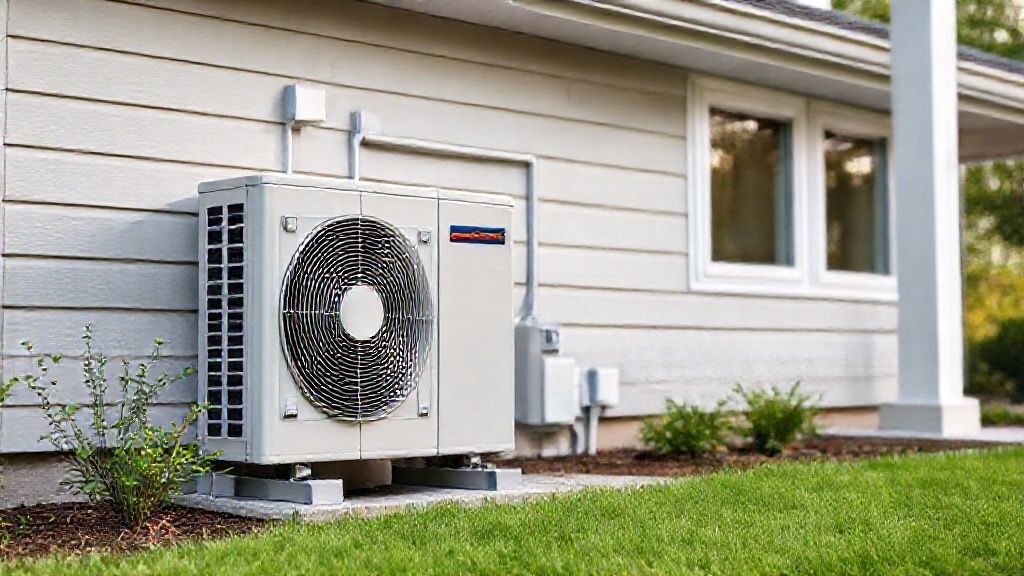
- Outdoor Unit (Condenser/Compressor): For split systems and heat pumps, this unit sits outside. It contains the compressor, which pressurizes the refrigerant, and the condenser coil, where heat is released to the outside air during cooling mode.
- Indoor Unit (Furnace/Air Handler and Evaporator Coil): Located inside (e.g., in a closet, basement, or attic). If you have a furnace, this is where fuel is burned to create heat. The evaporator coil, for the AC function, sits atop the furnace or within the air handler, absorbing heat from your home’s air.
- Blower Motor and Fan: Located in the indoor unit, this powerful fan pushes conditioned air (either heated or cooled) through your home’s ductwork. A strong, well-maintained blower is critical for proper airflow.
- Ductwork: This is the network of channels that distributes conditioned air from the indoor unit to various rooms and returns stale air back to the system. Leaky or poorly designed ductwork can drastically reduce efficiency.
- Refrigerant Lines: These copper lines connect the indoor and outdoor units, circulating refrigerant that carries heat between them.
- Filters: Arguably the simplest but most important component for homeowner maintenance. Air filters trap dust, pollen, pet dander, and other particles, protecting your system and improving indoor air quality.
- Drain Pan and Condensate Line: During the cooling process, humidity is removed from the air, creating condensation. This water collects in a drain pan and exits the home through a condensate line. Blockages here can cause leaks and system shutdowns.
Essential AC and Heating Unit Maintenance Tips
Proper maintenance isn’t optional; it’s essential. I’ve seen countless systems fail prematurely or run inefficiently because of neglected upkeep. A little preventative care goes a long way and helps prevent those emergency calls.
Here are my top maintenance tips:
- Change Your Air Filter Regularly: This is the single most important thing you can do. A dirty filter restricts airflow, making your system work harder, wasting energy, and potentially damaging the unit. Check it monthly and replace it every 1-3 months, or more often if you have pets or allergies.
- Keep Outdoor Unit Clear: The outdoor condenser unit needs clear space around it to dissipate heat effectively. Clear away leaves, grass clippings, shrubs, and any debris at least two feet in every direction.
- Clean the Condenser Coils: Annually, especially before the cooling season, gently rinse the outdoor coils with a garden hose to remove dirt and grime. For deeper cleaning, a professional is recommended.
- Check the Condensate Drain Line: Algae and sludge can clog this line, causing water to back up and potentially leading to leaks or system shutdowns. You can often clear minor clogs by pouring a cup of distilled vinegar down the access port.
- Inspect Ductwork: Look for visible leaks or disconnections in your ductwork. Even small gaps can lead to significant energy loss. Sealing these with mastic or specialized tape can improve efficiency.
- Schedule Professional Tune-Ups: Have a qualified HVAC technician inspect your system annually (ideally once for heating in the fall and once for cooling in the spring). They can identify potential problems early, clean components, check refrigerant levels, and ensure everything is running optimally. This is often the best investment you can make in your system’s longevity and efficiency.
- Maintain an Optimum A/C Temperature: While not strictly maintenance, setting your thermostat to an optimum a/c temperature, typically around 78°F in summer, reduces strain on the system and saves energy. Avoid extreme temperature swings.
Common Problems and Troubleshooting
Even with good maintenance, problems can arise. Here are some common issues I’ve encountered and simple troubleshooting steps you can take before calling a professional:
- No Power to the Unit: Check your thermostat. Is it set to “heat” or “cool” and at the desired temperature? Check your circuit breaker. Sometimes a tripped breaker is the only issue. Ensure the disconnect switch near the outdoor unit is “on.”
- System Not Heating or Cooling:
- Thermostat settings: Double-check they’re correct. Is it on “auto” fan mode?
- Dirty Air Filter: A severely clogged filter can block airflow, causing the system to overheat or freeze up. Replace it.
- Blocked Vents: Make sure all supply and return vents are open and not obstructed by furniture or curtains.
- Outdoor Unit Issues (AC/Heat Pump): Check if the outdoor unit’s fan is spinning. If not, it could be a capacitor or motor issue. Clear any debris around the unit.
- Furnace Issues: If you have a gas furnace and it’s not heating, check the pilot light (if applicable) or the ignitor. Listen for the sound of gas igniting.
- Weak Airflow: Again, a dirty filter is the prime suspect. Also, check for closed vents, obstructions in the ductwork, or issues with the blower motor.
- Strange Noises:
- Squealing: Often a worn-out fan belt in the blower motor.
- Grinding: Could indicate worn motor bearings.
- Banging: Might be a loose component or a serious blower issue.
- Hissing: A refrigerant leak can sometimes produce a hissing sound.
Any loud or unusual noise warrants a professional inspection.
- Water Leaks: Most common cause is a clogged condensate drain line. Clear it if you can. If the outdoor AC unit is leaking water, that’s usually normal condensation. If the indoor unit is leaking significant water, shut it off and call a technician immediately.
Remember, while basic troubleshooting can save a service call, never attempt repairs beyond your comfort level or expertise. Electrical components and refrigerants can be dangerous. When in doubt, call a pro.
When to Repair vs. Replace Your Unit
This is a common dilemma for homeowners, and there’s no single right answer. It comes down to a few key factors:
- Age of the Unit: The average lifespan of an AC unit is 10-15 years, and a furnace is 15-20 years. If your system is approaching or past these age ranges, a replacement often makes more financial sense than a costly repair.
- Cost of Repair: If a repair bill is 30-50% or more of the cost of a new unit, it’s usually time to replace. Consider the “5,000 Rule”: multiply the age of the unit by the repair cost. If the total exceeds $5,000, replacement is often the better option. For example, a 10-year-old unit with a $500 repair bill (10 x 500 = 5000) suggests replacement.
- Frequent Breakdowns: If your unit requires multiple repairs every season, it’s a sign of a failing system. The cumulative repair costs add up, and you’ll likely face more breakdowns in the near future.
- Energy Efficiency: Older units, especially those 10+ years old, are significantly less energy-efficient than new models. Replacing an old 8-10 SEER AC unit with a new 16-20 SEER model can drastically reduce your energy bills, potentially offsetting the replacement cost over time.
- R-22 Refrigerant: If your AC uses R-22 refrigerant (Freon), which has been phased out due to environmental concerns, future repairs involving refrigerant will be very expensive due to its scarcity. This is a strong indicator to consider replacement.
- Comfort and Performance: Is your home unevenly cooled or heated? Does the system struggle to reach desired temperatures? If your current unit isn’t providing adequate comfort, a new, properly sized system will make a noticeable difference.
Sometimes, what seems like a costly repair is just a temporary fix for a system that’s on its last legs. I always advise homeowners to look at the long-term picture. While the upfront cost of a new system can be daunting, the reliability, improved comfort, and lower energy bills often make it the smarter choice in the long run. Many companies offer central ac deals and financing options to make replacements more manageable.
Choosing the Right AC and Heating Unit for Your Home
Selecting a new AC and heating unit isn’t a one-size-fits-all situation. It requires careful consideration of several factors specific to your home and lifestyle. Getting this right is crucial for both comfort and efficiency.
Proper Sizing
This is perhaps the most critical factor. An oversized unit will short-cycle, meaning it turns on and off too frequently. This wastes energy, causes excessive wear and tear, and doesn’t adequately dehumidify your home in cooling mode. An undersized unit will run constantly, struggling to reach the desired temperature, leading to discomfort and high energy bills. A professional HVAC contractor performs a load calculation (often called a Manual J calculation) that considers:
- Your home’s square footage
- Insulation levels
- Window types and orientations
- Number of occupants
- Climate zone
- And more.
Don’t let anyone just guess at the size based on square footage alone. Proper sizing is key to an efficient and comfortable system.
Energy Efficiency Ratings
Look for high SEER (Seasonal Energy Efficiency Ratio) for ACs and heat pumps, EER (Energy Efficiency Ratio) for heat pumps, and AFUE (Annual Fuel Utilization Efficiency) for furnaces.
- SEER: The higher the SEER, the more energy-efficient the cooling. Current minimum is 13-14 SEER depending on region, but units can go much higher (20+ SEER).
- AFUE: The higher the AFUE, the more efficient the furnace is at converting fuel into heat. An 80% AFUE furnace means 80% of the fuel is converted to heat, and 20% is lost. High-efficiency furnaces are 90% AFUE or higher.
Higher efficiency units generally cost more upfront but save you money on utility bills over their lifespan.
System Type
As discussed earlier, consider the various types: split systems, heat pumps, package units, or ductless mini-splits. Your climate, existing ductwork, and budget will influence this decision. Heat pumps are excellent for moderate climates, while a high-AFUE furnace paired with a high-SEER AC is common in regions with distinct hot and cold seasons.
Features and Technology
Modern units offer various features that can enhance comfort and efficiency:
- Variable-Speed Blowers: These motors can run at different speeds, providing more consistent temperatures, better humidity control, and quieter operation.
- Two-Stage or Variable-Capacity Compressors: These can run at a lower capacity during milder weather and ramp up when needed, improving efficiency and comfort.
- Zoning Capabilities: Allows you to control the temperature in different areas or zones of your home independently, saving energy in unoccupied rooms.
- Smart Thermostats: Offer programming, remote access, and learning capabilities to optimize comfort and energy use.
Brand and Warranty
Research reputable brands known for quality and reliability. Pay attention to the warranty offered on parts and the compressor, as this indicates the manufacturer’s confidence in their product. A good warranty provides peace of mind.
Choosing the right system involves a balance of performance, efficiency, features, and budget. Always work with a trusted professional who can provide a detailed assessment and recommendation tailored to your specific needs. If you’re looking for the best hvac solutions, consulting with experts is crucial.
Energy Efficiency and Cost Savings
The operating costs of your AC and heating unit are a significant part of your home budget. Investing in energy-efficient equipment can lead to substantial long-term savings. Here’s why and what to look for:
Understanding Efficiency Ratings
I already touched on SEER, EER, and AFUE. The higher these numbers, the less energy your unit consumes to deliver the same amount of heating or cooling. For example, upgrading from an old 10 SEER AC to a new 16 SEER unit can reduce your cooling costs by approximately 30-40%.
Long-Term vs. Upfront Costs
Energy-efficient systems often have a higher initial purchase price. However, I always tell folks to look beyond that immediate cost. Calculate the potential energy savings over the lifespan of the unit. Many times, the higher efficiency model will pay for itself in reduced utility bills within a few years, and continue to save you money for its entire operational life. It’s an investment, not just an expense.
Smart Thermostats
Pairing your efficient unit with a smart thermostat maximizes savings. These devices learn your preferences, can be controlled remotely, and can adjust temperatures based on occupancy or time of day. Programming your thermostat to reduce heating or cooling when you’re away or asleep can shave a considerable amount off your energy bills without sacrificing comfort.
Zoning Systems
If your home has multiple levels or distinct areas, a zoning system can be a game-changer for efficiency. It allows you to heat or cool only the areas that are occupied, rather than the entire house. For instance, you don’t need to blast the AC in the upstairs bedrooms all day if everyone is downstairs. This targeted approach significantly reduces energy waste.
Proper Installation and Maintenance
Even the most efficient unit will perform poorly if it’s not installed correctly or if it’s neglected. Poor installation can negate all the potential energy savings. Likewise, a dirty filter, clogged coils, or low refrigerant levels will force your system to work harder, consuming more energy than necessary. Regular professional maintenance ensures your system runs at peak efficiency.
Government Incentives and Rebates
Don’t forget to check for local, state, or federal rebates and tax credits for installing high-efficiency HVAC equipment. These incentives can significantly lower the effective cost of a new system, making the upgrade even more attractive.
Ultimately, a holistic approach that combines an appropriately sized, high-efficiency unit with smart controls, proper installation, and diligent maintenance is how you achieve maximum comfort at the lowest possible operating cost.
Professional Installation and Service
I cannot stress this enough: the quality of your AC and heating unit’s installation and ongoing service is just as important as the quality of the equipment itself. Even the best, most expensive system will underperform or fail prematurely if it’s installed improperly.
Why Professional Installation Matters
- Correct Sizing: As discussed, a professional performs load calculations (Manual J) to determine the precise heating and cooling needs of your home. This avoids oversized or undersized units.
- Proper Refrigerant Charge: Incorrect refrigerant levels can severely impact efficiency and component lifespan. This is a common issue with DIY or amateur installations.
- Ductwork Integrity: Technicians ensure ductwork is properly sized, sealed, and insulated, minimizing energy loss. Leaky ducts can waste up to 30% of your conditioned air.
- Electrical and Gas Connections: These are critical for safety and performance. Professionals ensure all connections meet local codes and safety standards.
- System Calibration: After installation, the system needs to be tested and calibrated to ensure it’s operating at peak efficiency and comfort.
- Warranty Validation: Many manufacturers’ warranties are voided if the system isn’t installed by a licensed professional.
What to Look for in an HVAC Contractor
- Licensing and Insurance: Always verify that the contractor is licensed and insured. This protects you in case of accidents or faulty work.
- Experience and Reputation: Look for contractors with a proven track record. Check online reviews, ask for references, and inquire about their time in business.
- Detailed Proposals: A good contractor will provide a comprehensive, written proposal that clearly outlines the scope of work, equipment being installed, warranty information, and total cost. Avoid vague quotes.
- Load Calculations: Insist on a Manual J load calculation for proper sizing.
- Clear Communication: They should be able to explain everything in plain language and answer all your questions thoroughly.
- Maintenance Plans: Many reputable companies offer service agreements or maintenance plans that include annual tune-ups, which are highly recommended.
Professional service doesn’t end with installation. Regular maintenance by trained technicians extends the life of your unit, maintains efficiency, and catches small problems before they become expensive breakdowns. Trusting your AC and heating unit to qualified professionals is an investment in your home’s comfort and your peace of mind.
FAQ
Q1: How often should I have my AC and heating unit serviced professionally?
A: I recommend professional servicing at least once a year. Ideally, schedule a tune-up for your heating system in the fall and for your AC system in the spring. This ensures both components are ready for their respective seasons, operating at peak efficiency, and helps catch potential issues early.
Q2: What’s the difference between a furnace and a heat pump?
A: A furnace generates heat by burning fuel (like natural gas or propane) and then distributes that heat. A heat pump, on the other hand, moves heat. In winter, it extracts heat from the outside air and transfers it indoors. In summer, it reverses this process to cool your home. Heat pumps are very efficient because they move heat rather than create it, but they often require supplemental heat (like from a furnace or electric coils) in very cold climates.
Q3: Why is my AC blowing warm air?
A: Several reasons could cause this. First, check your thermostat settings to ensure it’s set to “cool” and the fan is on “auto.” A very dirty air filter can restrict airflow and cause issues. Low refrigerant levels, a malfunctioning compressor, or a problem with the outdoor unit (like a tripped breaker or a seized fan) are also common culprits. It’s best to call a professional to diagnose refrigerant issues or major component failures.
Q4: How can I improve my home’s energy efficiency with my existing HVAC system?
A: Start with consistent air filter changes. Ensure your outdoor unit is clear of debris. Seal any leaks in your ductwork. Use a programmable or smart thermostat to set back temperatures when you’re away or asleep. Make sure your home is well-insulated and windows are sealed. Regular professional maintenance also plays a huge role in keeping your system running efficiently. You can also review contact us for a quote options if you are considering a new, more efficient system.
Q5: Is it better to leave my AC on all day or turn it off when I leave?
A: Generally, it’s more energy-efficient to set your thermostat back by 7-10 degrees (or off) when you’re away for several hours, rather than letting it run constantly at a low temperature. However, don’t turn it completely off for extended periods in very hot climates, as humidity can build up and make your home harder to cool later. A programmable or smart thermostat is ideal for managing this balance effectively.
Final Thoughts
Your AC and heating unit is the heart of your home’s comfort system. It’s a complex piece of equipment, but understanding its basics, knowing how to perform simple maintenance, and recognizing when to call in a professional will serve you well. Don’t underestimate the value of regular check-ups and keeping those air filters clean. These simple steps can extend the life of your system, keep your energy bills in check, and ensure your home remains a comfortable haven year-round. Investing in quality equipment and professional service is an investment in your home’s future and your family’s comfort. Take care of your system, and it will take care of you.