As an HVAC technician with decades under my belt, I’ve seen just about every kind of air conditioning issue you can imagine. From the scorching summers in Phoenix, Arizona, where units run non-stop, to the humid heat of Orlando, Florida, where mildew can be a constant battle, the one component that consistently plays a starring role in your home’s comfort is the air conditioner condenser. It’s the outdoor half of your split system, often overlooked until it stops working, but it’s critical to keeping things cool inside.
I remember a particular summer in Denver, Colorado, when a homeowner called me because their AC simply wasn’t cutting it. The temperatures were spiking, and their home was stifling. When I got there, the condenser unit was practically buried in cottonwood fluff from nearby trees. The coils were so clogged, the system couldn’t shed heat effectively. A thorough cleaning had that unit humming happily again, demonstrating just how vital proper condenser function is, especially when demand is high. It’s a workhorse, and understanding how it operates is key to appreciating its role and ensuring its longevity.
Key Highlights
- The AC condenser is the outdoor unit responsible for releasing heat from your home into the outside air.
- It contains the compressor, condenser coil, and fan, all working together in the refrigerant cycle.
- Proper maintenance, including regular cleaning of the condenser coil, is crucial for efficiency and lifespan.
- Common signs of failure include unusual noises, leaks, reduced cooling, and higher energy bills.
- Deciding to repair or replace often depends on the unit’s age, the extent of the damage, and the overall system efficiency.
What is an Air Conditioner Condenser?
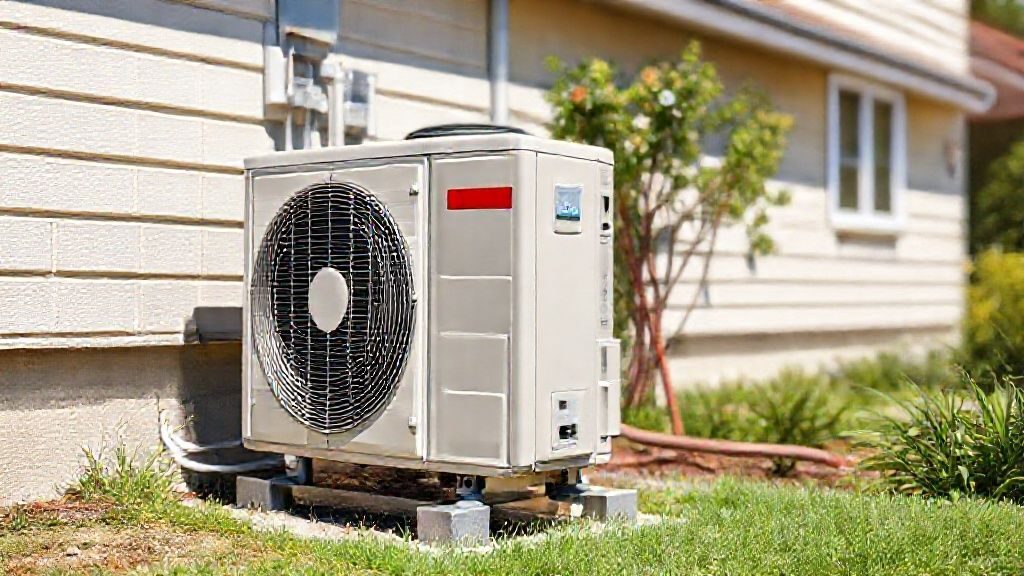
Simply put, the air conditioner condenser is the outdoor unit of your central air conditioning system. It’s the large box with a fan on top that sits outside your home or business. While the indoor unit, often called the evaporator coil and air handler, absorbs heat from your indoor air, the condenser’s job is to take that heat and release it into the ambient outdoor air. It’s a heat exchange component, and without it, your air conditioner wouldn’t be able to cool your home.
Think of it as the exhaust system for the heat removed from your living space. Refrigerant, a special chemical compound, circulates through both the indoor and outdoor units, acting as the carrier for this heat. When the refrigerant reaches the condenser, it’s hot and under high pressure. The condenser then facilitates the cooling of this refrigerant, turning it back into a liquid so it can absorb more heat from your home. This continuous cycle is what keeps your indoor environment comfortable and cool.
How an AC Condenser Works: The Refrigerant Cycle
Understanding the condenser’s role means understanding the basic refrigerant cycle. It’s a continuous process that moves heat from one place to another. Let me walk you through it step-by-step:
- Evaporation (Indoors): First, liquid refrigerant, which is cold and under low pressure, flows into the evaporator coil inside your home. Warm indoor air passes over this coil, and the refrigerant absorbs the heat, turning into a low-pressure gas.
- Compression (Outdoors – within the condenser): This low-pressure gas then travels through a copper line to the compressor, located in the outdoor condenser unit. The compressor is essentially a pump that squeezes the refrigerant gas, increasing its pressure and temperature significantly. It becomes a hot, high-pressure gas.
- Condensation (Outdoors – within the condenser): The hot, high-pressure refrigerant gas then flows into the condenser coil, which is the large set of fins and tubes you see wrapped around the outside of the condenser unit. A large fan on top of the condenser unit pulls outdoor air over these hot coils. As the cooler outdoor air passes over the coils, it absorbs heat from the refrigerant. This process causes the refrigerant to cool down and condense back into a high-pressure liquid. This is where the name “condenser” comes from.
- Expansion (Indoors): Finally, the high-pressure liquid refrigerant flows through an expansion valve (or metering device) just before it enters the evaporator coil again. This valve reduces the pressure of the refrigerant, causing it to cool rapidly and turn back into a cold, low-pressure liquid, ready to absorb more heat from your home.
This cycle repeats constantly as long as your air conditioner is running, effectively transferring heat from inside your home to the outside atmosphere, leaving your indoor air cooler and more comfortable.
Key Components of an AC Condenser Unit
An air conditioner condenser unit isn’t just a big box; it’s an assembly of critical components working in concert. Knowing what each part does can help you understand maintenance and troubleshooting.
-
Compressor
This is arguably the heart of the AC system. The compressor is an electrical pump that pressurizes the refrigerant gas, increasing its temperature and moving it through the system. Without a functioning compressor, the entire cooling cycle grinds to a halt. It’s one of the most expensive components to replace in the entire system.
-
Condenser Coil
These are the copper tubes with aluminum fins that wrap around the inside perimeter of the outdoor unit. This is where the actual heat exchange happens. The hot, high-pressure refrigerant gas flows through these tubes, and as the fan pulls air over the fins, heat is transferred from the refrigerant to the outside air, causing the refrigerant to condense back into a liquid.
-
Condenser Fan and Motor
Located at the top of the outdoor unit, the fan pulls air through the condenser coil and expels it upwards. This airflow is absolutely crucial for the heat transfer process. If the fan isn’t working correctly, the unit can’t shed heat, leading to inefficient cooling and potential system overheating.
-
Capacitors
These are electrical components that store energy and provide a jolt to start the compressor and fan motors, as well as help them run efficiently. There are typically two capacitors in an outdoor unit: a start capacitor and a run capacitor, or a dual run capacitor that serves both functions.
-
Contactor
The contactor is an electrical relay that acts as a switch, receiving a low-voltage signal from the thermostat to turn the high-voltage compressor and fan on and off.
-
Refrigerant Lines (Line Set)
These are the copper tubes that connect the outdoor condenser unit to the indoor evaporator coil. One line carries the low-pressure gas from the evaporator to the compressor, and the other carries the high-pressure liquid from the condenser to the expansion valve at the evaporator.
Common Types of Air Conditioner Condensers
While the basic function remains the same, condensers can be categorized based on how they dissipate heat. For residential use, you’ll primarily encounter one type, but it’s good to be aware of the others.
-
Air-Cooled Condensers
This is by far the most common type for residential and light commercial applications. As the name suggests, these units use ambient outdoor air, moved by a fan, to cool the refrigerant and dissipate heat. They are simple to install, relatively low-maintenance, and cost-effective for most homes. All the components I described above are typical of an air-cooled system.
-
Water-Cooled Condensers
These are more common in larger commercial or industrial settings. They use a continuous flow of water to absorb heat from the refrigerant. The water is then often sent to a cooling tower to dissipate the heat before being recirculated. While highly efficient, they are much more complex and expensive to install and maintain due to the need for a water source, drainage, and treatment.
-
Evaporative Condensers
These units combine aspects of both air-cooled and water-cooled systems. They spray water over the condenser coils while air is simultaneously drawn over them. The evaporation of the water helps to cool the coils even more effectively than air alone. These are typically used in large industrial applications where high efficiency is critical, but they also require more maintenance due to water scale and treatment.
For the vast majority of homeowners, your AC condenser will be an air-cooled unit. Understanding its specific needs will be the most practical knowledge for you.
Signs of a Failing AC Condenser
Your AC condenser is a robust piece of equipment, but it’s not invincible. Over time, or due to lack of maintenance, components can start to fail. Recognizing the signs early can save you from a complete system breakdown and potentially expensive emergency repairs.
-
Reduced Cooling Capacity
This is often the most obvious sign. If your home isn’t getting as cool as it used to, or if the system runs constantly without reaching the set temperature, your condenser might be struggling to dissipate heat. This could be due to dirty coils, a failing fan motor, or a weak compressor.
-
Strange Noises
A healthy condenser makes a consistent hum. Any new or unusual sounds should grab your attention. Hissing could indicate a refrigerant leak. Grinding or squealing noises often point to failing bearings in the fan motor. Clicking sounds can be a sign of a faulty contactor or capacitor struggling to start the compressor. Banging noises are usually a serious sign of compressor failure.
-
Leaks Around the Unit
While some condensation is normal, especially on the refrigerant lines, puddles of water around the base of the unit could indicate a blockage in the condensate drain line (though this is more common with the indoor unit) or, more seriously, a refrigerant leak if it smells chemical-like or leaves an oily residue. Refrigerant leaks are a major problem, as they deplete the system and can harm the environment.
-
Higher Energy Bills
If your AC system is working harder to achieve the same level of cooling, it will consume more electricity. A sudden spike in your energy bills without a corresponding change in usage patterns can be a strong indicator that your condenser, or another part of your AC system, is operating inefficiently.
-
Unit Freezing Up
While often attributed to the indoor evaporator coil, sometimes issues with the outdoor condenser, such as a dirty coil or a failing fan, can contribute to overall system imbalance that leads to freezing. This is usually a symptom of low refrigerant or restricted airflow.
Troubleshooting Common Condenser Problems
Before you call in a professional, there are a few simple things a homeowner can check to address minor condenser issues. Remember, safety first: always turn off power to the unit at the thermostat and the electrical disconnect box near the outdoor unit before touching anything.
-
No Power to the Unit
Check your circuit breaker. A tripped breaker is a common culprit. If it trips repeatedly, however, there’s an underlying electrical issue that needs professional attention.
-
Dirty Condenser Coils
This is probably the most common issue I see. If the fins are caked with dirt, leaves, grass clippings, or cottonwood fluff, the unit can’t dissipate heat efficiently. Turn off the power, then carefully use a garden hose (not a pressure washer, which can bend fins) to rinse the coils from the inside out. Clear away any debris from around the unit, maintaining at least 2 feet of clearance.
-
Fan Not Spinning
With the power off, check if anything is physically obstructing the fan blades (e.g., sticks, leaves). If not, and the fan still won’t start when power is restored and the AC is called for, it could be a faulty capacitor or fan motor. This requires professional diagnosis and repair.
-
Thermostat Issues
Sometimes the problem isn’t the condenser at all. Ensure your thermostat is set to “cool” and the temperature is set low enough. Check batteries if it’s a battery-powered model.
For anything beyond basic cleaning or a tripped breaker, it’s best to call a qualified technician. Refrigerant leaks, compressor problems, and electrical issues are complex and dangerous for the untrained individual to handle. If you’re looking for expert help, take a look at our services for the best hvac solutions.
Essential AC Condenser Maintenance Tips
Regular maintenance is the best way to ensure your AC condenser operates efficiently and lasts its full lifespan. Most of these tips are simple enough for a homeowner to do a few times a year.
-
Clean the Condenser Coils Regularly
As mentioned, this is huge. At least once a year, preferably in spring before the cooling season starts, turn off the power and gently rinse the coils with a garden hose. You can also use a specialized coil cleaner if they are very dirty, following the product instructions carefully. Ensure all sides are clean, including the underside if accessible.
-
Keep the Area Around the Unit Clear
Maintain at least two feet of clearance around all sides of your outdoor unit. Trim back shrubs, weeds, and trees. Remove any accumulated leaves, grass clippings, or other debris. This allows for unrestricted airflow, which is critical for efficient heat dissipation.
-
Check and Straighten Bent Fins
The aluminum fins on the coil can sometimes get bent, obstructing airflow. You can purchase a fin comb tool to gently straighten them. Be careful not to damage the delicate tubes inside.
-
Inspect for Refrigerant Leaks
Keep an eye out for oily residue or unusual smells around the unit. If you suspect a leak, call a professional immediately. Refrigerant is a controlled substance, and handling it yourself is both illegal and dangerous.
-
Schedule Professional Tune-Ups
While you can handle basic cleaning, a professional HVAC technician performs a much more thorough check. They’ll inspect refrigerant levels, check electrical connections, test capacitors, lubricate moving parts, and ensure all components are operating within spec. This preventative maintenance can catch small issues before they become expensive problems. For systems involving both heating and cooling, it’s good to consider all components. If you’re in the market, remember that a refurbished furnace can sometimes be a cost-effective option for other parts of your HVAC system.
When to Repair or Replace Your Air Conditioner Condenser
This is a common dilemma homeowners face. Deciding whether to repair a failing condenser or replace the entire unit (or even the whole system) involves weighing several factors.
-
Age of the Unit
Most AC units have a lifespan of 10-15 years. If your condenser is approaching or beyond this age, and a major component like the compressor fails, replacement is often the more economical choice. Newer units are significantly more energy-efficient.
-
Cost of Repair vs. Replacement
Get a detailed estimate for the repair. If the repair cost is more than 30-50% of the cost of a new unit, replacement usually makes more sense in the long run. Compressor replacements, for example, are very expensive and often tip the scales towards replacement.
-
Refrigerant Type (R-22 vs. R-410A)
If your old unit uses R-22 refrigerant (also known as Freon), replacement might be the best option. R-22 is being phased out due to environmental concerns, making it increasingly expensive and difficult to find. New units use R-410A or other approved refrigerants. Repairing an R-22 leak on an old system might just be kicking the can down the road.
-
Energy Efficiency (SEER Rating)
Older units have much lower Seasonal Energy Efficiency Ratio (SEER) ratings. A new unit, with a higher SEER rating, can significantly reduce your energy bills, potentially offsetting the replacement cost over time. This is especially true if you find opportunities like a heat pumps sale, which can provide efficient heating and cooling.
-
Overall System Condition
If only the condenser is failing, but your indoor evaporator coil and furnace are still relatively new and in good shape, replacing only the outdoor unit might be an option. However, for optimal efficiency and performance, it’s generally recommended to replace both the indoor and outdoor units together as a matched system. For comparison, understanding the cost of a furnace can help put your AC condenser replacement cost into perspective when considering a full system overhaul.
Choosing the Right AC Condenser for Your Home
If replacement is the best path, choosing the right new condenser is crucial for your comfort and budget. Here’s what to consider:
-
Sizing
The condenser must be properly sized for your home’s square footage, insulation, windows, and climate. An undersized unit won’t cool effectively, while an oversized unit will short-cycle, leading to uneven temperatures, higher humidity, and unnecessary wear and tear. A professional HVAC technician will perform a load calculation (Manual J) to determine the correct tonnage for your home.
-
SEER Rating
The Seasonal Energy Efficiency Ratio (SEER) measures your AC’s efficiency. Higher SEER numbers mean greater efficiency and lower operating costs. Minimum SEER ratings are regulated by the government, currently 14 SEER in many northern states and 15 SEER in southern states. While higher SEER units have a higher upfront cost, they can save you a lot on energy bills over their lifetime.
-
Brand and Warranty
Research reputable brands known for reliability and good customer service. Pay attention to the warranty, especially on the compressor, which is the most expensive component. Longer warranties offer better peace of mind.
-
Features
Consider features like multi-stage or variable-speed compressors, which offer better humidity control and quieter operation. Noise levels, measured in decibels, are also a factor, especially if the unit will be located near a patio or bedroom window.
Professional AC Condenser Services & Installation
While some basic maintenance can be handled by a homeowner, anything involving electrical components, refrigerant, or significant repairs should always be left to a licensed and experienced HVAC professional. Here’s why:
-
Safety
AC units operate with high voltage electricity and contain pressurized refrigerants. Attempting DIY repairs without proper training and tools is extremely dangerous and can lead to serious injury or even death.
-
Expertise and Tools
Professionals have the specialized knowledge, diagnostic tools, and proper equipment to accurately diagnose problems, safely handle refrigerants, and perform complex repairs or installations according to industry standards.
-
Warranty Protection
Most HVAC manufacturers require professional installation and service to maintain the warranty on their equipment. DIY work can void your warranty, leaving you responsible for future repair costs.
-
Optimal Performance
Proper installation is paramount for efficient and reliable operation. A poorly installed unit, even a brand new one, will not perform to its rated efficiency and can lead to premature failure. This includes correct sizing, proper refrigerant charge, and secure electrical connections.
-
Refrigerant Handling
Refrigerant releases are harmful to the environment and are regulated by law. Only EPA-certified technicians are allowed to handle, recover, and dispose of refrigerants.
When it’s time for a new installation or a major repair, don’t hesitate to reach out. You can contact us for a quote on professional services. Investing in professional service ensures your system is safe, efficient, and reliable for years to come.
FAQ
Here are some common questions I get about air conditioner condensers:
Q: How often should I clean my AC condenser unit?
A: I recommend cleaning your outdoor condenser coil at least once a year, preferably in the spring before you start using your AC regularly. If you live in an area with a lot of dust, pollen, or cottonwood trees, you might need to clean it more frequently, perhaps even monthly during peak seasons.
Q: Can I put a cover on my AC condenser in the winter?
A: It’s generally not necessary for modern AC units, as they are designed to withstand winter weather. In fact, a full, tight cover can trap moisture and promote rust or pest infestation. If you do use a cover, opt for a breathable, partial cover that only covers the top of the unit, allowing for airflow around the sides.
Q: Why is my outdoor unit making a buzzing noise but the fan isn’t spinning?
A: This often points to a failing fan motor or a bad capacitor. The buzzing sound indicates that electricity is trying to reach the motor, but it can’t start or run. This requires professional diagnosis, as handling capacitors can be dangerous due to the stored electrical charge.
Q: My AC is running, but the air coming out of the vents isn’t cold. What could be wrong?
A: Several issues could cause this. A common problem is low refrigerant due to a leak. Other possibilities include a failing compressor, a dirty condenser coil, a faulty fan motor in the condenser, or issues with your indoor evaporator coil. It’s best to have a professional diagnose this, as it involves internal components and refrigerant.
Q: How long does an AC condenser typically last?
A: With proper maintenance, an AC condenser unit can last between 10 to 15 years, sometimes even longer. Factors like climate, usage, and how well it’s maintained play a significant role in its lifespan. Neglecting maintenance will almost always shorten its life.
Final Thoughts
The air conditioner condenser is a vital, hardworking component of your home’s cooling system. It stands outside, often out of sight, but it’s constantly working to make sure your indoor environment stays comfortable. Understanding its function, recognizing signs of trouble, and committing to regular, simple maintenance are the best ways to ensure its longevity and efficiency. Don’t underestimate the power of a clean coil and clear surroundings. And remember, when in doubt, or for any issue beyond basic troubleshooting, always call a qualified HVAC professional. They have the expertise to keep your system running smoothly and safely, ensuring you stay cool when it matters most.