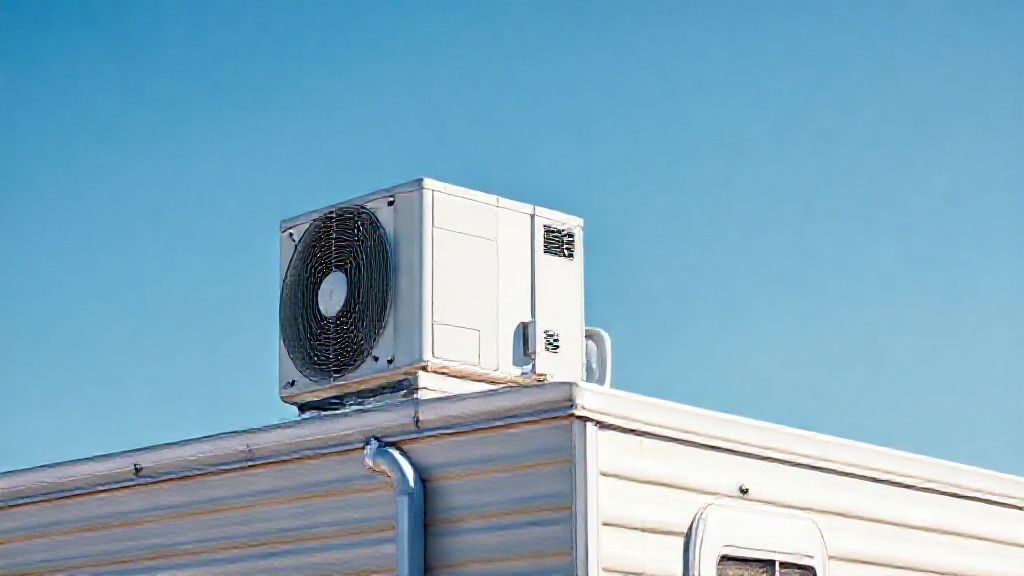
After decades in the HVAC business, I’ve seen just about every cooling challenge out there, from scorching summers in Phoenix to the sticky humidity of Orlando. When it comes to keeping a trailer house comfortable, things operate a bit differently than your standard stick-built home. I remember one summer in Tampa, Florida, working on a double-wide that just couldn’t keep cool. The homeowner had gone through three window units in as many years, and the central system, which was clearly undersized, was running non-stop. It was a classic case of trying to force a square peg into a round hole, or rather, trying to cool a unique structure with the wrong equipment.
Trailer houses, often called manufactured homes, have their own specific construction and insulation characteristics. This means you can’t just pick any air conditioner off the shelf and expect it to perform optimally. You need to understand these differences to choose the right system, ensure it’s installed correctly, and keep it running efficiently for years to come. My goal here is to share what I’ve learned over the years to help you make informed decisions about air conditioning your mobile home.
Key Highlights
- Trailer houses have unique construction and insulation that impact AC selection.
- Properly sizing your AC unit is critical for efficiency and comfort; don’t guess.
- Packaged units and ductless mini-splits are often the best options for mobile homes.
- Installation typically requires specialized knowledge due to specific ductwork and foundation needs.
- Regular maintenance is key to prolonging your unit’s life and saving on energy costs.
- High SEER ratings and smart thermostats offer significant energy savings over time.
Understanding Mobile Home Air Conditioning Needs
The first thing to get straight is that a manufactured home is not built like a traditional house. This isn’t a criticism; it’s a fact that dictates your HVAC choices. For one, the ductwork in many older mobile homes is often run through the floor or belly pan, which can be more susceptible to leaks and heat loss or gain if not properly insulated and sealed. The construction materials themselves can also differ, affecting how well your home retains or rejects heat.
I’ve seen situations where homeowners tried to cool a mobile home with a unit designed for a conventional house, and it rarely works out. You’ll either have an oversized unit that short-cycles, leading to poor humidity control and uneven cooling, or an undersized unit that runs constantly, never quite reaching the set temperature, and burning through electricity. Airflow is another big factor. Mobile homes often have different internal layouts, and ensuring proper air distribution from your AC unit is crucial. You need a system that can handle these unique aspects effectively.
Another point of difference is the foundation. Many manufactured homes are set on piers or a slab, allowing air circulation underneath. While this is good for preventing moisture issues, it can also lead to more heat transfer through the floor if insulation is inadequate. The walls and roofs in older models might also have less insulation than modern site-built homes, meaning heat can penetrate more easily, especially on sunny days. All these elements combined mean that when we talk about air conditioning for a trailer house, we’re talking about a specialized application that requires careful consideration.
Types of AC Units Suitable for Trailer Houses
When it comes to cooling your manufactured home, you’ve got a few solid options. Each has its pros and cons, and the best choice for you will depend on your home’s layout, your budget, and what kind of installation is feasible.
Packaged Units
These are often the go-to for many mobile homes, especially those with existing ductwork. A packaged unit, as the name suggests, has all its components – the compressor, condenser, and evaporator – housed in a single outdoor cabinet. This means they sit outside on a slab or a specialized pad, connected to your home’s ductwork. They’re designed to be space-efficient and relatively easy to install because all the refrigerant lines are contained within the unit. They connect to the mobile home’s ductwork either through the bottom (downflow) or side (horizontal flow). Most mobile home furnaces or air handlers are designed for these types of outdoor units. This eliminates the need for an indoor coil or air handler, which can be a real space saver in a manufactured home where interior space is often at a premium.
Ductless Mini-Split Systems
Mini-splits have gained a lot of popularity over the past few years, and for good reason. They’re incredibly versatile and energy-efficient. A ductless system consists of an outdoor compressor/condenser unit connected to one or more indoor air-handling units via a small conduit that houses the power cable, refrigerant tubing, and a condensate drain. The big advantage here is that they don’t require extensive ductwork. This is fantastic for older mobile homes where existing ductwork might be leaky or non-existent. Each indoor unit can cool a specific zone, allowing for individualized temperature control, which can save a lot on energy bills. If you’re looking into specific brands, you might want to investigate who makes ACiQ mini splits, as they are a reputable option. They also offer flexibility for homes that might not have the space or infrastructure for a traditional central system. You can even find a 110 split unit if your electrical setup is limited.
Window Units
While often seen as a temporary or budget solution, window units can work for smaller mobile homes or to supplement an existing system in a particularly warm room. They are self-contained and simply sit in a window opening. The downside is that they block light, can be noisy, and are generally less efficient than central or mini-split systems. They also leave your home less secure and are not designed for whole-home cooling in most cases. I typically don’t recommend them as a primary cooling solution for an entire trailer house, except perhaps for a single room addition or workshop.
Portable AC Units
Similar to window units, portable ACs are self-contained but sit on the floor and vent hot air out through a hose placed in a window. They offer flexibility as they can be moved from room to room. However, they are generally less efficient than window units, take up floor space, and require a constant window exhaust. Like window units, they are not usually an ideal solution for cooling an entire manufactured home effectively or efficiently.
My recommendation, if your budget and home structure allow, would lean heavily towards a properly sized packaged unit or a multi-zone ductless mini-split system. They offer the best balance of efficiency, comfort, and longevity for mobile home applications.
How to Properly Size an AC for Your Mobile Home
This is probably the most critical step in getting the right air conditioner for your trailer house. An improperly sized unit will cost you money, comfort, or both. You can’t just guess or go by the square footage alone, though that’s a good starting point. You need to perform a load calculation.
AC sizing is measured in British Thermal Units (BTUs) or tons (1 ton = 12,000 BTUs). A common rule of thumb is 20 BTUs per square foot, but for manufactured homes, you often need to adjust this. Why? Because of factors like insulation quality, window efficiency, roof type, and local climate. A trailer house in Arizona will need more cooling capacity than one of the same size in Oregon, even if the square footage is identical.
Here’s what I look at when sizing a unit:
- Square Footage: This gives us a baseline.
- Ceiling Height: Taller ceilings mean more air volume to cool.
- Insulation Levels: How well insulated are the walls, ceiling, and floor? Older mobile homes often have less insulation.
- Window Type and Orientation: Single-pane windows facing west will let in a lot more heat than double-pane, low-E windows facing north.
- Climate Zone: Hot, humid climates require more capacity to handle both sensible (temperature) and latent (humidity) heat.
- Number of Occupants: People generate body heat.
- Heat-Generating Appliances: Ovens, computers, TVs, all contribute to the heat load.
- Shading: Are there trees or other structures shading the home?
- Ductwork Condition: Leaky ducts can drastically reduce efficiency and effective cooling.
For a basic idea, you can use online calculators, but I always recommend a professional HVAC technician perform a manual J load calculation. This is the industry standard for accurately determining the precise heating and cooling needs of a structure. They will consider all the factors listed above. For instance, if you’re curious about general guidelines, you can find information about 30000 btu air conditioner room size and other sizing tools online. But remember, these are just guides, not substitutes for a professional assessment.
An oversized unit will cycle on and off too frequently (short-cycling), which doesn’t allow it to run long enough to remove humidity from the air effectively. This leaves your home feeling clammy and uncomfortable, even if the temperature is low. It also puts more wear and tear on the compressor, shortening the unit’s lifespan and increasing energy consumption. An undersized unit, on the other hand, will run constantly, never quite reaching the desired temperature, and still struggling to remove humidity. It will also cost you more in electricity bills because it’s always working overtime.
Getting the size right is not just about comfort, it’s about the longevity of your system and your wallet. Don’t skip this step. It’s an investment in your home’s comfort and efficiency.
Key Features to Consider When Buying a Trailer House AC
Once you have an idea of the type and size of unit you need, it’s time to look at the specific features that can make a big difference in comfort, efficiency, and overall value. This isn’t just about the initial cost; it’s about what you’ll be paying for in the long run.
- SEER Rating (Seasonal Energy Efficiency Ratio): This is probably the most important efficiency rating for air conditioners. Higher SEER numbers mean greater energy efficiency. A minimum SEER rating is mandated by law, but you can find units with much higher ratings. While a higher SEER unit might cost more upfront, the energy savings over its lifespan can often offset that initial investment, especially in hot climates. For instance, upgrading from an old 8 SEER unit to a new 15 SEER unit can cut your cooling costs almost in half.
- EER (Energy Efficiency Ratio) and HSPF (Heating Seasonal Performance Factor): For packaged heat pumps, you’ll also see an EER, which measures efficiency at a specific operating condition, and HSPF, which is the heating efficiency rating. Higher numbers are better for both.
- Single-Stage vs. Two-Stage vs. Variable-Speed Compressor:
- Single-stage: These are the most basic and common. They run at 100% capacity whenever they’re on.
- Two-stage: These can operate at either 100% capacity or a lower capacity (e.g., 70-80%). This allows for more precise temperature and humidity control, and they run quieter. They are more efficient because they spend more time running at lower capacity.
- Variable-speed: These are the most advanced and efficient. They can precisely match the cooling demand of your home by varying their compressor speed. This leads to exceptional comfort, humidity control, and very low energy consumption. They are also the quietest.
For a mobile home, especially if you struggle with humidity, a two-stage or variable-speed unit can be a game-changer.
- Noise Levels: Air conditioners can be noisy, especially older models. Check the sound ratings (in decibels) of the outdoor unit. Some manufacturers now offer units designed for quieter operation, which can make a big difference if your unit is close to a living area or a neighbor. Mini-splits are generally very quiet, both indoors and out.
- Filter Type and Accessibility: A good filter is crucial for indoor air quality and unit efficiency. Look for units that use standard, easily replaceable filters. Some higher-end units can accommodate thicker, higher MERV-rated filters for better air filtration, but make sure the unit’s fan can handle the increased resistance. Easy access to the filter makes maintenance much more likely to happen.
- Thermostat Compatibility: Ensure the unit is compatible with modern, programmable, or smart thermostats. A smart thermostat can optimize your energy usage by learning your habits and adjusting temperatures accordingly, often saving you money without you having to think about it.
- Warranty: Don’t overlook the warranty. A good warranty on parts and compressor can save you a lot of money down the road. Standard warranties might be 5 or 10 years, but some brands offer longer, limited warranties, especially if you register the product and have it installed by a certified dealer.
- Durable Construction: The outdoor unit will face the elements. Look for features like corrosion-resistant coils, galvanized steel cabinets, and protective grilles that can withstand weather and potential impacts.
Considering these features will help you pick an AC unit that not only cools your trailer house effectively but also provides lasting value and comfort. It’s an investment, so make sure it’s a smart one.
Installation Considerations for Manufactured Home AC Systems
Installing an air conditioning system in a manufactured home isn’t quite the same as in a site-built house. There are specific considerations that require an experienced hand. This is not a DIY project for most homeowners; I always advise bringing in a professional who understands mobile home construction.
Foundation and Leveling
Packaged units sit outdoors, usually on a concrete pad or specialized composite pad. This pad must be perfectly level and stable to support the weight of the unit and ensure it operates efficiently without undue stress on its components. In mobile homes, which sometimes sit on piers, ensuring a stable ground beneath the pad is especially important.
Ductwork Connections
Many manufactured homes have unique ductwork systems, often running through the floor or a “belly pan” underneath the home. Connecting a new packaged unit to this existing ductwork requires precision. The connections need to be airtight to prevent conditioned air from leaking out into the crawl space, which is a common source of inefficiency in mobile homes. The ductwork itself should be inspected for damage, leaks, or inadequate insulation. If you’re installing a new system where there was none, or upgrading to a different type, you might even need to consider modifying or replacing sections of the ductwork.
Electrical Requirements
AC units, especially central systems, require dedicated electrical circuits with appropriate voltage and amperage. Manufactured homes have specific electrical codes. An HVAC technician, often working with a licensed electrician, will ensure your home’s electrical panel can handle the new load and that all wiring meets safety standards. This is not an area to cut corners, as improper wiring can be a serious fire hazard.
Condensate Drainage
All air conditioners produce condensate (water) as they remove humidity from the air. This water needs to drain away properly. For packaged units, this is usually routed away from the foundation. For mini-splits, indoor units have drain lines that must be correctly installed to prevent leaks and water damage inside your home. Proper slope and an unobstructed path are crucial.
Refrigerant Lines (for Split Systems)
If you opt for a split system (like a mini-split or traditional split central AC), the refrigerant lines connecting the indoor and outdoor units must be properly sized, insulated, and evacuated (removing all air and moisture) before charging with refrigerant. Improper installation here can lead to leaks, poor performance, and premature system failure. This is highly specialized work that requires specific tools and expertise.
Proper Sealing and Insulation
Wherever the AC unit connects to your home (ductwork, electrical conduits, refrigerant lines), all penetrations must be thoroughly sealed to prevent air leaks. This is vital for maintaining efficiency and preventing pests. Additionally, ensuring that any exposed ductwork or lines are properly insulated will minimize energy loss. Given the unique construction of mobile homes, sometimes extra attention is needed to ensure these seals are robust and long-lasting.
My advice is always to hire a qualified and experienced HVAC contractor who has specific experience with manufactured homes. They’ll understand these nuances and ensure your system is installed safely and efficiently. Finding the best HVAC company for the job might take a little research, but it’s worth it in the long run. Proper installation is just as important as choosing the right unit itself.
Maintaining Your Trailer House Air Conditioner for Efficiency
Once you’ve invested in a good air conditioning system for your mobile home, you want it to last and run efficiently. Regular maintenance isn’t just a suggestion; it’s essential. Think of it like changing the oil in your car – neglect it, and you’ll run into bigger, more expensive problems down the road. Plus, a well-maintained unit uses less energy, saving you money on your utility bills.
Change or Clean Filters Regularly
This is the simplest and most crucial thing you can do. A dirty air filter restricts airflow, forcing your AC unit to work harder to pull air through, which wastes energy and reduces cooling capacity. It also puts strain on the fan motor and can lead to frozen evaporator coils. I tell people to check their filters monthly and change or clean them every 1 to 3 months, depending on use and whether you have pets or allergies. Disposable filters need replacement, while reusable filters can be washed. Make sure the filter is completely dry before reinstalling.
Keep the Outdoor Unit Clean
The outdoor unit (condenser) needs to be free of debris. Leaves, grass clippings, dirt, and even pet hair can accumulate on the condenser coils, acting like an insulating blanket. This prevents the unit from efficiently releasing heat, making it work harder and consume more power. Periodically, turn off the power to the unit and gently hose down the coils. Make sure to trim back any shrubs or plants at least two feet away from all sides of the unit to ensure proper airflow.
Check the Condensate Drain Line
The condensate drain line removes moisture from your home. If it gets clogged with algae or sludge, water can back up, potentially causing leaks, water damage, and even shutting down the unit (many units have safety switches that prevent operation when the drain pan is full). You can often flush it with a mixture of distilled vinegar and water to keep it clear. If you notice standing water around your indoor unit or an unexpected shutdown, this is often the culprit.
Inspect and Seal Ductwork
As I mentioned, mobile home ductwork can be susceptible to leaks. Over time, joints can loosen, or insulation can become compromised. Periodically inspect any accessible ductwork for gaps or tears. Use mastic sealant or specialized aluminum foil tape (not duct tape, despite the name!) to seal any leaks you find. Leaky ducts mean you’re paying to cool your crawl space or walls instead of your living area.
Schedule Annual Professional Maintenance
Even with diligent homeowner care, your AC unit needs a professional tune-up once a year, preferably in the spring before the cooling season starts. A qualified technician will:
- Check refrigerant levels and inspect for leaks.
- Clean coils (evaporator and condenser) more thoroughly than you can.
- Check electrical connections and components.
- Lubricate moving parts.
- Verify thermostat accuracy.
- Inspect the blower motor and fan.
- Check overall system operation and performance.
These annual checks can catch small problems before they become major breakdowns, improve efficiency, and extend the lifespan of your unit. It’s an investment that pays for itself in avoided repairs and lower utility bills. If you need assistance, you can always contact us for a quote on maintenance services.
Energy Efficiency and Cost Savings for Mobile Home Cooling
Keeping a trailer house cool can be expensive if you’re not paying attention to energy efficiency. But there are plenty of strategies you can employ, from choosing the right equipment to making smart upgrades, that can significantly lower your cooling costs.
Invest in High-SEER Equipment
As discussed, the SEER rating is your primary guide to energy efficiency for AC units. When it’s time to replace your old system, opting for a unit with a higher SEER rating (e.g., 16 SEER or higher) can lead to substantial long-term savings. The initial cost might be a bit more, but the reduction in your monthly energy bills often makes up for it over the unit’s lifespan. Variable-speed compressors, while a premium feature, offer the best efficiency and humidity control.
Improve Your Home’s Insulation
Even the most efficient AC unit will struggle if your home is poorly insulated. Mobile homes, especially older ones, can often benefit greatly from insulation upgrades. Focus on:
- Attic/Roof: Adding more insulation in the ceiling can drastically reduce heat transfer from the sun.
- Walls: While more challenging, blowing insulation into wall cavities can also help.
- Underfloor: Insulating the belly pan or floor can prevent heat from rising into the home from the ground or radiating out.
- Windows and Doors: Ensure windows are double-paned, low-E if possible, and that all windows and doors are properly sealed with weatherstripping and caulk to prevent air leaks.
Seal Air Leaks
Air leaks are silent energy thieves. Check around windows, doors, electrical outlets, plumbing penetrations, and where walls meet the floor or ceiling. Use caulk for stationary joints and weatherstripping for moving parts like windows and doors. Don’t forget those ductwork leaks I mentioned earlier; sealing them is crucial for efficiency.
Utilize Smart Thermostats
A programmable or smart thermostat is one of the quickest ways to save energy without sacrificing comfort. You can set schedules to raise the temperature when you’re away and lower it before you return. Smart thermostats can even learn your preferences and adjust automatically, and many can be controlled remotely via your phone. This prevents you from cooling an empty house and ensures it’s comfortable when you’re home.
Consider Solar Screens or Window Films
Windows are major points of heat gain. Installing solar screens on south- and west-facing windows can block a significant amount of solar radiation before it enters your home. Reflective window films are another option that can reduce heat gain. Even simple blackout curtains can make a difference during peak sun hours.
Shading and Landscaping
Planting trees or shrubs strategically around your mobile home can provide natural shading, reducing direct sunlight on walls and the roof. Awnings over windows can also be very effective. These natural solutions can significantly reduce your cooling load.
Proper Ventilation
If you have an attic space, ensure it’s well-ventilated. A hot attic radiates heat down into your living space. Ridge vents and soffit vents, or even a solar-powered attic fan, can help remove superheated air. In the evenings, if the outside air is cooler than inside, opening windows on opposite sides of the house can create a cross-breeze and help flush out accumulated heat.
By combining efficient equipment with smart home upgrades and habits, you can dramatically reduce the energy consumed by your air conditioner and keep your mobile home comfortable without breaking the bank.
FAQ
What’s the best type of AC for a mobile home?
Based on my experience, a properly sized packaged unit or a ductless mini-split system generally offers the best combination of efficiency, performance, and adaptability for manufactured homes. Packaged units are often ideal if you have existing ductwork that’s in good condition, while mini-splits are excellent for zoned cooling or homes without ductwork.
Can I install a regular central AC unit in my trailer house?
While some modern manufactured homes are built to accommodate standard residential split systems, many older mobile homes, especially single-wides, are better suited for packaged units due to their specific ductwork design (often downflow) and chassis construction. It’s crucial to have a professional assess your specific home’s structure and existing infrastructure to determine compatibility. Trying to force a conventional split system into a non-compatible mobile home can lead to inefficiency and performance issues.
How do I know what size AC unit my mobile home needs?
The most accurate way is to have a professional HVAC technician perform a Manual J load calculation. This takes into account your home’s square footage, insulation levels, window types, local climate, and other heat-gain factors. As a rough guide, you might start with 20 BTUs per square foot, but manufactured homes often require adjustments due to their unique construction. Don’t rely solely on online calculators without professional verification, as an improperly sized unit leads to significant problems.
How often should I change my mobile home’s AC filter?
I recommend checking your filter monthly and changing or cleaning it every 1 to 3 months. This frequency can increase if you have pets, allergies, or if the unit is running constantly during peak season. A clean filter ensures good airflow, unit efficiency, and better indoor air quality.
Why is my mobile home so hard to cool down?
Several factors could contribute to this. Common culprits include an undersized AC unit, leaky or poorly insulated ductwork, inadequate home insulation (walls, ceiling, floor), old single-pane windows, and air leaks around doors and windows. A clogged air filter or dirty outdoor coils can also severely impact your unit’s ability to cool effectively. Start with the basics like filters and cleaning, then consider professional inspection for sizing and insulation issues.
Are mini-splits good for mobile homes?
Absolutely. Ductless mini-splits are an excellent choice for mobile homes. They offer zoned cooling, high energy efficiency (often with high SEER ratings), and don’t require extensive ductwork, which is a major advantage for homes where duct systems might be old, leaky, or non-existent. They provide quiet operation and precise temperature control for individual rooms or areas.
What is the typical lifespan of an AC unit in a manufactured home?
With proper installation and regular maintenance, you can expect an AC unit in a manufactured home to last typically 10 to 15 years, similar to units in site-built homes. However, factors like climate, frequency of use, quality of the initial installation, and consistency of maintenance can all influence its longevity. Neglecting maintenance or having an improperly sized unit can significantly shorten its lifespan.
Can I improve my mobile home’s energy efficiency for cooling?
Yes, definitely. Beyond having an efficient AC unit, you can improve overall energy efficiency by upgrading insulation in the walls, ceiling, and floor, sealing all air leaks around windows, doors, and penetrations, installing solar screens or reflective window film, using programmable or smart thermostats, and ensuring your ductwork is sealed and insulated. Strategic landscaping for shading can also help reduce heat gain.
Final Thoughts
Air conditioning your trailer house effectively doesn’t have to be a mystery. It comes down to understanding the unique characteristics of manufactured homes, making informed choices about the right type and size of unit, ensuring professional installation, and committing to regular maintenance. It’s a process, but one that pays off in comfort, lower utility bills, and a longer-lasting system.
Don’t fall into the trap of buying the cheapest unit or trying to make a standard residential AC fit where it doesn’t belong. Spend the time to get a proper load calculation, look for energy-efficient features, and always prioritize professional installation from a reputable HVAC company experienced with manufactured homes. By following these guidelines, you’ll be well on your way to enjoying a cool, comfortable, and efficient home for years to come.