As an HVAC expert with decades of experience, I’ve seen just about every type of air conditioning system out there. From the scorching summers of Tampa, Florida, where condensers work overtime day and night, to the drier heat of the high desert, one thing remains constant: the condenser unit is the unsung hero of your home’s cooling system. Without it, your AC is just a fan, and you’re left sweating. Understanding how this vital piece of equipment functions isn’t just for pros; it helps homeowners like you make informed decisions about maintenance, repairs, and ultimately, keeping your home comfortable.
I’ve walked countless homeowners through the basics of their HVAC systems, emphasizing that proper care of the condenser unit is key to efficiency and longevity. Many people don’t give it a second thought until it stops working, but a little knowledge goes a long way in preventing those costly breakdowns. This guide will walk you through everything you need to know about your outdoor condenser unit, from its core function to essential maintenance, troubleshooting common issues, and knowing when it’s time to call in the professionals.
Key Highlights
- The condenser unit is the outdoor part of your AC system responsible for releasing heat from your home into the outside air.
- It contains vital components like the compressor, condenser coil, and fan.
- Regular maintenance, including cleaning coils and ensuring clear airflow, significantly improves efficiency and extends the unit’s lifespan.
- Common issues include dirty coils, refrigerant leaks, and electrical problems, many of which can be prevented with routine checks.
- Knowing when to repair versus replace depends on the unit’s age, repair cost, and overall efficiency.
What is an AC Condenser Unit & Its Role in HVAC?
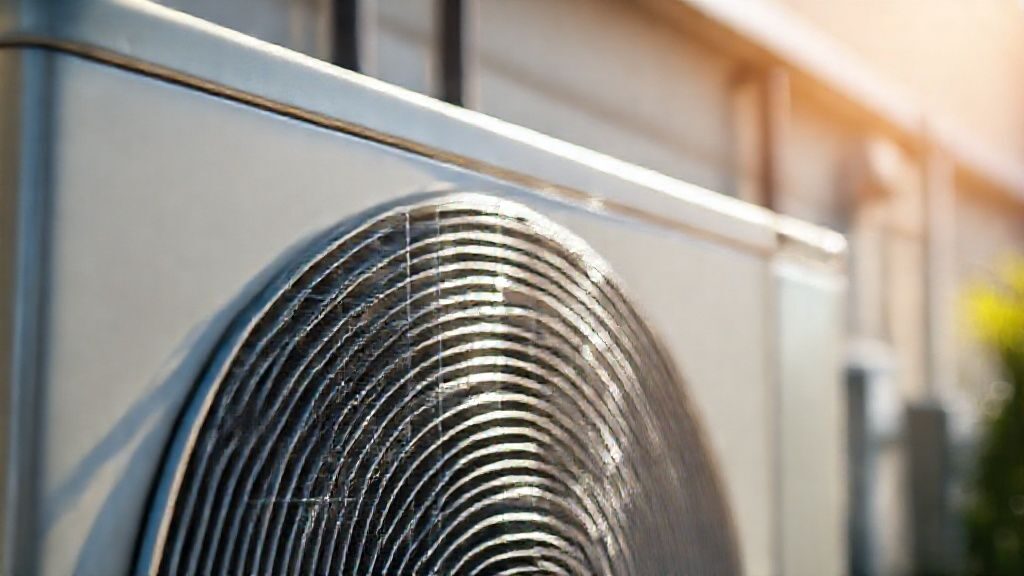
The AC condenser unit is the large box you see sitting outside your house. It’s a critical part of your central air conditioning or heat pump system. While your indoor unit (evaporator coil and furnace/air handler) absorbs heat from your home’s air, the condenser unit’s job is to get rid of that heat. Think of it as the exhaust system for your home’s heat. It’s constantly working to transfer heat from inside your living space to the outside environment, effectively cooling your home.
Without a properly functioning condenser, your air conditioner cannot complete the refrigeration cycle. It can’t dissipate the heat it has collected, which means your home simply won’t get cool. This unit houses several important components that work in tandem to achieve this heat transfer, which we’ll discuss in detail shortly. Its proper operation is directly linked to your home’s comfort, your energy bills, and the overall lifespan of your HVAC system. Keeping it clear of debris and ensuring good airflow are simple steps that make a big difference.
How Your Condenser Unit Works: The Refrigeration Cycle Explained
Understanding how your condenser unit works means understanding the basic refrigeration cycle. It’s a continuous loop where refrigerant changes state and moves heat. Here’s a simplified breakdown of the key steps where the condenser plays its crucial role:
- Heat Absorption (Evaporator): Inside your home, warm air passes over the evaporator coil. The refrigerant inside this coil is cold and at a low pressure. It absorbs heat from the air, causing it to evaporate and turn into a low-pressure gas.
- Compression (Compressor): This low-pressure gas then travels to the outdoor condenser unit. Here, the compressor kicks in. It’s often called the “heart” of the AC system. The compressor pressurizes and heats the refrigerant gas, turning it into a high-pressure, high-temperature gas.
- Heat Rejection (Condenser Coil): This hot, high-pressure gas moves into the condenser coil, which is the large coil wrapping around the inside or outside of your outdoor unit. The condenser fan pulls cooler ambient air over these coils. As the warm refrigerant gas releases its heat to the cooler outdoor air, it condenses back into a high-pressure liquid. This is the primary function of the condenser unit – to dump the collected heat outside.
- Expansion (Expansion Valve/Metering Device): The high-pressure liquid refrigerant then travels back inside to an expansion valve or metering device. This device restricts the flow of refrigerant, causing its pressure and temperature to drop significantly, turning it back into a cold, low-pressure liquid, ready to absorb more heat in the evaporator coil.
This cycle repeats continuously, moving heat out of your home. If any part of this process falters, especially the heat rejection at the condenser, your system will struggle to cool. That’s why maintaining a clean and unobstructed condenser unit is paramount.
Key Components of an Outdoor Condenser Unit
Your outdoor condenser unit is more than just a box; it’s an assembly of critical components working in unison. Here are the main parts:
- Compressor: This is arguably the most vital component. It’s an electric pump that compresses the refrigerant gas, increasing its pressure and temperature. This compression is essential for the refrigerant to be able to release its heat to the cooler outdoor air. A failing compressor often means a non-functional AC.
- Condenser Coil: This is a long, winding tube filled with refrigerant, surrounded by aluminum fins. The fins increase the surface area, allowing for efficient heat transfer. As the hot, high-pressure refrigerant gas flows through these coils, the outdoor fan pulls ambient air over them, dissipating the heat and causing the refrigerant to condense back into a liquid. Keeping these fins clean is crucial.
- Condenser Fan and Motor: Located at the top of most condenser units, the fan pulls air across the condenser coil. This airflow helps to shed heat from the refrigerant into the outside air. If the fan motor fails or the blades are obstructed, the unit cannot dissipate heat, leading to poor cooling and potential system overheating.
- Capacitors: These electrical components store energy and provide a boost to start the compressor and fan motor. There’s typically a start capacitor and a run capacitor. If a capacitor fails, the motors won’t start or run efficiently.
- Contactor: This is an electrical relay that acts as a switch, receiving a low-voltage signal from your thermostat to turn the high-voltage compressor and fan motor on and off.
- Refrigerant Lines (Suction and Liquid Lines): These copper tubes connect the outdoor condenser unit to the indoor evaporator coil. The larger, insulated line (suction line) carries low-pressure refrigerant gas from the evaporator to the compressor, and the smaller line (liquid line) carries high-pressure liquid refrigerant from the condenser to the expansion valve.
Common Types of Condenser Units for Residential Use
While the basic function remains the same, condenser units come in a few different types, mainly distinguished by what they’re paired with:
- Central Air Conditioning Units: These are the most common. They work in tandem with an indoor evaporator coil and an air handler or furnace. They cool your entire home through a system of ducts. This is what most people picture when they think of a residential AC unit.
- Heat Pump Condenser Units: A heat pump looks nearly identical to a central AC condenser unit, and it performs the same cooling function in the summer. The key difference is that a heat pump can also reverse its cycle to provide heating in the cooler months. Instead of rejecting heat outside, it extracts heat from the outside air and moves it indoors. This makes them a versatile, year-round solution for many climates.
- Mini-Split Condenser Units: These are part of a ductless mini-split system. Instead of one large outdoor unit serving all indoor units via ducts, a mini-split condenser connects directly to one or more indoor air handlers via refrigerant lines run through a small conduit. They are ideal for zoning, additions, or homes without existing ductwork. You might be interested in comparing mini split vs central air efficiency for specific applications.
Choosing the right type depends on your home’s specific needs, your climate, and your budget. Each type offers distinct advantages, and a professional can help you determine the best hvac system for your situation.
Essential Maintenance Tips for Your Condenser Unit
Regular maintenance is not just a recommendation; it’s a necessity for your condenser unit’s efficiency and longevity. Here are the key steps you can take:
- Keep it Clean: This is perhaps the most important tip. The outdoor unit needs clear airflow. Remove any leaves, grass clippings, dirt, and other debris that can accumulate around the unit. I’ve seen units choked by overgrown weeds and dryer lint, severely impacting performance.
- Clean the Condenser Coils: Over time, dirt and grime build up on the delicate aluminum fins of the condenser coil. This acts as an insulator, preventing efficient heat transfer. With the power off at the breaker, you can gently rinse the coils with a garden hose. For tougher grime, you might need a coil cleaner, available at most hardware stores. Always rinse thoroughly after using a cleaner. Be careful not to bend the fins. If they are bent, you can use a fin comb to straighten them gently.
- Ensure Clearances: Make sure there’s at least two feet of clear space on all sides of the unit and five feet above it. Don’t let bushes, shrubs, or fences crowd the unit. Landscaping can look nice, but it shouldn’t impede airflow. For more specific guidance, read up on shrubs around air conditioner to ensure proper clearance.
- Level the Unit: Your condenser unit should sit on a level pad. Over time, the ground can settle, causing the pad to tilt. An unlevel unit can put stress on the compressor, potentially shortening its lifespan. If it’s slightly off, you might be able to shim it, but for significant tilting, a professional should re-level it.
- Check for Damage: Periodically inspect the refrigerant lines for any visible damage or leaks (often indicated by oily residue). Also, check the electrical conduit for fraying or damage. Address any issues promptly.
- Schedule Professional Tune-Ups: While DIY maintenance helps, an annual professional tune-up is invaluable. Technicians check refrigerant levels, electrical connections, motor bearings, and other critical components that you can’t easily access. They can spot potential problems before they become costly breakdowns.
Troubleshooting Common Condenser Unit Problems
Even with good maintenance, problems can arise. Here are some common issues and what they might indicate:
- AC Not Cooling Adequately:
- Cause: Dirty condenser coils, low refrigerant, faulty compressor, clogged air filter indoors, or a tripped breaker.
- Action: Check your air filter, clean the outdoor unit, and ensure the breaker hasn’t tripped. If it’s still not cooling, call a professional.
- Unit Running Constantly or Not Turning On:
- Cause: Thermostat issues, dirty coils, low refrigerant, faulty fan motor, or a bad capacitor/contactor. If it’s running but not cooling, the compressor might be bad, or you have a severe refrigerant leak.
- Action: Check thermostat settings, clean the unit. If the fan isn’t spinning, check for obstructions. Electrical component issues generally require a technician.
- Loud Noises Coming from the Unit:
- Cause:
- Screeching/Grinding: Often indicates worn motor bearings in the fan or compressor.
- Banging: Could be a loose part inside the unit or a compressor issue.
- Clicking: Might be a failing contactor trying to engage.
- Action: Turn off the unit immediately at the breaker to prevent further damage. Loud or unusual noises almost always warrant a professional inspection.
- Cause:
- High Energy Bills:
- Cause: Inefficient operation due to dirty coils, low refrigerant, or an aging, inefficient unit.
- Action: Ensure regular maintenance. If issues persist, consider a professional efficiency check.
- Ice on the Refrigerant Lines or Condenser Coil:
- Cause: This is a serious sign of restricted airflow (very dirty coils or filter) or, more commonly, low refrigerant levels.
- Action: Turn off the AC to allow the ice to melt and prevent compressor damage. Check filters and clean coils. If icing reoccurs, you likely have a refrigerant leak and need a professional immediately.
Many of these issues require a trained hand and specialized tools to diagnose and repair safely. Don’t hesitate to call a technician if you suspect a problem beyond basic cleaning.
Factors Affecting Condenser Unit Efficiency & Lifespan
Several factors play a significant role in how efficiently your condenser unit operates and how long it lasts:
- Maintenance Habits: As mentioned, regular cleaning and professional tune-ups are the single biggest factor. A well-maintained unit can easily last 15-20 years. Neglect can cut that in half.
- Installation Quality: Proper installation by a certified technician is paramount. Incorrect refrigerant charge, leaky ducts, or improper sizing can severely impact efficiency and shorten lifespan from day one.
- Unit Sizing: An oversized unit will short-cycle (turn on and off too frequently), leading to premature wear and tear and poor humidity control. An undersized unit will run constantly, struggling to cool your home, leading to high energy bills and early failure.
- Climate: Units in extremely hot climates like Arizona or Florida will naturally work harder and might have a slightly shorter lifespan than those in milder climates. However, modern units are built to withstand these conditions with proper maintenance.
- Refrigerant Leaks: Even small leaks reduce the system’s ability to cool, causing the compressor to work harder, consuming more energy, and risking compressor burnout.
- Electrical Issues: Fluctuations in power, faulty wiring, or worn electrical components can stress the system.
- Environmental Factors: Proximity to salt air (coastal regions), heavy pollen, or industrial pollutants can accelerate corrosion and coil degradation if not regularly cleaned.
Paying attention to these factors can help you maximize your condenser unit’s performance and get the most out of your investment. An efficient unit not only keeps you comfortable but also keeps your energy bills in check.
When to Consider Condenser Unit Repair vs. Replacement
Deciding whether to repair your existing condenser unit or replace it entirely can be a tough call. It usually comes down to a few key considerations:
- Age of the Unit: Most central AC units have a lifespan of 10-15 years, with some lasting up to 20 years with excellent maintenance. If your unit is older than 10 years and facing a major repair, replacement is often the more economical choice in the long run.
- Cost of Repair: If the repair cost is more than 50% of the cost of a new unit, replacement usually makes more sense. Replacing major components like the compressor is often quite expensive.
- Frequency of Repairs: If your unit requires frequent repairs year after year, it’s a clear sign that it’s nearing the end of its service life. Continually patching up an old system becomes a money pit.
- Efficiency (SEER Rating): Older units have much lower SEER (Seasonal Energy Efficiency Ratio) ratings compared to modern systems. A 10-year-old unit might be 10-12 SEER, while new units are typically 14 SEER or higher, with some reaching 20+ SEER. A new, more efficient unit can significantly reduce your energy bills, potentially offsetting the replacement cost over time.
- R-22 Refrigerant: If your unit uses R-22 refrigerant (also known as Freon), replacement is strongly advised. R-22 has been phased out due to environmental concerns, and it’s becoming increasingly expensive and difficult to find. If you have an R-22 leak, topping off the refrigerant is not a long-term solution, and the cost of the refrigerant alone can be prohibitive.
Sometimes, only the condenser unit needs replacing, especially if your indoor coil and furnace/air handler are newer. However, replacing the entire system (both indoor and outdoor units) often provides the best efficiency, as components are designed to work together. A reputable HVAC technician can help you evaluate your specific situation and provide a transparent recommendation. For instance, if you’re looking for a larger system, you might research the best 5 ton air conditioning unit for your home’s needs.
Professional Condenser Unit Installation & Service
While some maintenance tasks can be done by a homeowner, anything beyond cleaning and checking basic clearances requires professional expertise. Here’s why you should rely on certified HVAC technicians for installation and advanced service:
- Expertise and Training: HVAC technicians have specialized training in electrical systems, refrigerant handling, and airflow dynamics. They understand the complex interdependencies of your HVAC system.
- Safety: Working with high-voltage electricity and pressurized refrigerants can be dangerous without proper knowledge and equipment. Professionals are trained in safety protocols.
- Specialized Tools: Technicians use specific tools like manifold gauges, vacuum pumps, refrigerant recovery equipment, and electrical testers to accurately diagnose and repair issues that are invisible to the untrained eye.
- Refrigerant Handling: Refrigerant must be handled and disposed of responsibly. It’s illegal and harmful to the environment to release refrigerants into the atmosphere. Professionals are certified to manage this safely.
- Warranty Protection: Most HVAC manufacturers require professional installation and service to keep your warranty valid. DIY repairs, especially on refrigerant lines or electrical components, can void your warranty.
- Accurate Sizing and Installation: Proper installation is critical for efficiency and longevity. This includes correct sizing of the unit for your home’s load, proper ductwork, and precise refrigerant charging. An improperly installed system will never perform as it should.
When you need a new condenser unit installed or your existing one serviced, always choose a licensed and insured HVAC contractor. Don’t be afraid to ask for references or check their credentials. Investing in professional service ensures your system runs efficiently, safely, and reliably for years to come. If you’re considering service or replacement, feel free to contact us for a quote.
Condenser Unit FAQs
Q: Why is my outdoor unit humming but the fan isn’t spinning?
A: This is a common issue. It usually means the fan motor isn’t getting the jolt it needs to start. The most likely culprit is a faulty start or run capacitor for the fan motor. Sometimes, the fan motor itself has failed, or there might be an obstruction preventing the blades from turning. Turn the unit off at the breaker immediately to prevent damage to the motor and call a professional.
Q: How often should I clean my condenser unit coils?
A: I recommend visually inspecting your condenser unit monthly during the cooling season and giving it a thorough cleaning at least once a year, preferably in the spring before you start using your AC heavily. If you live in an area with a lot of dust, pollen, or pet hair, you might need to clean it more frequently.
Q: Can I put a cover on my condenser unit in the winter?
A: This is a debate, but generally, I advise against fully covering it. Modern condenser units are built to withstand winter weather. A full cover can trap moisture and provide a home for rodents, leading to rust and damage. If you must cover it, use a partial cover that allows for airflow, protecting just the top from falling debris. For heat pumps, never cover the unit as it operates year-round.
Q: What does it mean if my AC is blowing warm air?
A: Warm air from your vents can indicate several problems with the condenser unit, such as a failed compressor, extremely dirty coils preventing heat rejection, a refrigerant leak, or a faulty condenser fan. It could also be an issue with your indoor unit or thermostat. Always check your thermostat first to ensure it’s set to “cool” and the temperature is low enough. If the problem persists, you need professional diagnosis.
Q: Is it okay for the condenser unit to be noisy?
A: A certain level of operational noise is normal for an AC condenser unit. You’ll hear the fan running and the compressor humming. However, if you notice new, loud, or unusual noises like screeching, grinding, banging, or persistent clicking, it’s a sign of a problem. These noises often indicate mechanical failure and should be addressed by a technician promptly to prevent more extensive damage.
Final Thoughts
Your outdoor condenser unit is a workhorse, tirelessly removing heat from your home to keep you comfortable. It’s a significant investment, and like any valuable appliance, it performs best and lasts longest with proper care. Taking the time to perform basic maintenance and understanding the signs of trouble can save you a lot of money and discomfort down the line. Remember, when in doubt, call a professional. HVAC systems are complex, and a certified technician has the knowledge and tools to keep your system running safely and efficiently. By being proactive, you ensure your home stays cool for many summers to come.