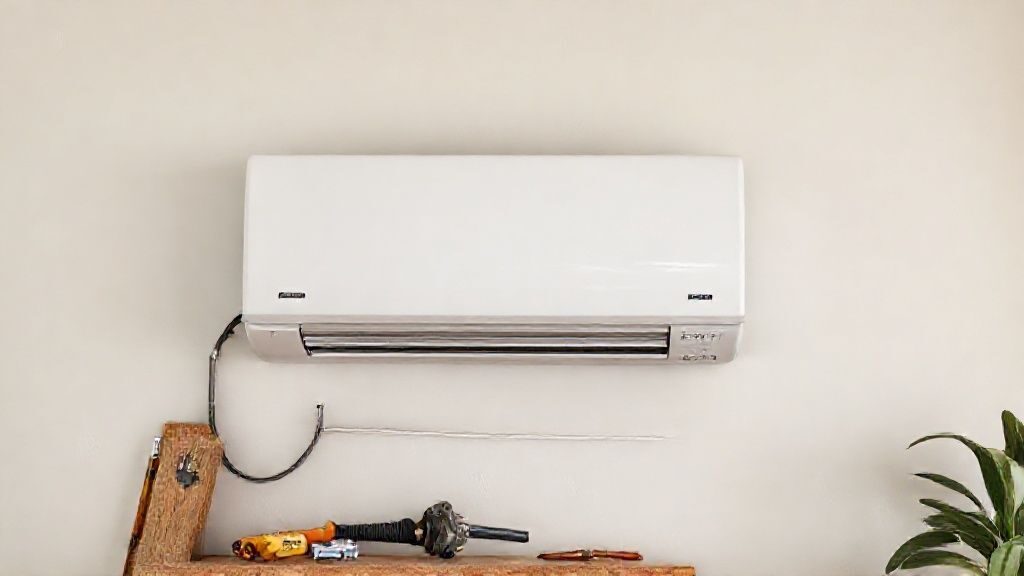
Folks often ask me about tackling a home HVAC project themselves. I’ve seen just about every setup you can imagine, from a simple window unit shoved into a garage opening to full custom ductwork a homeowner tried to run in their attic. When it comes to heating and cooling, one area that has really grown in popularity for the do-it-yourself crowd is the mini split system. These units offer a lot of flexibility and can be less daunting to install than a full central air system. I’ve been in this trade for decades, and I’ve learned that with the right information and a steady approach, a lot of homeowners can successfully install a DIY mini split.
I remember one job I got called out to near Tampa, Florida. The homeowner had put in a mini split in his sunroom. He’d done a pretty solid job on the install, but he was getting an intermittent fault code. Turns out, he’d overlooked one small detail in the wiring diagram – an easy mistake to make if you’re not used to electrical schematics. We fixed it up in an hour, and he was back to enjoying his cool sunroom. That experience showed me that with proper guidance, many people are capable of handling these projects, but knowing when to double-check or call for help is crucial. That’s why I’m putting this guide together for you.
Key Highlights
- DIY mini splits offer zoned heating and cooling without ductwork.
- Installation can save you a good chunk of money on labor costs.
- Proper sizing, electrical supply, and local code compliance are critical before starting.
- Specific tools, like a vacuum pump and manifold gauge set, are necessary for a successful installation.
- Step-by-step guidance covers mounting units, connecting line sets, electrical wiring, and system commissioning.
- Avoiding common mistakes like improper vacuuming or incorrect wiring prevents future headaches and system damage.
- Regular maintenance, such as cleaning filters, extends the system’s life and efficiency.
- Knowing when to call a professional for complex issues or safety concerns is key to a successful project.
What is a DIY Mini Split System?
First off, let’s clear up what we mean by a DIY mini split system. A standard mini split, sometimes called a ductless mini split, has two main components: an outdoor condenser unit and an indoor air-handling unit. They’re connected by a refrigerant line, electrical cables, and a condensate drain line. What makes a “DIY” mini split special is that these systems often come pre-charged with refrigerant in the outdoor unit and feature pre-flared, quick-connect line sets. This design significantly simplifies the most complex parts of a traditional HVAC installation – namely, evacuating the refrigerant lines and charging the system. You don’t need specialized tools for flaring copper or handling refrigerant, which are typically required for professional installs.
These systems are designed for homeowners who have some basic handyman skills and are comfortable following detailed instructions. They’re great for adding heating and cooling to specific zones in a home – think additions, garages, workshops, sunrooms, or even older homes without existing ductwork. You pick a single-zone unit for one room or a multi-zone unit if you need to condition several areas with one outdoor unit.
Benefits of DIY Mini Split Installation
There are several reasons why folks choose to install their own mini split systems. Let’s go through them.
- Cost Savings: This is usually the biggest motivator. Labor costs for professional HVAC installation can be substantial. By doing it yourself, you’re primarily paying for the equipment and some basic tools, which can cut your overall project cost by a third or even more.
- Zoned Comfort: Mini splits excel at providing zoned heating and cooling. This means you can heat or cool only the rooms you’re using, rather than the entire house. This is a huge benefit for energy efficiency and personalized comfort. You don’t have to cool an empty guest bedroom just to keep your living room comfortable.
- No Ductwork Required: If you live in an older home, an addition, or a renovated space that doesn’t have existing ductwork, a mini split is an ideal solution. You avoid the messy and expensive process of installing new ducts, which can be a real headache.
- Flexible Placement: The indoor units are compact and can be mounted on a wall, recessed into a ceiling, or even stand on the floor. This gives you a lot of flexibility in terms of aesthetics and functional placement within your space.
- Improved Energy Efficiency: Many mini splits boast high SEER (Seasonal Energy Efficiency Ratio) and HSPF (Heating Seasonal Performance Factor) ratings, meaning they operate very efficiently, which can lead to lower utility bills compared to older, less efficient systems or even some central air setups.
Key Considerations Before You Start
Before you even unbox your new unit, you need to do some homework. Skipping these steps can lead to inefficiencies, system damage, or even safety hazards.
1. Sizing the System: This is critical. An undersized unit won’t cool or heat effectively, running constantly and wasting energy. An oversized unit will cycle on and off too frequently (short cycling), which wears out components faster and creates humidity problems. You need to calculate the BTU (British Thermal Unit) requirements for your space. Factors include:
- Room square footage.
- Ceiling height.
- Insulation quality.
- Number of windows and their efficiency.
- Climate zone.
- Heat-generating appliances in the room.
Most manufacturers provide sizing guides, or you can use online BTU calculators. Don’t just guess; take the time to get this right.
2. Electrical Requirements: Mini splits require a dedicated electrical circuit. These units typically run on 208/230 volts. You’ll need to confirm your home’s electrical panel can support the new circuit breaker and that you have the correct voltage and amperage available. If you’re not comfortable with electrical work, this is an area where hiring a licensed electrician is a smart move. Safety is paramount here.
3. Local Codes and Permits: Always check with your local building department. Some jurisdictions require permits for HVAC installations, even for DIY projects. There might be specific regulations regarding electrical wiring, condensate drainage, or outdoor unit placement. Ignoring these can lead to fines or problems when you sell your home. It’s better to know upfront.
4. Location, Location, Location:
- Indoor Unit: Needs to be mounted on a sturdy wall, away from direct sunlight, heat sources, or obstructions. Ensure there’s enough clearance for airflow and service. It also needs to be close enough to an exterior wall for the line set to pass through.
- Outdoor Unit: Should be placed on a level, stable surface (like a concrete pad or wall-mount bracket) away from direct sunlight, exhaust vents, or areas where it could be easily damaged. Maintain adequate clearance around the unit for proper airflow and future servicing. Make sure the distance between the indoor and outdoor units falls within the manufacturer’s recommended line set length.
5. Drainage: The indoor unit produces condensate (water) during cooling. This needs to be drained away from the unit, typically through a small hose, to an exterior drain or directly outside, ensuring a continuous downward slope. If a gravity drain isn’t feasible, you might need a condensate pump, which is an additional cost and installation step.
Tools and Materials You’ll Need
While DIY mini splits reduce the need for some specialized HVAC tools, you’ll still need a good set of equipment. Don’t skimp on quality here; the right tools make the job easier and reduce the chance of mistakes.
Essential Tools:
- Drill with Hole Saw: For drilling the penetration hole through your exterior wall. You’ll likely need a 2.5 to 3.5-inch hole saw, depending on the line set size.
- Level: Crucial for ensuring both indoor and outdoor units are mounted perfectly straight.
- Tape Measure: For accurate placement and pipe routing.
- Wrenches: Adjustable or specific sizes for tightening line set connections.
- Screwdrivers: Philips and flathead for various mounting and wiring tasks.
- Wire Strippers and Cutters: For electrical connections.
- Multimeter: To test electrical connections and ensure proper voltage.
- Vacuum Pump and Manifold Gauge Set: Even with pre-charged systems, you *must* evacuate the air and moisture from the line set. This is non-negotiable for system longevity and efficiency. Don’t skip this. You can rent these tools if you don’t want to buy them.
- Pipe Cutter: If you need to trim the line set (only if explicitly allowed by the manufacturer and you know how to re-flare properly, which defeats the DIY quick-connect purpose). Most DIY kits come with pre-sized lines.
- Caulk Gun and Exterior Sealant: For sealing the wall penetration.
- Safety Glasses and Gloves: Always protect yourself.
Materials (Some may be included with the kit, but check):
- Line Set: The pre-insulated copper tubing with pre-flared or quick-connect fittings.
- Electrical Wiring: Proper gauge wiring for connecting indoor to outdoor units and to the power source.
- Condensate Drain Hose: For the indoor unit.
- Wall Mounting Bracket: For the indoor unit.
- Outdoor Unit Pad or Wall Mount: To provide a stable, level base for the condenser.
- Line Set Cover Kit (Optional but Recommended): For a neat, protected appearance on the exterior wall.
- Tie Wraps or Cable Ties: For securing wiring and lines.
Step-by-Step DIY Mini Split Installation Guide
Alright, let’s get down to business. Follow these steps carefully. Refer to your specific unit’s instruction manual, as there can be variations between models.
Step 1: Mount the Indoor Unit
- Locate and Prepare: Find a strong, clear section of wall, ensuring there are no electrical wires or plumbing behind it. Use a stud finder. The unit should be high enough for good airflow but accessible for maintenance.
- Install Mounting Plate: Secure the metal mounting plate to the wall using screws and anchors. Use your level to ensure it’s perfectly straight. This plate holds the weight of the indoor unit.
- Drill Wall Hole: Determine the best location for the penetration hole for your line set, typically slightly offset from the indoor unit. Drill a pilot hole first from inside, then go outside and use your larger hole saw to drill back in, ensuring a slight downward angle from inside to outside for condensate drainage.
Step 2: Install the Outdoor Unit
- Pad or Bracket: Place your outdoor unit on a level concrete pad or secure it to a robust wall-mount bracket. Ensure it’s firmly anchored and level.
- Clearance: Maintain the manufacturer-recommended clearances around the unit for proper airflow. This is usually a foot or two on all sides.
- Location: Position it close enough to the wall penetration but far enough for good air circulation and service access.
Step 3: Connect the Line Set
- Uncoil and Route: Carefully uncoil the line set. Route it from the indoor unit’s wall hole to the outdoor unit. Avoid sharp bends that could kink the copper tubing.
- Indoor Unit Connections: Connect the refrigerant lines and the condensate drain hose to the back of the indoor unit. For quick-connect systems, simply thread them on until snug. For flare connections (less common in DIY kits), ensure the flare nuts are properly tightened but don’t overtighten and strip them.
- Pass Through Wall: Feed the line set, communication cable, and condensate drain line through the drilled wall hole.
- Outdoor Unit Connections: Connect the refrigerant lines to the service valves on the outdoor unit. Again, ensure proper tightening for quick-connect or flare fittings.
Step 4: Electrical Wiring
- Safety First: ALWAYS ensure the power to the circuit you’re working on is OFF at the breaker panel. Use your multimeter to confirm it’s off.
- Indoor/Outdoor Communication Cable: Connect the communication cable between the indoor unit and the outdoor unit, matching the numbered or color-coded terminals exactly. This cable allows the two units to talk to each other.
- Power to Outdoor Unit: Run your dedicated electrical circuit from your breaker panel to the outdoor unit. This typically involves connecting to a fused disconnect box near the outdoor unit, then to the outdoor unit itself. Follow the wiring diagram in your manual precisely. If you’re unsure about this step, it’s wise to hire a qualified electrician.
Step 5: Evacuate the Line Set (The Crucial Step)
- Connect Gauges and Pump: Attach your manifold gauge set to the service port on the outdoor unit (usually the larger suction line). Connect your vacuum pump to the manifold gauge set.
- Pull a Vacuum: Open the valves on your manifold gauge set and turn on the vacuum pump. You need to pull a deep vacuum (typically down to 500 microns or less) to remove all air and moisture from the line set. Air and moisture will severely degrade system performance and life.
- Hold the Vacuum: Once the target vacuum is reached, close the manifold gauge valves and turn off the pump. Let it sit for at least 15-30 minutes. The needle on your gauge should not rise. If it does, you have a leak, and you need to find and fix it before proceeding.
- Release Refrigerant: Only after a successful vacuum hold, slowly open the service valves on the outdoor unit to release the pre-charged refrigerant into the newly evacuated line set and indoor coil.
- Disconnect: Carefully disconnect your manifold gauge set.
Step 6: Finish Up and Test
- Seal the Wall Hole: Use caulk or expanding foam to seal the penetration hole in the wall, both inside and out. This prevents air leaks, pests, and moisture intrusion.
- Insulate and Cover: Ensure all exposed line sets and wiring are properly insulated and, if desired, covered with a line set cover kit for a clean, professional look and added protection.
- Restore Power: Turn the power back on at your breaker panel.
- Test Run: Turn on the mini split system and test both cooling and heating modes. Listen for unusual noises, check for proper airflow, and ensure the condensate is draining correctly.
- Check for Leaks: After turning the system on, use a soap and water solution or an electronic leak detector around all connections, especially the flare fittings if you had any. Bubbles indicate a leak.
Common DIY Installation Mistakes to Avoid
I’ve seen a few recurring issues when folks try to install these systems. Being aware of these can save you a lot of grief.
- Improper Sizing: As mentioned, don’t guess. An incorrectly sized unit will never perform optimally.
- Skipping the Vacuum Pump: This is probably the most critical mistake. Air and moisture in the refrigerant lines lead to compressor failure, reduced efficiency, and ice blockages. A pre-charged system still requires the lines between the units to be vacuumed. If you don’t own a vacuum pump, rent one.
- Incorrect Electrical Wiring: Crossing wires, using the wrong gauge, or failing to properly ground the unit can lead to electrical shorts, damage to the unit, or even fire hazards. When in doubt, call an electrician.
- Kinked Refrigerant Lines: Bending the copper lines too sharply can restrict refrigerant flow, severely impacting performance and potentially damaging the compressor. Take your time and make wide, gentle bends.
- Leaky Connections: Overtightening or undertightening flare nuts can cause leaks. For quick-connects, ensure they are fully seated and sealed. Always double-check with a leak detector or soapy water.
- Improper Condensate Drainage: If the drain line isn’t sloped correctly or gets clogged, water will back up and potentially spill from the indoor unit, causing water damage.
- Ignoring Manufacturer Instructions: Every unit is slightly different. Your manual is your bible for installation. Read it thoroughly before you start.
- Lack of Clearances: Not providing enough space around the outdoor unit restricts airflow, making the compressor work harder and reducing efficiency and lifespan.
Maintaining Your DIY Mini Split System
Once your DIY mini split system is up and running, a little regular maintenance will go a long way in ensuring its longevity and efficiency. This applies to all HVAC systems, just like understanding the lifespan of a central air conditioner helps homeowners plan for the future.
- Clean or Replace Air Filters: This is the easiest and most important task. Indoor unit filters should be cleaned monthly, or more often if the unit is used heavily or you have pets. Clogged filters restrict airflow, reduce efficiency, and can freeze up the coil.
- Clean Indoor Coil: Periodically, you might need to clean the evaporator coil in the indoor unit. Specialized coil cleaners are available for this.
- Check Condensate Drain: Ensure the drain line is clear and flowing freely. You can sometimes pour a little distilled water down the drain to flush it out.
- Clean Outdoor Unit: Keep the outdoor condenser coil free of dirt, leaves, grass clippings, and other debris. You can gently rinse it with a garden hose (make sure the power is off). Clear away any vegetation growing too close to the unit.
- Inspect Refrigerant Lines: Visually check the line set insulation for damage or degradation. Repair any tears to maintain efficiency.
- Listen and Observe: Pay attention to any unusual noises, smells, or changes in performance. Addressing small issues early can prevent larger, more expensive problems down the road.
When to Call a Professional HVAC Technician
While DIY mini splits are designed to be user-friendly, there are definitely times when you should put down your tools and call in a professional. As someone who’s spent years in the field, I can tell you it’s often cheaper to call us early than to try and fix a bigger mess later.
- Electrical Concerns: If you’re not confident about wiring the unit or your electrical panel needs an upgrade to handle the new load, hire a licensed electrician. Safety with high voltage is non-negotiable.
- Persistent Leaks: If you can’t seal a refrigerant leak after repeated attempts, don’t keep trying. You’re losing refrigerant, which is bad for the environment and your system. A pro has specialized tools to find and fix leaks.
- System Malfunctions: If the unit isn’t cooling or heating properly after installation, or if you get error codes you can’t resolve with the manual, a professional can diagnose the issue quickly.
- Warranty Issues: Some manufacturers may void your warranty if certain parts of the installation aren’t performed by a licensed professional. Check your specific warranty terms.
- Complex Repairs: Beyond basic cleaning, if you suspect issues with the compressor, fan motor, or circuit board, these are best left to experienced technicians.
- Difficult Locations: If the installation requires working at extreme heights, in tight crawl spaces, or involves complex routing, consider hiring a pro for that specific part of the job.
Remember, a professional service isn’t just about fixing what’s broken; it’s about ensuring your system operates at peak efficiency and safety. For any larger HVAC needs, or to learn more about comprehensive solutions, you can always check out best hvac services.
Is a DIY Mini Split Right for You?
Deciding if a DIY mini split system is the right path depends on a few factors. It’s certainly not for everyone, but it can be a rewarding project for the right person.
- Your Skill Level: Do you have experience with basic home repairs, power tools, and following detailed instructions? Are you comfortable working with electrical components (with power off, of course)? If the answer is generally yes, you’re a good candidate.
- Time Commitment: Installing a mini split isn’t a quick afternoon job. Expect it to take a full day or two, especially if it’s your first time.
- Budget: While you save on labor, you’ll still need to invest in the unit itself and possibly some tools you don’t already own, like the vacuum pump. Compare the total cost of DIY vs. professional installation.
- Specific Needs: Are you looking to cool or heat a single room, an addition, or a specific zone without ducts? A mini split is a perfect fit for these scenarios. If you’re looking to replace a whole-home central system, that’s a different beast entirely, possibly involving a new furnace house or complex ductwork.
- Access to Support: Make sure the DIY kit you purchase has good customer support or clear, comprehensive instructions. Some suppliers of ductless mini splits grafton wi and elsewhere offer excellent resources.
Ultimately, if you’re handy, patient, and meticulous, installing a DIY mini split can be a very satisfying project that saves you money and gives you precise control over your home’s comfort.
FAQ
Q: Do I really need a vacuum pump for a DIY mini split?
A: Yes, absolutely. Even if the outdoor unit comes pre-charged, the lines connecting it to the indoor unit contain air and moisture. A vacuum pump evacuates these contaminants, which are harmful to the refrigerant and the compressor. Skipping this step significantly reduces the system’s efficiency and lifespan.
Q: Can I shorten the line set if it’s too long?
A: Most DIY mini split kits come with pre-flared or quick-connect line sets designed for simple installation without cutting. Shortening a line set typically requires specialized tools (flaring tool, pipe cutter) and expertise to ensure a perfect flare, which is crucial for preventing leaks. If you must shorten it, be aware that you might be venturing into professional installation territory and could void your warranty if not done correctly. It’s often better to coil excess line set in a wide loop behind the outdoor unit if possible.
Q: How much electrical power does a mini split need?
A: Most single-zone mini splits require a dedicated 208/230-volt circuit, typically 15 to 30 amps, depending on the BTU size of the unit. Larger multi-zone units will require more amperage. Always check the manufacturer’s specifications on the unit’s nameplate and in the manual. This is not a job for a standard 120-volt outlet.
Q: What’s the biggest challenge for a DIY installer?
A: From my experience, the biggest challenge is often getting the vacuum and leak check steps perfect. Many homeowners rush or underestimate the importance of these tasks. Electrical wiring can also be daunting if you don’t have experience. If you take your time, follow the instructions for the vacuum carefully, and bring in an electrician for the power connections if needed, you’ll overcome most of the hurdles.
Q: How often should I clean the filters?
A: Aim for once a month, especially during peak cooling or heating seasons. If you have pets, allergies, or live in a dusty environment, you might need to clean them every two to three weeks. Regular filter cleaning is key to maintaining airflow, efficiency, and indoor air quality.
Final Thoughts
Installing a DIY mini split system is a project that many homeowners can tackle successfully, leading to significant cost savings and improved comfort in their homes. It requires careful planning, attention to detail, and a willingness to learn. Don’t rush any steps, especially the critical ones like electrical hookup and properly evacuating the refrigerant lines.
Remember, your unit’s specific manual is your most important tool. It provides the exact specifications and instructions for your model. If you ever hit a snag or feel overwhelmed, don’t hesitate to reach out for professional help. There’s no shame in calling in an expert to ensure the job is done right and safely. Sometimes, a professional consultation is a small investment that prevents a large headache later on. You can always find more useful information by opting to read our blog for other HVAC tips and guides.