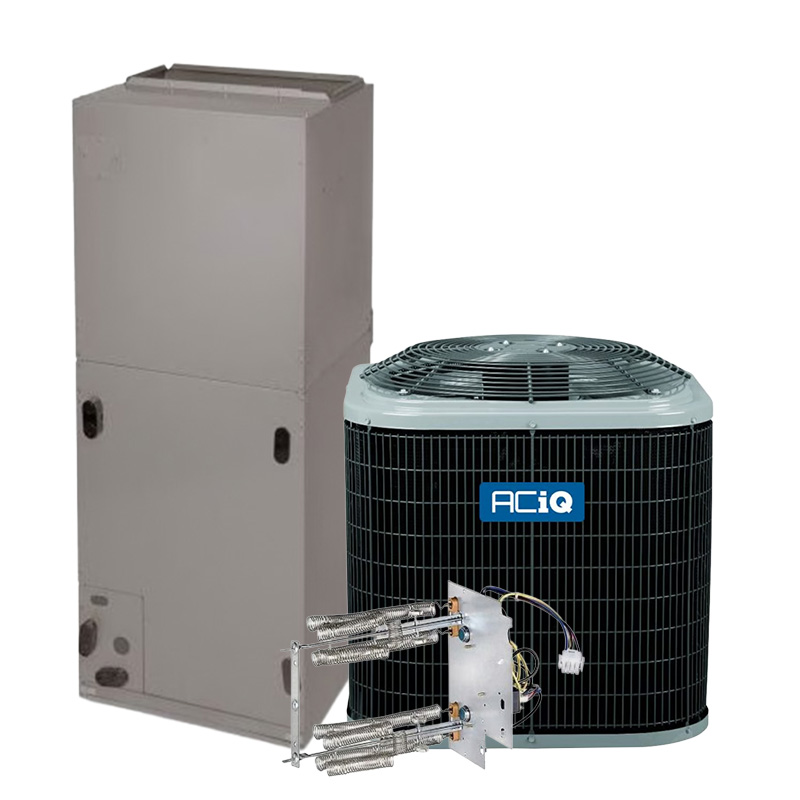
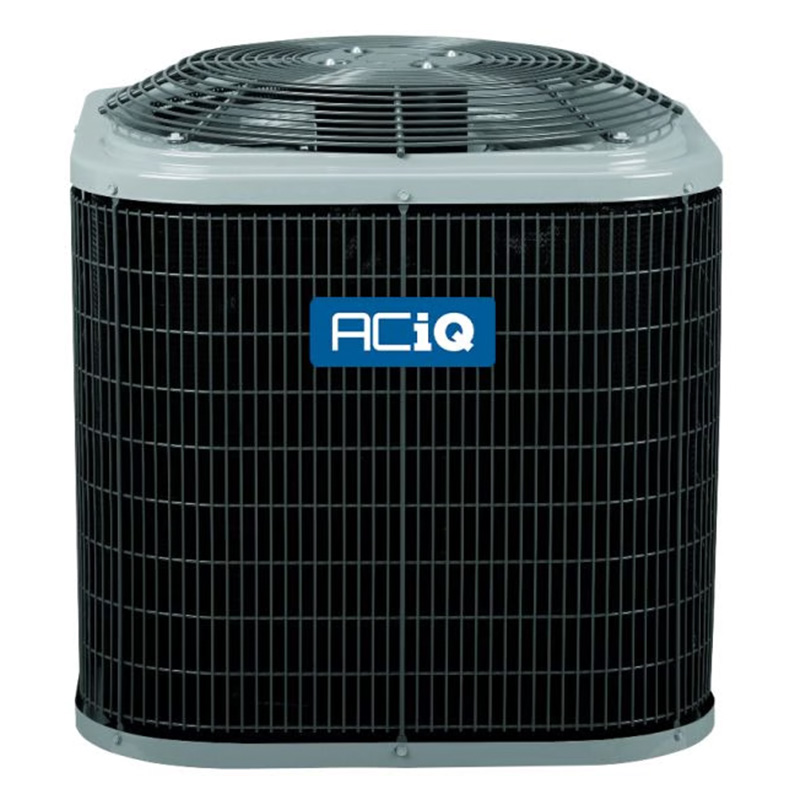
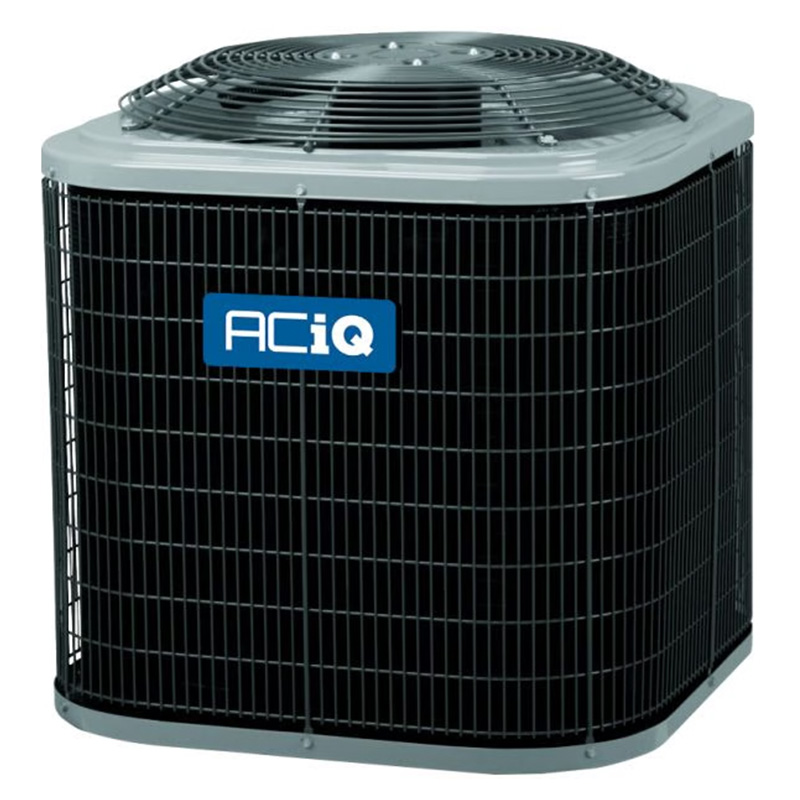
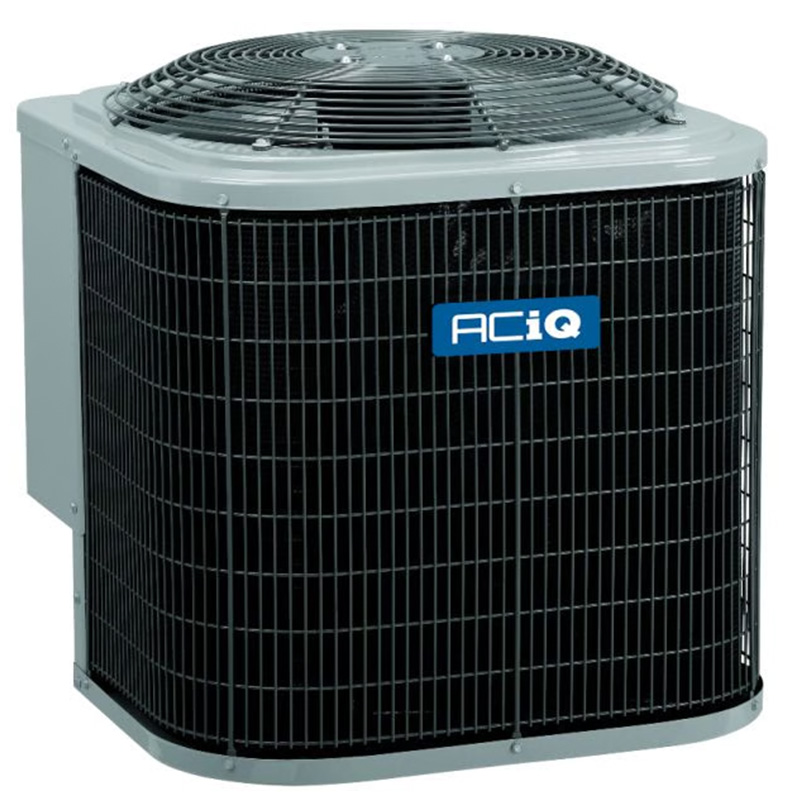
ACiQ 1.5 Ton AC With Electric Heat System | 16 SEER2 AC | 17.5" Wide Variable Speed Multi-Positional Air Handler | R454B
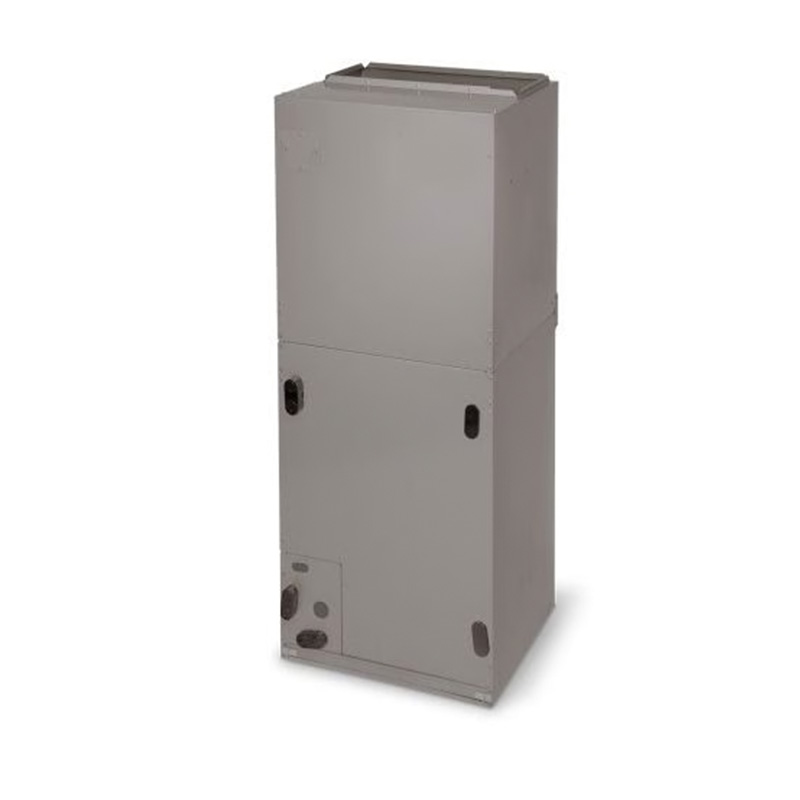
View on AC Direct see your lowest price →Check current price on AC Direct →
Key features
- 16 SEER2 efficiency rating, clearing regional minimums with room to spare
- Variable-speed multi-positional air handler fits upflow, downflow, and horizontal applications
- 17.5-inch slim cabinet width for tight closet or utility room installs
- R-454B refrigerant for compliance with current and near-term EPA low-GWP requirements
- Electric heat integrated into the air handler, eliminating a separate furnace or strip-heat add-on
- 12-year parts warranty included, with no dealer markup built into the price
About this system
The ACiQ 1.5-ton, 16 SEER2 split system pairs a variable-speed multi-positional air handler with a modern R-454B refrigerant outdoor unit, making it a reasonable fit for smaller homes, additions, conditioned spaces, or efficiency-minded buyers in mild climates. At 1.5 tons, this system is sized for roughly 600 to 900 square feet depending on insulation, ceiling height, and local climate loads, so a proper Manual J calculation before purchase is strongly recommended. The 17.5-inch cabinet width on the air handler is a notable practical advantage, letting it slip into tight closets or utility spaces where wider units simply will not go.
The 16 SEER2 rating lands in the upper-mid efficiency tier. It clears the federal minimum standards for most U.S. regions by a meaningful margin without reaching the premium price territory of 18 SEER2 and above systems. Variable-speed operation on the air handler means the blower modulates airflow to match demand rather than cycling on and off at full blast, which supports quieter operation, better humidity control, and more even temperatures than single-speed alternatives at this price point. R-454B is a lower-global-warming-potential refrigerant increasingly required under EPA regulations, so this system is forward-compliant on refrigerant rules.
The ACiQ 1.5-ton 16 SEER2 system offers genuine value for buyers who want variable-speed comfort features and a long warranty without paying name-brand premiums, and the slim air handler is a real differentiator for constrained spaces. The trade-off is that ACiQ is a newer brand with limited long-term reliability data, an undisclosed manufacturer, and no factory dealer network, which creates some uncertainty around parts sourcing and service continuity that buyers should weigh honestly before committing.
Overall score is the average of the five ratings above.
What we like
- Variable-speed blower delivers quieter, more humidity-controlled performance than single-stage systems at this price
- 17.5-inch air handler width opens up install locations that standard-depth cabinets cannot fit
- 16 SEER2 efficiency is competitive and clears upcoming regional minimums in most U.S. markets
- 12-year parts warranty is longer than many name brands offer at a comparable price point
- R-454B refrigerant ensures the system is compliant with current and anticipated low-GWP refrigerant rules
Trade-offs
- Consumer Reports does not yet rank ACiQ due to insufficient long-term data, so reliability is unproven over a full equipment lifecycle
- The manufacturer identity is undisclosed, complicating parts cross-referencing and long-term service research
- No factory dealer network means finding a qualified contractor familiar with the brand may take extra effort
- Electric heat strips are less efficient than a heat pump configuration, which can make operating costs higher in climates with significant heating loads
What homeowners and pros say about ACiQ
Early owners of ACiQ equipment consistently highlight quiet operation and responsive customer support as standout positives, and those themes hold for the variable-speed models in particular, where the blower modulation keeps sound levels noticeably lower than single-stage alternatives. Because Consumer Reports does not yet rank ACiQ due to insufficient long-term data, independent reliability benchmarks are simply not available the way they are for Carrier, Trane, or Lennox, and that absence of data is itself worth factoring into a purchase decision rather than treating the lack of negative reports as confirmation of long-term durability. Forum communities note that the undisclosed manufacturer relationship makes cross-referencing parts and service history more difficult, which has created occasional friction when independent contractors try to identify compatible replacement components.
HVAC professionals who have installed ACiQ units tend to report straightforward installs and no unusual startup issues, though some note they had to do extra homework on R-454B handling requirements and on familiarizing themselves with the brand’s tech support process since there is no local factory rep to call. The specific failure modes most worth watching with any newer value brand include capacitor reliability under heavy cycling, evaporator and condenser coil integrity over multi-year use, and compressor longevity beyond the five-to-seven-year mark where early wear patterns in lower-cost systems sometimes surface. None of those failure modes have been documented at unusual rates for ACiQ yet, but the brand simply has not been in the field long enough for that data to exist in any statistically meaningful volume.
Sources: Consumer Reports heat pump ratings, HVACDirect on the ACiQ brand, AHRI Directory of Certified Product Performance, U.S. DOE appliance and equipment efficiency standards.
What it costs to run
At 16 SEER2, cooling this 1.5-ton system for a typical 1200-hour cooling season at the U.S. average electricity rate of $0.17/kWh works out to roughly $230 per year in cooling, about $44 less per year than a minimum-efficiency 13.4 SEER2 unit of the same size. Your real cost depends on your climate and local rate.
Method: (18,000 BTU/hr ÷ 16 SEER2) × 1200 hours ÷ 1000 × $0.17/kWh. Rate source: U.S. EIA average; cooling hours: moderate-climate estimate.
How it compares
| Brand | Comparable model | SEER2 | Stage | Price position |
|---|---|---|---|---|
| ACiQ | 1.5 Ton 16 SEER2 Variable Speed Multi-Positional Air Handler System | 16 | Variable | Value pick |
| Carrier | Comfort 16 (24ACC6) | 16 | Single-stage | Moderately higher than ACiQ, with dealer install markup typical |
| Trane | XR16s | 16 | Single-stage | Moderately to significantly higher than ACiQ depending on dealer and region |
| Lennox | Merit ML16XC1 | 16 | Single-stage | Moderately higher than ACiQ with dealer network pricing |
Competitor rows are comparable single-stage units at similar efficiency; price is relative position, not a quote.
Questions about this system
Can any licensed HVAC contractor install this system, or does it require an ACiQ-certified dealer?
Any EPA 608-certified HVAC contractor can install it, since ACiQ sells direct and has no proprietary dealer certification requirement. However, because the brand is newer and sold online, you may need to confirm your contractor is comfortable working with it and can handle the R-454B refrigerant, which requires updated recovery equipment and certifications not all shops have yet.
Will the 17.5-inch air handler width work as a direct replacement for my existing unit?
It depends entirely on your current cabinet dimensions and duct connections. The 17.5-inch width is slimmer than many standard air handlers, which helps in tight spaces, but you should still verify the height, depth, supply and return plenum sizes, and electrical connections before ordering. A field measurement by your contractor before purchase is the safest approach.
How does electric heat strip performance compare to a heat pump on this system?
Electric resistance heat strips convert electricity to heat at roughly a 1-to-1 ratio, while a heat pump can deliver 2 to 3 units of heat per unit of electricity consumed in moderate climates. If you are in a region with significant winter heating loads or high electricity rates, the operating cost difference can be substantial over a heating season, and a heat pump split system would likely be worth the additional upfront investment.
What does it mean that the manufacturer behind ACiQ is undisclosed, and does it affect parts availability?
ACiQ is AC Direct's house brand and forum speculation points toward the ICP and Carrier family as the likely manufacturer, but this is unconfirmed. In practice, it means you cannot easily cross-reference parts by OEM part number the way you can with a brand like Carrier or Trane, and if ACiQ were ever discontinued, sourcing replacement components could become harder. So far, early owners report no unusual parts availability issues, but it is a fair long-term risk to acknowledge.
Is 1.5 tons enough for my home, or should I size up to be safe?
Oversizing an air conditioner is a well-documented problem that causes short cycling, poor humidity removal, and accelerated wear, so sizing up as a precaution tends to backfire. A Manual J load calculation based on your home's square footage, insulation levels, window area, and local climate is the correct approach, and 1.5 tons is typically appropriate for roughly 600 to 900 square feet in a well-insulated home in a moderate climate. Ask your contractor to run the calculation before finalizing the purchase.
Specifications
| Cooling capacity | 1.5 Ton |
| Efficiency | 16 SEER2 |
| Refrigerant | R-454B |