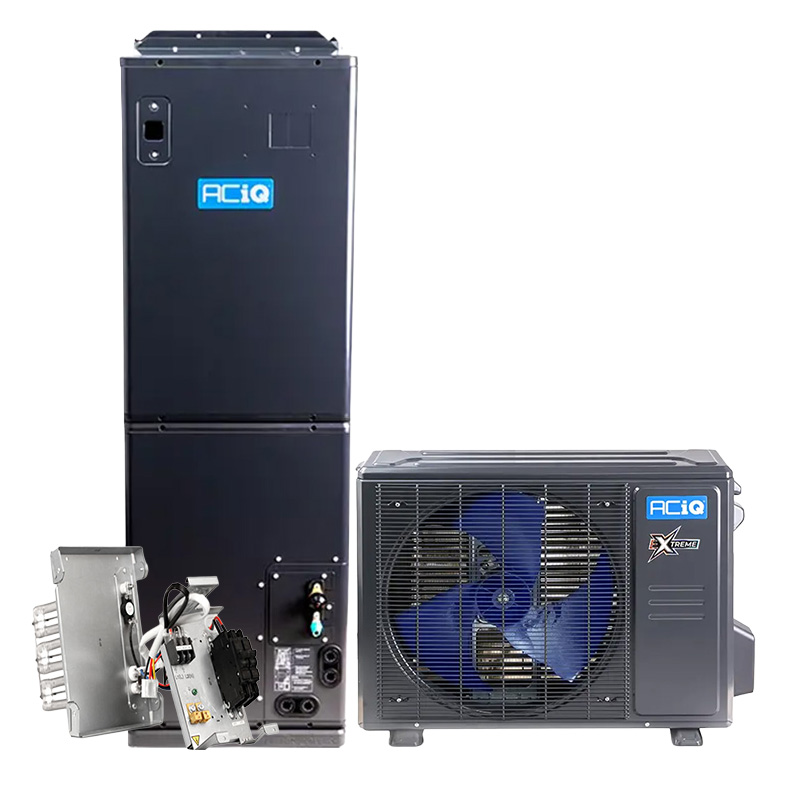
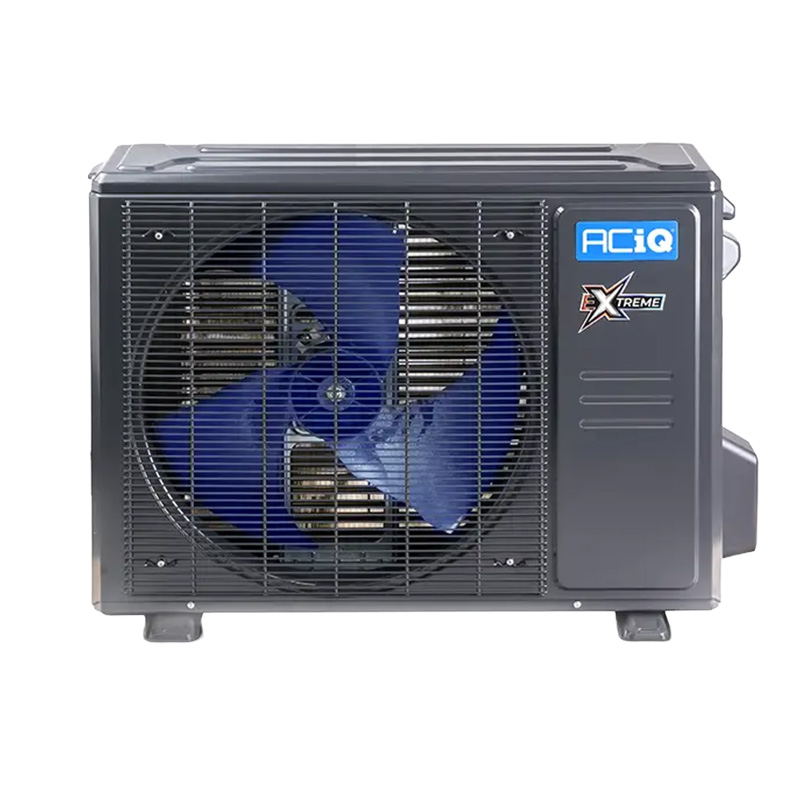
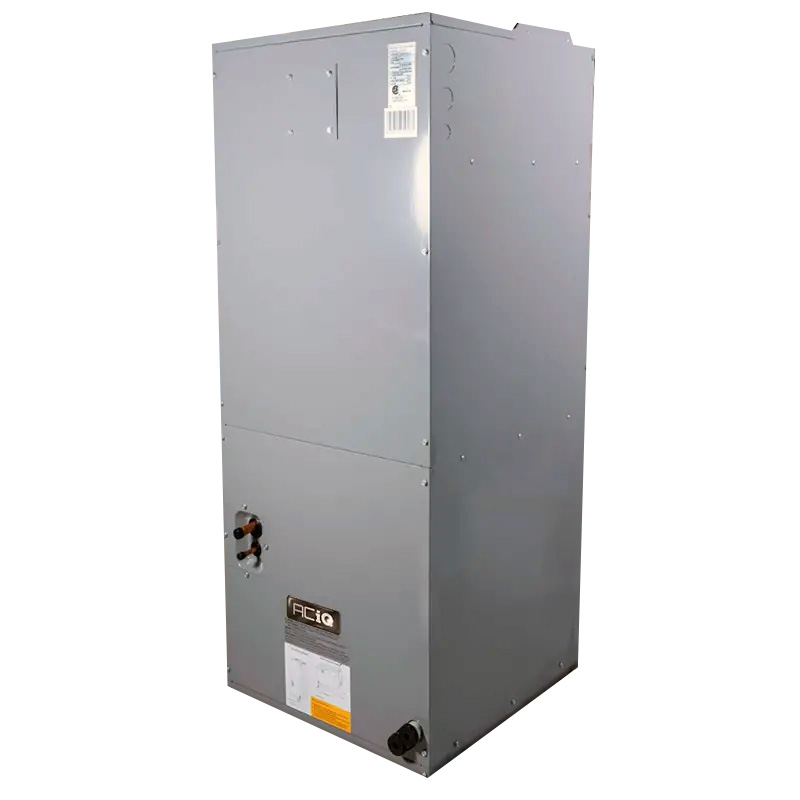
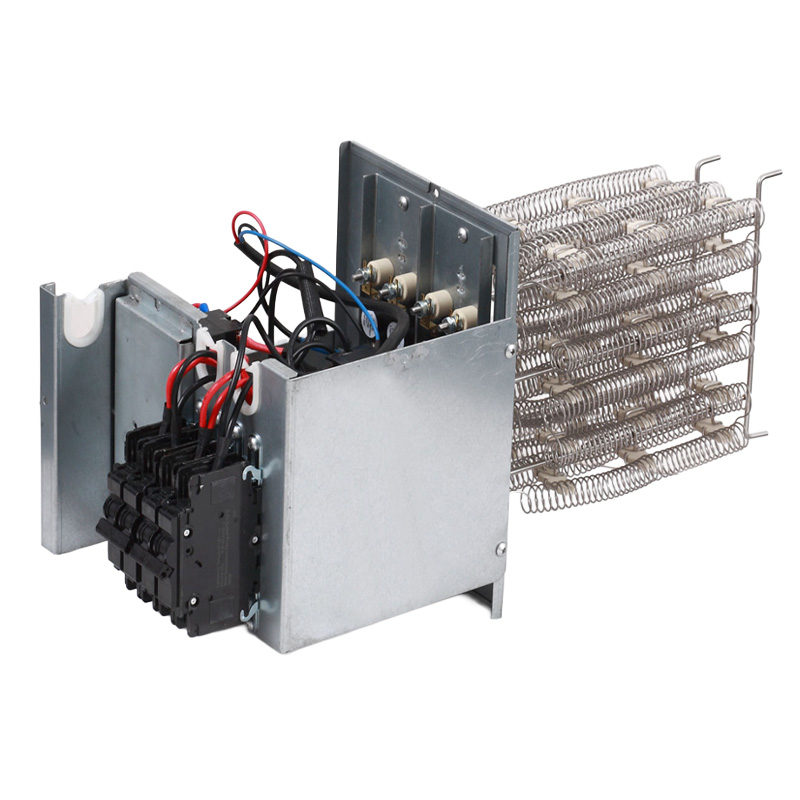
ACiQ 1.5 Ton Split Heat Pump AC System | 19 SEER2 High Efficiency Inverter Heats Down To -22° F and Beyond| Extreme+ Series R454B
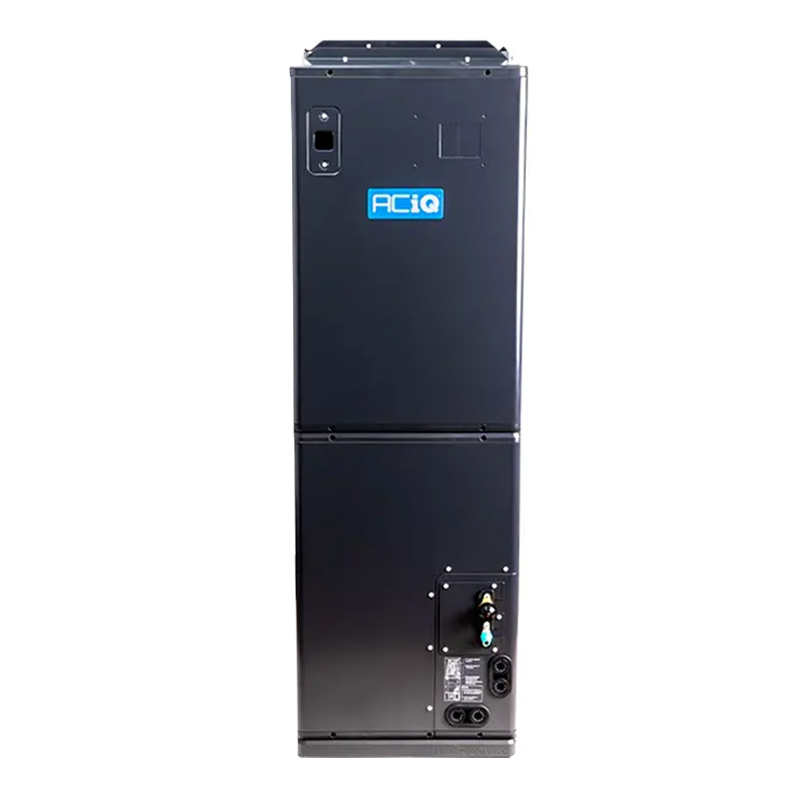
View on AC Direct see your lowest price →Check current price on AC Direct →
Key features
- 19 SEER2 inverter-driven compressor for variable-capacity operation
- Rated to heat down to -22 degrees F, qualifying as a cold-climate heat pump
- R-454B refrigerant, compliant with current and forthcoming EPA regulations
- 1.5-ton (approximately 18,000 BTU/h nominal) capacity for smaller spaces
- 12-year parts warranty shipped direct with no dealer markup applied
- Variable-speed operation reduces sound output during low-demand steady-state cycles
About this system
The ACiQ Extreme+ 1.5-ton split heat pump is built for smaller homes, conditioned additions, and zones that need serious cold-weather heating capability. At 19 SEER2, it sits in the high-efficiency tier without crossing into the premium price band, and its R-454B refrigerant puts it ahead of the regulatory curve as R-410A is phased out under new EPA rules. The inverter-driven compressor modulates capacity continuously rather than cycling on and off, which translates to tighter temperature control, lower sound levels at steady state, and meaningfully lower operating costs compared to a single-stage unit of the same nominal tonnage.
The headline spec that sets this series apart is the -22 degrees F low-ambient heating rating. Most standard heat pumps begin losing meaningful output around 20 to 25 degrees F and are typically paired with auxiliary electric or gas heat below that threshold. This system is rated to continue extracting heat from outside air well below zero, which makes it a credible primary heating source in cold-climate regions where heat pumps were historically impractical. A 1.5-ton unit targets roughly 600 to 900 square feet of well-insulated space, though the right sizing depends heavily on local climate, ceiling height, and envelope quality, so a Manual J load calculation is strongly recommended before purchasing.
The ACiQ Extreme+ 1.5-ton earns its place as a legitimate cold-climate heat pump at a price point that undercuts most name-brand equivalents by a meaningful margin. The 19 SEER2 rating and -22 degree F threshold are real selling points, but the brand is young enough that long-term durability remains an open question. Buyers who prioritize upfront savings and can secure a knowledgeable independent installer will find a capable, well-specified system; those who want decades of verified reliability data and a local dealer network should weigh that gap carefully.
Overall score is the average of the five ratings above.
What we like
- 19 SEER2 efficiency qualifies for federal tax credits and lowers monthly operating costs versus older or lower-tier systems
- -22 degree F low-ambient rating makes this a viable primary heat source in genuinely cold climates without mandatory auxiliary backup
- R-454B refrigerant is forward-compatible with tightening EPA regulations, reducing future retrofit risk
- 12-year parts warranty is competitive with or better than most name brands at this price tier
- Direct-to-consumer pricing removes dealer markup, delivering more hardware per dollar than comparably rated name-brand units
Trade-offs
- ACiQ is a newer brand with limited long-term reliability data, and Consumer Reports has not yet assigned it a reliability score
- The undisclosed manufacturer complicates parts sourcing and cross-referencing service history if a component fails
- No factory dealer network means installation and warranty labor quality depends entirely on the independent contractor you hire
- R-454B is mildly flammable (A2L classification), which requires certified technicians and may require updated service equipment not every local contractor carries
What homeowners and pros say about ACiQ
Early owner feedback on ACiQ equipment, including heat pump models, clusters around three consistent themes: quiet operation once the inverter settles into steady-state, performance that matches or exceeds expectations in the first one to two heating and cooling seasons, and a support team that responds when problems arise. ACiQ scores well on Google dealer reviews aggregated through AC Direct, and ConsumerAffairs listings reflect similar early satisfaction. What is notably absent is the kind of multi-year, large-sample reliability data that Consumer Reports requires before assigning a brand score, and ACiQ has not yet cleared that bar. That gap is not a condemnation, it is simply an honest reflection of how new the brand is in the residential market.
From a service and installation perspective, the specific failure modes that shadow newer or house-brand HVAC equipment are worth naming. Capacitor failures are among the most common service calls across all heat pump brands and are generally inexpensive to repair, but they become harder to budget for when the underlying manufacturer platform is not publicly confirmed. Refrigerant coil leaks and long-term compressor lifespan are the higher-stakes unknowns that independent long-term data would normally clarify. Because ACiQ is sold direct rather than through a dealer network, HVAC professionals who encounter it in the field are working without the factory training pipeline that Carrier or Trane technicians typically receive, which puts more weight on finding an experienced independent contractor who is willing to get familiar with the platform before turning a single wrench.
Sources: Consumer Reports heat pump ratings, HVACDirect on the ACiQ brand, AHRI Directory of Certified Product Performance, U.S. DOE appliance and equipment efficiency standards.
What it costs to run
At 19 SEER2, cooling this 1.5-ton system for a typical 1200-hour cooling season at the U.S. average electricity rate of $0.17/kWh works out to roughly $193 per year in cooling, about $81 less per year than a minimum-efficiency 13.4 SEER2 unit of the same size. Your real cost depends on your climate and local rate.
Method: (18,000 BTU/hr ÷ 19 SEER2) × 1200 hours ÷ 1000 × $0.17/kWh. Rate source: U.S. EIA average; cooling hours: moderate-climate estimate.
How it compares
| Brand | Comparable model | SEER2 | Stage | Price position |
|---|---|---|---|---|
| ACiQ | Extreme+ 1.5 Ton 19 SEER2 R-454B Split Heat Pump | 19 | Variable | Value pick |
| Carrier | Infinity 20 (25VNA0 series) | 20+ | Variable | Significantly higher, dealer-installed with markup |
| Trane | XV20i (XR15 at lower tier; XV20i for comparable efficiency) | 20 | Variable | Significantly higher, requires Trane dealer network |
| Lennox | XP21 series | 19-21 | Variable | Moderately to significantly higher depending on dealer region |
Competitor rows are comparable single-stage units at similar efficiency; price is relative position, not a quote.
Questions about this system
Does this system actually keep heating at -22 degrees F, or does output drop off significantly before that?
Cold-climate heat pumps rated to sub-zero temperatures do maintain heating output at those extremes, but capacity and COP (coefficient of performance) both fall as outdoor temperatures drop. At -22 degrees F the system is still producing heat, but not at its full rated capacity. For extreme cold events, many installers still recommend a backup heat source for the coldest design-day hours, especially in leaky or poorly insulated homes.
Can any HVAC contractor install this, or does R-454B require special certification?
R-454B is an A2L refrigerant, meaning it is mildly flammable. Technicians must be EPA Section 608 certified to handle it, which is a standard credential, but they also need equipment rated for A2L refrigerants. Not every contractor has updated their recovery machines and tools yet, so confirm before scheduling that your installer is A2L-equipped.
How does the 12-year warranty work if ACiQ sells direct and has no dealer network?
ACiQ's 12-year parts warranty is registered directly with the company and covers components shipped to you or your contractor. Labor is not covered by the manufacturer, which is typical across the industry. Because there is no dealer network, warranty claims and parts sourcing go through ACiQ directly, so keeping purchase documentation and registering the unit promptly after installation is important.
Is 1.5 tons enough for my space, and how do I know without guessing?
Nominal tonnage alone does not determine fit. A proper Manual J load calculation factors in your climate zone, insulation levels, window area, infiltration rate, and ceiling height. In a cold climate, a well-insulated 700 square foot space might be appropriately served by 1.5 tons, while a leaky 600 square foot space in a harsh climate might need more. Skipping the load calculation risks short-cycling, comfort complaints, and premature wear.
Since the manufacturer is not disclosed, what happens if I need an obscure replacement part years from now?
This is a legitimate concern with any direct-to-consumer or house brand. Forum speculation links ACiQ to the ICP and Carrier family, but this is unconfirmed, so you cannot reliably cross-reference parts to a known platform. Your most reliable path is sourcing parts through ACiQ directly or through AC Direct's support channel, which is why buying from a company with responsive customer support, as early owners have reported, matters more than it does with a name brand.
Specifications
| Cooling capacity | 1.5 Ton |
| Efficiency | 19 SEER2 |
| Refrigerant | R-454B |