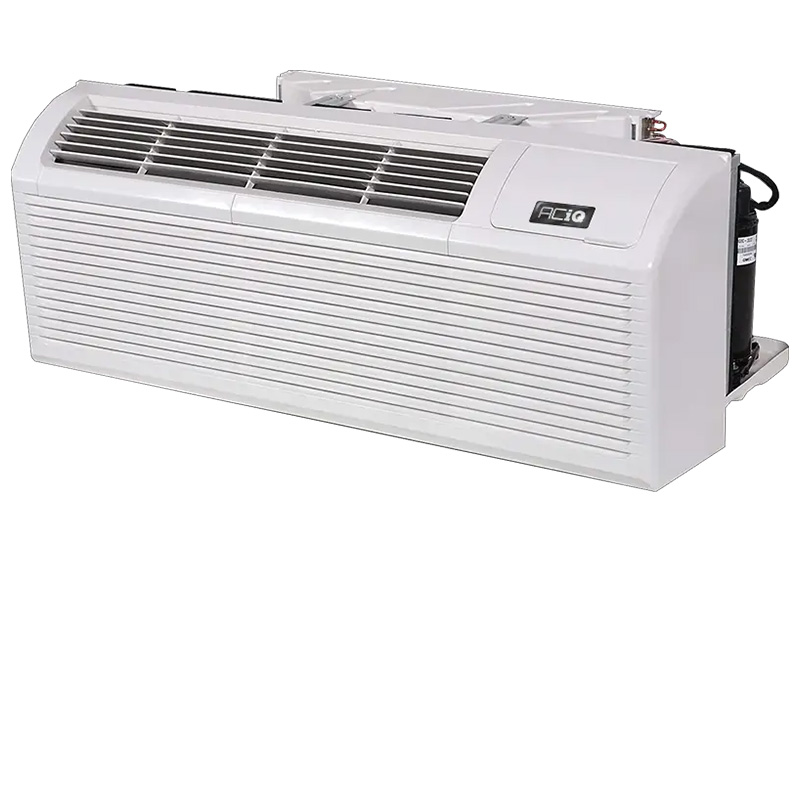
ACiQ 12000 BTU PTAC Heat Pump Air Conditioner With 3.5kW Electric Heater, R32 (ACIQ-12PTC)
View on AC Direct see your lowest price →Check current price on AC Direct →
Key features
- 12,000 BTU cooling capacity with heat pump heating mode for energy-efficient warmth in moderate climates
- 3.5 kW (approximately 11,900 BTU) electric resistance backup heater for cold-weather operation
- R-32 refrigerant with lower global warming potential than legacy R-410A
- Through-the-wall PTAC configuration fits standard 42-inch sleeves, no outdoor unit required
- ACiQ 12-year warranty included with purchase, no dealer markup applied
- Sold direct by AC Direct, undercutting traditional dealer-channel pricing on comparable PTAC units
About this system
The ACiQ 12000 BTU PTAC Heat Pump (ACIQ-12PTC) is a packaged terminal air conditioner designed for through-the-wall installation in hotel rooms, apartments, assisted living facilities, condos, and any space where a self-contained heating and cooling unit is the practical choice. Unlike a conventional PTAC that relies solely on electric resistance heat, this model adds a heat pump circuit, meaning it moves heat from outside air into the room rather than generating it from scratch, which cuts heating energy use meaningfully in moderate climates. The 3.5 kW electric heater steps in as a backup when outdoor temps drop too low for the heat pump to work efficiently on its own.
On the refrigerant side, R-32 is a step forward from the older R-410A still found in many competing PTACs. R-32 has a lower global warming potential and slightly better thermodynamic efficiency. The 12,000 BTU cooling capacity suits rooms roughly 400 to 550 square feet, assuming standard ceiling heights and average insulation. Because a PTAC is a fully self-contained unit that slides into a standard 42-inch wall sleeve, there is no separate outdoor unit to install, no refrigerant line set to run, and no condensate drain to route, which keeps installation straightforward compared to a split system. The trade-off is that a PTAC is inherently less efficient than a comparable ductless mini-split, and the through-the-wall sleeve creates a thermal bridge that a split system avoids.
The ACiQ 12PTC is a competitively priced PTAC heat pump that makes sense for hotel operators, property managers, and condo owners who want the convenience of a self-contained unit with lower heating costs than a straight electric-resistance PTAC. The 12-year warranty and R-32 refrigerant add real value, but the brand is still young enough that long-term reliability is not yet independently verified, and the undisclosed manufacturing origin complicates parts sourcing if something goes wrong.
Overall score is the average of the five ratings above.
What we like
- Heat pump mode reduces heating energy consumption compared to electric-resistance-only PTACs in climates that stay above freezing regularly
- R-32 refrigerant is more environmentally responsible and slightly more efficient than R-410A alternatives
- 12-year warranty is longer than most competitors offer at this price point without a dealer relationship
- Standard 42-inch sleeve compatibility makes drop-in replacement straightforward in existing wall openings
- Direct-sale pricing undercuts name-brand PTACs by a meaningful margin for buyers comfortable purchasing without a dealer
Trade-offs
- No published SEER2 or HSPF2 rating makes it impossible to compare efficiency rigorously against rated competitors
- The undisclosed manufacturer makes cross-referencing replacement parts and service bulletins harder than with a named brand
- Service depends on independent contractors since there is no ACiQ dealer network, which can mean longer wait times in some regions
- Long-term reliability data is genuinely thin because the brand is newer, and Consumer Reports has not yet assigned a reliability score
What homeowners and pros say about ACiQ
Owners who have installed ACiQ equipment in the early years of the brand tend to report quiet operation and performance that matches what the specs suggest, and the direct-sale support line gets positive mentions for responsiveness. That lines up with the brand’s positioning: AC Direct built ACiQ to compete on price and initial experience, and early feedback suggests it mostly delivers on that promise. Consumer Reports has not yet ranked ACiQ because the brand does not have enough long-term field data in their survey pool, which means the positive early impressions have not yet been stress-tested by years of real-world use the way a Friedrich or Amana has been.
For HVAC professionals, the undisclosed manufacturing origin is the most commonly cited friction point. When a capacitor fails or a coil develops a leak, technicians prefer to pull a parts reference for a known manufacturer rather than work from model numbers alone. The reliance on independent service contractors rather than a factory-authorized network also means response time and technician familiarity with the product can vary widely by region. These are not dealbreakers for a cost-conscious buyer, but they are real considerations for a property manager who needs rapid turnaround on a failed unit in an occupied room. Compressor longevity, the most important long-term reliability question for any PTAC heat pump, simply cannot be answered yet for ACiQ with the same confidence it can be for brands with a decade-plus of documented service history.
Sources: Consumer Reports heat pump ratings, HVACDirect on the ACiQ brand, AHRI Directory of Certified Product Performance, U.S. DOE appliance and equipment efficiency standards.
How it compares
| Brand | Comparable model | SEER2 | Stage | Price position |
|---|---|---|---|---|
| ACiQ | ACIQ-12PTC | Not published | Single-stage | Value pick |
| Friedrich | YM12 Ductless PTAC Heat Pump | Not applicable (PTAC class) | Single-stage | Moderately higher, widely available through dealer and direct channels |
| Amana | PTC123G35AXXX PTAC Heat Pump | Not applicable (PTAC class) | Single-stage | Similar to slightly higher, strong institutional distribution network |
| GE Appliances | AZHB12DAJ PTAC Heat Pump | Not applicable (PTAC class) | Single-stage | Comparable to moderately higher, broad parts availability and service history |
Competitor rows are comparable single-stage units at similar efficiency; price is relative position, not a quote.
Questions about this system
Will this PTAC fit the existing sleeve in my hotel room or apartment wall?
The ACIQ-12PTC is designed for a standard 42-inch wide PTAC wall sleeve, which is the most common size in commercial and multifamily construction. Confirm your sleeve width and depth before ordering, as some older installations use non-standard dimensions that may require an adapter or sleeve replacement.
How cold does it have to get outside before the heat pump stops working and the electric heater takes over?
Most PTAC heat pumps transition to or add electric resistance heat somewhere in the 25 to 35 degrees Fahrenheit range, though ACiQ does not publish a specific low-ambient cutoff for this model. In climates with sustained hard freezes, the 3.5 kW backup heater will carry more of the heating load, which increases electricity use during those periods.
What electrical circuit does this unit require?
PTACs with a 3.5 kW heater typically require a dedicated 20-amp or 30-amp 208/230-volt circuit depending on the configuration, which is different from the standard 115-volt outlet used by cooling-only PTACs. Verify the electrical requirements in the product documentation and confirm your wall sleeve's wiring before installation.
If something breaks, who services an ACiQ PTAC and how easy is it to get parts?
ACiQ is sold direct through AC Direct rather than through a dealer network, so warranty service is handled by independent HVAC contractors in your area. Because the manufacturer is not publicly disclosed, technicians cannot easily cross-reference this unit against a known parts catalog, which can make component sourcing slower than it would be for a Friedrich or GE unit with a published parts database.
Is R-32 refrigerant safe and can any HVAC technician work with it?
R-32 is classified as A2L, meaning it is mildly flammable, which is a step up in handling precaution compared to the A1-rated R-410A most technicians are accustomed to. It is legal and increasingly common in the U.S., but you should confirm that any service technician you hire is familiar with A2L refrigerant handling procedures, as not all older contractors have updated their training yet.
Specifications
| Furnace output | 12000 BTU |
| Refrigerant | R-32 |