ACiQ 150,000 BTU Inverter Pool Heat Pump – Heating & Cooling Capable for Large Pools up to 41,000 Gallons (PHP-EX-150)
View on AC Direct see your lowest price →Check current price on AC Direct →
Key features
- 150,000 BTU heating capacity rated for pools up to 41,000 gallons
- Inverter-driven compressor modulates output for stable water temps and lower operating costs
- Dual heating and cooling modes handle both cold and overheated pool water
- Air-source heat pump design extracts heat from outdoor air rather than burning fuel
- Ships direct from ACiQ with no dealer markup added to the purchase price
- Covered by ACiQ's 12-year warranty with no additional dealer enrollment required
About this system
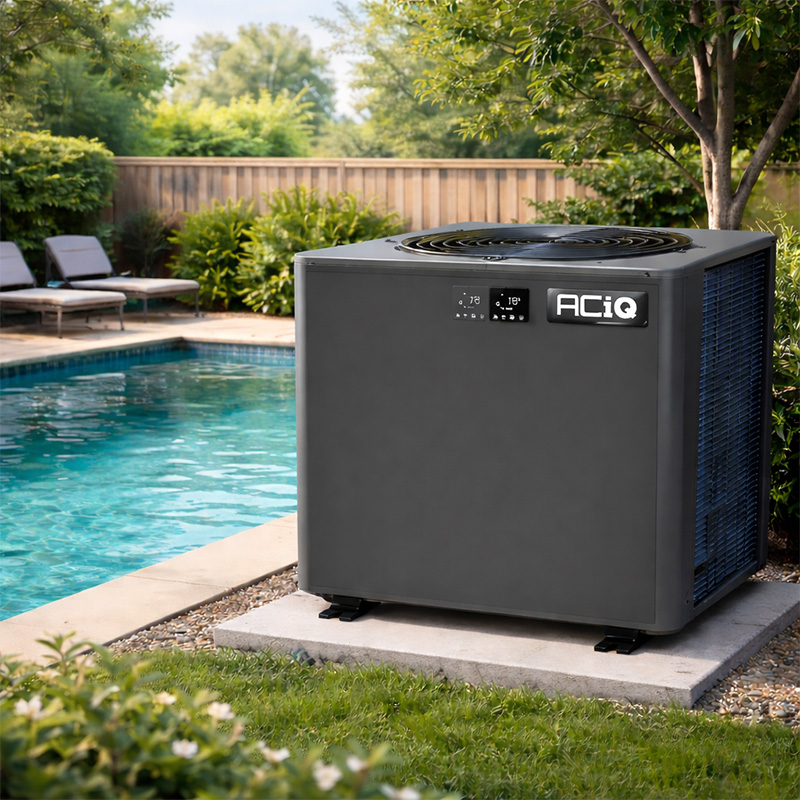
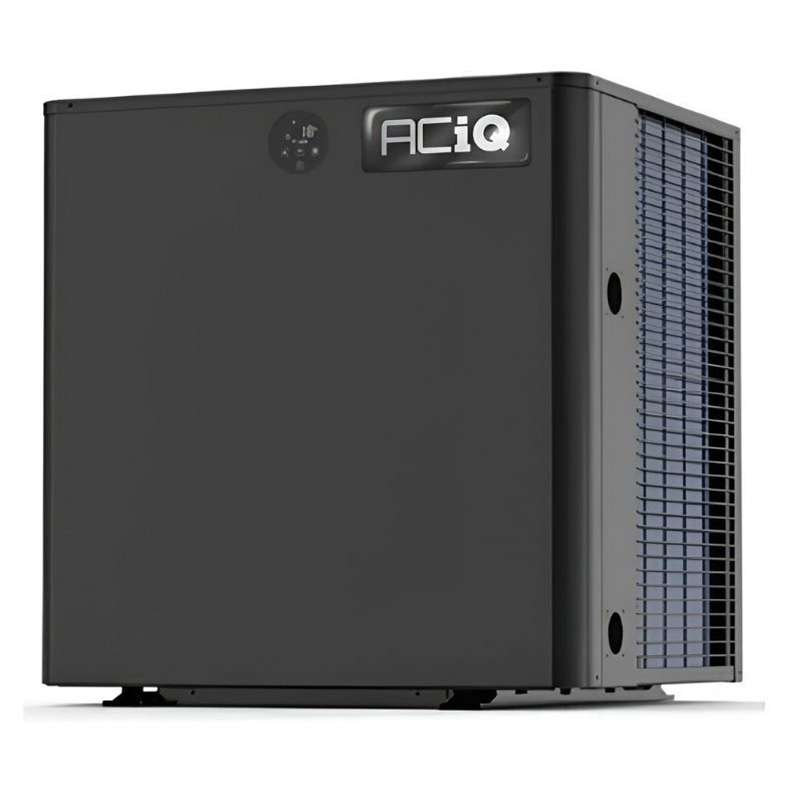
The ACiQ PHP-EX-150 is a 150,000 BTU inverter-driven pool heat pump designed to heat and cool pools up to roughly 41,000 gallons. That dual-mode capability matters in climates where summers push water temperatures uncomfortably high, since most pool heat pumps only heat. The inverter compressor modulates output rather than cycling on and off at full capacity, which keeps water temperature stable and reduces energy consumption compared to single-speed units at the same BTU rating.
A pool this size represents a serious thermal load, and 150,000 BTU puts the PHP-EX-150 at the upper end of residential pool heat pump capacity. It is best suited to large in-ground pools in warmer climates where ambient air temperatures stay above roughly 50 degrees Fahrenheit for most of the heating season, since all air-source heat pumps lose efficiency as outdoor temps drop. Owners of large pools who are replacing an aging gas heater or an older single-speed heat pump are the most natural fit. Anyone running a smaller pool would likely overshoot and overpay on equipment size.
The PHP-EX-150 delivers genuine inverter technology and a strong 12-year warranty at a price that undercuts most name-brand pool heat pumps of comparable capacity. The trade-offs are real: the brand is newer, long-term reliability data is thin, and servicing a direct-sold unit without a dealer network requires more legwork than owners of Hayward or Pentair equipment are accustomed to. For budget-conscious buyers with a large pool and some tolerance for those uncertainties, it is a credible option.
Overall score is the average of the five ratings above.
What we like
- Inverter compressor reduces energy draw compared to single-speed pool heat pumps at the same capacity
- Cooling mode is a genuine differentiator at this price point, useful in hot southern climates
- 12-year warranty included with purchase, no dealer activation or markup required
- 150,000 BTU output handles very large residential pools without undersizing
- Early owner reports consistently note quiet operation relative to older single-speed pool heaters
Trade-offs
- No established dealer network means finding a qualified service technician is the owner's responsibility
- Actual manufacturer is undisclosed, which complicates parts sourcing and cross-referencing service history
- Long-term reliability data does not yet exist for this brand in pool heat pump applications
- Air-source efficiency drops significantly when ambient temperatures fall below 50 degrees Fahrenheit, limiting off-season use
What homeowners and pros say about ACiQ
Early owner commentary on the PHP-EX-150 and other ACiQ pool heat pumps follows a consistent pattern: buyers are pleasantly surprised by how quietly the inverter compressor runs compared to the older single-speed units they replaced, and ACiQ’s direct customer support is frequently described as responsive when issues come up during setup. Consumer Reports has not yet assigned a reliability score to ACiQ because the brand is too new to have accumulated sufficient long-term data, so those positive early impressions should be weighed accordingly.
The concerns that come up most often among more cautious buyers and HVAC professionals center on the same structural issues that apply across the ACiQ line. The undisclosed manufacturer makes it genuinely harder for a service technician to source parts or consult a familiar service history, and that friction is more pronounced with a large pool heat pump than with a residential split system because fewer contractors specialize in pool equipment. The documented risk factors for the broader ACiQ brand include questions about long-term compressor durability in continuous-run applications, and a pool heat pump runs more hours per season than most HVAC equipment. None of those concerns are unique to this model, but they are real enough that buyers who prioritize service convenience over upfront savings should price out a Hayward or Pentair before committing.
Sources: Consumer Reports heat pump ratings, HVACDirect on the ACiQ brand, AHRI Directory of Certified Product Performance, U.S. DOE appliance and equipment efficiency standards.
How it compares
| Brand | Comparable model | SEER2 | Stage | Price position |
|---|---|---|---|---|
| ACiQ | PHP-EX-150 | N/A (pool heat pump, rated by COP) | Variable / Inverter | Value pick |
| Hayward | HeatPro HP50HA | N/A (pool heat pump) | Single-stage | Moderately higher with established dealer network |
| Pentair | UltraTemp 140 | N/A (pool heat pump) | Single-stage | Higher, with broad dealer and service coverage |
| Aquacal | TropiCal T135 | N/A (pool heat pump) | Single-stage | Comparable to or slightly above the ACiQ, with longer brand track record |
Competitor rows are comparable single-stage units at similar efficiency; price is relative position, not a quote.
Questions about this system
Can this unit actually cool my pool in summer, and how does that work?
Yes, the PHP-EX-150 runs in reverse cycle to extract heat from the pool water and reject it to the outdoor air, the same basic principle as a refrigerator. It is a genuine operating mode, not a marketing feature, though cooling output capacity should be confirmed in the spec sheet since heat pump cooling capacity is typically lower than heating capacity at the same outdoor condition.
What happens if my unit needs service and there is no ACiQ dealer in my area?
ACiQ sells direct and does not maintain a dealer service network, so you will need to find an independent HVAC or pool equipment technician willing to work on the unit. Because the actual manufacturer is not publicly disclosed, cross-referencing parts or diagrams with a parent brand is harder than with a Hayward or Pentair, so provide the technician with the full model documentation before scheduling.
Is 150,000 BTU the right size for my 35,000-gallon pool?
For most climates, yes. General pool heat pump sizing rules suggest roughly 3 to 5 BTU per gallon as a starting point, and 150,000 BTU clears that threshold comfortably for a 35,000-gallon pool. Your actual heat-up time and efficiency will also depend on whether the pool is covered when not in use, your local climate, and how large a temperature rise you need.
How does the inverter compressor actually reduce my operating cost compared to a single-speed pool heat pump?
A single-speed compressor runs at full power or not at all, so it repeatedly overshoots the target temperature and cycles off. The inverter compressor in the PHP-EX-150 ramps output up and down to match the actual heat demand, which reduces energy consumption during maintenance heating and cuts down on the wear from repeated hard starts.
What are the electrical requirements for installation, and do I need a dedicated circuit?
A 150,000 BTU pool heat pump at this capacity class typically requires a 240-volt dedicated circuit with a breaker sized to the unit's minimum circuit ampacity, which you should confirm on the product's electrical spec sheet before purchase. This is a job for a licensed electrician if you do not already have appropriate wiring at the equipment pad, and the permit and inspection requirements vary by local jurisdiction.
Specifications
| Furnace output | 150,000 BTU |