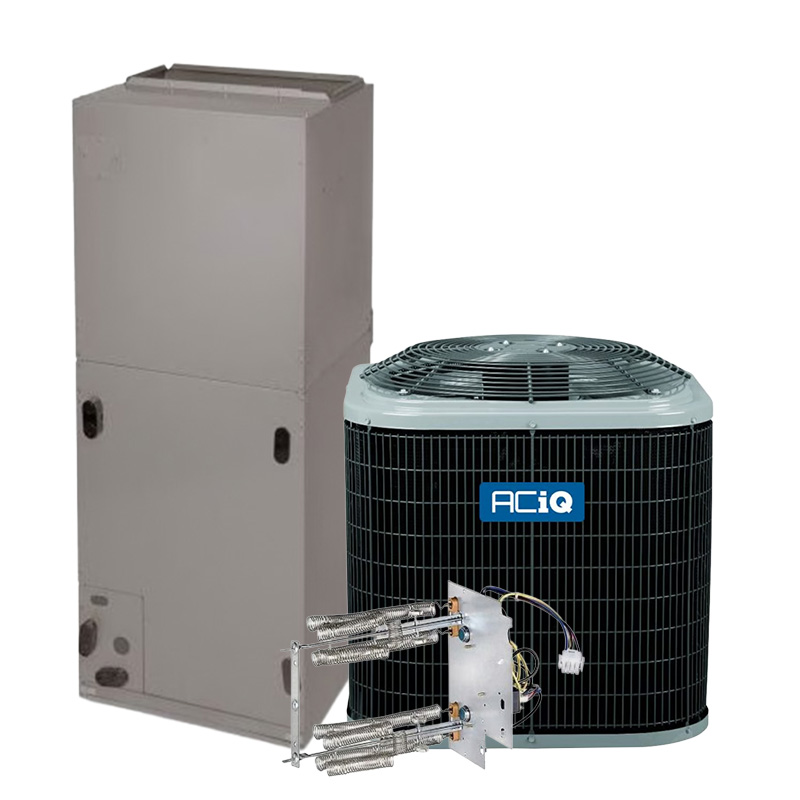
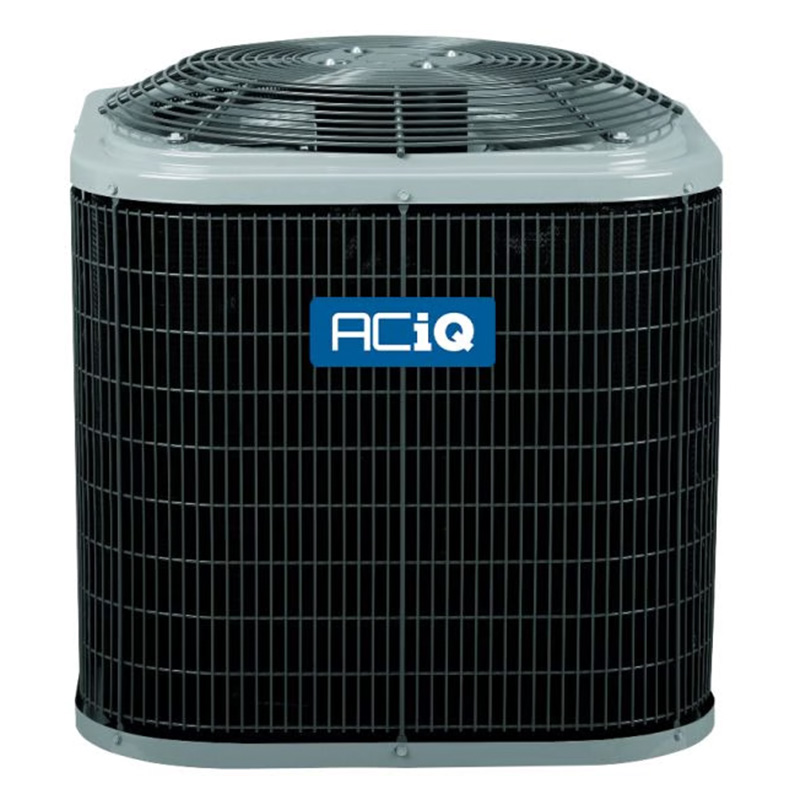
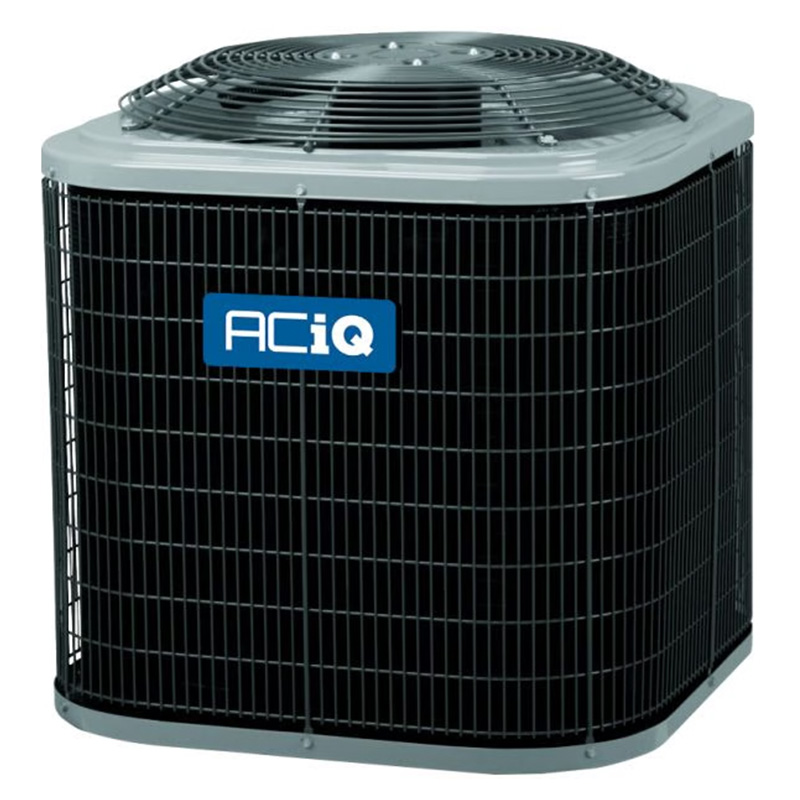
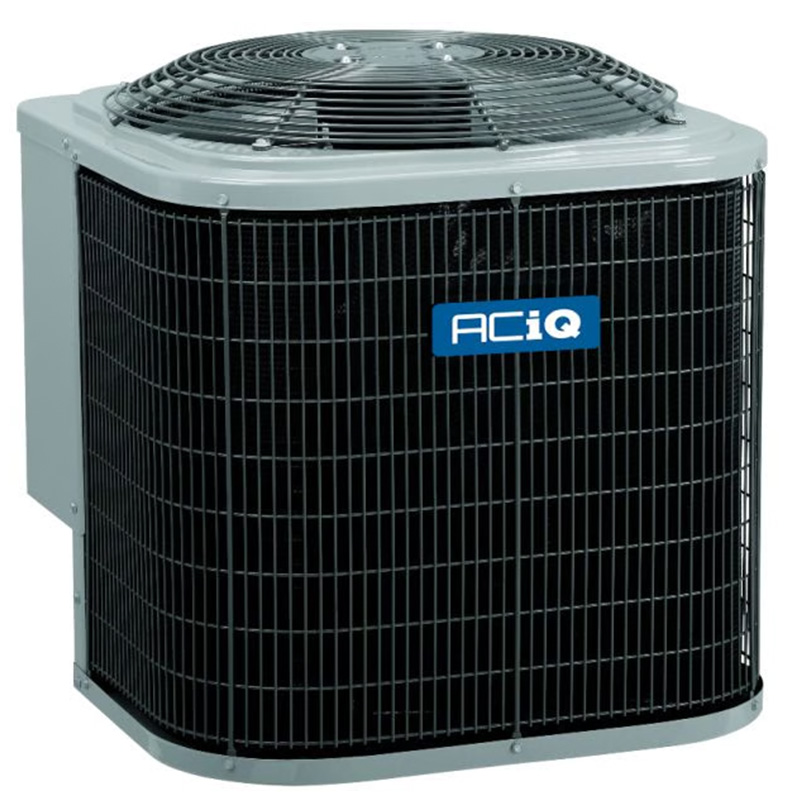
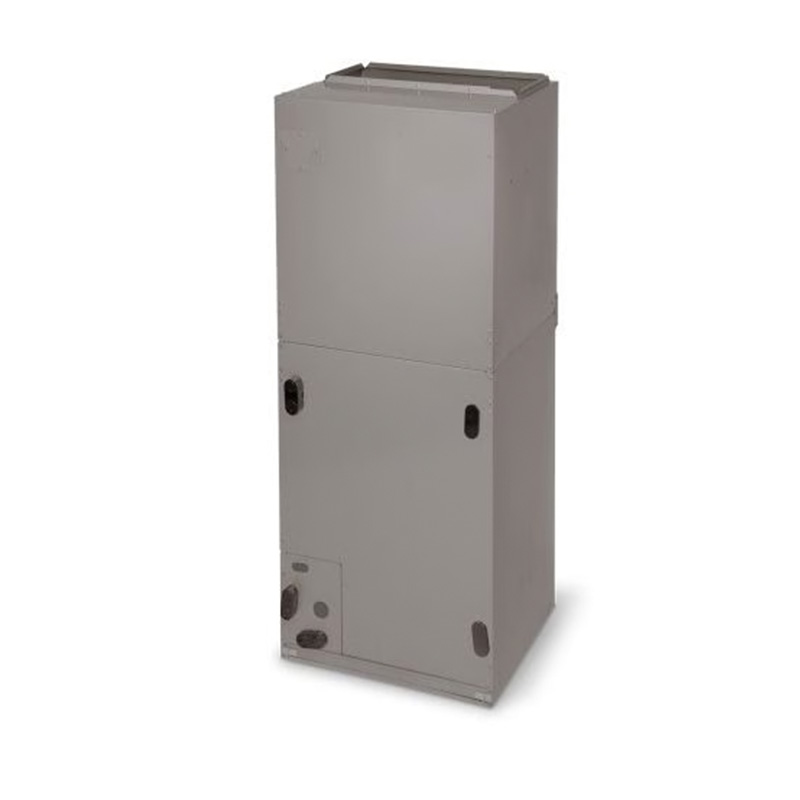
ACiQ 2.5 Ton AC With Electric Heat System | 15.5 SEER2 AC | 21" Wide Variable Speed Multi-Positional Modular Air Handler | R454B
View on AC Direct see your lowest price →Check current price on AC Direct →
Key features
- 15.5 SEER2 variable-speed inverter compressor for modulating capacity and quieter part-load operation
- 21-inch-wide air handler cabinet fits tighter mechanical spaces than standard 24-inch units
- Multi-positional modular design installs upflow, downflow, or horizontal without a separate casing
- R-454B refrigerant is EPA-compliant and future-ready, replacing legacy R-410A
- Integrated electric heat strips provide all-electric heating without a separate furnace
- 12-year parts warranty included at purchase price with no dealer markup
About this system
The ACiQ 2.5-ton AC with electric heat system pairs a 15.5 SEER2 inverter-driven condensing unit with a 21-inch-wide variable-speed multi-positional modular air handler, making it a compact, flexible choice for homes where cabinet width is constrained. The slim 21-inch profile fits tighter utility closets and mechanical rooms that would reject a standard 24-inch air handler, and the multi-positional design means the cabinet can be installed upflow, downflow, or horizontal without purchasing a separate casing. The refrigerant is R-454B, a lower-GWP next-generation blend that is now the industry standard for new residential equipment, so this system is already compliant with current EPA regulations rather than running on legacy R-410A stock.
The variable-speed compressor and air handler motor work together to modulate output rather than cycling on and off at full blast, which generally means steadier indoor temperatures, lower sound levels at partial load, and better dehumidification than a single-stage system at the same rated capacity. At 15.5 SEER2, efficiency sits just above the federal minimum for most northern climate zones and a meaningful step above minimum in the South and Southwest, though it stops well short of premium-tier 18-plus SEER2 systems. Electric heat strips in the air handler make this an all-electric solution where gas is unavailable or where a heat pump is not practical, though resistive electric heat is expensive to run in cold climates and is better suited to mild-winter regions or as a backup source.
The ACiQ 2.5-ton variable-speed system delivers genuinely competitive efficiency and a strong warranty at a price that undercuts name brands by a notable margin. The trade-off is an unconfirmed manufacturer lineage, thin long-term reliability data, and a service model that puts the burden of finding a qualified contractor squarely on the homeowner. For buyers who are comfortable doing that legwork, the value case is real.
Overall score is the average of the five ratings above.
What we like
- Variable-speed operation provides steadier temperatures and better humidity control than single-stage alternatives at this price
- 21-inch slim cabinet opens up installation locations that standard air handlers cannot fit
- R-454B refrigerant is already compliant with current and near-future regulations, avoiding an early equipment swap
- 12-year parts warranty is longer than the typical 10-year coverage from most name-brand competitors at this tier
- Direct-sale pricing consistently undercuts Carrier, Trane, and Lennox equivalents, reducing upfront cost significantly
Trade-offs
- Consumer Reports has not yet ranked ACiQ due to insufficient long-term field data, so reliability is not independently verified
- The actual manufacturer is undisclosed, making parts cross-referencing and service history harder for technicians unfamiliar with the brand
- No dealer network means the homeowner must source and vet their own installation contractor, which adds friction and risk
- Electric resistance heat is costly to operate in cold climates, limiting this configuration to mild winters or supplemental use
What homeowners and pros say about ACiQ
Early owner feedback on ACiQ equipment is broadly positive on the dimensions that matter most at installation time: quiet part-load operation from the variable-speed components, straightforward startup, and a support team that owners describe as responsive when questions arise. Because Consumer Reports has not yet ranked ACiQ due to insufficient long-term field data, there is no independent reliability score to point to, and the honest picture is that the brand simply has not been in the market long enough for multi-year failure patterns to surface in any systematic way. Forum-level discussion has raised the usual concerns common to direct-sale brands, including questions about capacitor longevity in high-cycling applications, the potential for evaporator coil leaks over time, and uncertainty about compressor lifespan relative to established names, but none of these have emerged as documented ACiQ-specific patterns distinct from the broader industry baseline.
The concern that comes up most consistently among HVAC professionals is not component quality but serviceability: because the manufacturer behind the ACiQ label is not disclosed, a technician who encounters an unfamiliar failure cannot easily cross-reference parts to a known OEM lineage or pull up brand-specific service history. Contractors who have worked on the equipment tend to report that it behaves like mainstream equipment from a major manufacturer, which is consistent with the unconfirmed forum theory about its origins, but that is still anecdotal. For homeowners, the practical implication is to identify a local contractor willing to work on the brand before purchasing rather than after, and to keep documentation from the 12-year parts warranty readily accessible since that coverage is the clearest long-term safety net this system offers.
Sources: Consumer Reports heat pump ratings, HVACDirect on the ACiQ brand, AHRI Directory of Certified Product Performance, U.S. DOE appliance and equipment efficiency standards.
What it costs to run
At 15.5 SEER2, cooling this 2.5-ton system for a typical 1200-hour cooling season at the U.S. average electricity rate of $0.17/kWh works out to roughly $395 per year in cooling, about $62 less per year than a minimum-efficiency 13.4 SEER2 unit of the same size. Your real cost depends on your climate and local rate.
Method: (30,000 BTU/hr ÷ 15.5 SEER2) × 1200 hours ÷ 1000 × $0.17/kWh. Rate source: U.S. EIA average; cooling hours: moderate-climate estimate.
How it compares
| Brand | Comparable model | SEER2 | Stage | Price position |
|---|---|---|---|---|
| ACiQ | 2.5 Ton AC With Electric Heat | 15.5 SEER2 Variable-Speed Multi-Positional | 15.5 | Variable | Value pick |
| Carrier | Comfort 24ACC636A003 with FB4C Air Handler | 15.2 | Single-stage | Priced moderately higher through dealer install |
| Trane | XR15 with TAM9 Air Handler | 15.0 | Single-stage | Priced moderately to substantially higher through dealer network |
| Lennox | Merit ML15XC1 with CBX32MV Air Handler | 15.5 | Variable | Priced substantially higher through dealer network |
Competitor rows are comparable single-stage units at similar efficiency; price is relative position, not a quote.
Questions about this system
Who actually manufactures this ACiQ system, and does it matter for service?
ACiQ is AC Direct's house brand and the underlying manufacturer has not been publicly disclosed, though forum discussion speculates a connection to the ICP or Carrier family. This matters in practice because a technician who cannot identify the OEM source may have more difficulty cross-referencing parts or service bulletins, so it is worth asking your contractor whether they have worked on ACiQ equipment before.
Is 15.5 SEER2 enough efficiency, or should I pay more for a higher-rated unit?
15.5 SEER2 clears the federal minimum in every U.S. climate region and will qualify for utility rebates in many areas, but it sits noticeably below premium inverter systems in the 18-20 SEER2 range. If your cooling season is long and electricity rates are high, the additional efficiency of a higher-tier unit may recover its price premium over several years; in moderate climates with shorter summers, the payback period is much longer and the 15.5 SEER2 unit is likely the better financial choice.
What does variable speed actually mean day to day compared to a standard single-stage unit?
A variable-speed system ramps compressor and blower speed up and down to match actual demand rather than running at full output until the thermostat is satisfied. In practical terms this means fewer abrupt on-off cycles, lower sound levels during most of the cooling season, and meaningfully better moisture removal from indoor air on humid days.
The air handler has electric heat strips. How much will that cost to run in winter?
Resistive electric heat converts electricity to heat at roughly 100 percent efficiency, but electricity is far more expensive per BTU than natural gas or a heat pump in most markets. This configuration works reasonably well as a primary heat source in climates where winter temperatures stay mild, or as emergency or supplemental heat in a heat pump system; using it as the sole heat source through a cold northern winter will likely produce noticeably higher utility bills than a heat pump or gas alternative.
How do I get this system serviced if there is no local ACiQ dealer?
Any licensed HVAC contractor can work on this equipment since it uses standard refrigerant and common components, but because ACiQ is sold direct rather than through a dealer network there is no factory-authorized service channel to call. You will need to find and vet a local independent contractor yourself, and it is worth confirming in advance that they are familiar with the brand or comfortable working without OEM-specific support documentation.
Specifications
| Cooling capacity | 2.5 Ton |
| Efficiency | 15.5 SEER2 |
| Refrigerant | R-454B |