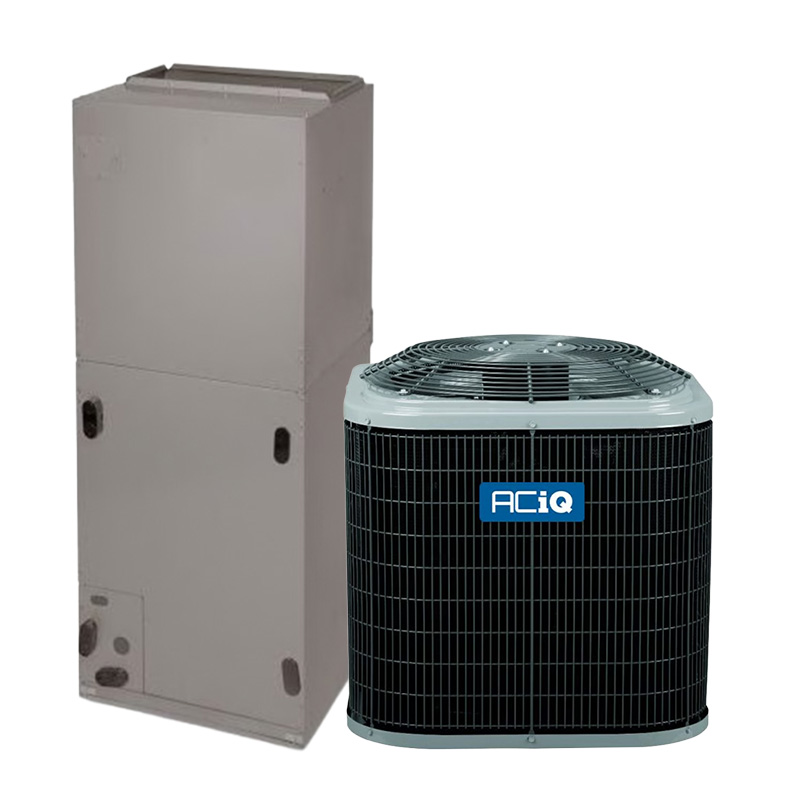
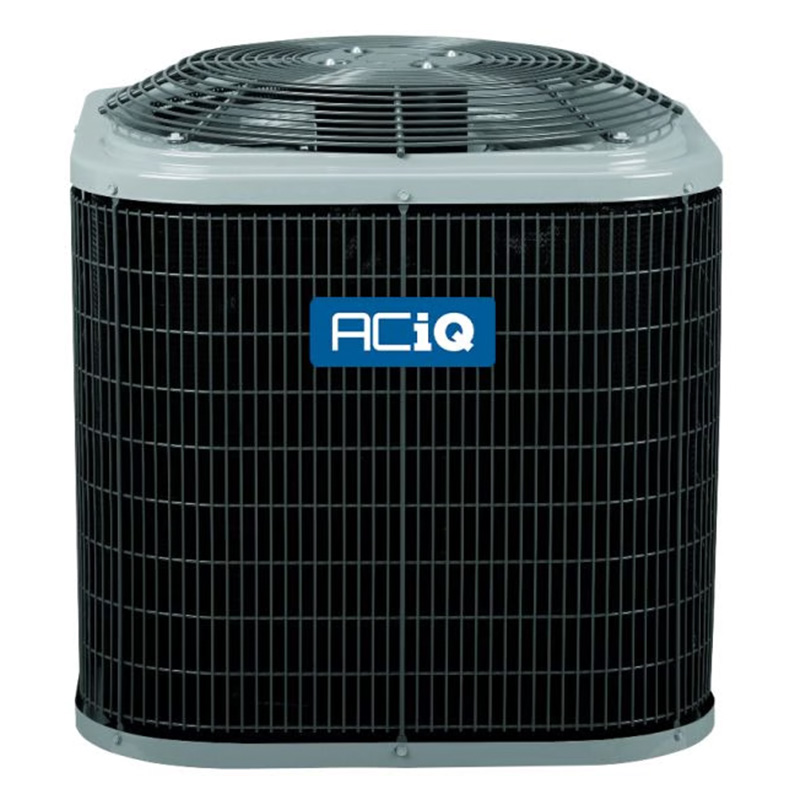
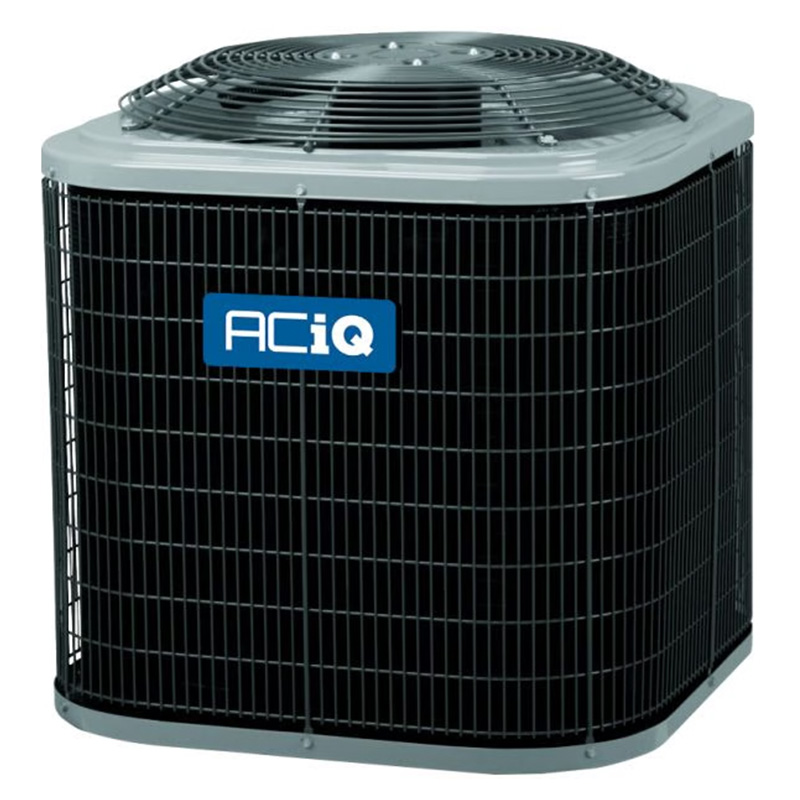
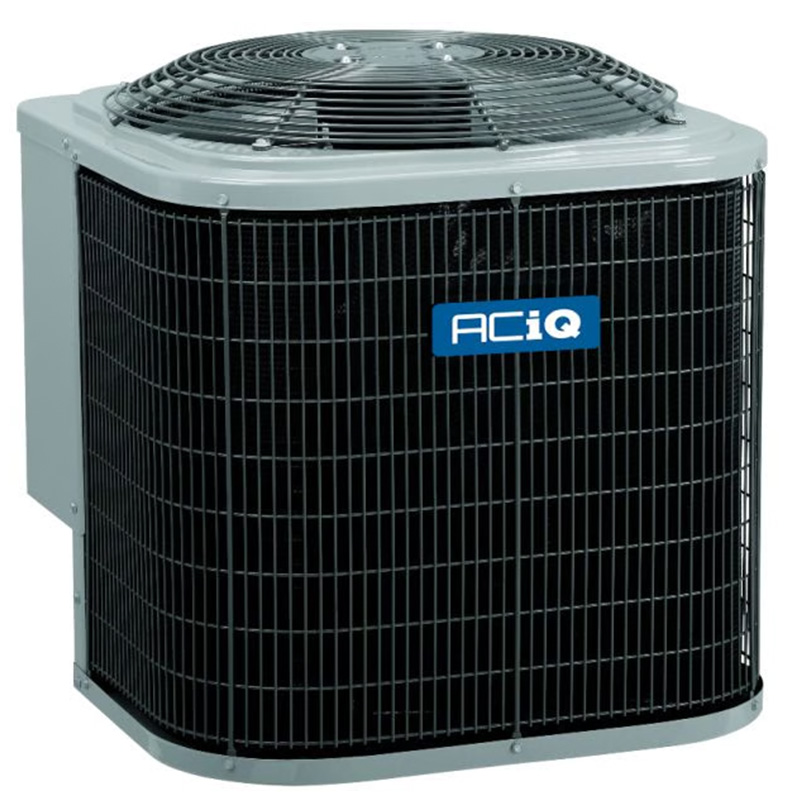
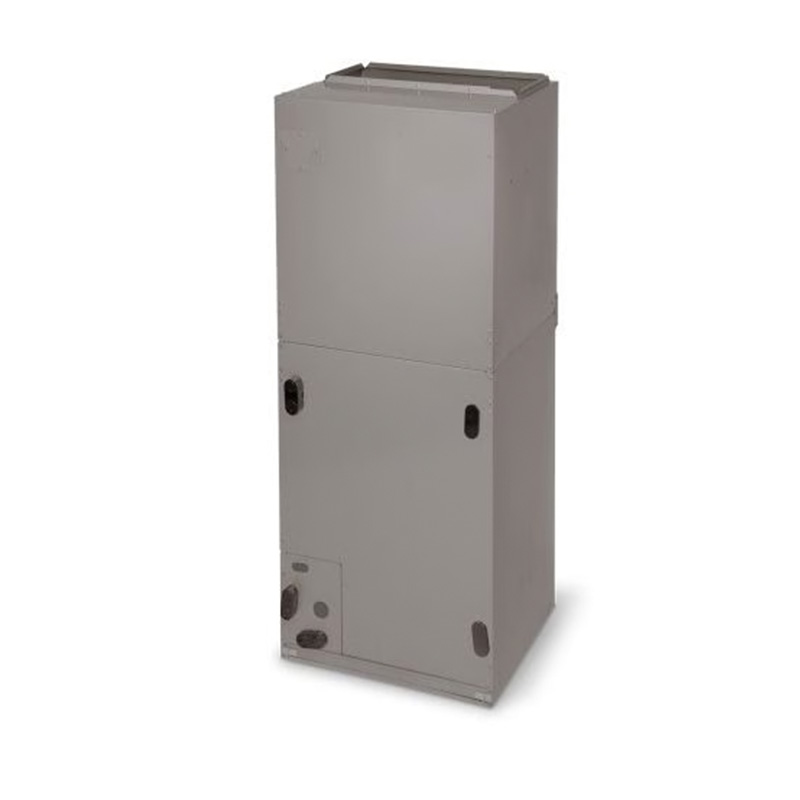
ACiQ 2.5 Ton Cooling Only Air Conditioning System | 15.5 SEER2 AC | 21" Wide Variable Speed Multi-Positional Modular Air Handler | R454B
View on AC Direct see your lowest price →Check current price on AC Direct →
Key features
- 15.5 SEER2 efficiency rating, above the federal minimum for most U.S. climate zones
- Variable-speed ECM air handler for quieter operation and better humidity control
- 21-inch-wide cabinet fits tight utility closets and manufactured-home applications
- R-454B refrigerant, compliant with current EPA low-GWP requirements
- Multi-positional air handler installs in upflow, downflow, or horizontal orientations
- 12-year parts warranty included, no dealer markup required to activate
About this system
The ACiQ 2.5-ton cooling-only split system pairs a 15.5 SEER2 condenser with a 21-inch-wide variable-speed multi-positional modular air handler, making it a practical fit for homes between roughly 1,200 and 1,600 square feet that need air conditioning without any heating component from the air handler. The 21-inch cabinet width is notably slimmer than the standard 24-inch profile, which matters in tight utility closets, narrow alcoves, and manufactured-home installations where a standard handler simply will not fit. R-454B refrigerant is the modern low-global-warming-potential replacement for R-410A, so this system is compliant with current EPA rules and will not face the supply or service complications that older refrigerants increasingly carry.
The variable-speed air handler is the standout spec here. Rather than running at full blast until the thermostat is satisfied and then shutting off, the blower modulates continuously, which reduces humidity swings, cuts temperature overshoot, and lowers operating noise compared with a single-speed unit. At 15.5 SEER2 the system clears the federal minimum by a meaningful margin in most climate zones but sits below the premium inverter-driven systems that reach 18 SEER2 and above, so it is an efficiency sweet spot for buyers who want real savings over a base-model unit without paying top-tier prices. Because this is a cooling-only configuration, buyers in mixed climates will need a separate heating source such as a gas furnace, heat pump, or electric strip kit.
The ACiQ 2.5-ton 15.5 SEER2 cooling-only system delivers solid mid-tier efficiency, a genuinely useful slim-cabinet form factor, and variable-speed comfort at a price that undercuts most name brands by a noticeable margin. The trade-off is an unverified long-term reliability record and the added complexity of sourcing service through independent contractors rather than a branded dealer network. For budget-conscious buyers who do their homework on local installer availability, it represents real value; for buyers who prioritize a deep service network or verified long-term data, a name-brand option is the safer bet.
Overall score is the average of the five ratings above.
What we like
- Price undercuts Carrier, Trane, and Lennox equivalents without sacrificing variable-speed technology
- 21-inch slim cabinet opens up installation options unavailable with standard-width handlers
- Variable-speed ECM blower reduces humidity, noise, and temperature swings versus single-speed units
- R-454B refrigerant ensures long-term parts and refrigerant availability under current regulations
- 12-year parts warranty ships with the unit and requires no dealer activation fee
Trade-offs
- No long-term independent reliability data exists; Consumer Reports has not yet ranked the brand
- Undisclosed manufacturer makes cross-referencing parts, service bulletins, and failure history harder
- Sold direct, so service depends entirely on finding a willing independent HVAC contractor in your area
- Cooling-only configuration means a separate heating system is required, adding total installed cost and complexity
What homeowners and pros say about ACiQ
Early owner feedback on ACiQ equipment clusters around three consistent themes: quieter operation than the single-speed systems these units replace, responsive customer support from AC Direct, and satisfaction with the price-to-feature ratio. Consumer Reports has not yet assigned ACiQ a reliability score because the brand is too new to have generated the long-term failure data that index requires, so those encouraging early reviews have not yet been stress-tested by years of service cycles. HVAC forum commentary, while informal, raises legitimate caution about the undisclosed manufacturer: without knowing whether the compressor, coil, and controls share a lineage with a known brand, technicians cannot easily cross-reference service bulletins, known failure patterns, or OEM part numbers when something goes wrong.
On the contractor side, the direct-sale model is the most frequently cited friction point among independent HVAC professionals. Technicians who did not supply the equipment are sometimes hesitant to take on warranty-adjacent labor, and because ACiQ has no factory-authorized service network, a homeowner whose system develops a problem must locate a willing independent contractor on their own. The specific failure modes that warrant attention with any newer-brand inverter system in this class include capacitor degradation in high-cycling applications, refrigerant coil leak potential over multi-year use, and long-term compressor durability under variable-load operation, none of which have been documented in ACiQ units specifically but represent the standard watch list for any system without a published long-term reliability record. Buyers who secure a relationship with a local contractor before purchasing and confirm parts availability in their region tend to report the smoothest ownership experience.
Sources: Consumer Reports heat pump ratings, HVACDirect on the ACiQ brand, AHRI Directory of Certified Product Performance, U.S. DOE appliance and equipment efficiency standards.
What it costs to run
At 15.5 SEER2, cooling this 2.5-ton system for a typical 1200-hour cooling season at the U.S. average electricity rate of $0.17/kWh works out to roughly $395 per year in cooling, about $62 less per year than a minimum-efficiency 13.4 SEER2 unit of the same size. Your real cost depends on your climate and local rate.
Method: (30,000 BTU/hr ÷ 15.5 SEER2) × 1200 hours ÷ 1000 × $0.17/kWh. Rate source: U.S. EIA average; cooling hours: moderate-climate estimate.
How it compares
| Brand | Comparable model | SEER2 | Stage | Price position |
|---|---|---|---|---|
| ACiQ | 2.5-Ton 15.5 SEER2 Cooling-Only with Variable-Speed Air Handler | 15.5 | Variable | Value pick |
| Carrier | Comfort 24ACC636 with Fan Coil | 15.2 | Single-stage | Moderately higher, with dealer installation typically bundled |
| Trane | XR15 with Air Handler | 15.0 | Single-stage | Moderately to significantly higher depending on dealer and region |
| Lennox | Merit ML15XC1 with Air Handler | 15.0 | Single-stage | Moderately higher, with strong dealer network adding to total installed cost |
Competitor rows are comparable single-stage units at similar efficiency; price is relative position, not a quote.
Questions about this system
Will any licensed HVAC contractor be able to service this system, or do I need a special ACiQ dealer?
ACiQ sells direct and has no exclusive dealer network, so any licensed HVAC contractor can legally work on the equipment. The practical issue is that some contractors are unfamiliar with the brand and may be reluctant to service it, and because the actual manufacturer is not publicly disclosed, cross-referencing OEM parts requires extra legwork. It is worth confirming with your local contractor before purchasing.
Why is the air handler only 21 inches wide, and does that limit airflow for a 2.5-ton system?
The 21-inch width is a design choice aimed at manufactured homes, narrow closets, and retrofit applications where a standard 24-inch cabinet will not fit. ACiQ rates the air handler as capable of moving the airflow required for 2.5-ton operation, but you should verify that your ductwork and static pressure are within the unit's published specifications, since a slim cabinet can be more sensitive to high-static duct systems.
Is R-454B refrigerant more expensive or harder to find than R-410A right now?
R-454B is newer and currently less stocked than R-410A at some supply houses, which can make emergency service calls slightly more complicated today. That said, because R-410A production is being phased down under EPA rules, R-454B availability is expected to grow while R-410A becomes the harder refrigerant to source over the medium term, so buying into R-454B now is the forward-looking choice.
Does the 12-year warranty require professional installation or registration to activate?
ACiQ's 12-year parts warranty is advertised as included without dealer markup, but standard HVAC warranty terms typically require professional installation and may require registration within a set window after installation. Review the warranty card that ships with the unit and complete any registration steps promptly to avoid being defaulted to the shorter base coverage period.
How does 15.5 SEER2 compare to the older SEER rating system, and is it actually efficient?
SEER2 uses a higher external static pressure in its test methodology, so SEER2 numbers run roughly 5 to 7 percent lower than the older SEER numbers for equivalent equipment. A 15.5 SEER2 unit is roughly comparable to a 16 to 16.5 SEER unit under the old scale, which is a genuine step above the federal minimum and will produce real utility savings versus a base-tier system, though it falls short of premium variable-speed systems rated at 18 SEER2 and above.
Specifications
| Cooling capacity | 2.5 Ton |
| Efficiency | 15.5 SEER2 |
| Refrigerant | R-454B |