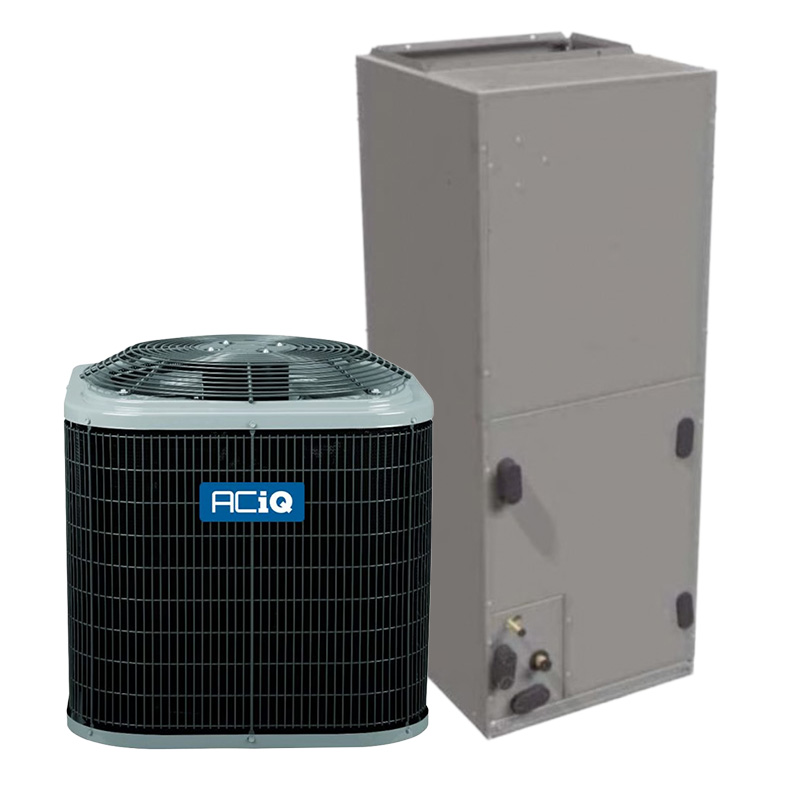
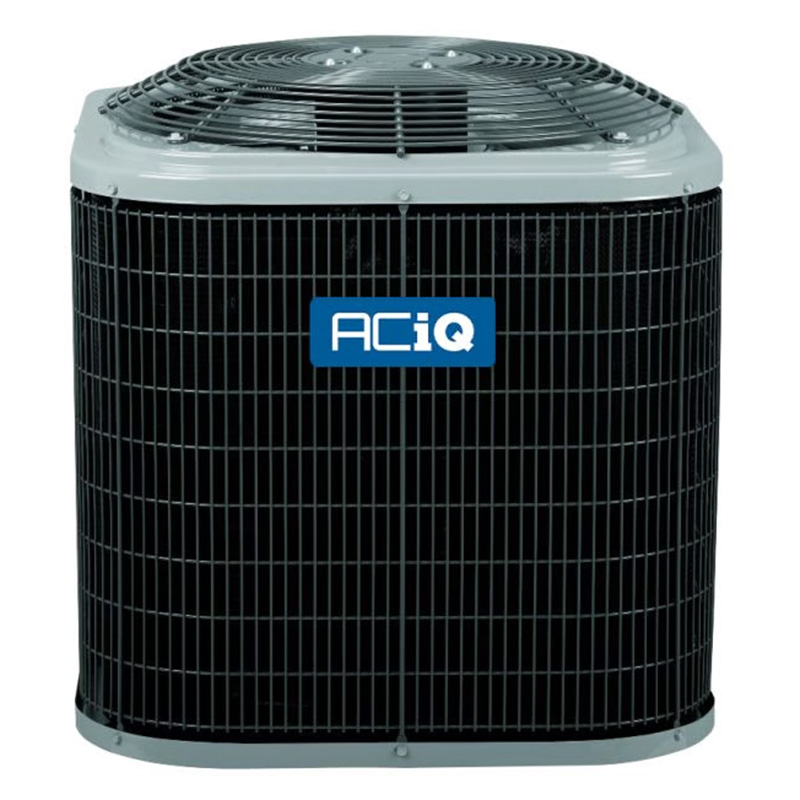
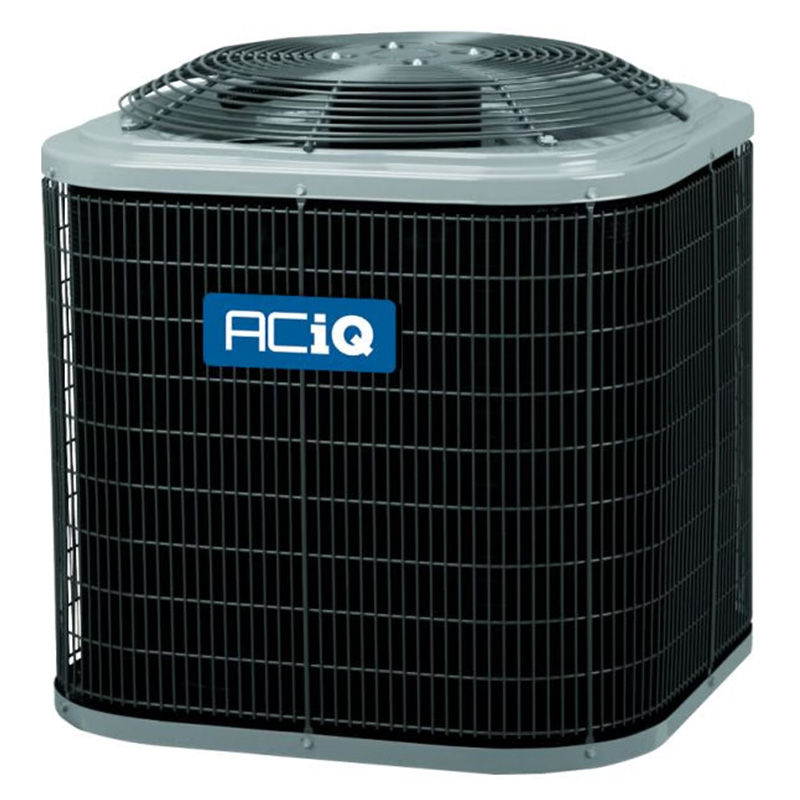
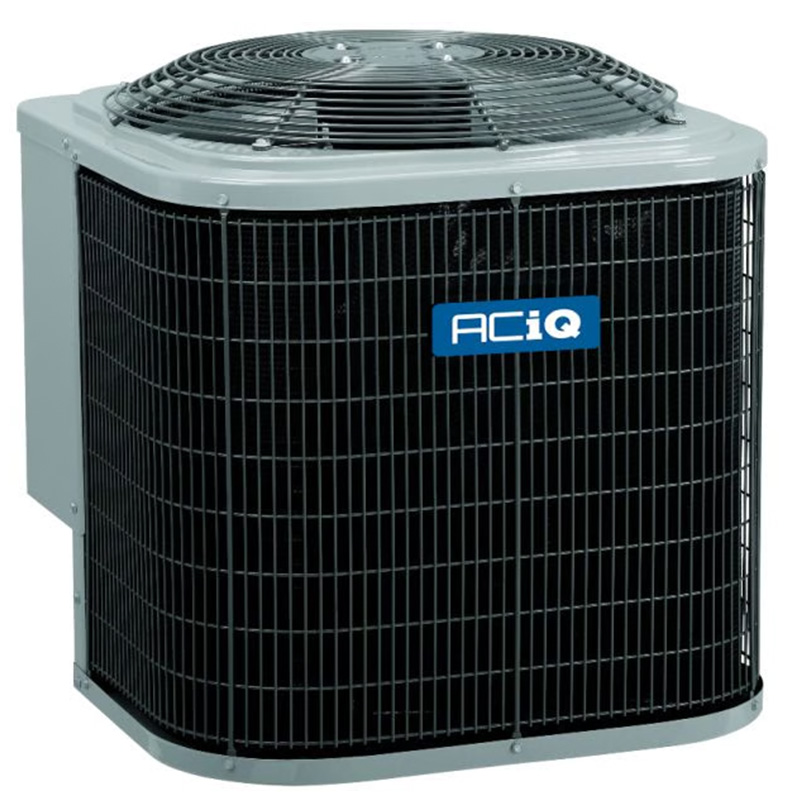
ACiQ 2.5 Ton Cooling Only Air Conditioning System | 15 SEER2 AC | 17.5" Wide Multi-Positional Air Handler | R454B
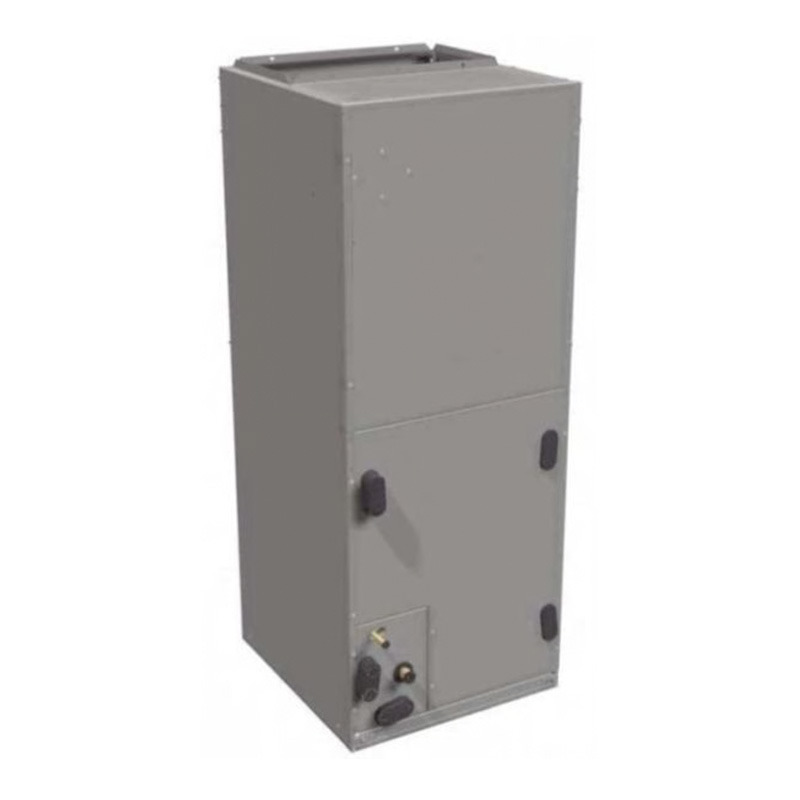
View on AC Direct see your lowest price →Check current price on AC Direct →
Key features
- 15 SEER2 efficiency rating, meeting current federal minimum standards for most U.S. climate regions
- 17.5-inch wide multi-positional air handler fits upflow, downflow, and horizontal installations
- R-454B refrigerant: a lower-GWP refrigerant compatible with current and near-future regulations
- Cooling-only configuration suited for climates where heating is handled separately or not needed
- Ships direct with a 12-year parts warranty, no dealer markup affecting coverage
- 2.5-ton capacity targets homes roughly 1,200 to 1,600 square feet depending on local load conditions
About this system
The ACiQ 2.5-ton cooling-only split system pairs a 15 SEER2 condensing unit with a 17.5-inch wide multi-positional air handler, making it a compact but capable choice for homes in the 1,200-to-1,600-square-foot range that need straight cooling without a gas furnace. The 17.5-inch cabinet width is a practical selling point: it fits into tight utility closets and narrow alcoves where a standard 21-inch air handler simply will not go, and the multi-positional design means it can be configured for upflow, downflow, or horizontal installation to match whatever your mechanical room demands.
Running on R-454B refrigerant, this system is positioned ahead of the industry’s ongoing phase-out of older refrigerants, so you are not buying equipment that will become harder or more expensive to service in the near future. At 15 SEER2, efficiency sits at the entry point of what most northern and central climate zones require by current federal minimums, and comfortably above the floor in southern regions, though it will not deliver the operating-cost savings of a 17-plus SEER2 variable-speed system. This is a single-speed or standard-stage cooling system built for buyers who want reliable, code-compliant cooling at a straightforward price rather than the most aggressive efficiency numbers on the market.
The ACiQ 2.5-ton 15 SEER2 system is a reasonable budget-conscious choice for homeowners who need a reliable, code-compliant cooling-only solution and can live without premium efficiency or a nationally recognized brand name behind it. The compact air handler and direct-ship warranty are genuine advantages, but the undisclosed manufacturer and thin long-term reliability record mean you are accepting more uncertainty than you would with an established name brand. It earns its place as a value pick, not a performance leader.
Overall score is the average of the five ratings above.
What we like
- Street price undercuts comparable Carrier, Trane, and Lennox systems by a meaningful margin
- 12-year parts warranty ships standard with no dealer markup inflating the coverage cost
- 17.5-inch air handler cabinet opens installation options in tight or non-standard mechanical spaces
- R-454B refrigerant positions the system for long-term serviceability as older refrigerants are phased out
- Early owner feedback consistently cites quiet operation and responsive customer support from ACiQ
Trade-offs
- 15 SEER2 is the efficiency floor, not a strength; variable-speed competitors at similar price points can reach 17-plus SEER2
- The actual manufacturer is not disclosed, which complicates parts sourcing and cross-referencing service history if a contractor is unfamiliar with the brand
- No independent long-term reliability data exists yet; Consumer Reports has not ranked ACiQ due to insufficient history
- Service depends on independent contractors rather than a factory-authorized dealer network, so technician familiarity with the equipment varies by market
What homeowners and pros say about ACiQ
Homeowners who have installed ACiQ systems in the past two years tend to highlight two things consistently: the equipment runs quieter than the older units it replaced, and when they have needed help, ACiQ’s direct support line has been responsive. Those impressions are encouraging, but they come from early adopters rather than from a long track record, and Consumer Reports has not yet collected enough data on the brand to assign a reliability score. That absence of an independent rating is not a knock against the equipment itself, but it is a real information gap that buyers should weigh honestly. The undisclosed manufacturing origin also surfaces as a recurring concern in HVAC contractor forums, where technicians note that not being able to confirm the OEM parent makes cross-referencing parts and bulletins harder than it would be with a Carrier or Trane unit where the supply chain is well mapped.
On the installer side, the most commonly raised practical issue with ACiQ broadly is the service model: because the brand sells direct, there is no factory-authorized dealer to coordinate warranty labor, which means a homeowner has to manage the relationship between ACiQ’s parts warranty and an independent contractor’s labor charge themselves. For this specific cooling-only system, contractors also point out that the compact 17.5-inch air handler, while genuinely useful in tight spaces, requires careful attention to static pressure and airflow calculations since smaller cabinets can be less forgiving of duct systems that are not well sized. No widespread documented failure patterns specific to this model have emerged yet given the brand’s age, but the broader cautions around capacitor wear, coil integrity, and long-term compressor performance that apply to any system in this efficiency tier remain worth discussing with your installer before signing off on the job.
Sources: Consumer Reports heat pump ratings, HVACDirect on the ACiQ brand, AHRI Directory of Certified Product Performance, U.S. DOE appliance and equipment efficiency standards.
What it costs to run
At 15 SEER2, cooling this 2.5-ton system for a typical 1200-hour cooling season at the U.S. average electricity rate of $0.17/kWh works out to roughly $408 per year in cooling, about $49 less per year than a minimum-efficiency 13.4 SEER2 unit of the same size. Your real cost depends on your climate and local rate.
Method: (30,000 BTU/hr ÷ 15 SEER2) × 1200 hours ÷ 1000 × $0.17/kWh. Rate source: U.S. EIA average; cooling hours: moderate-climate estimate.
How it compares
| Brand | Comparable model | SEER2 | Stage | Price position |
|---|---|---|---|---|
| ACiQ | 2.5-Ton 15 SEER2 Cooling-Only with 17.5" Multi-Positional Air Handler | 15 | Single-stage | Value pick |
| Carrier | Comfort 24ACC6 with FV4C Air Handler | 15-16 | Single-stage | Moderately higher through dealer network |
| Trane | XR15 with TAM7 Air Handler | 15-16 | Single-stage | Moderately higher through dealer network |
| Lennox | Merit ML14XC1 with CBX25UH Air Handler | 15 | Single-stage | Comparable to slightly higher through dealer network |
Competitor rows are comparable single-stage units at similar efficiency; price is relative position, not a quote.
Questions about this system
Can this air handler actually be installed horizontally, and does it work in a crawlspace or attic application?
Yes, the multi-positional cabinet supports horizontal orientation in addition to upflow and downflow, making attic and crawlspace installs viable. Your contractor will need to confirm the drain pan orientation and condensate routing are correct for the chosen position, since improper setup is a common source of moisture problems in non-upflow installs.
Who actually makes ACiQ equipment, and does it matter for parts availability?
ACiQ is AC Direct's house brand and the manufacturer is not publicly disclosed, though forum discussion frequently points toward the ICP and Carrier family without confirmation. It matters in a practical sense because a technician who cannot cross-reference the OEM brand may have a harder time sourcing parts quickly or drawing on service history from related equipment, so asking your service contractor upfront whether they are familiar with ACiQ is worth doing.
Is 15 SEER2 going to cost me significantly more to operate than a higher-efficiency system?
Compared to a 17 SEER2 system, a 15 SEER2 unit uses roughly 12 percent more electricity for the same cooling output, which translates to a real but modest difference on monthly bills depending on your run hours and local electricity rates. In a mild climate with limited cooling demand the payback on a higher-efficiency system can stretch to a decade or more, so 15 SEER2 is a reasonable choice if the upfront savings are significant.
What refrigerant does this system use and will it be easy to service in five or ten years?
The system uses R-454B, a lower-global-warming-potential refrigerant that is part of the industry transition away from R-410A. Technicians will need proper recovery equipment rated for A2L mildly flammable refrigerants, which is increasingly standard, and R-454B is widely available from major refrigerant suppliers, so serviceability should not be a concern on the horizon.
How does the 12-year warranty work if ACiQ is sold direct and there is no local dealer?
ACiQ handles warranty claims directly, and coverage applies to parts for 12 years when registered after installation. Because there is no dealer network, labor costs for warranty repairs fall to you and your independent contractor rather than being managed through a dealer relationship, so factoring in potential labor expenses is important when comparing the true cost of ownership against a dealer-sold brand with more inclusive service agreements.
Specifications
| Cooling capacity | 2.5 Ton |
| Efficiency | 15 SEER2 |
| Refrigerant | R-454B |