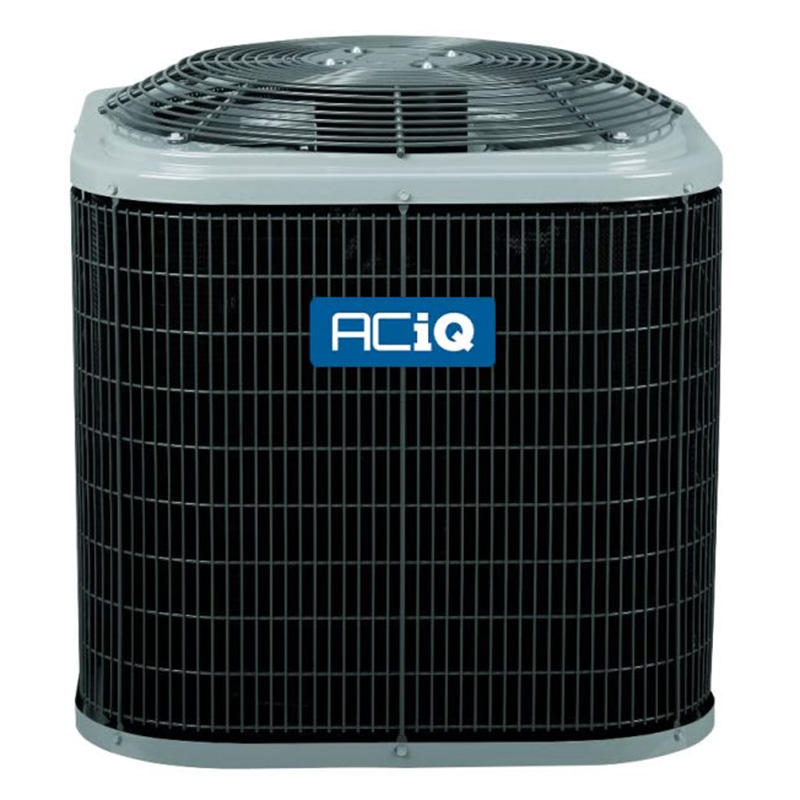
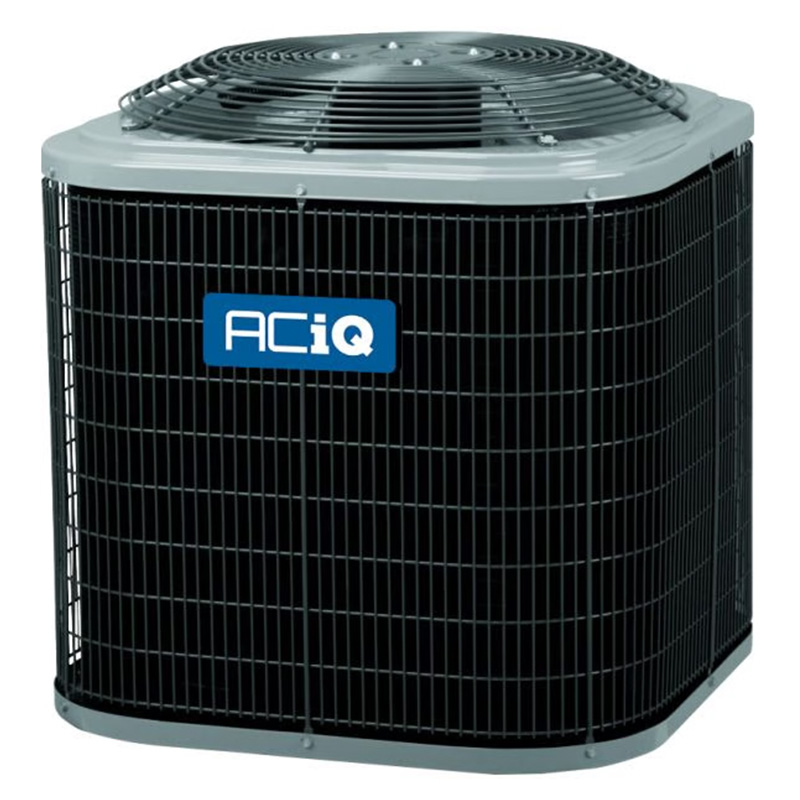
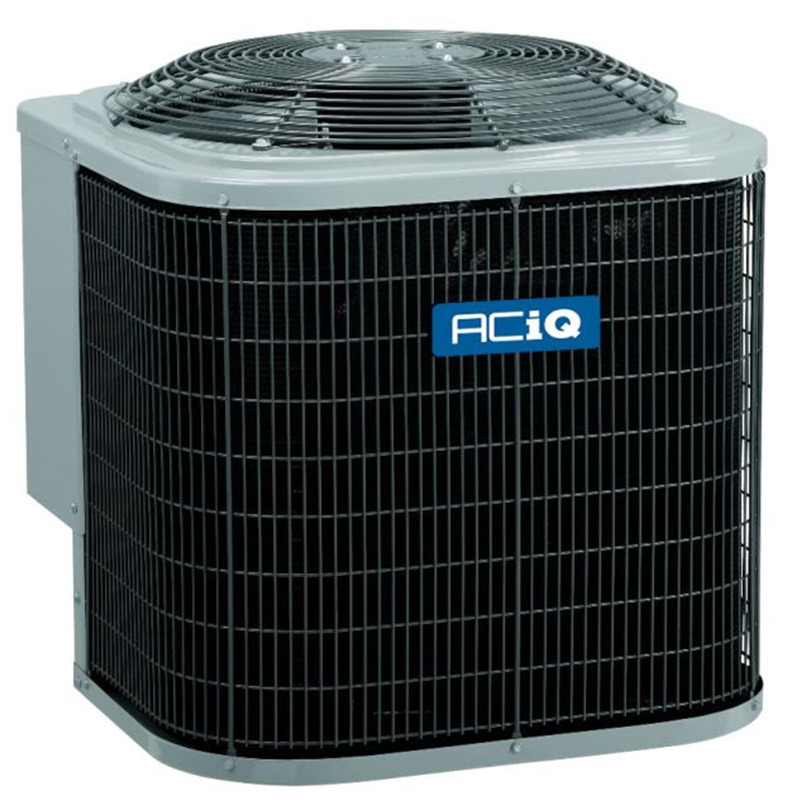
ACiQ 2.5 Ton Heat Pump Air Conditioning Condenser | 14.3 SEER2 | R454B (R5H5S30AKAAA)
View on AC Direct see your lowest price →Check current price on AC Direct →
Key features
- 2.5-ton capacity heat pump condenser for split-system installations
- 14.3 SEER2 efficiency rating, meeting 2023+ federal minimum standards
- R-454B refrigerant, a low-GWP next-generation replacement for R-410A
- 12-year parts warranty shipped directly without dealer markup
- Sold direct-to-consumer through AC Direct, bypassing traditional distributor channels
- Compatible with standard air handlers and coil-equipped furnaces in ducted split systems
About this system
The ACiQ R5H5S30AKAAA is a 2.5-ton heat pump condenser rated at 14.3 SEER2, designed to pair with a compatible air handler or furnace coil in a split-system setup. It runs on R-454B, the low-global-warming-potential refrigerant that satisfies EPA regulations phasing out R-410A, so this unit is ready for the regulatory environment that will define HVAC installations through the late 2020s and beyond. At 2.5 tons, it is sized for roughly 1,200 to 1,600 square feet of well-insulated living space, though a proper Manual J load calculation is the only reliable way to confirm the right tonnage for your home.
ACiQ is the house brand sold by AC Direct, and the equipment is manufactured by one of the largest HVAC producers in the world. The actual manufacturer is not publicly disclosed, which is an honest trade-off buyers should understand up front. The appeal is straightforward: you get a heat pump with a current-generation refrigerant, a respectable baseline efficiency rating, and a 12-year warranty, all at a price that undercuts most dealer-sold name brands because there is no dealer markup layered in. This unit suits price-conscious homeowners who are comfortable sourcing their own contractor for installation and who want a future-proof refrigerant platform without paying Carrier or Lennox retail pricing.
The ACiQ 2.5-ton heat pump at 14.3 SEER2 is a competent entry-level heat pump for homeowners who want modern refrigerant compliance and a long warranty at a below-market price, and who are willing to accept that the brand is newer and long-term reliability data is still thin. It is not the most efficient system you can buy at this tonnage, and the undisclosed manufacturer makes parts sourcing a less straightforward experience than with a name brand. For buyers who do their homework on installation and are comfortable with some uncertainty, the value proposition is real.
Overall score is the average of the five ratings above.
What we like
- Price undercuts comparably specified systems from Carrier, Trane, and Lennox by a meaningful margin because there is no dealer markup
- R-454B refrigerant is future-proof, avoiding the regulatory headaches and supply cost increases tied to R-410A
- 12-year parts warranty is longer than the standard 10-year coverage offered by many competitors at this price tier
- Early owner reports consistently note quiet operation and responsive customer support from AC Direct
- 14.3 SEER2 meets current federal minimums and is adequate for moderate climates without paying a premium for higher-efficiency tiers
Trade-offs
- The undisclosed manufacturer makes it harder for technicians to cross-reference service history, parts compatibility, and known failure patterns compared to a named brand
- Consumer Reports has not yet assigned a reliability score due to insufficient long-term field data, so buyers are accepting more uncertainty than with an established brand
- 14.3 SEER2 is the minimum compliant efficiency tier, meaning operating costs will be higher over the system's life than a 17+ SEER2 variable-speed alternative
- Service depends entirely on independent contractors, since there is no factory dealer network, which can complicate warranty claims if a contractor is unfamiliar with the brand
What homeowners and pros say about ACiQ
Early owners of ACiQ equipment tend to highlight two things: the units run noticeably quietly after installation, and AC Direct’s customer support team has been accessible when questions come up. Because the brand is relatively new to the market, Consumer Reports has not yet collected enough long-term field data to assign it a reliability score, which is an honest gap in the available evidence rather than a red flag. What is documented is that the undisclosed manufacturer origin creates a real friction point for service technicians who cannot easily cross-reference the equipment against known parts databases or manufacturer service bulletins, and that warranty work is coordinated direct rather than through a dealer, which puts more coordination burden on the homeowner.
On the installer side, the conversation about ACiQ units tends to split between contractors who appreciate the straightforward direct-purchase model and those who prefer working with brands where they have an established distributor relationship for parts. The A2L refrigerant R-454B adds a handling consideration that any properly equipped shop can manage, but it is worth confirming your contractor has updated recovery equipment before the job starts. The specific failure modes worth watching for in this product category broadly include capacitor degradation, refrigerant coil integrity over time, and long-term compressor performance, though ACiQ-specific longitudinal data on these points is still accumulating given the brand’s relatively short track record in the field.
Sources: Consumer Reports heat pump ratings, HVACDirect on the ACiQ brand, AHRI Directory of Certified Product Performance, U.S. DOE appliance and equipment efficiency standards.
What it costs to run
At 14.3 SEER2, cooling this 2.5-ton system for a typical 1200-hour cooling season at the U.S. average electricity rate of $0.17/kWh works out to roughly $428 per year in cooling, about $29 less per year than a minimum-efficiency 13.4 SEER2 unit of the same size. Your real cost depends on your climate and local rate.
Method: (30,000 BTU/hr ÷ 14.3 SEER2) × 1200 hours ÷ 1000 × $0.17/kWh. Rate source: U.S. EIA average; cooling hours: moderate-climate estimate.
How it compares
| Brand | Comparable model | SEER2 | Stage | Price position |
|---|---|---|---|---|
| ACiQ | R5H5S30AKAAA | 14.3 | Single-stage | Value pick |
| Carrier | Performance 14 (25HCE6) | 14.3 | Single-stage | Moderately higher through authorized dealers |
| Trane | XR14c | 14.3 | Single-stage | Moderately higher through authorized dealers |
| Lennox | Merit ML14XP1 | 14.3 | Single-stage | Moderately to significantly higher through authorized dealers |
Competitor rows are comparable single-stage units at similar efficiency; price is relative position, not a quote.
Questions about this system
Who actually manufactures this unit, and does it matter for parts and service?
ACiQ is AC Direct's house brand and the underlying manufacturer is not publicly disclosed. Forum speculation points toward the ICP and Carrier family but this is unconfirmed. It does matter practically: a technician who cannot identify the OEM origin may have a harder time sourcing compatible parts quickly or cross-referencing known service bulletins, so it is worth discussing with your installer before purchase.
Will a standard HVAC contractor be able to work on R-454B refrigerant?
R-454B requires EPA Section 608 certification, which all licensed HVAC technicians already hold, but it is a mildly flammable (A2L) refrigerant that also requires specific recovery equipment and handling procedures. Confirm your installer has the correct recovery machine for A2L refrigerants before scheduling, as not every shop has updated their equipment yet.
How does the 12-year warranty work if the unit is bought direct and not through a dealer?
ACiQ ships the 12-year parts warranty with the unit and it does not depend on dealer registration. However, warranty labor is not included, so the cost of a technician's time for a warranty repair falls on the homeowner. You will also coordinate any warranty parts claim directly through AC Direct rather than through a local dealer, which works well when support is responsive but adds a step compared to a dealer-backed system.
Is 14.3 SEER2 sufficient, or should I pay more for a higher-efficiency model?
14.3 SEER2 meets the 2023 federal minimum for most of the U.S. and is a reasonable choice in mild climates or for homeowners with lower annual runtime. If your system runs heavily through hot summers or cold winters, the operating cost savings from a 17 or 18 SEER2 variable-speed unit can offset a higher purchase price over several years. A quick energy cost estimate from your utility or installer can tell you whether the upgrade pencils out for your location.
What air handler or coil does this condenser need to be paired with?
This condenser requires a compatible R-454B-rated air handler or uncased coil matched to the 2.5-ton capacity. Not all older air handlers are rated for R-454B, and an improper match can void the warranty and reduce efficiency. ACiQ sells matched air handlers through AC Direct, and pairing within the ACiQ lineup is the most straightforward way to ensure compatibility and maintain the full 12-year coverage.
Specifications
| Cooling capacity | 2.5 Ton |
| Efficiency | 14.3 SEER2 |
| Refrigerant | R-454B |