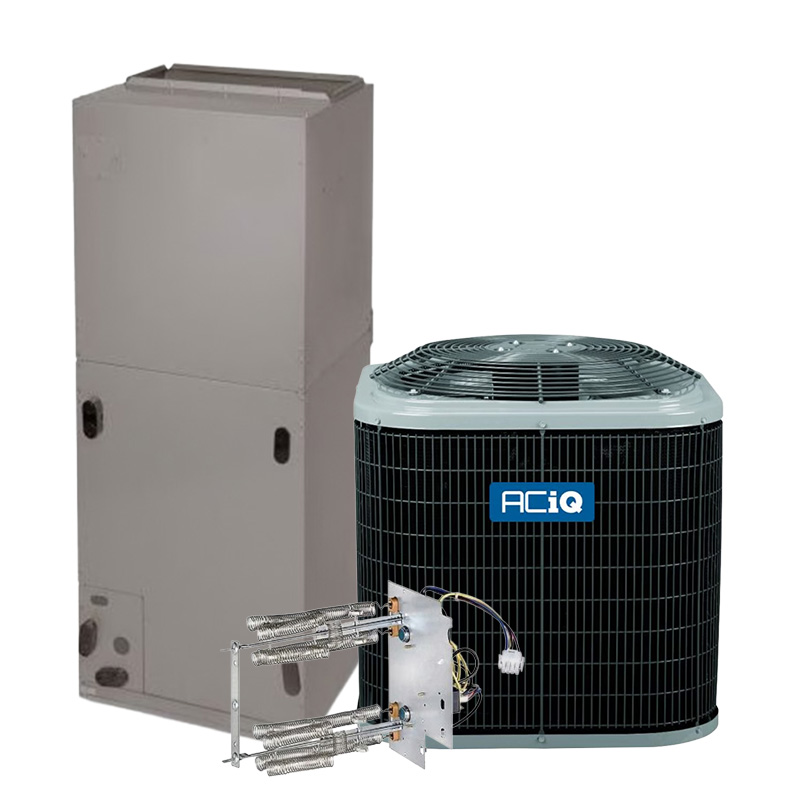
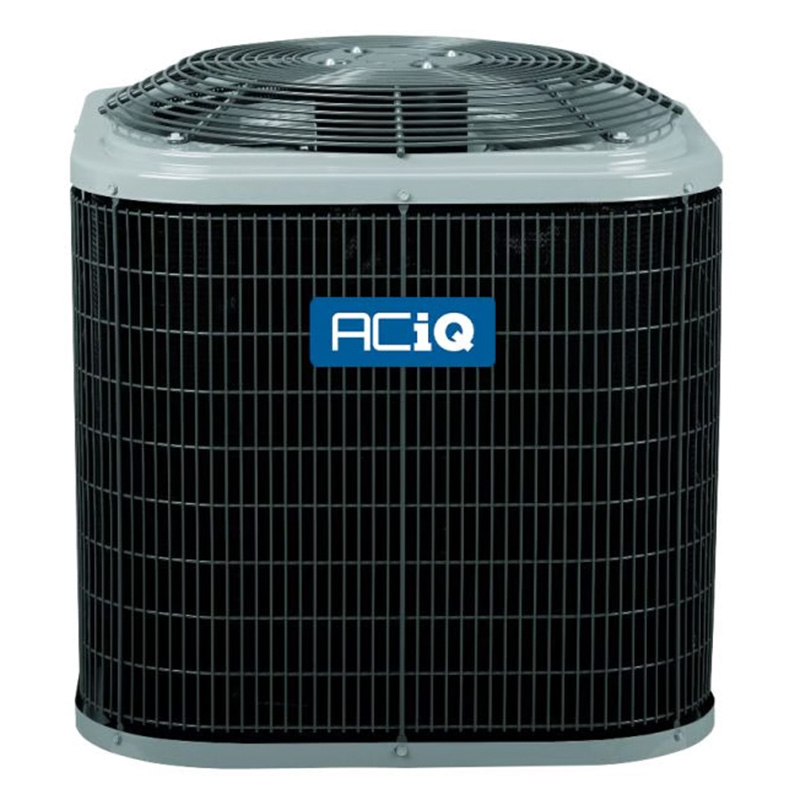
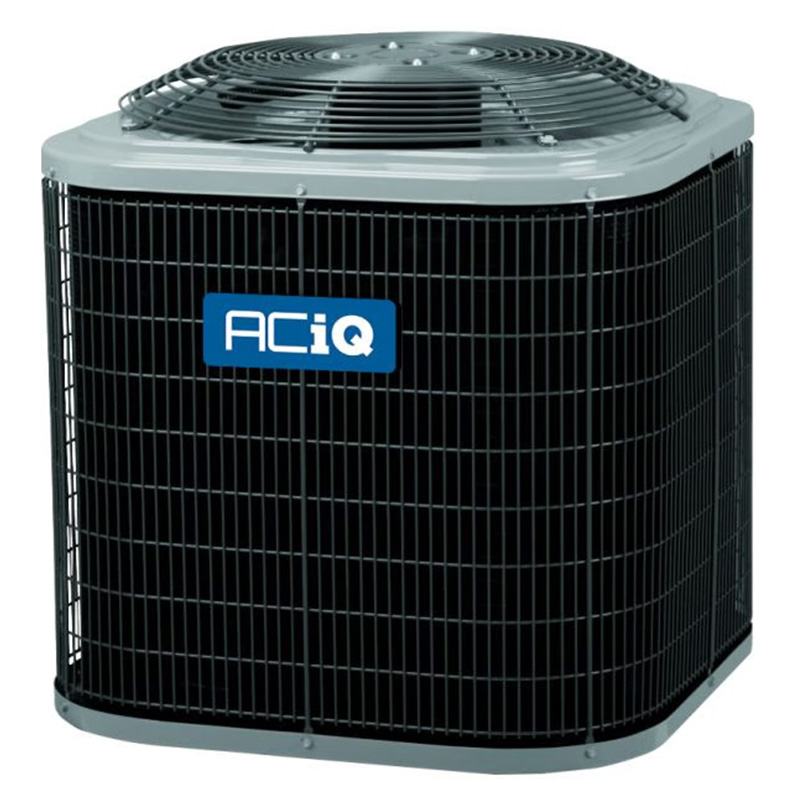
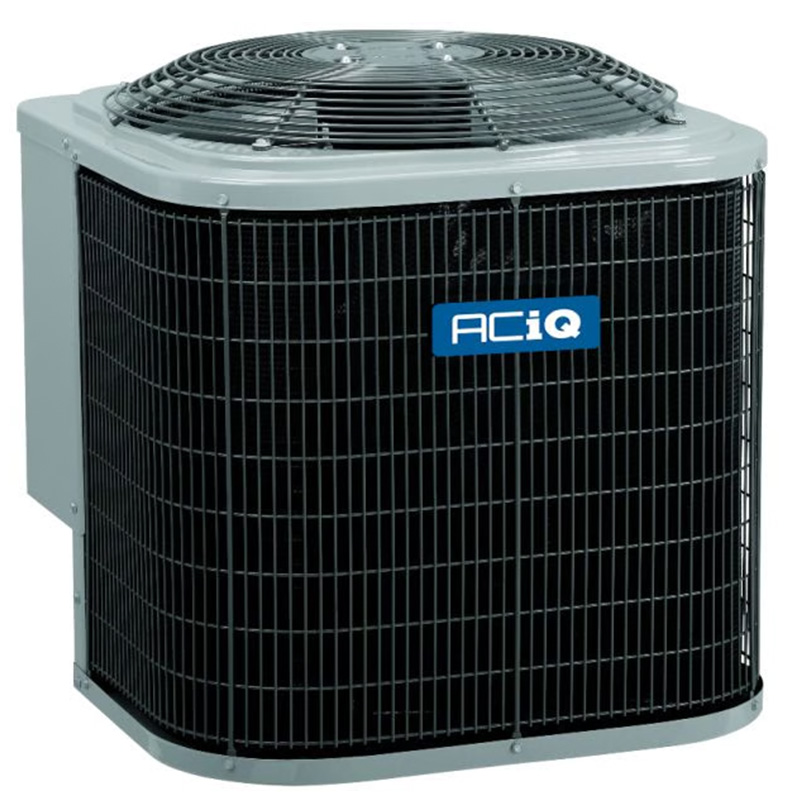
ACiQ 2.5 Ton Heat Pump AC System | 14.3 SEER2 AC | 17.5" Wide Variable Speed Multi-Positional Air Handler | R454B
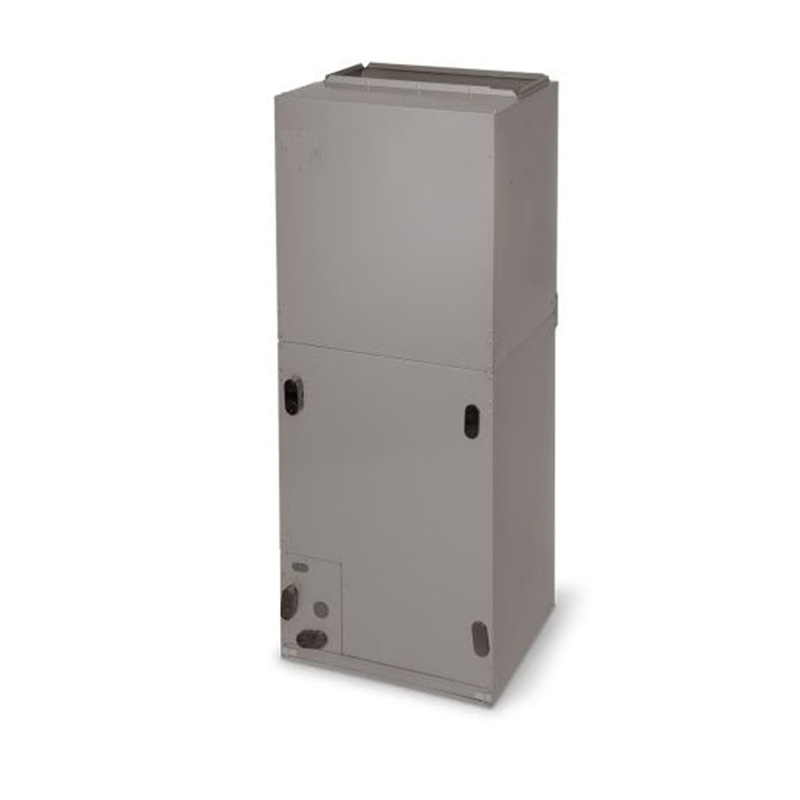
View on AC Direct see your lowest price →Check current price on AC Direct →
Key features
- 14.3 SEER2 efficiency rating, above federal minimum and in mid-efficiency tier
- Variable-speed air handler with 17.5-inch narrow cabinet for tight installation spaces
- R-454B refrigerant, a lower-GWP alternative to R-410A
- Multi-positional air handler installs upflow, downflow, or horizontal
- Sold factory-direct with no dealer markup, 12-year parts warranty included
- Heat pump configuration provides both heating and cooling from one outdoor unit
About this system
The ACiQ 2.5 Ton Heat Pump AC System pairs a 14.3 SEER2 outdoor heat pump with a 17.5-inch wide variable-speed multi-positional air handler, making it a practical fit for homes in the 1,200 to 1,600 square foot range depending on local climate and insulation. The narrow 17.5-inch cabinet width is a genuine advantage in tight utility closets, alcoves, and manufactured homes where a standard-width air handler simply will not fit. The system runs on R-454B refrigerant, a lower global-warming-potential alternative to R-410A that meets current EPA guidelines and positions the system for regulatory compliance in the near term.
Variable-speed air handler technology means the blower modulates airflow rather than cycling fully on and off, which tends to produce steadier temperatures, lower humidity levels, and noticeably quieter operation compared to single-speed equipment. At 14.3 SEER2, efficiency sits at the entry point of the mid-efficiency tier, comfortably above the federal minimum and eligible for the federal 25C energy efficiency tax credit when installed as a qualified heat pump system. It will not match the operating cost savings of a 17-plus SEER2 system, but it closes much of the gap at a substantially lower upfront price. This system is sold direct with no dealer markup, which is where most of the price advantage over name brands comes from.
The ACiQ 2.5 Ton Heat Pump system delivers solid mid-efficiency performance and genuine installation flexibility at a price that undercuts comparable name-brand equipment by a meaningful margin. The 12-year warranty and variable-speed air handler are standout inclusions at this price point, but buyers should weigh the thin long-term reliability record and the extra effort required to find qualified service technicians familiar with the brand. For budget-conscious homeowners who do their homework on installation and have a reliable independent contractor lined up, this system represents good value.
Overall score is the average of the five ratings above.
What we like
- Variable-speed air handler included, improving comfort and humidity control over single-speed alternatives
- 17.5-inch narrow cabinet fits installations where standard-width units cannot
- 12-year parts warranty ships with the unit at no additional dealer cost
- R-454B refrigerant meets current and near-term EPA regulatory requirements
- Factory-direct pricing undercuts Carrier, Trane, and Lennox equivalents at similar efficiency
Trade-offs
- Brand is relatively new and Consumer Reports has not yet assigned a reliability score due to insufficient long-term data
- Actual manufacturer is undisclosed, making parts cross-referencing and service history research harder than with established brands
- No dedicated dealer network means finding a contractor experienced with ACiQ equipment requires extra vetting
- 14.3 SEER2 efficiency is entry-level mid-tier and will not deliver the operating cost savings of 17-plus SEER2 systems
What homeowners and pros say about ACiQ
Early owners of ACiQ equipment consistently highlight quiet operation and responsive customer support as the standout positives, and those themes hold for this heat pump configuration as well. The variable-speed air handler draws particular praise in owner forums for reducing the on-off cycling noise that plagues single-stage systems. That said, the brand is genuinely new to the market and Consumer Reports has not yet gathered enough long-term data to assign a reliability score, which is an honest gap buyers should acknowledge. The documented concerns most relevant to this system type are the ones common to any inverter-driven heat pump sold through non-traditional channels: if a capacitor, coil, or compressor fails several years out, the undisclosed manufacturer relationship makes it harder to cross-reference parts or draw on a broad base of technician experience the way you could with a Carrier or Trane unit with a long service history.
HVAC contractors who have installed ACiQ systems generally report that the equipment itself goes in without unusual complications and that factory support has been accessible when questions arise. The main friction point contractors cite is not the hardware but the service model: without a local distributor or dealer network, a technician getting familiar with the brand for the first time may spend more diagnostic time than they would on equipment they know well. For homeowners, that translates to a real recommendation: vet your installer carefully, confirm they are willing to commit to the system long-term, and make sure parts sourcing through AC Direct is something they are prepared to work with before the first service call ever comes up.
Sources: Consumer Reports heat pump ratings, HVACDirect on the ACiQ brand, AHRI Directory of Certified Product Performance, U.S. DOE appliance and equipment efficiency standards.
What it costs to run
At 14.3 SEER2, cooling this 2.5-ton system for a typical 1200-hour cooling season at the U.S. average electricity rate of $0.17/kWh works out to roughly $428 per year in cooling, about $29 less per year than a minimum-efficiency 13.4 SEER2 unit of the same size. Your real cost depends on your climate and local rate.
Method: (30,000 BTU/hr ÷ 14.3 SEER2) × 1200 hours ÷ 1000 × $0.17/kWh. Rate source: U.S. EIA average; cooling hours: moderate-climate estimate.
How it compares
| Brand | Comparable model | SEER2 | Stage | Price position |
|---|---|---|---|---|
| ACiQ | 2.5 Ton Heat Pump with 17.5" Variable-Speed Air Handler | 14.3 | Variable-speed | Value pick |
| Carrier | Performance 14 Heat Pump (25HCE4) | 14.3 | Single-stage | Moderately higher than ACiQ, sold through dealer network |
| Trane | XR14c Heat Pump | 14.3 | Single-stage | Moderately higher than ACiQ with dealer and installation markup |
| Lennox | Merit 14HPX Heat Pump | 14.3 | Single-stage | Comparable to Carrier and Trane, noticeably higher than ACiQ |
Competitor rows are comparable single-stage units at similar efficiency; price is relative position, not a quote.
Questions about this system
Will any licensed HVAC contractor be able to install and service this system, or do I need an ACiQ-certified tech?
Any licensed HVAC technician certified to handle R-454B refrigerant can install this system. However, because ACiQ is not sold through a dealer network, some contractors will be unfamiliar with the brand. It is worth confirming your installer has reviewed the technical documentation before the job, and asking upfront whether they are comfortable servicing it for the life of the equipment.
Does this system qualify for the federal 25C heat pump tax credit?
To claim the 25C credit the system must meet the required efficiency thresholds for your climate zone and the installation must be in a primary residence. At 14.3 SEER2, this unit meets the baseline efficiency requirement for the credit in many regions, but you should verify current IRS guidance and confirm eligibility with your tax professional before purchase.
Is R-454B refrigerant harder to find than R-410A if the system needs a recharge?
R-454B availability is growing as the industry transitions away from R-410A, but it is not yet as universally stocked as R-410A was at its peak. Most well-supplied HVAC wholesalers carry it, but in some rural areas your contractor may need to order it. This is worth discussing with your installer before committing to the system.
The manufacturer behind ACiQ is not disclosed. How do I find replacement parts if something fails out of warranty?
ACiQ sells parts directly through AC Direct, and common components like capacitors, contactors, and blower motors are generally available there. The undisclosed manufacturer relationship does make cross-referencing generic or OEM-equivalent parts harder than it would be with a Carrier or Trane unit, which is a real long-term consideration worth factoring into your decision.
How does the variable-speed air handler actually affect comfort compared to a standard single-speed unit?
A variable-speed blower runs at lower speeds for longer periods rather than blasting on and off at full power, which typically produces more even room temperatures, better moisture removal from indoor air, and noticeably quieter operation during normal cycles. The comfort difference is most noticeable in humid climates and in rooms that previously had hot or cold spots with single-speed equipment.
Specifications
| Cooling capacity | 2.5 Ton |
| Efficiency | 14.3 SEER2 |
| Refrigerant | R-454B |