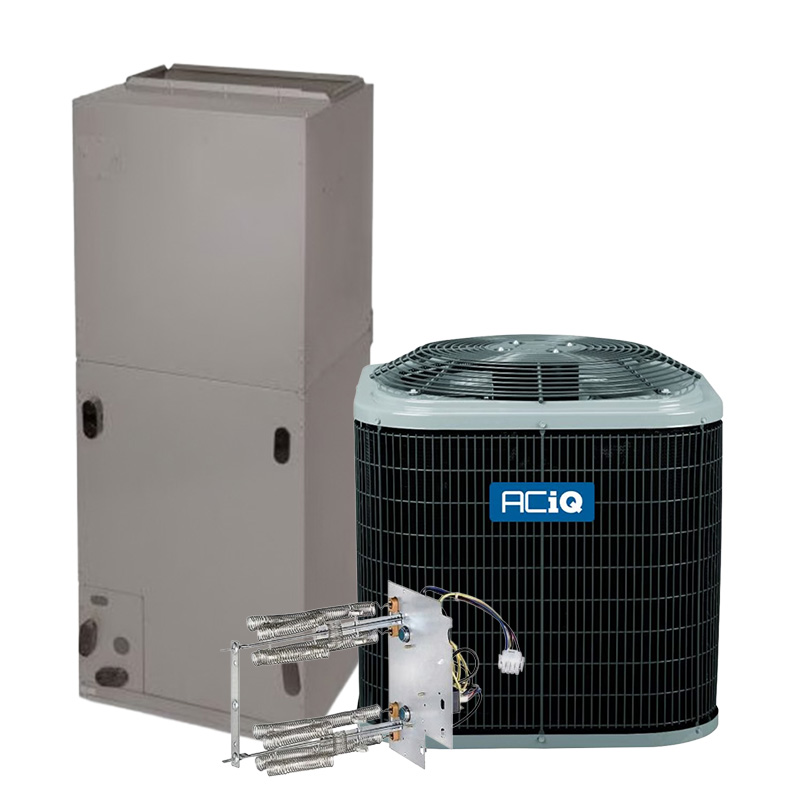
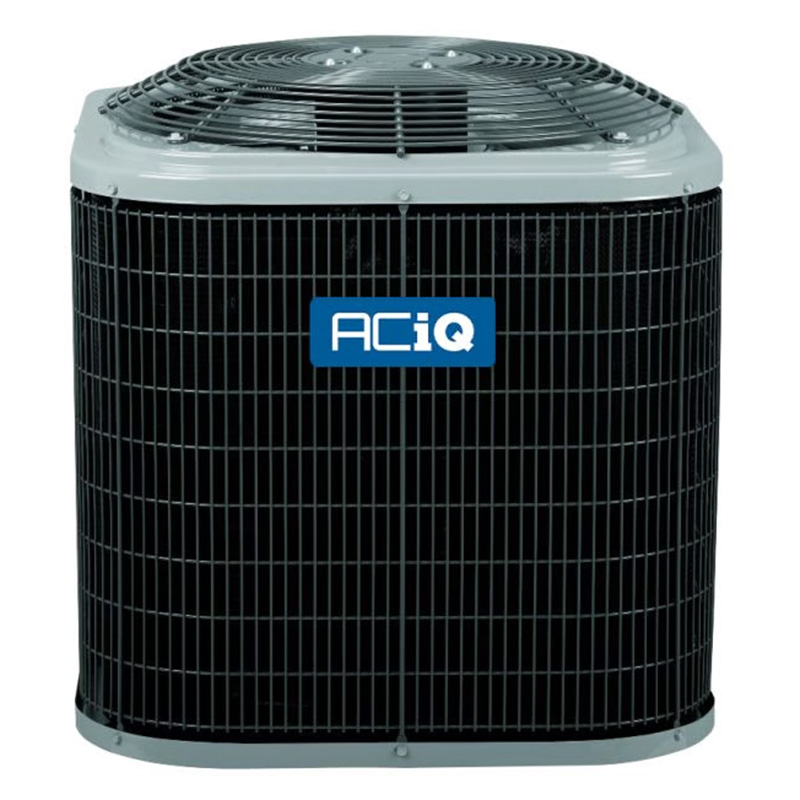
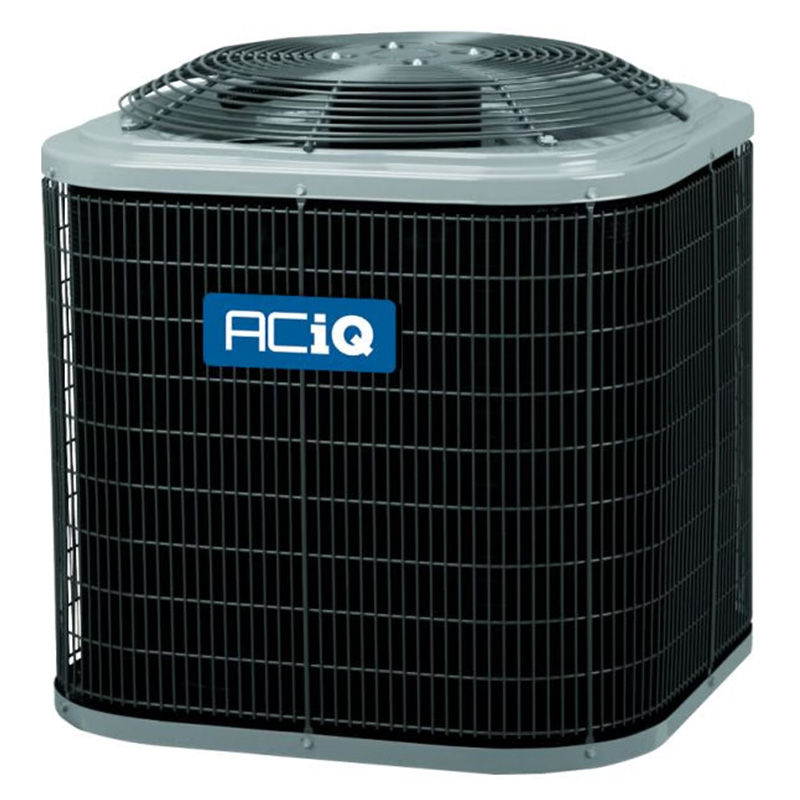
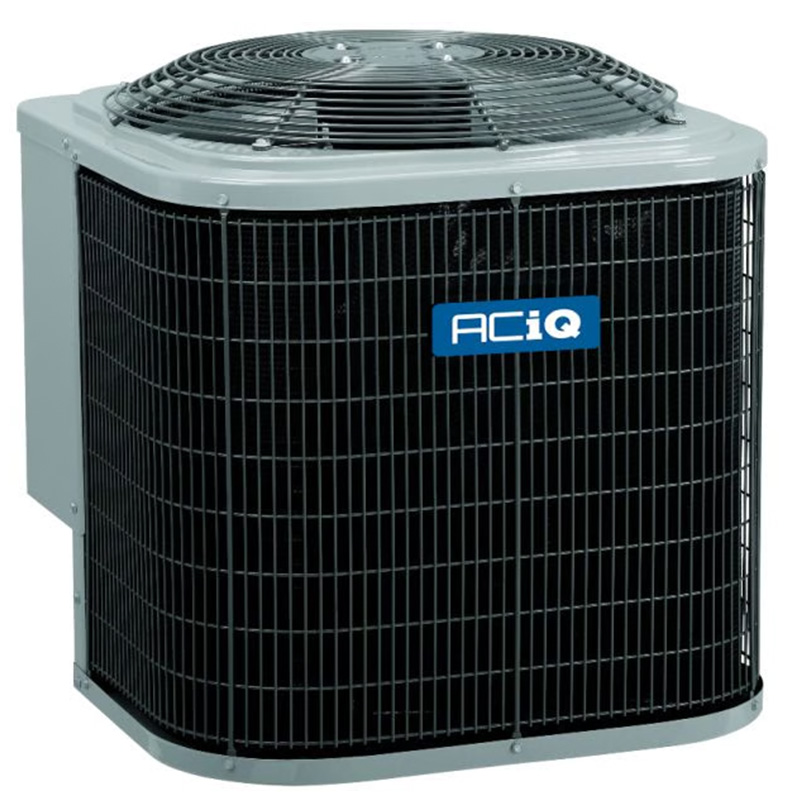
ACiQ 2 Ton AC With Electric Heat System | 15 SEER2 AC | 17.5" Wide Variable Speed Multi-Positional Air Handler | R454B
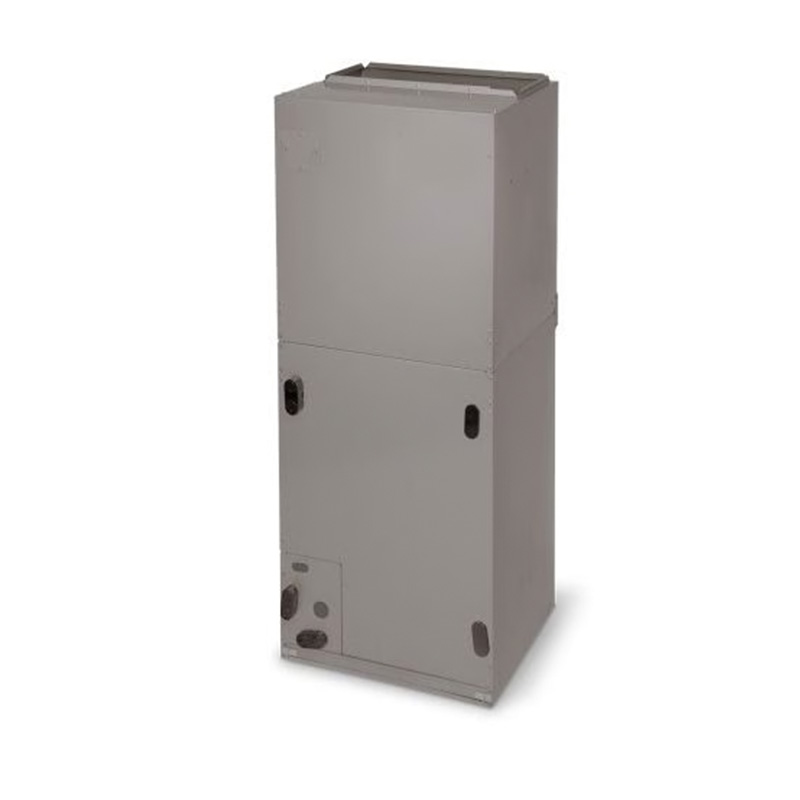
View on AC Direct see your lowest price →Check current price on AC Direct →
Key features
- 15 SEER2-rated split system using R-454B low-GWP refrigerant
- Variable-speed ECM blower motor in the air handler for quieter, more even airflow
- 17.5-inch-wide air handler cabinet fits narrow utility closets and alcoves
- Multi-positional air handler installs upflow, downflow, or horizontal
- Electric heat kit integrated for all-electric heating without a gas line
- 12-year parts warranty included with registration, no dealer markup
About this system
The ACiQ 2-Ton 15 SEER2 system pairs a split-system air conditioner with an electric heat strip air handler, making it a straightforward all-electric solution for homes that already have electrical capacity but no gas line, or for climates where heating demands are modest enough that a heat strip covers the load. The 17.5-inch-wide cabinet is a genuinely narrow profile, which helps in utility closets and tight mechanical rooms where a standard-width air handler simply will not fit. The variable-speed blower motor adjusts airflow continuously rather than cycling between on and off, which tends to translate to quieter operation, more even temperatures room to room, and better dehumidification on part-load summer days.
At 15 SEER2, this system sits at the federal minimum efficiency floor for most of the country as of 2023, so it is not a high-efficiency pick and buyers should not expect it to compete with 17 or 18 SEER2 inverter systems on energy bills. What it does offer is modern refrigerant: R-454B is a lower-global-warming-potential alternative to R-410A, which means the equipment is aligned with the direction the industry is heading and should remain serviceable as R-410A supplies tighten. The two-ton capacity is best matched to conditioned spaces roughly in the 900-to-1,200-square-foot range depending on your climate, insulation, and window load, and a proper Manual J load calculation remains the right way to confirm sizing before purchasing.
The ACiQ 2-ton electric heat system is a budget-conscious, all-electric package that delivers a variable-speed air handler and modern refrigerant at a price well below comparably equipped name-brand alternatives. The 15 SEER2 rating is the efficiency floor rather than a standout, and the brand's short track record means long-term reliability is genuinely unproven. For buyers who can accept that uncertainty and have access to a competent independent installer, the value proposition is real.
Overall score is the average of the five ratings above.
What we like
- Variable-speed ECM blower provides quieter operation and better humidity control than single-speed alternatives at this price
- R-454B refrigerant is forward-looking and avoids the supply concerns surrounding R-410A
- 17.5-inch narrow air handler fits installation spaces that rule out wider cabinets
- 12-year parts warranty is longer than most name brands offer without an extended-service purchase
- Direct-to-consumer pricing undercuts Carrier, Trane, and Lennox systems with similar specs by a meaningful margin
Trade-offs
- 15 SEER2 is the regulatory minimum, not an efficiency leader, so energy savings versus older equipment will vary
- ACiQ is a newer brand with no Consumer Reports ranking and thin independent long-term reliability data
- The undisclosed manufacturer makes parts cross-referencing and service history harder to verify than with established names
- No factory dealer network means finding a qualified installer and warranty service depends entirely on local independent contractors
What homeowners and pros say about ACiQ
Early owners of ACiQ systems, including this air handler line, report that quiet operation is the most commonly praised characteristic, with the variable-speed blower drawing favorable comparisons to much more expensive equipment. Responsive customer support from AC Direct is cited regularly in early feedback, and units shipped directly have generally arrived without damage complaints. That said, Consumer Reports has not yet ranked ACiQ because the brand is too new to have accumulated the long-term field data their methodology requires, so every positive early report carries the caveat that no one actually knows how these systems hold up at the five- or ten-year mark.
On the installer side, the concerns that come up most often are the same ones that apply to any direct-to-consumer brand: because ACiQ does not disclose its manufacturing parent, a technician cannot easily pull up a cross-referenced parts list if something like a control board or a proprietary valve needs replacing outside of a generic component swap. The service model is entirely through independent contractors, so the quality of your installation and any future warranty work depends heavily on who you hire locally. The documented failure modes to be aware of with newer value-brand HVAC equipment generally include capacitor reliability, potential for refrigerant coil leaks over time, and compressor longevity questions that simply cannot be answered yet with a brand this young. None of these are confirmed ACiQ-specific problems, but they are the right questions to ask your installer and to keep in mind when evaluating the 12-year warranty against the reality of a thin service network.
Sources: Consumer Reports heat pump ratings, HVACDirect on the ACiQ brand, AHRI Directory of Certified Product Performance, U.S. DOE appliance and equipment efficiency standards.
What it costs to run
At 15 SEER2, cooling this 2-ton system for a typical 1200-hour cooling season at the U.S. average electricity rate of $0.17/kWh works out to roughly $326 per year in cooling, about $39 less per year than a minimum-efficiency 13.4 SEER2 unit of the same size. Your real cost depends on your climate and local rate.
Method: (24,000 BTU/hr ÷ 15 SEER2) × 1200 hours ÷ 1000 × $0.17/kWh. Rate source: U.S. EIA average; cooling hours: moderate-climate estimate.
How it compares
| Brand | Comparable model | SEER2 | Stage | Price position |
|---|---|---|---|---|
| ACiQ | 2-Ton 15 SEER2 Electric Heat Split System with Variable-Speed Air Handler | 15 | Variable-speed air handler / standard condenser | Value pick |
| Carrier | Comfort 15 Series (CA15) with FE4A Air Handler | 15 | Single-stage | Noticeably higher than ACiQ for comparable efficiency |
| Trane | XR15 with TAM7 Air Handler | 15-16 | Single-stage | Higher than ACiQ, with established dealer network factored into cost |
| Lennox | Merit ML15XC1 with CBX32MV Air Handler | 15 | Single-stage condenser, variable-speed air handler | Premium over ACiQ, dealer installation required |
Competitor rows are comparable single-stage units at similar efficiency; price is relative position, not a quote.
Questions about this system
Will any HVAC contractor be able to service this system, or do I need a special ACiQ technician?
Any licensed HVAC technician can work on the system mechanically since it uses standard refrigerant connections, electrical controls, and common components. The practical challenge is that because ACiQ does not disclose its manufacturer, a technician cannot easily cross-reference parts with a parent brand's catalog, which can slow down sourcing if a non-generic part is needed.
Is 15 SEER2 going to be legal and serviceable in my region for the life of this equipment?
15 SEER2 meets the 2023 federal minimum for the northern United States; if you are in the Southeast or Southwest, the minimum is higher and this system may not qualify for installation in those regions. Confirm your regional minimum before purchasing, and note that SEER2 regulations apply at the time of installation, not the time of purchase.
How much heating capacity does the electric heat strip actually provide for a 2-ton system?
ACiQ offers the air handler with different electric heat kit sizes, and the specific kilowatt rating of the strip heat determines how much supplemental heat you get. In mild climates this is adequate as a primary heat source, but in colder regions a 2-ton electric strip system is typically undersized for winter heating loads and may result in high electricity bills or insufficient heat on the coldest days.
Why is R-454B being used instead of R-410A, and does that change anything for me as the homeowner?
R-454B has a substantially lower global warming potential than R-410A and is part of the industry's shift away from high-GWP refrigerants ahead of upcoming EPA regulations. For you as an owner, it means refrigerant should remain available and affordable longer than R-410A will, but it also means any technician servicing the system needs R-454B certification and the appropriate recovery and handling equipment.
What does 'multi-positional' mean for the air handler, and do I have to do anything special to configure it?
Multi-positional means the same cabinet can be installed with airflow going upward (upflow), downward (downflow), or horizontally, depending on how your ductwork and mechanical space are arranged. The installer will configure the drain pan and some internal components during installation to match the selected orientation, so the orientation decision needs to be made before or during the install, not after.
Specifications
| Cooling capacity | 2 Ton |
| Efficiency | 15 SEER2 |
| Refrigerant | R-454B |