ACiQ 24000 BTU Single Zone Mini Split Heat Pump AC Wall Mounted System | 21 SEER2 | Essential Series | Black | R454B
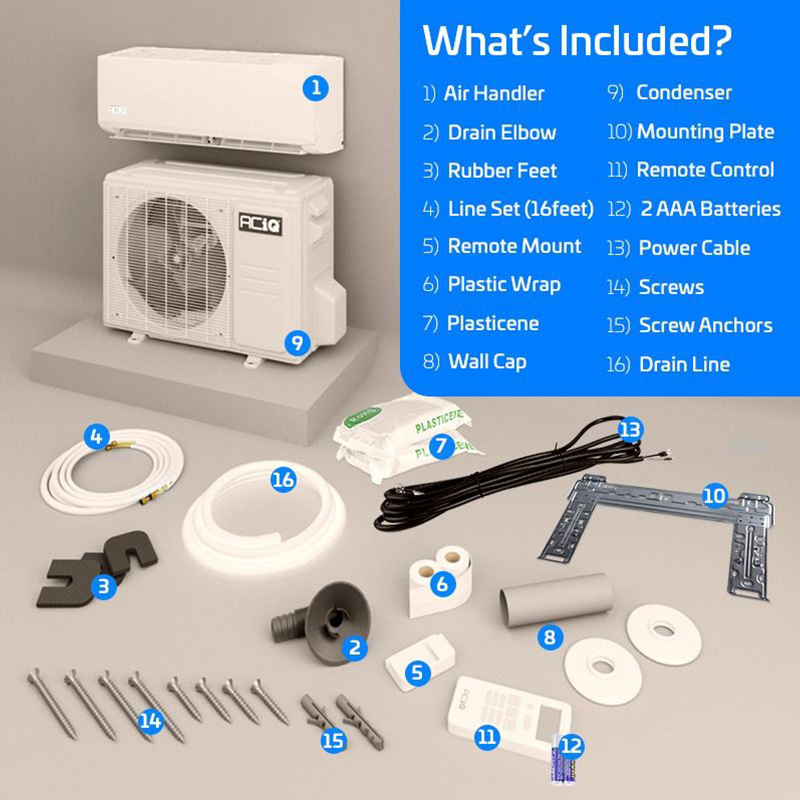
View on AC Direct see your lowest price →Check current price on AC Direct →
Key features
- 21 SEER2 inverter-driven compressor for variable-capacity heating and cooling
- 24000 BTU (2-ton) capacity suits spaces up to roughly 1,200 sq ft
- R-454B refrigerant: lower global-warming-potential replacement for R-410A
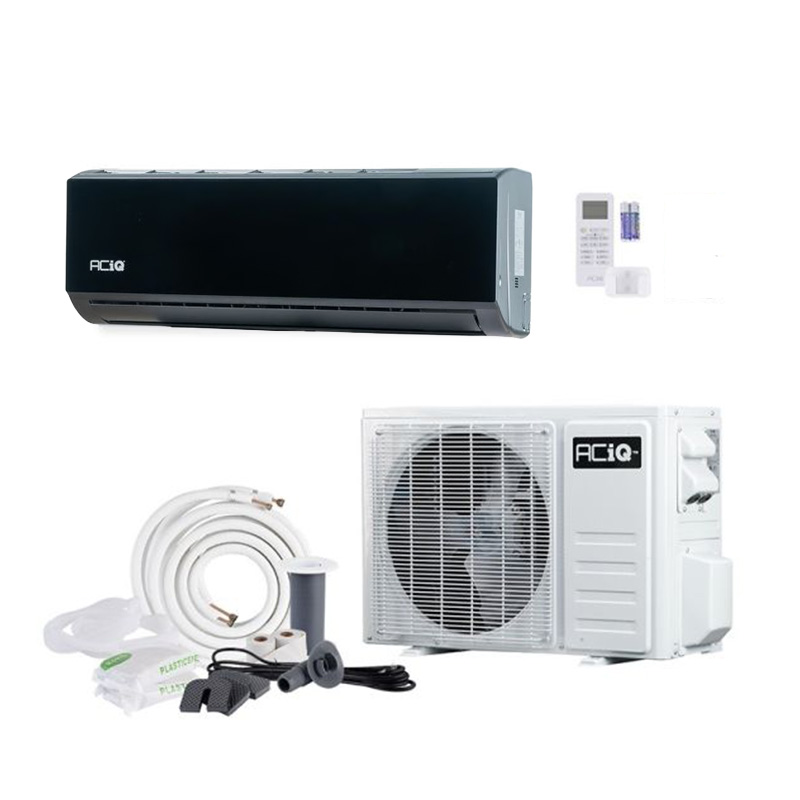
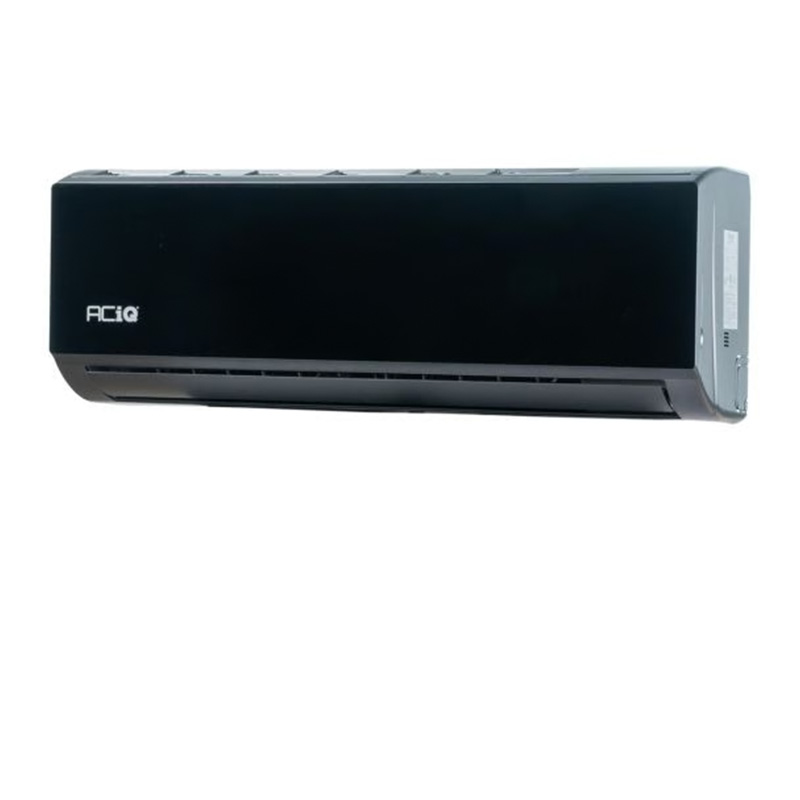
- Wall-mounted black indoor head with single-zone configuration
- Heat pump operation provides both cooling and heating from one system
- 12-year parts and compressor warranty included with registration, no dealer markup
About this system
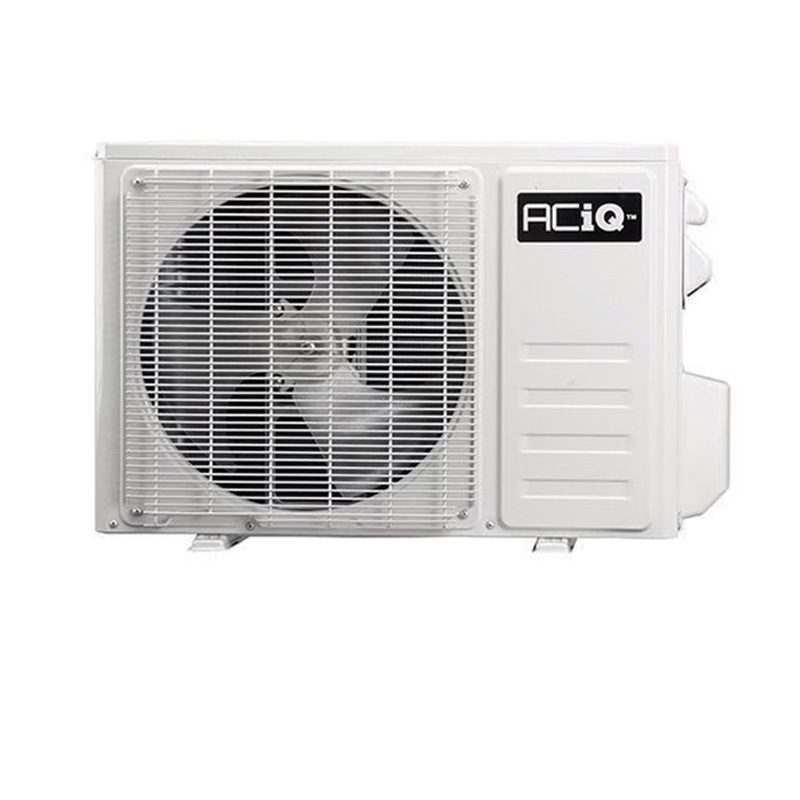
The ACiQ 24000 BTU Single Zone Mini Split runs on R-454B refrigerant and carries a 21 SEER2 rating, putting it in the upper tier of efficiency for ductless wall-mount systems. At two tons of cooling capacity, it covers spaces roughly in the 900 to 1,200 square foot range depending on insulation and local climate. The inverter-driven compressor modulates output rather than cycling on and off, which keeps temperature swings small, holds humidity in check, and reduces the energy draw compared with single-speed equipment. The black finish is a functional choice for homeowners who want the indoor head to blend with a dark accent wall rather than stand out as a white appliance.
This system suits a primary bedroom addition, a finished basement, a detached garage shop, or a sunroom where running new ductwork is impractical or expensive. It heats as well as cools, so a single unit handles year-round comfort in mild to moderately cold climates. Buyers choosing this system are typically weighing upfront savings against the name-brand premium; ACiQ undercuts established brands on price by selling factory-direct without dealer markup, which makes a 21 SEER2 system accessible at a price point where most competitors offer 18 to 19 SEER2 units. The R-454B refrigerant is the newer, lower-GWP replacement for R-410A, which means this unit is current with evolving EPA regulations and should not face near-term refrigerant availability issues.
The ACiQ 24000 BTU 21 SEER2 mini split delivers genuine high-efficiency performance and a strong warranty at a price that undercuts Mitsubishi, Daikin, and Fujitsu by a meaningful margin. The trade-off is real: the brand is newer, long-term reliability data is thin, the manufacturer is undisclosed, and servicing through independent contractors rather than a factory dealer network adds some friction if something goes wrong. Buyers comfortable with that uncertainty get a lot of hardware for the money.
Overall score is the average of the five ratings above.
What we like
- 21 SEER2 rating sits at the top of the efficiency range for single-zone ductless systems
- Inverter compressor provides precise temperature control and quiet, steady operation
- Factory-direct pricing undercuts name brands at comparable efficiency tiers
- 12-year warranty with no dealer markup is stronger than many competitors offer
- R-454B refrigerant is forward-compatible with tightening EPA regulations
Trade-offs
- Brand is relatively new and Consumer Reports has not yet assigned a long-term reliability score
- Actual manufacturer is undisclosed, which complicates parts sourcing and cross-referencing service history
- No factory dealer network means service depends entirely on independent HVAC contractors
- Black finish limits resale flexibility if future owners or tenants prefer a standard white unit
What homeowners and pros say about ACiQ
Early owner feedback on ACiQ mini splits, including the Essential Series, clusters around a few consistent themes: quiet indoor operation, stable temperature control once the system is dialed in, and responsive customer support from AC Direct when questions arise. Consumer Reports has not yet ranked ACiQ because the brand is too new to have generated the long-term failure data their methodology requires, so there is no independent reliability score to cite. Google and forum reviews from early adopters are largely positive, but that pool of owners has not yet lived with these systems through five or ten cooling seasons, which is when compressor wear, coil integrity, and control board longevity typically reveal themselves.
On the professional side, the documented friction points are structural rather than anecdotal. The undisclosed manufacturer makes it harder for a technician to cross-reference parts catalogs or service histories the way they could with a Mitsubishi or Daikin unit. Service depends on independent contractors since there is no factory dealer network, and the technician you hire may have limited ACiQ-specific experience. The specific failure modes that tend to surface in direct-to-consumer brands over time include refrigerant coil micro-leaks, capacitor degradation in the outdoor unit, and questions about compressor longevity past the seven-year mark. None of those have been documented as ACiQ-specific patterns yet, because the data window is simply too short. Buyers who are mechanically comfortable, have a trusted independent HVAC contractor, and are motivated by the efficiency-to-price ratio will find the ACiQ a credible choice. Those who want the reassurance of a decades-long service record behind their equipment should weigh the premium brands accordingly.
Sources: Consumer Reports heat pump ratings, HVACDirect on the ACiQ brand, AHRI Directory of Certified Product Performance, U.S. DOE appliance and equipment efficiency standards.
What it costs to run
At 21 SEER2, cooling this 24000 BTU system for a typical 1200-hour cooling season at the U.S. average electricity rate of $0.17/kWh works out to roughly $233 per year in cooling, about $132 less per year than a minimum-efficiency 13.4 SEER2 unit of the same size. Your real cost depends on your climate and local rate.
Method: (24,000 BTU/hr ÷ 21 SEER2) × 1200 hours ÷ 1000 × $0.17/kWh. Rate source: U.S. EIA average; cooling hours: moderate-climate estimate.
How it compares
| Brand | Comparable model | SEER2 | Stage | Price position |
|---|---|---|---|---|
| ACiQ | Essential Series 24000 BTU Single Zone | 21 | Variable (inverter) | Value pick |
| Mitsubishi | M-Series MSZ-GL24NA | 19 | Variable (inverter) | Significantly higher than ACiQ at lower efficiency |
| Daikin | Aurora Series FTXV24WVJUAS | 21.5 | Variable (inverter) | Moderately to significantly higher than ACiQ at similar efficiency |
| Fujitsu | Halcyon XLTH Series AOU24RLXFZH | 20 | Variable (inverter) | Moderately higher than ACiQ at slightly lower efficiency |
Competitor rows are comparable single-stage units at similar efficiency; price is relative position, not a quote.
Questions about this system
Will a licensed HVAC technician be able to service this unit if something goes wrong?
Any EPA 608-certified technician can work on R-454B systems, so finding someone to diagnose and repair the unit is possible. The complication is that the actual manufacturer is not publicly disclosed, which can make ordering correct OEM parts or cross-referencing service bulletins harder than it would be with a named brand. Confirming parts availability with ACiQ support before scheduling a repair visit is a practical step.
How does 21 SEER2 translate to real energy savings compared with a standard mini split?
A 21 SEER2 system uses roughly 15 to 20 percent less electricity than a 17 SEER2 unit running the same load hours, though actual savings depend on your local utility rate and how hard the system works in your climate. The inverter compressor helps because it avoids the energy spike of constant on-off cycling, running at lower sustained output instead.
What does the 12-year warranty actually cover, and are there registration requirements?
ACiQ's warranty covers parts and the compressor for 12 years, which exceeds the 5- to 10-year coverage typical of many name brands sold through dealers. Registration is generally required to activate the full term, so completing that step promptly after installation matters. Review the warranty document directly for labor coverage terms, as labor is typically not included.
Is R-454B refrigerant widely available, and will it affect service costs?
R-454B is a newer low-GWP refrigerant that major wholesalers are stocking as the industry transitions away from R-410A under EPA AIM Act rules. Availability is growing, though it is not yet as ubiquitous at every supply house as R-410A currently is. Technicians certified for mildly flammable A2L refrigerants are required to handle it, which is increasingly standard.
How cold can it get outside before this system stops providing heat effectively?
ACiQ's product listings describe heat pump operation, but published low-ambient heating capacity and COP ratings at specific outdoor temperatures are not detailed in the base spec sheet. Before purchasing for a cold climate, contact ACiQ directly to confirm rated heating output at your design-day low temperature, typically 0 F or 5 F for northern regions, to determine whether a supplemental heat source is needed.
Specifications
| Efficiency | 21 SEER2 |
| Furnace output | 24000 BTU |
| Refrigerant | R-454B |