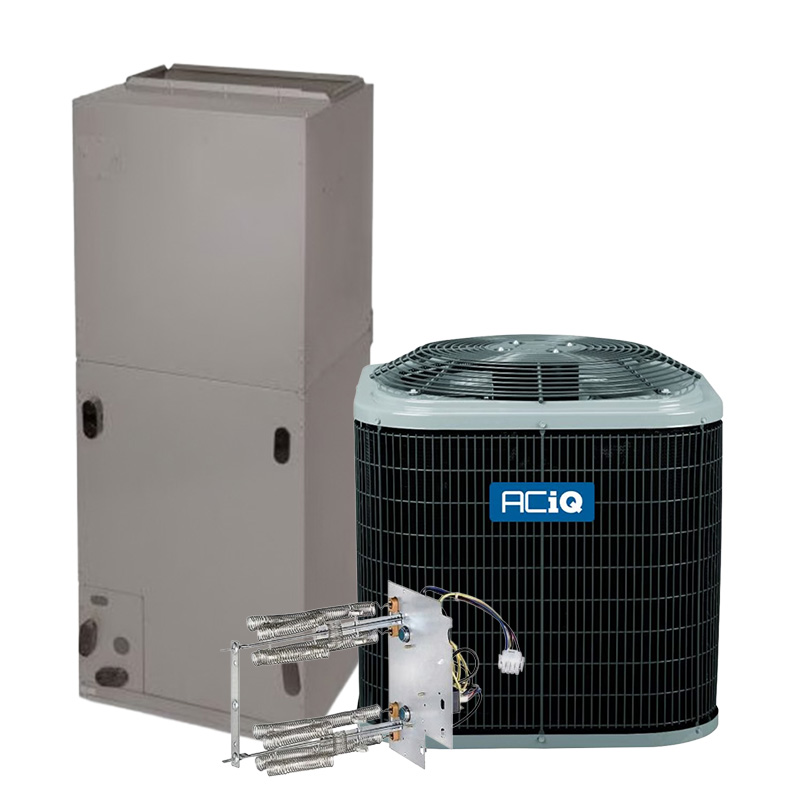
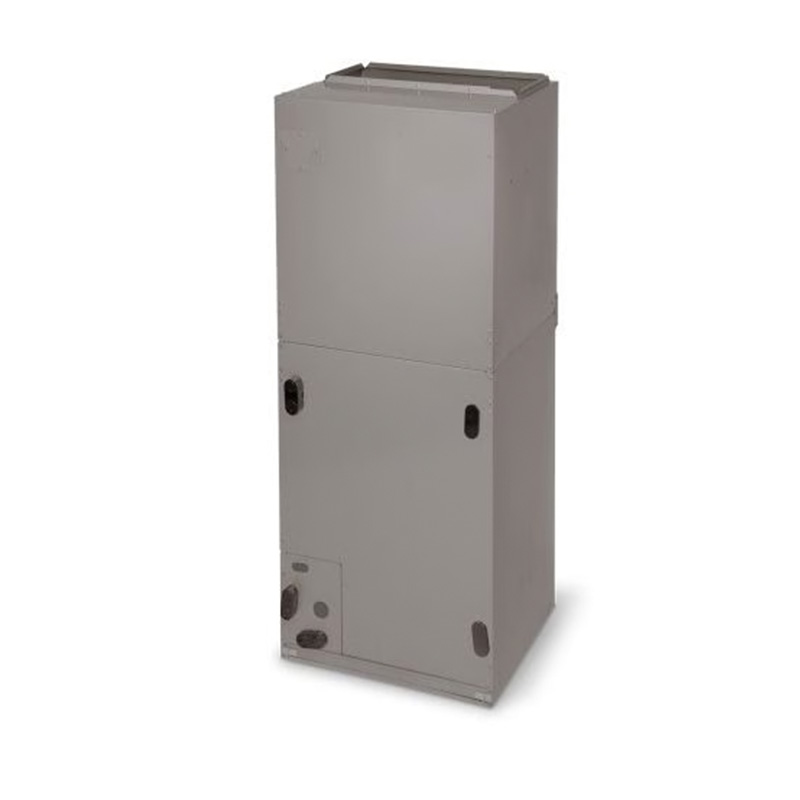
ACiQ 3.5 Ton AC With Electric Heat System | 15.2 SEER2 AC | 21" Wide Variable Speed Multi-Positional Modular Air Handler | R454B
View on AC Direct see your lowest price →Check current price on AC Direct →
Key features
- 15.2 SEER2 variable-speed inverter-driven compressor
- 21-inch-wide air handler fits narrow mechanical spaces
- Multi-positional cabinet installs upflow, downflow, or horizontal
- R-454B refrigerant meets current EPA low-GWP transition standards
- Electric heat strips included, no gas line required
- 12-year parts warranty shipped direct with no dealer markup
About this system
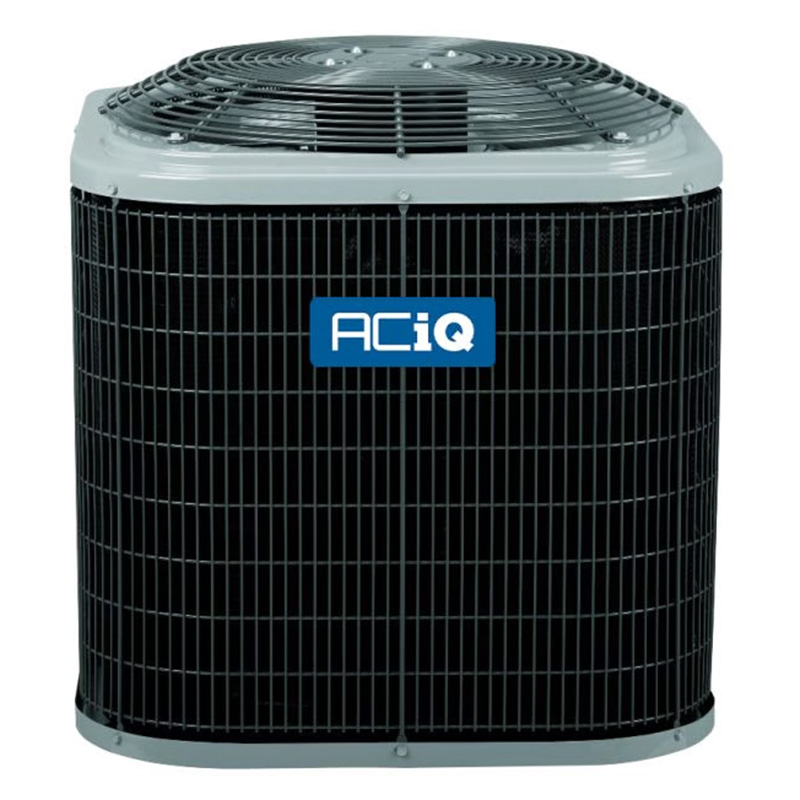
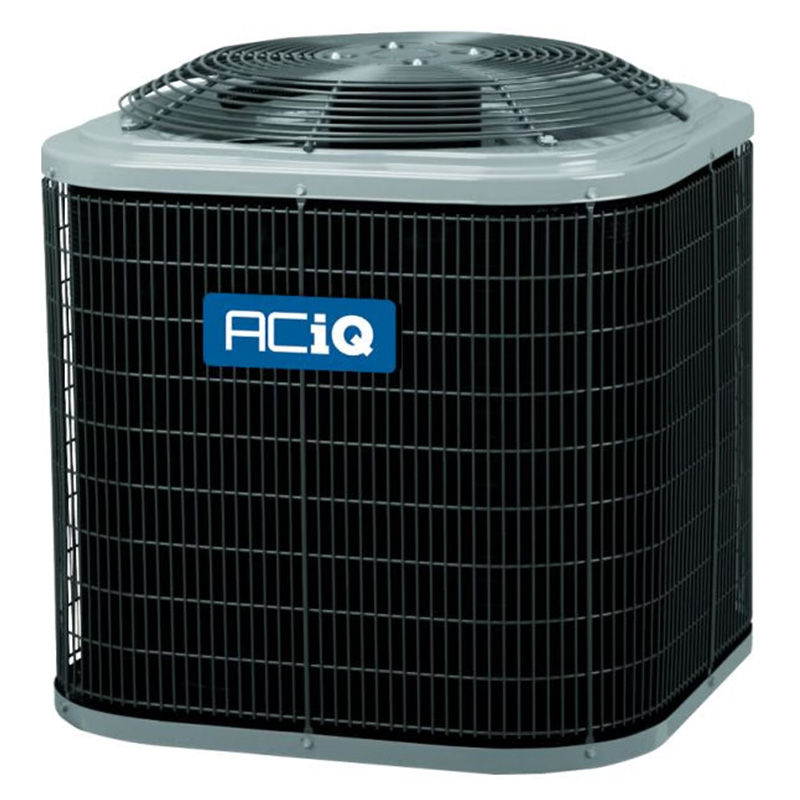
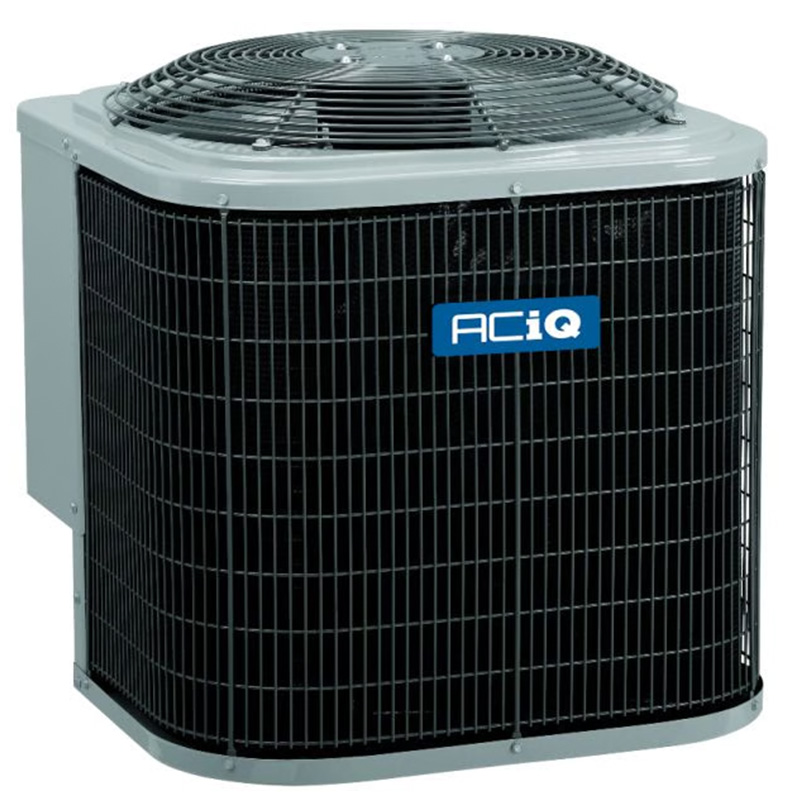
The ACiQ 3.5-ton system pairs a 15.2 SEER2 variable-speed condenser with a 21-inch-wide multi-positional modular air handler, making it one of the more compact full-size split systems on the market for its tonnage. That narrow cabinet width opens up installations in tighter mechanical closets, alcoves, and utility rooms where a standard air handler simply will not fit. R-454B refrigerant is the newer low-global-warming-potential replacement for R-410A, so this system is compliant with current EPA transition guidelines and will not face the refrigerant supply headaches that older R-22 or early R-410A equipment now encounters.
At 3.5 tons, this system is sized for homes roughly in the 1,800 to 2,400 square foot range depending on climate zone, insulation quality, and ceiling height. The variable-speed compressor and air handler motor work together to modulate output rather than cycling on and off at full capacity, which reduces humidity swings, lowers sound levels during normal operation, and typically trims monthly energy bills compared to single-stage equipment at this SEER2 tier. The electric heat strip package means no gas line is required, which suits all-electric homes, heat-pump-ready builds, or climates where backup heat demand is low enough that resistance heating is cost-acceptable.
The ACiQ 3.5-ton variable-speed system offers genuine efficiency and a space-saving cabinet at a price that undercuts most name-brand equivalents by a meaningful margin. The trade-off is that the brand is still building its long-term reliability record, and the direct-to-consumer sales model means finding a knowledgeable service contractor takes more legwork than it would with a nationally distributed brand. Buyers who prioritize upfront savings and can vet a local independent installer will get solid value here; those who want the reassurance of decades of published reliability data and a broad dealer network should weigh that gap carefully.
Overall score is the average of the five ratings above.
What we like
- Variable-speed operation delivers quieter, more consistent comfort than single-stage systems at this price point
- 21-inch cabinet width is genuinely narrower than most competitors, expanding installation options
- 15.2 SEER2 qualifies for federal energy efficiency tax credits under current IRA thresholds
- 12-year parts warranty is longer than the 10-year standard most name brands offer at this tier
- R-454B refrigerant ensures regulatory compliance and long-term refrigerant availability
Trade-offs
- No independent long-term reliability data exists yet; Consumer Reports has not ranked ACiQ due to insufficient history
- Undisclosed manufacturer makes parts cross-referencing and service history harder than with established brands
- Direct-sales model means no factory-authorized dealer network, so finding a trained installer requires extra due diligence
- Electric heat strips are expensive to operate in cold climates; this configuration is not well suited as primary heat in heating-dominant regions
What homeowners and pros say about ACiQ
Homeowners who have installed ACiQ equipment tend to highlight two things consistently: the system runs noticeably quieter than the single-stage unit it replaced, and reaching the company for support has been more straightforward than they expected from a direct-sales brand. Early owner feedback skews positive on day-to-day performance. That said, the brand is relatively new to the market and Consumer Reports has not yet assigned it a reliability score, simply because there is not enough long-term field data to do so responsibly. That absence is not a red flag in itself, but it is a real gap compared to brands with 20-plus years of published failure-rate records.
Independent HVAC technicians tend to have a split reaction. Contractors who have worked on the equipment generally find it competently built and straightforward to diagnose. The frustration, when it arises, comes from the undisclosed manufacturer situation: because ACiQ does not confirm who builds the equipment, a technician cannot easily cross-reference service bulletins, look up known failure patterns from sister brands, or confirm whether a part from a related line will work. The documented concerns in the broader direct-sales HVAC category, including capacitor degradation, coil leak susceptibility, and long-term compressor lifespan in variable-speed inverter systems, are worth monitoring as more units accumulate field hours. For now, ACiQ occupies an honest position: real technology at a real discount, with the reliability story still being written.
Sources: Consumer Reports heat pump ratings, HVACDirect on the ACiQ brand, AHRI Directory of Certified Product Performance, U.S. DOE appliance and equipment efficiency standards.
What it costs to run
At 15.2 SEER2, cooling this 3.5-ton system for a typical 1200-hour cooling season at the U.S. average electricity rate of $0.17/kWh works out to roughly $564 per year in cooling, about $75 less per year than a minimum-efficiency 13.4 SEER2 unit of the same size. Your real cost depends on your climate and local rate.
Method: (42,000 BTU/hr ÷ 15.2 SEER2) × 1200 hours ÷ 1000 × $0.17/kWh. Rate source: U.S. EIA average; cooling hours: moderate-climate estimate.
How it compares
| Brand | Comparable model | SEER2 | Stage | Price position |
|---|---|---|---|---|
| ACiQ | 3.5-Ton 15.2 SEER2 Variable-Speed with Electric Heat | 15.2 | Variable | Value pick |
| Carrier | Comfort 16 (CA16NA) with FE4A Air Handler | 15.2 | Single-stage | Noticeably higher than ACiQ for similar or lower efficiency tier |
| Trane | XR15 (4TTR5) with TAM9 Air Handler | 15.0–15.5 depending on match | Single-stage | Higher than ACiQ, with broader dealer network included in that premium |
| Lennox | Merit ML14XC1 with CBX32MV Air Handler | 15.2–16.0 depending on match | Two-stage / variable depending on air handler selection | Higher than ACiQ, with Lennox dealer markup typically embedded in price |
Competitor rows are comparable single-stage units at similar efficiency; price is relative position, not a quote.
Questions about this system
Will any licensed HVAC contractor be able to service this system, or do I need a specialist?
Any EPA 608-certified technician can service the system mechanically, but because the manufacturer is not publicly disclosed, a contractor unfamiliar with ACiQ may need extra time to source parts or cross-reference components. It is worth confirming upfront that your service contractor is comfortable working with direct-sold equipment before you buy.
Is 15.2 SEER2 efficient enough to qualify for the federal tax credit?
Yes. As of current IRS guidance under the Inflation Reduction Act, split systems must meet a 15.2 SEER2 minimum in most climate regions to qualify for the 25C energy efficiency tax credit of up to $600 for central AC. Confirm current thresholds with a tax professional since rules can change.
Why does this system use R-454B instead of R-410A, and does that affect service costs?
R-454B is a lower-global-warming-potential refrigerant that complies with the EPA's phasedown of high-GWP refrigerants under the AIM Act. Availability is growing as the industry transitions, but R-454B requires equipment and tools rated for mildly flammable (A2L) refrigerants, so verify your service contractor has the appropriate certification and equipment before scheduling any work involving refrigerant.
How much does the 21-inch-wide air handler actually help compared to a standard unit?
Standard multi-positional air handlers commonly run 24 inches wide or wider. The 21-inch cabinet can make the difference between fitting in an existing closet without framing modifications and requiring costly rough-in work. It is a practical advantage in remodel or replacement scenarios with fixed mechanical room dimensions.
Are electric heat strips cost-effective for winter heating, or should I add a heat pump?
Electric resistance heat strips convert electricity to heat at 100 percent efficiency, but a heat pump can deliver two to three times as much heat energy per unit of electricity in mild-to-moderate cold. In climates with harsh winters or high electricity rates, operating costs with strips alone can be significant. This configuration is most cost-effective as emergency or supplemental backup heat, or in climates where heating loads are minimal.
Specifications
| Cooling capacity | 3.5 Ton |
| Efficiency | 15.2 SEER2 |
| Refrigerant | R-454B |