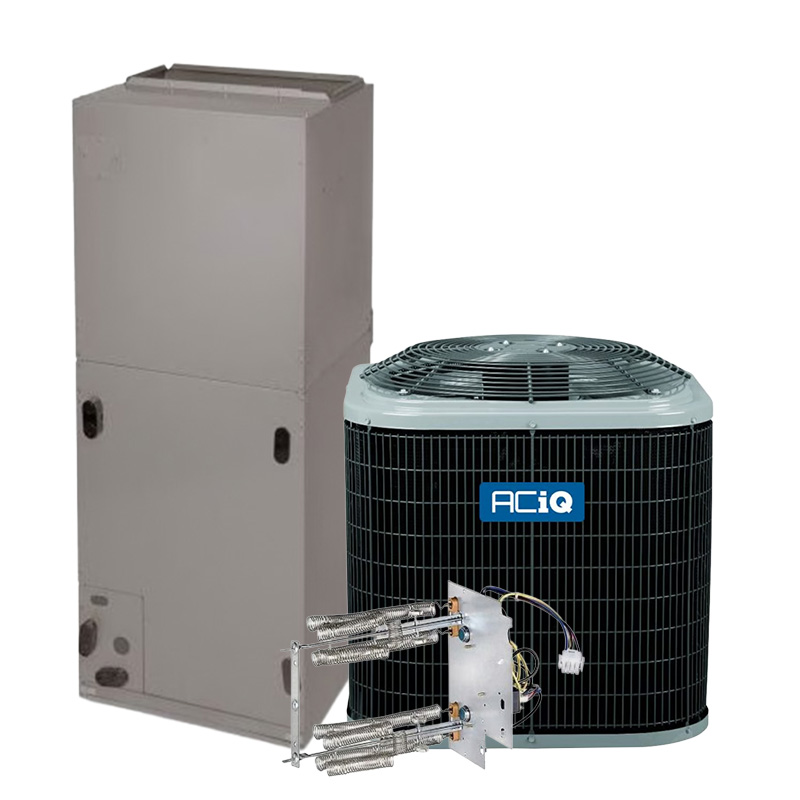
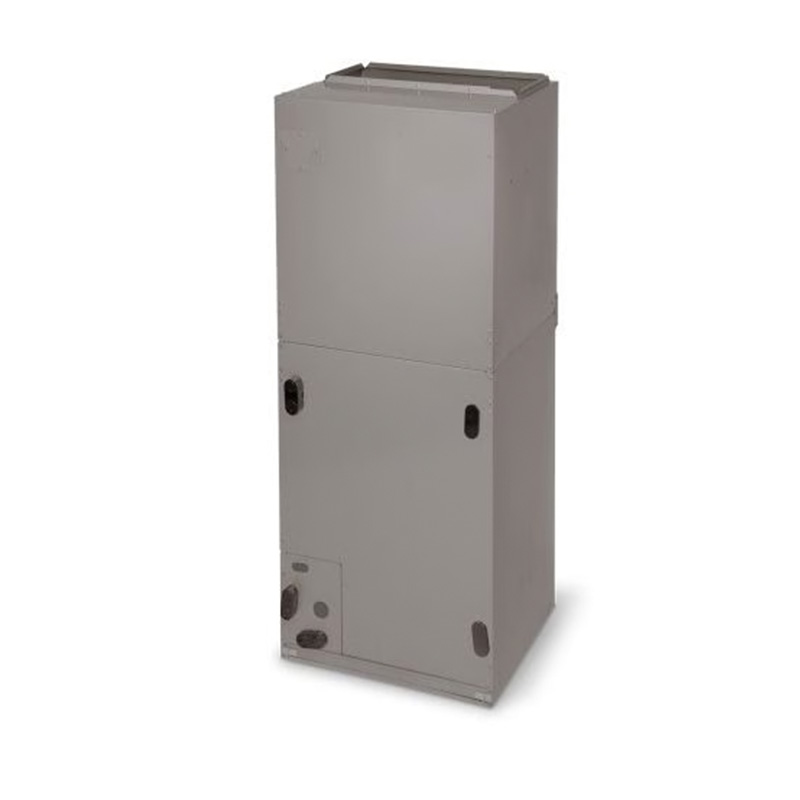
ACiQ 3.5 Ton AC With Electric Heat System | 16.5 SEER2 AC | 24" Wide Variable Speed Multi-Positional Modular Air Handler | R454B
View on AC Direct see your lowest price →Check current price on AC Direct →
Key features
- 16.5 SEER2 variable-speed compressor for improved humidity control and part-load efficiency
- R-454B refrigerant compliant with current EPA low-GWP regulations
- 24-inch-wide multi-positional air handler fits horizontal, upflow, and downflow installations
- Modular air handler design allows electric heat strip capacity to be matched to load
- Ships direct with a 12-year parts warranty, no dealer markup
- 3.5-ton capacity suited to homes approximately 1,800 to 2,400 square feet depending on load
About this system
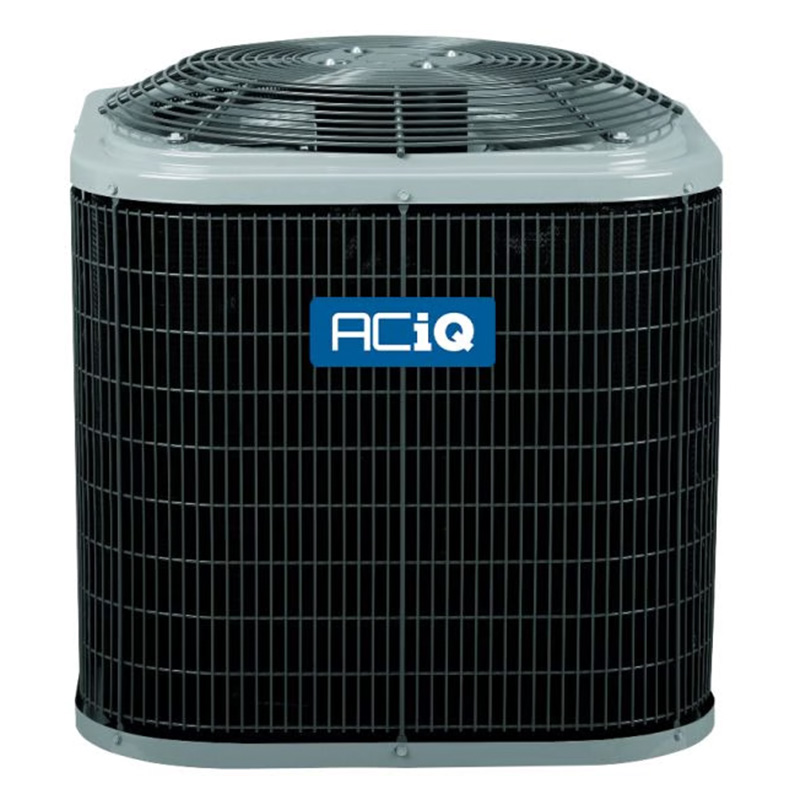
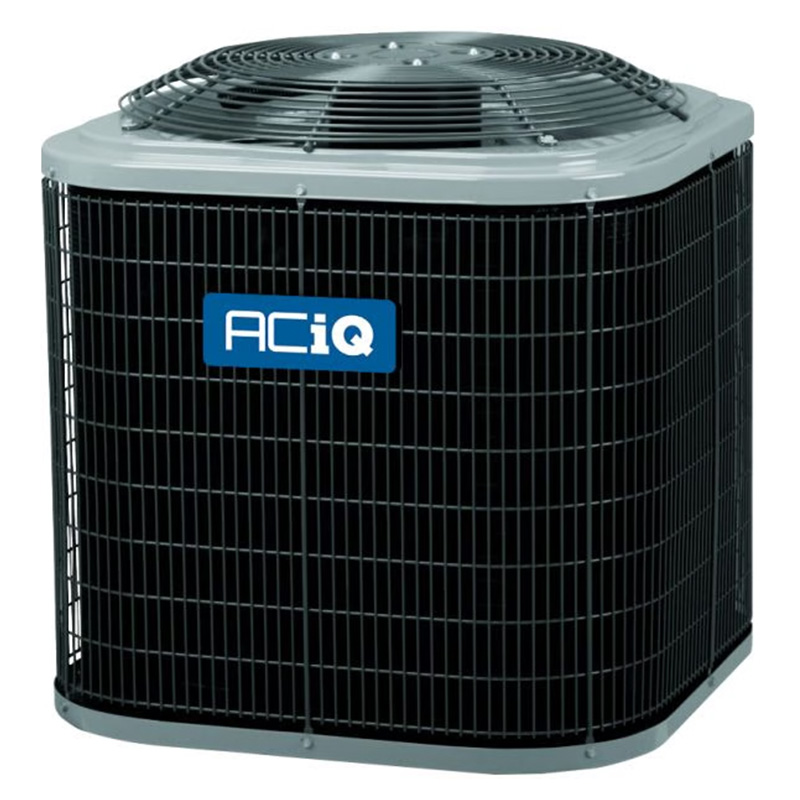
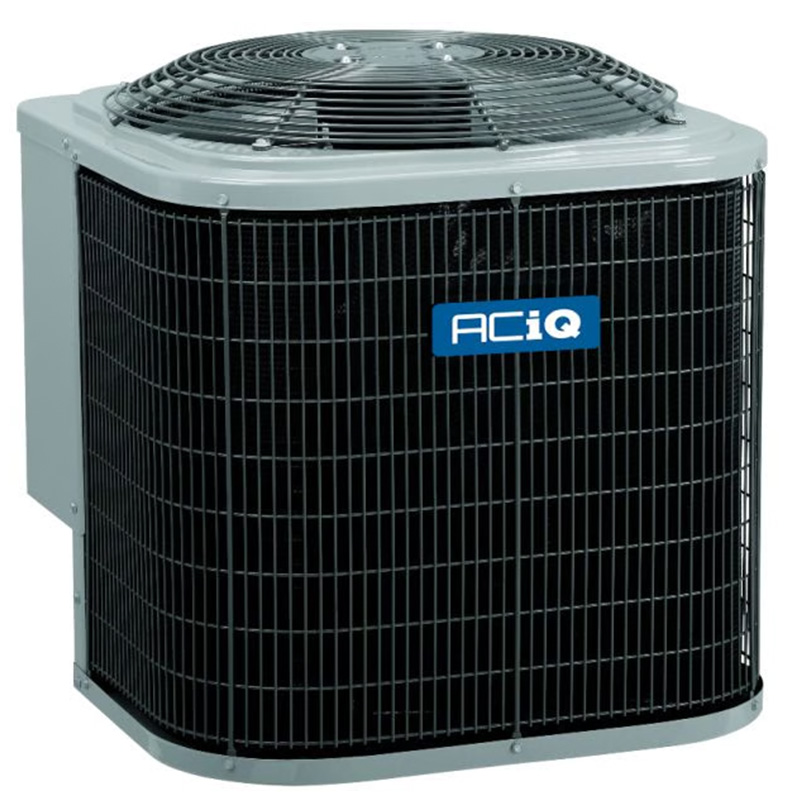
The ACiQ 3.5-ton, 16.5 SEER2 split system pairs a variable-speed condenser with a 24-inch-wide, multi-positional modular air handler designed to fit in tighter mechanical spaces than the more common 21-inch or wider cabinets. Refrigerant is R-454B, the lower-GWP replacement for R-410A that most manufacturers have now adopted to meet EPA phasedown rules. At 3.5 tons, this system is sized for homes roughly in the 1,800 to 2,400 square foot range, though actual sizing depends on local climate, insulation, and Manual J load calculation results.
The variable-speed compressor is the most practical feature here. It modulates capacity rather than cycling fully on and off, which keeps humidity lower, reduces temperature swings between cycles, and cuts sound levels compared with single-stage equipment. The electric heat strips in the air handler cover heating demand without a separate furnace or heat pump outdoor unit, making this a straightforward cooling-primary system with backup heat for mild-to-moderate cold climates. It is not a heat pump, so heating efficiency is standard electric resistance rather than the multiplied output of a heat pump cycle. Buyers in colder climates should weigh that running cost difference carefully before choosing this configuration over a heat pump split system.
The ACiQ 3.5-ton system offers legitimate variable-speed performance and a strong warranty at a price that undercuts established brands by a meaningful margin. The trade-off is a newer brand with limited long-term reliability data and a service model that depends entirely on finding a willing independent contractor. Buyers who are comfortable with that uncertainty and have a trusted local installer get real value here.
Overall score is the average of the five ratings above.
What we like
- Variable-speed operation reduces humidity swings and indoor temperature variation more effectively than single-stage equipment
- 16.5 SEER2 clears the efficiency threshold for most utility rebate programs
- 12-year parts warranty ships with the unit and is not contingent on dealer registration markups
- R-454B refrigerant is forward-compatible with current and near-future regulatory requirements
- 24-inch cabinet width opens installation options in closets and alcoves where wider air handlers will not fit
Trade-offs
- No long-term independent reliability data exists; Consumer Reports has not yet ranked ACiQ due to insufficient field history
- Undisclosed manufacturer makes cross-referencing parts, service bulletins, and compressor sourcing harder for technicians unfamiliar with the brand
- Electric resistance heat is expensive to operate in sustained cold weather compared with a heat pump configuration
- Direct-to-consumer sales means no dealer network; finding a contractor willing to install and service an unfamiliar brand can take extra legwork
What homeowners and pros say about ACiQ
Homeowners who have installed ACiQ equipment most often mention quiet operation as the first thing they notice, which is consistent with what variable-speed compressors deliver compared with single-stage cycling. Early owner feedback across independent forums and Google contractor reviews describes responsive customer support from AC Direct when questions arise, though a recurring practical note is that finding a willing installer takes more phone calls than it would with a Carrier or Trane dealer. Consumer Reports has not yet assigned ACiQ a reliability score because the brand is too new to have the volume of long-term field data that rating requires, so positive early impressions should be read with that caveat clearly in mind.
HVAC technicians who have worked on ACiQ equipment note that the undisclosed manufacturer relationship creates real friction at the service bench. When a part number does not pull up in the standard distributor catalogs, cross-referencing by specification is possible but slower, and it introduces doubt about whether a substituted component maintains warranty standing. The documented failure-mode concerns that follow any newer brand apply here: capacitor replacement, evaporator coil integrity over time, and long-term compressor reliability under varied load conditions are the areas where a longer track record would be reassuring. None of those failure modes have been reported at unusual rates in early ACiQ ownership data, but the absence of long-term data is itself the point. Contractors who work regularly with the brand tend to say the build quality looks consistent with mid-tier name-brand equipment, which aligns with the speculation about its manufacturing origin, but that assessment remains informal until independent data accumulates.
Sources: Consumer Reports heat pump ratings, HVACDirect on the ACiQ brand, AHRI Directory of Certified Product Performance, U.S. DOE appliance and equipment efficiency standards.
What it costs to run
At 16.5 SEER2, cooling this 3.5-ton system for a typical 1200-hour cooling season at the U.S. average electricity rate of $0.17/kWh works out to roughly $519 per year in cooling, about $120 less per year than a minimum-efficiency 13.4 SEER2 unit of the same size. Your real cost depends on your climate and local rate.
Method: (42,000 BTU/hr ÷ 16.5 SEER2) × 1200 hours ÷ 1000 × $0.17/kWh. Rate source: U.S. EIA average; cooling hours: moderate-climate estimate.
How it compares
| Brand | Comparable model | SEER2 | Stage | Price position |
|---|---|---|---|---|
| ACiQ | 3.5-Ton 16.5 SEER2 Variable-Speed Split with Electric Heat | 16.5 | Variable | Value pick |
| Carrier | Comfort 16 (24ACC6) | 16 | Single-stage | Moderately higher, with dealer installation typically bundled |
| Trane | XR16 (4TTR6) | 16 | Single-stage | Moderately higher, dealer network pricing adds cost over direct brands |
| Lennox | Merit 16ACX | 16 | Single-stage | Comparable to Trane XR16 tier, above the ACiQ direct price |
Competitor rows are comparable single-stage units at similar efficiency; price is relative position, not a quote.
Questions about this system
Can any licensed HVAC contractor install this system, or does it require a certified ACiQ dealer?
Any licensed HVAC contractor can install it. ACiQ sells direct rather than through a dealer network, so there is no certification requirement. The practical challenge is that some contractors are reluctant to install brands they did not supply, because warranty labor disputes become their problem. Confirm your contractor is willing before purchasing.
Does the 12-year warranty cover labor, or just parts?
The 12-year coverage is a parts warranty. Labor costs for any warranty repair are the homeowner's responsibility unless a separate labor warranty is negotiated with the installing contractor. This is consistent with most residential HVAC warranties, including those from name brands.
Will this system qualify for utility rebates or federal tax credits?
At 16.5 SEER2 the condenser meets or exceeds the efficiency threshold most utilities require for cooling rebates, but check your specific utility program because minimums vary. The federal 25C tax credit for cooling equipment requires a higher SEER2 threshold than this unit meets on its own, so verify current IRS guidance and the system's CEE tier rating before counting on that credit.
What happens if a technician cannot identify the parts or the actual manufacturer is unclear?
This is a real concern with ACiQ. Forum discussions suggest a possible connection to the ICP and Carrier manufacturing family, but this is unconfirmed. If a part fails and the ACiQ part number yields no result, an experienced technician may be able to cross-reference by physical specification, but it adds time and uncertainty compared with a brand whose supply chain is fully transparent.
Is R-454B refrigerant widely available for service, and is it safe to work with?
R-454B is a mildly flammable (A2L class) refrigerant, which means technicians need tools and procedures rated for A2L use. Availability is growing as manufacturers have broadly adopted it, but not every service van is equipped for A2L work yet. Confirm your contractor has A2L-compatible equipment before scheduling service or installation.
Specifications
| Cooling capacity | 3.5 Ton |
| Efficiency | 16.5 SEER2 |
| Refrigerant | R-454B |