ACiQ 3.5 Ton Heat Pump AC Condenser | 16.7 SEER2 High Efficiency Extreme Heat Inverter R454B (ACIQ-42-HPD)
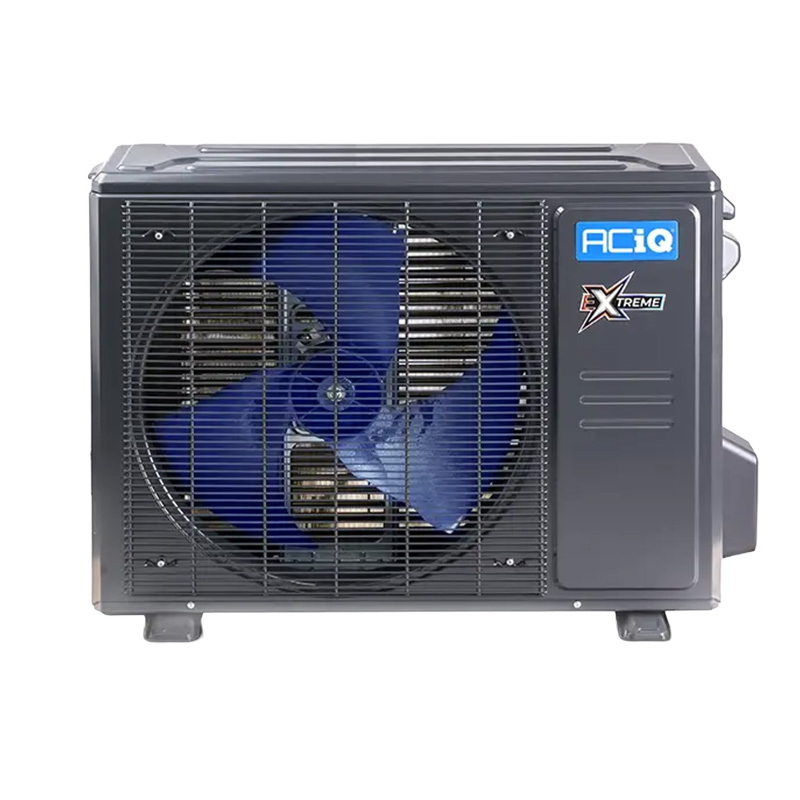
View on AC Direct see your lowest price →Check current price on AC Direct →
Key features
- 16.7 SEER2 inverter-driven compressor for variable-capacity, continuous modulation
- R-454B refrigerant, a lower-GWP next-generation replacement for R-410A
- 3.5-ton capacity suited to homes roughly 1,600 to 2,200 sq ft depending on load
- Extreme Heat cold-climate optimization for improved low-temperature heating output
- 12-year parts warranty included with registration, no dealer markup added
- Sold factory-direct, bypassing dealer distribution to reduce purchase price
About this system
The ACiQ ACIQ-42-HPD is a 3.5-ton inverter-driven heat pump condenser rated at 16.7 SEER2, using the next-generation R-454B refrigerant that replaces the older R-410A across the industry. At 3.5 tons, this unit is sized for homes roughly in the 1,600 to 2,200 square foot range depending on local climate, insulation quality, and ceiling height. The inverter compressor modulates output continuously rather than cycling on and off at full capacity, which keeps indoor temperatures steadier, reduces energy spikes, and allows the system to run quietly for extended periods at lower speeds.
The “Extreme Heat” designation signals this unit is engineered to deliver meaningful heating output even when outdoor temperatures drop well below the point where conventional single-stage heat pumps lose efficiency. That makes it a practical candidate for homeowners in mixed or moderately cold climates who want to rely on the heat pump year-round rather than switching to a backup furnace as soon as temperatures fall. R-454B has a lower global warming potential than R-410A and is now the standard refrigerant for new residential equipment, so this unit is forward-compatible with evolving EPA regulations. Buyers should confirm that their chosen HVAC contractor is certified to handle R-454B, since not every technician has updated their equipment yet.
The ACIQ-42-HPD offers a genuinely competitive SEER2 rating and inverter technology at a price that undercuts most name-brand equivalents by a meaningful margin, making it attractive for cost-conscious buyers who already have a reliable independent HVAC contractor. The trade-off is real: ACiQ is a newer brand without a Consumer Reports reliability score, and the undisclosed manufacturer makes parts sourcing and long-term service history harder to verify. Buyers comfortable with that uncertainty will find the specs and warranty hard to beat at this price tier.
Overall score is the average of the five ratings above.
What we like
- 16.7 SEER2 lands well above minimum efficiency thresholds and qualifies this unit in the upper-mid efficiency tier without premium-brand pricing
- Inverter compressor provides true variable-speed operation for quieter, steadier comfort compared to single-stage or two-stage competitors at similar price points
- 12-year parts warranty ships with the unit and is not inflated through dealer markup, which is better coverage than many name brands offer at this price
- R-454B refrigerant is regulation-forward, so this system will not face future retrofit or refrigerant supply issues that older R-410A units may encounter
- Early owner feedback consistently highlights quiet operation and responsive factory customer support as standout positives
Trade-offs
- Consumer Reports has not yet ranked ACiQ due to insufficient long-term field data, so buyers cannot lean on independent reliability benchmarks the way they can with Carrier, Trane, or Lennox
- The actual manufacturer is not publicly disclosed, which complicates cross-referencing parts availability, service bulletins, and compressor warranty claims if disputes arise
- No company-owned dealer or service network exists; installation and all future service depend entirely on finding independent contractors willing to work on an unfamiliar brand
- R-454B certification is not yet universal among HVAC technicians, which can limit the pool of qualified contractors and potentially raise service costs in some markets
What homeowners and pros say about ACiQ
Homeowners who have installed ACiQ equipment tend to report that the units run noticeably quieter than the older single-stage systems they replaced, and that factory customer support has been responsive when questions arise. Early reviews are largely positive on those fronts, and the 12-year warranty arriving without dealer inflation is a point that comes up frequently as a differentiator. That said, independent long-term reliability data is genuinely thin. Consumer Reports does not yet rank ACiQ because the brand is too new to have the field history their methodology requires, and that absence is worth taking seriously rather than dismissing. The specific failure modes that surface in early owner discussions and contractor forums include concerns about capacitor longevity, potential refrigerant coil leaks, and uncertainty around how the compressor will hold up past the five-year mark given the lack of a long service record to reference.
HVAC contractors who have installed ACiQ units generally acknowledge the price-to-spec ratio is hard to argue with, particularly for customers on a firm budget who still want inverter technology. The recurring caution from the trade side centers on the undisclosed manufacturer, which means a technician cannot easily pull up service bulletins, cross-reference OEM parts, or rely on brand-specific training when diagnosing an unfamiliar fault. The direct-sales model also means there is no factory-authorized service network to fall back on, so the quality of the installation and all future service depends entirely on the independent contractor the homeowner selects. For buyers in areas with strong independent HVAC contractors and modest long-term service ambitions, that is a manageable trade-off. For buyers who prioritize a recognizable nameplate and a coast-to-coast service infrastructure, the uncertainty around ACiQ’s origins and track record is a legitimate reason to spend more on an established brand.
Sources: Consumer Reports heat pump ratings, HVACDirect on the ACiQ brand, AHRI Directory of Certified Product Performance, U.S. DOE appliance and equipment efficiency standards.
What it costs to run
At 16.7 SEER2, cooling this 3.5-ton system for a typical 1200-hour cooling season at the U.S. average electricity rate of $0.17/kWh works out to roughly $513 per year in cooling, about $126 less per year than a minimum-efficiency 13.4 SEER2 unit of the same size. Your real cost depends on your climate and local rate.
Method: (42,000 BTU/hr ÷ 16.7 SEER2) × 1200 hours ÷ 1000 × $0.17/kWh. Rate source: U.S. EIA average; cooling hours: moderate-climate estimate.
How it compares
| Brand | Comparable model | SEER2 | Stage | Price position |
|---|---|---|---|---|
| ACiQ | ACIQ-42-HPD | 16.7 | Variable | Value pick |
| Carrier | Comfort 16 (25HCE6) | 16 | Single-stage | Moderately higher, with branded dealer network and established reliability data |
| Trane | XR16c | 16 | Single-stage | Moderately higher, with Trane's long-term reliability record and dealer service coverage |
| Lennox | Merit ML17XP1 | 17 | Single-stage | Notably higher, with Lennox dealer network and Consumer Reports track record, but single-stage rather than variable |
Competitor rows are comparable single-stage units at similar efficiency; price is relative position, not a quote.
Questions about this system
Will any HVAC contractor be able to install and service this unit, or does it require a specialist?
Any licensed HVAC technician can install this system, but they must hold R-454B refrigerant handling certification, which not every contractor has updated yet. It is worth confirming this certification before scheduling installation, and worth asking whether they have worked with ACiQ equipment before, since the brand is less familiar than Carrier or Trane to most field technicians.
Who actually manufactures this unit, and does it share parts with more common brands?
ACiQ does not publicly disclose its manufacturing source. Forum speculation points toward the ICP and Carrier family of manufacturers, but this is unconfirmed. That uncertainty means you cannot reliably cross-reference parts or service history with a name brand, which is a practical consideration if you need components years down the road.
How does 16.7 SEER2 translate to real energy savings, and does it qualify for any rebates?
16.7 SEER2 clears the current federal minimum for most climate regions and puts this unit in the upper-mid efficiency tier, where it can meaningfully reduce cooling and heating energy use compared to an older or minimum-efficiency system. Many utility companies and some state programs offer rebates for equipment at or above 15.2 SEER2, so it is worth checking the ENERGY STAR rebate finder and your local utility before purchasing.
What does "Extreme Heat" mean in practice, and how cold can it get before I need backup heat?
The Extreme Heat designation indicates the inverter compressor is optimized to maintain higher heating capacity at lower outdoor temperatures than a standard single-stage heat pump. The exact low-temperature heating capacity and balance point should be confirmed in the product specification sheet, and a load calculation from your contractor will tell you whether auxiliary heat strips or a backup furnace are needed for your specific climate.
The warranty says 12 years, but what does it actually cover and what can void it?
The 12-year coverage applies to parts and typically requires product registration within a specified window after installation. Coverage generally does not include labor, refrigerant, or damage from improper installation or maintenance. You should confirm registration requirements and read the warranty document carefully, since labor costs on a compressor replacement years out can be substantial even when parts are covered.
Specifications
| Cooling capacity | 3.5 Ton |
| Efficiency | 16.7 SEER2 |
| Refrigerant | R-454B |