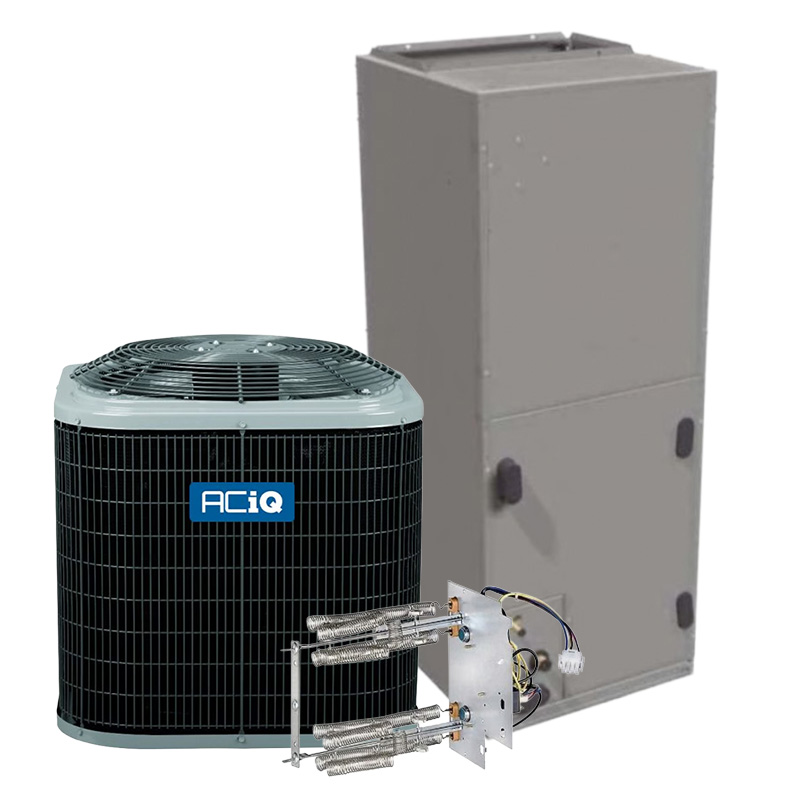
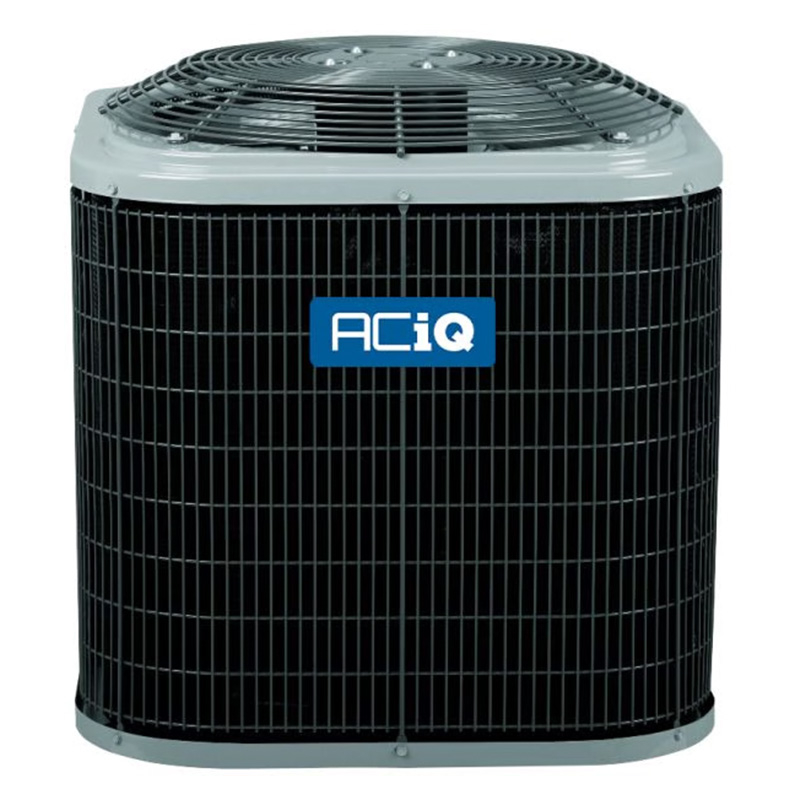
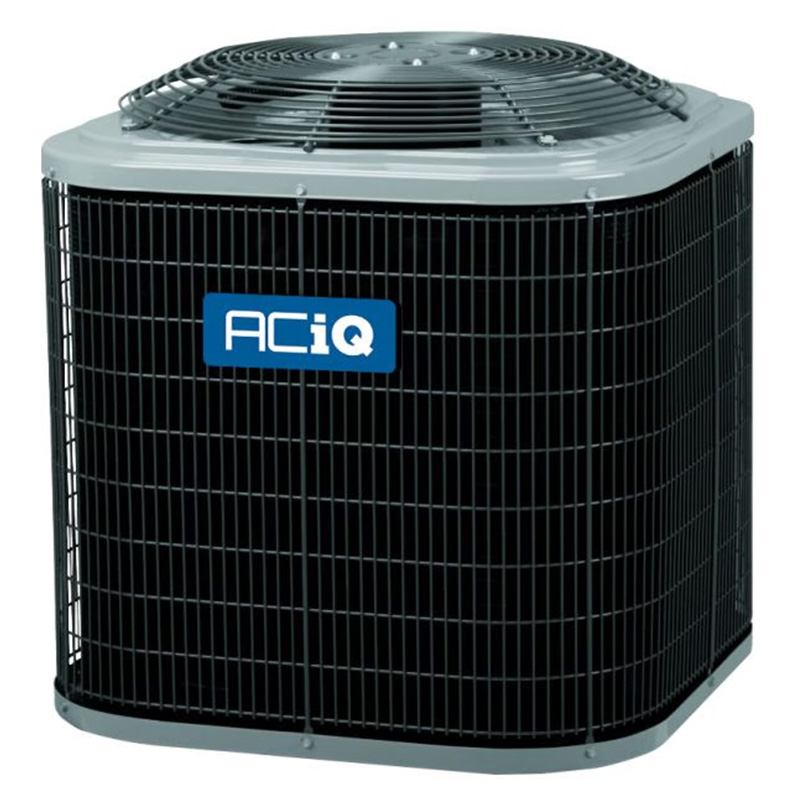
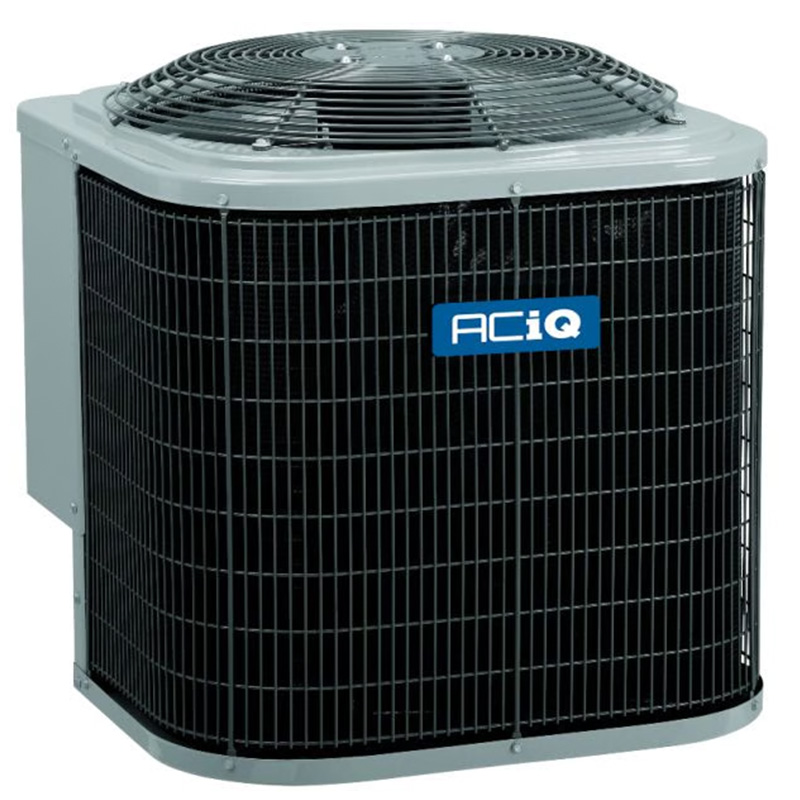
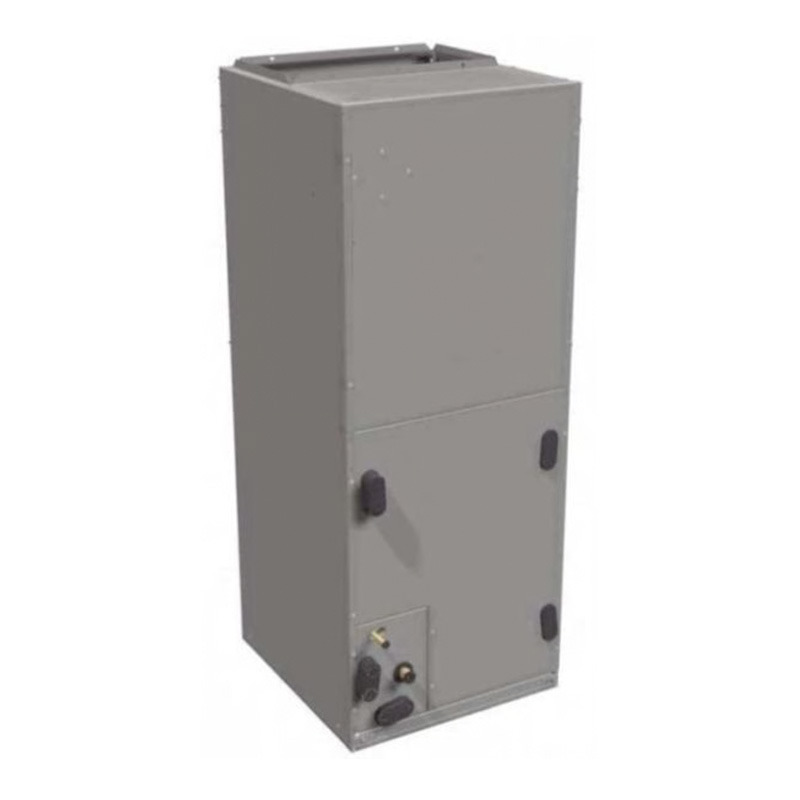
ACiQ 3.5 Ton Heat Pump AC System | 14.5 SEER2 AC | 21" Wide Multi-Positional Air Handler | R454B
View on AC Direct see your lowest price →Check current price on AC Direct →
Key features
- 3.5-ton capacity suited for homes roughly 1,800 to 2,200 sq ft depending on load
- 14.5 SEER2 efficiency rating meets current federal minimums for most U.S. regions
- R-454B refrigerant compliant with current EPA low-GWP requirements
- 21-inch-wide multi-positional air handler fits tight closets and utility rooms
- 12-year parts warranty included at purchase, no dealer markup required
- Sold factory-direct through AC Direct, cutting out the traditional dealer margin
About this system
The ACiQ 3.5 Ton Heat Pump System pairs a 14.5 SEER2 outdoor heat pump with a 21-inch-wide multi-positional air handler, making it a practical fit for homes in the 1,800 to 2,200 square foot range depending on insulation, climate zone, and ceiling height. The system runs on R-454B refrigerant, a lower-global-warming-potential alternative to R-410A that is now required under updated EPA regulations, so this unit is built for the current regulatory environment rather than already aging out of compliance. The 21-inch cabinet width is a genuine selling point for retrofit installations where duct chases, closets, or utility rooms are tight on space.
At 14.5 SEER2, this system clears the federal minimum efficiency floor for most U.S. climate regions and should deliver meaningful savings over aging R-22 or low-SEER R-410A systems, but buyers looking for the lowest possible utility bills in hot, humid climates may want to consider stepping up to a variable-speed or higher-SEER2 system. Where ACiQ earns attention is on price: sold direct through AC Direct without dealer markup, the street price undercuts comparable tonnage and efficiency from name-brand manufacturers by a meaningful margin, and it ships with a 12-year parts warranty included rather than as an upsell. The trade-off is that you are buying into a newer brand without the decades of independent reliability data that Carrier, Trane, or Lennox carry.
The ACiQ 3.5-ton 14.5 SEER2 heat pump system is a competitively priced entry-level option for homeowners who want a code-compliant, R-454B-ready system without paying name-brand premiums. The 12-year warranty and direct-ship pricing are genuine advantages, but the brand's short track record and undisclosed manufacturer mean you are accepting more uncertainty about long-term reliability than you would with an established name. It is a reasonable bet for budget-focused buyers who have a qualified independent installer lined up, not a risk-free one.
Overall score is the average of the five ratings above.
What we like
- Factory-direct pricing undercuts comparable name-brand systems by a substantial margin
- 12-year parts warranty is stronger than many competitors at this price tier
- R-454B refrigerant is forward-compliant with current EPA regulations
- 21-inch multi-positional air handler fits retrofit situations where space is limited
- Early owner feedback consistently highlights quiet operation and responsive customer support
Trade-offs
- Brand is new enough that Consumer Reports has not assigned a reliability score, and long-term independent data is thin
- Undisclosed manufacturer complicates parts cross-referencing and service history research
- No branded dealer network means finding a qualified installer and warranty service falls on the homeowner
- 14.5 SEER2 is the low end of the current efficiency range, leaving notable energy savings on the table versus higher-tier systems
What homeowners and pros say about ACiQ
Homeowners who have installed ACiQ systems tend to report that the equipment runs quietly and that AC Direct’s customer support team responds quickly when questions come up during or after installation. Early owner reviews are largely positive on those two fronts, though the reviewers are working with limited time in service, typically one to three seasons, so the feedback reflects a honeymoon window rather than a proven long-term track record. Consumer Reports has not yet ranked ACiQ because the brand is too new to have accumulated the volume of long-term reliability data that its scoring methodology requires, which is an honest gap rather than a red flag on its own.
HVAC professionals who have worked with ACiQ units generally find the equipment familiar enough to install and service without significant difficulty, but they note the same friction point that owners face: because the manufacturer is not disclosed, cross-referencing components for service calls is harder than with a Carrier or Trane unit where the parts ecosystem is well-documented and widely stocked. The documented risk areas that are worth watching over time include the reliability of capacitors and contactors under heavy seasonal load, potential for refrigerant coil leaks as the system ages, and compressor longevity beyond the five-to-seven-year mark where many budget-tier systems begin to show wear. None of these failure modes are confirmed patterns for ACiQ specifically, but they are the standard checkpoints for any system in this price and efficiency class, and the thin long-term data means there is no strong evidence yet in either direction.
Sources: Consumer Reports heat pump ratings, HVACDirect on the ACiQ brand, AHRI Directory of Certified Product Performance, U.S. DOE appliance and equipment efficiency standards.
What it costs to run
At 14.5 SEER2, cooling this 3.5-ton system for a typical 1200-hour cooling season at the U.S. average electricity rate of $0.17/kWh works out to roughly $591 per year in cooling, about $48 less per year than a minimum-efficiency 13.4 SEER2 unit of the same size. Your real cost depends on your climate and local rate.
Method: (42,000 BTU/hr ÷ 14.5 SEER2) × 1200 hours ÷ 1000 × $0.17/kWh. Rate source: U.S. EIA average; cooling hours: moderate-climate estimate.
How it compares
| Brand | Comparable model | SEER2 | Stage | Price position |
|---|---|---|---|---|
| ACiQ | 3.5 Ton Heat Pump with 21" Multi-Positional Air Handler | 14.5 | Single-stage | Value pick |
| Carrier | Performance 14 Heat Pump (25HPB6) | 14.3-15.2 | Single-stage | Moderately higher, typically sold through dealer with markup |
| Trane | XR14c Heat Pump | 14.3-15.0 | Single-stage | Higher, dealer-installed with labor and margin included |
| Lennox | ML14XP1 Heat Pump | 15.0 | Single-stage | Higher, sold exclusively through Lennox dealer network |
Competitor rows are comparable single-stage units at similar efficiency; price is relative position, not a quote.
Questions about this system
Who actually makes ACiQ equipment, and does it matter for parts availability?
ACiQ is AC Direct's house brand and the actual manufacturer has not been publicly disclosed, though forum discussion points to a connection with the ICP and Carrier family without confirmation. It does matter practically because your technician cannot easily cross-reference the unit to a parent brand's parts catalog, which can slow down service if a component needs replacing outside of a standard warranty claim.
Is 14.5 SEER2 enough efficiency for a hot climate like Texas or Florida?
14.5 SEER2 meets the federal minimum for most southern climate regions and will outperform any aging system it replaces, but in areas with long, intense cooling seasons you will see faster payback from a 17 or 18 SEER2 variable-speed system. If keeping monthly utility bills as low as possible is the priority, the efficiency step-up cost is worth running the numbers on before committing to this tier.
How does the 12-year warranty work since there is no local ACiQ dealer?
ACiQ's 12-year parts warranty is registered at purchase and claims are handled through AC Direct's support channel rather than a local dealer. You will need to hire an independent licensed HVAC contractor to perform any warranty-related repairs, and the parts coverage does not typically include labor, so factor that cost into your total ownership budget.
Is R-454B refrigerant a problem for servicing, and can any technician work with it?
R-454B is the replacement refrigerant mandated under the EPA's updated AIM Act rules, so it is becoming standard rather than exotic, but not every technician's equipment is currently calibrated for it. Confirm with your installer before work begins that they have the correct gauges and refrigerant on hand, since R-454B is mildly flammable (A2L classification) and requires specific handling procedures.
Will a 3.5-ton system be the right size for my home, or should I go up to 4 tons?
Tonnage selection should always be based on a Manual J load calculation performed by your installer, not on square footage rules of thumb alone. Factors like ceiling height, insulation level, window area, local climate, and duct condition all affect the correct size, and an oversized system will short-cycle, reduce humidity control, and wear components faster than a properly sized one.
Specifications
| Cooling capacity | 3.5 Ton |
| Efficiency | 14.5 SEER2 |
| Refrigerant | R-454B |