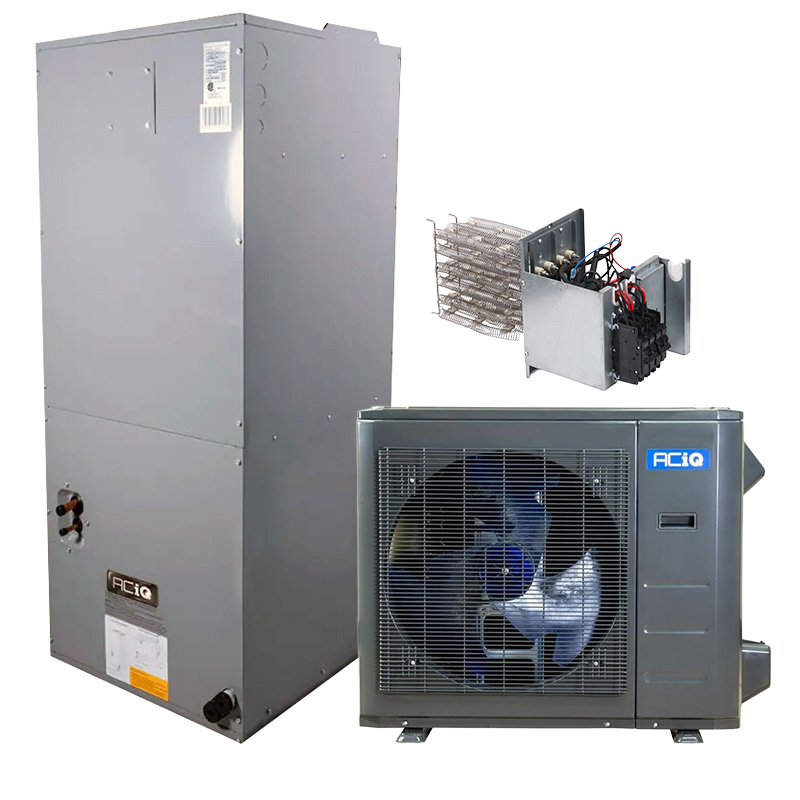
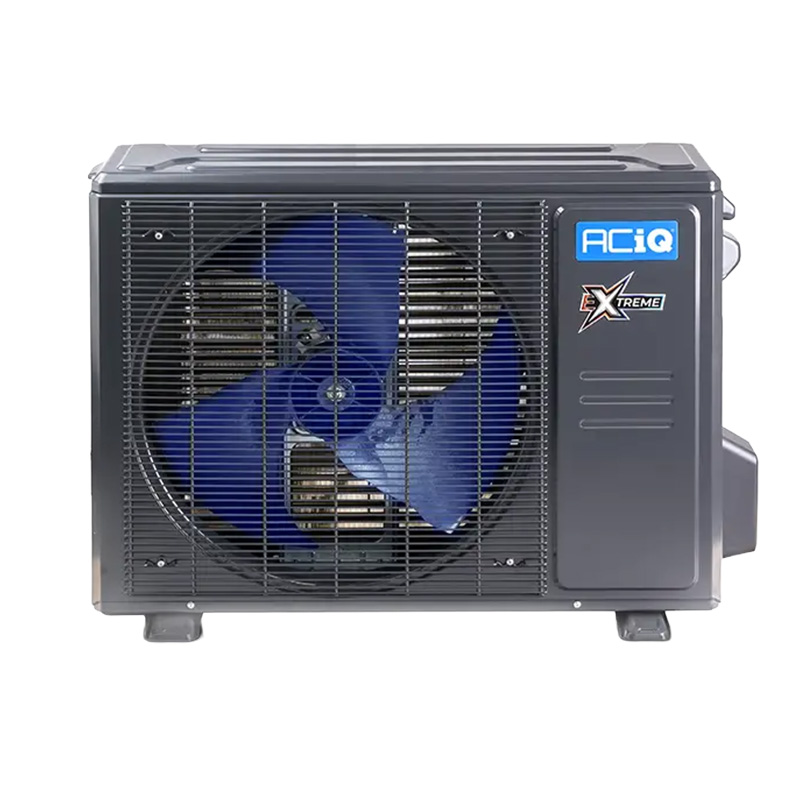
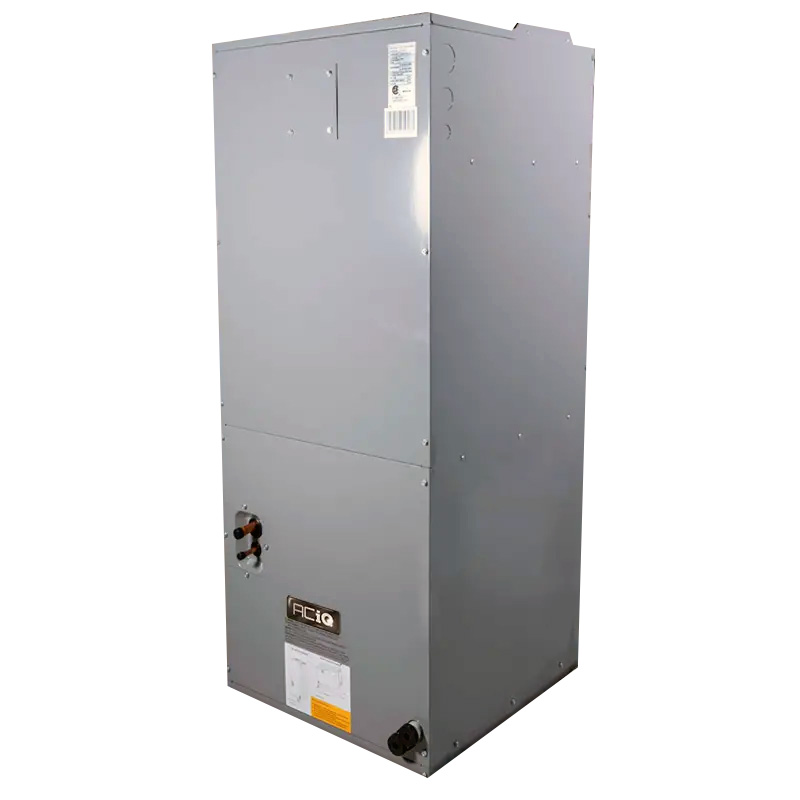
ACiQ 3.5 Ton Split Heat Pump AC System | 16.7 SEER2 High Efficiency Inverter Heats Down To -22° F and Beyond | R454B
View on AC Direct see your lowest price →Check current price on AC Direct →
Key features
- 16.7 SEER2 inverter compressor for variable-capacity operation
- Rated heating performance down to -22°F, suitable for cold climates
- R-454B refrigerant, compliant with current EPA low-GWP requirements
- 3.5-ton capacity, designed for approximately 1,800 to 2,400 sq ft
- 12-year parts warranty included, no dealer markup required
- Sold factory-direct, bypassing distributor and dealer markup layers
About this system
The ACiQ 3.5-ton split heat pump is sized for mid-to-large homes, typically in the 1,800 to 2,400 square foot range depending on climate and insulation. At 16.7 SEER2, it sits in the upper tier of the mid-efficiency bracket, meaningfully above the federal minimums for most regions and close to the threshold where utility rebates often kick in. The inverter-driven compressor modulates output rather than cycling on and off, which reduces temperature swings, lowers peak electricity draw, and tends to run quieter than single-stage equipment.
The headline cold-weather spec is the rated heating capability down to -22 degrees Fahrenheit, which puts this unit in the cold-climate heat pump category and makes it a genuine candidate for northern climates that previously required a gas furnace backup. The system uses R-454B refrigerant, a lower global-warming-potential alternative to R-410A that aligns with current EPA phasedown rules and is increasingly standard on new equipment. For buyers replacing aging R-22 or R-410A systems, R-454B compatibility is worth noting because it requires technicians and components rated for the new refrigerant.
The ACiQ 3.5-ton system delivers a genuinely competitive efficiency rating and a cold-climate heating range that few value-brand competitors can match, all at a price point that undercuts name brands by a meaningful margin. The trade-off is that the brand is too new for long-term reliability data, the manufacturer is undisclosed, and service depends entirely on finding a willing independent contractor. For a budget-conscious buyer who vets their installer carefully, it is a reasonable bet; for anyone who prioritizes a proven service network or bankable long-term reliability history, the uncertainty is real.
Overall score is the average of the five ratings above.
What we like
- 16.7 SEER2 efficiency qualifies for many utility rebates and sits well above regional minimums
- Inverter compressor provides quieter operation and more consistent indoor temperatures than single-stage units
- -22°F rated heating floor makes it viable as a primary heat source in cold northern climates
- 12-year parts warranty ships with the unit at no extra cost, beating most name-brand standard coverage
- Factory-direct pricing removes dealer markup, making the cost gap versus comparable Carrier or Trane models significant
Trade-offs
- Consumer Reports has not yet ranked ACiQ due to insufficient long-term field data, so reliability is an open question
- The actual manufacturer is not publicly disclosed, making parts cross-referencing and service history harder to verify
- No factory dealer network means installation and warranty service depend on finding an independent contractor willing to work with the brand
- R-454B is newer in the field, and not every local HVAC technician will yet be fully familiar with its handling requirements
What homeowners and pros say about ACiQ
Early owner feedback on ACiQ equipment, including units in this heat pump line, centers on three consistent themes: quieter-than-expected operation once the inverter compressor settles into a steady modulation rhythm, stable performance through the first heating and cooling seasons, and a customer support team that owners describe as accessible when questions arise. Consumer Reports has not yet assigned ACiQ a reliability score because the brand is too new to have accumulated the long-term field data the publication requires, which means positive early impressions have not yet been validated by the kind of multi-year sample that would justify high confidence in compressor lifespan or coil durability.
On HVAC contractor forums, the conversation around ACiQ tends to split along familiar lines. Independents who install it report that the equipment arrives well-packaged, that the inverter controls behave predictably during commissioning, and that the direct-sale pricing gives their customers a real cost advantage. The documented sticking points are consistent: because the actual manufacturer is not publicly named, cross-referencing components or pulling a service history is harder than it would be with a Carrier or Trane unit, and that ambiguity makes some technicians uncomfortable. Service also relies entirely on the independent contractor pool, with no factory dealer network to fall back on if a local shop declines the work. Those are real structural trade-offs, not hypothetical ones, and buyers should weigh them against the genuine efficiency and warranty strengths before deciding.
Sources: Consumer Reports heat pump ratings, HVACDirect on the ACiQ brand, AHRI Directory of Certified Product Performance, U.S. DOE appliance and equipment efficiency standards.
What it costs to run
At 16.7 SEER2, cooling this 3.5-ton system for a typical 1200-hour cooling season at the U.S. average electricity rate of $0.17/kWh works out to roughly $513 per year in cooling, about $126 less per year than a minimum-efficiency 13.4 SEER2 unit of the same size. Your real cost depends on your climate and local rate.
Method: (42,000 BTU/hr ÷ 16.7 SEER2) × 1200 hours ÷ 1000 × $0.17/kWh. Rate source: U.S. EIA average; cooling hours: moderate-climate estimate.
How it compares
| Brand | Comparable model | SEER2 | Stage | Price position |
|---|---|---|---|---|
| ACiQ | 3.5 Ton Split Heat Pump 16.7 SEER2 Inverter R-454B | 16.7 | Variable / Inverter | Value pick |
| Carrier | Infinity 18 Heat Pump (25VNA8) | 18+ | Variable | Significantly higher than ACiQ |
| Trane | XV18 Heat Pump | 17-18 | Variable | Significantly higher than ACiQ |
| Lennox | XP17 Heat Pump | 17 | Two-stage | Moderately higher than ACiQ |
Competitor rows are comparable single-stage units at similar efficiency; price is relative position, not a quote.
Questions about this system
Can this heat pump actually replace a gas furnace in a cold northern climate, or do I still need backup heat?
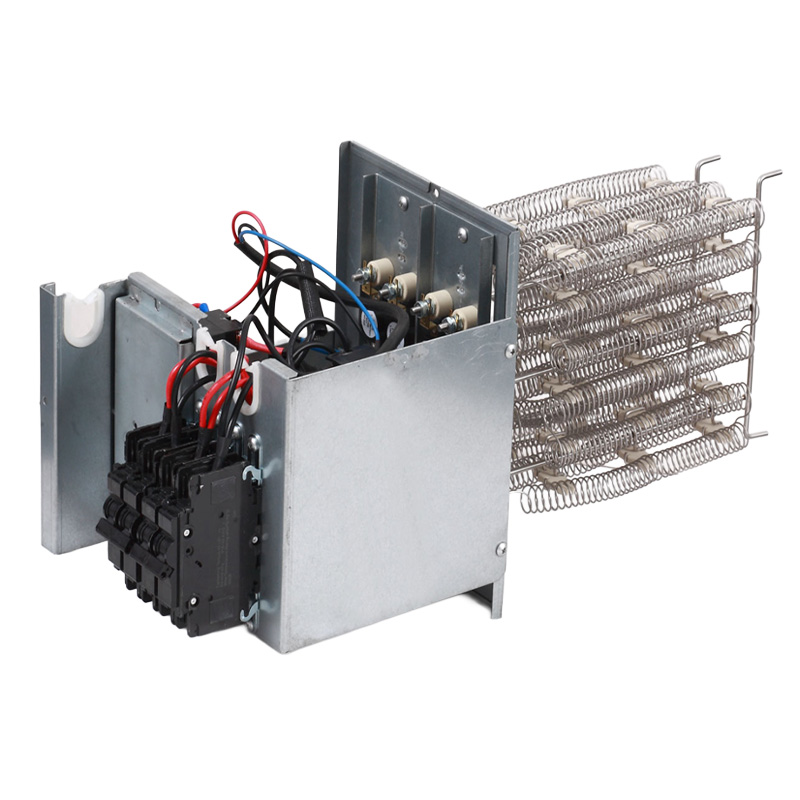
The -22°F rated heating floor means it can move meaningful heat even in severe cold, which puts it ahead of most standard heat pumps. That said, actual capacity drops significantly at extreme low temperatures, and a backup heat strip or retained gas system is still worth considering for the coldest design days in USDA zones 6 and colder. Your installer should run a Manual J load calculation to determine whether backup is necessary for your specific location and home.
Will any HVAC contractor install this, or will shops refuse to touch a direct-to-consumer brand?
Some established dealers who sell Carrier, Trane, or Lennox may decline to install a competing direct-sale brand, or may charge a higher labor rate to do so. The key step is calling contractors in advance, confirming they are comfortable with ACiQ equipment, and verifying they are licensed to handle R-454B refrigerant. Many independent contractors have no objection, but you should not assume availability.
What does the 12-year warranty actually cover, and what are the conditions?
ACiQ's 12-year warranty covers parts, which is above average for the industry where 10 years is common and often requires registration. You should read the current warranty document carefully for registration deadlines, labor exclusions, and whether the warranty is transferable if you sell the home, as these details affect real-world value.
Since the manufacturer is not disclosed, how do I find replacement parts if something fails outside warranty?
This is a legitimate concern. Forum speculation points toward the ICP and Carrier family as the likely manufacturing source, which would mean many components share part numbers with widely available brands, but that is unconfirmed. Your best protection is keeping all documentation and model numbers, and working with a contractor who has experience sourcing parts for lesser-known brands through wholesale distributors.
Does R-454B refrigerant cost more to service than the R-410A in my current system?
R-454B refrigerant is newer and currently costs more per pound than R-410A at most wholesale suppliers, though pricing is expected to stabilize as production scales up. More importantly, it requires equipment and certifications specific to A2L refrigerants, so confirm your service technician has the appropriate training and recovery equipment before scheduling any refrigerant-related work.
Specifications
| Cooling capacity | 3.5 Ton |
| Efficiency | 16.7 SEER2 |
| Refrigerant | R-454B |