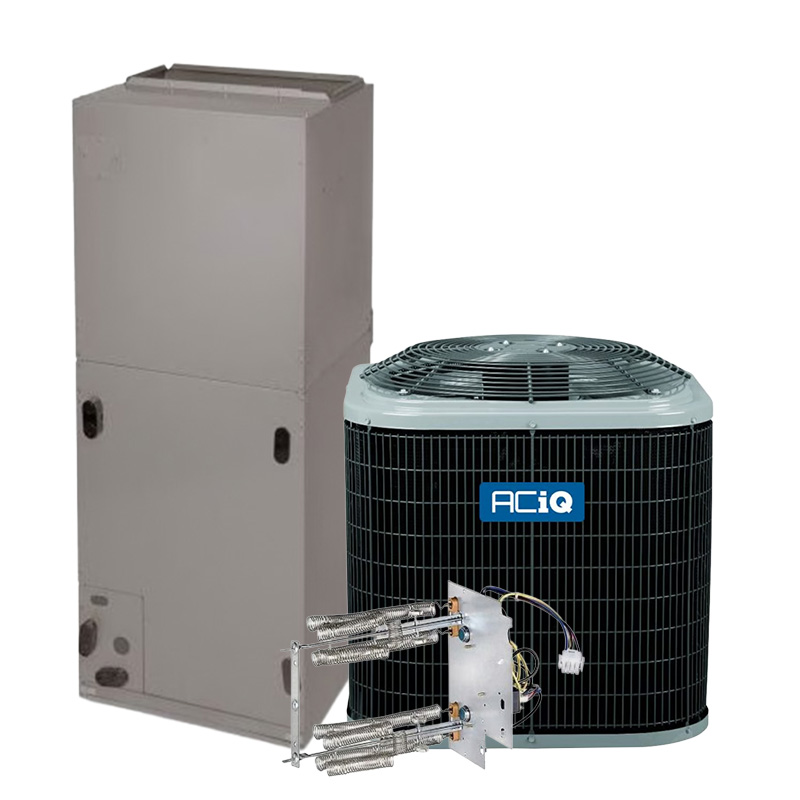
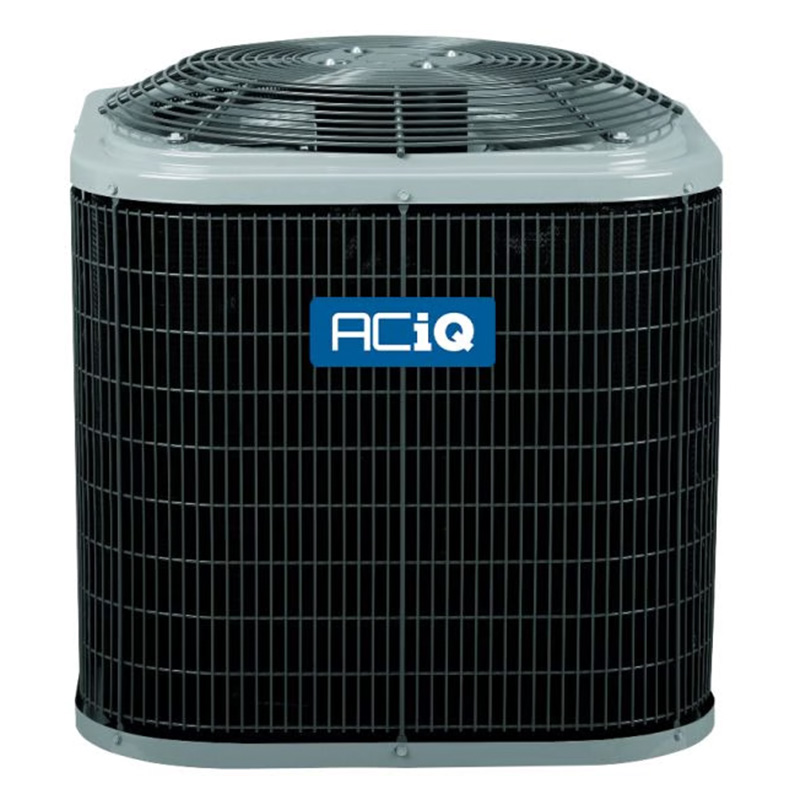
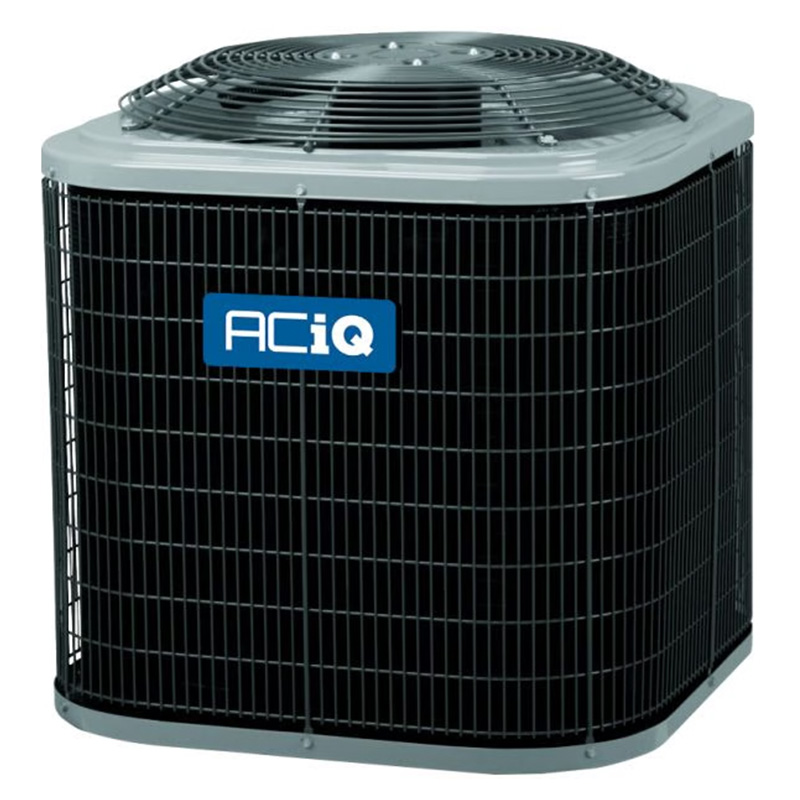
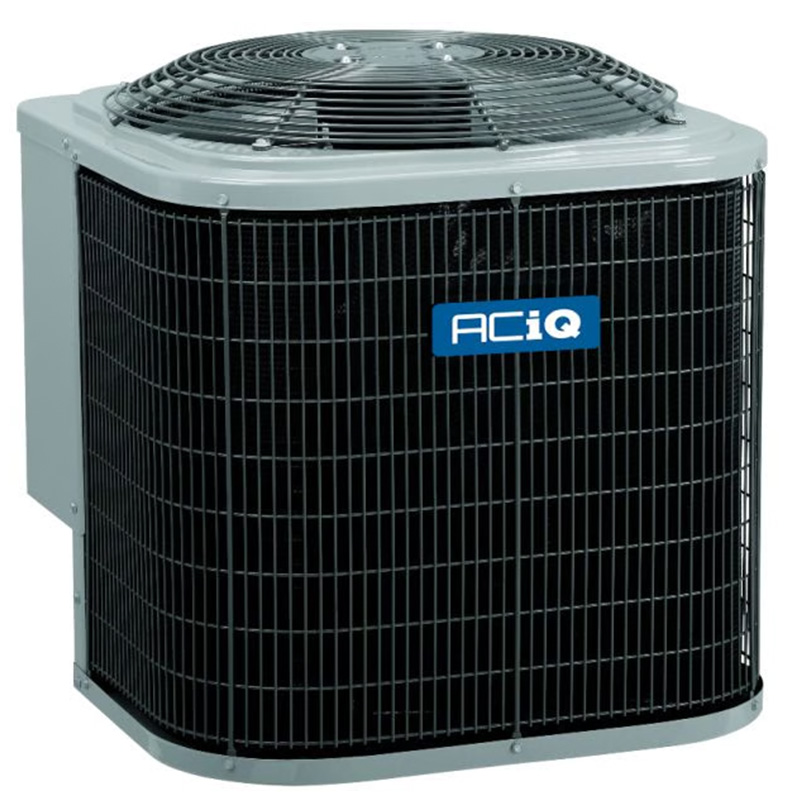
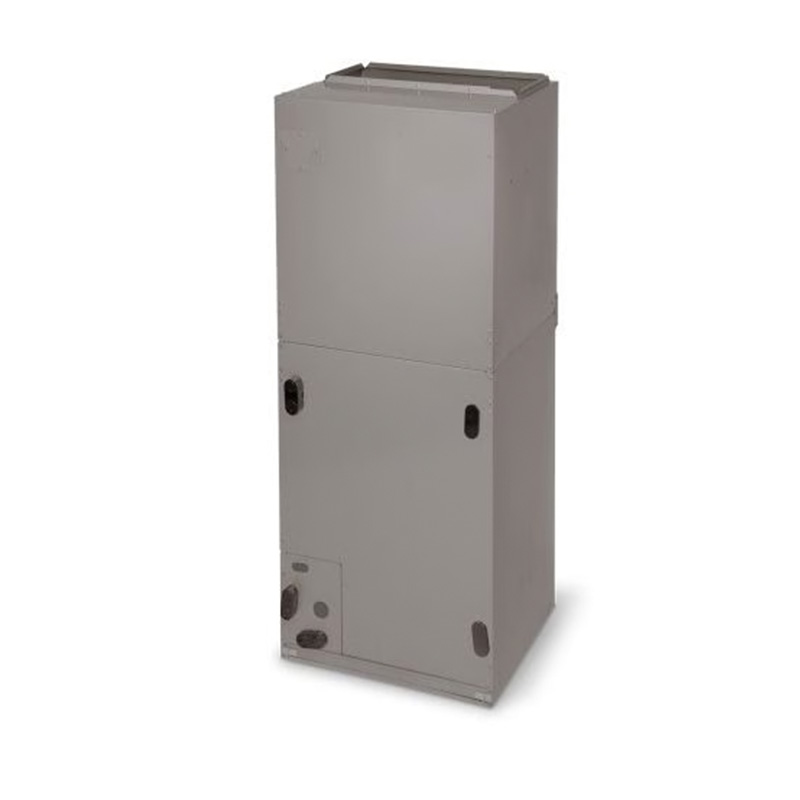
ACiQ 3 Ton AC With Electric Heat System | 15.5 SEER2 AC | 21" Wide Variable Speed Multi-Positional Modular Air Handler | R454B
View on AC Direct see your lowest price →Check current price on AC Direct →
Key features
- 15.5 SEER2 cooling efficiency, above federal minimums for most U.S. climate zones
- Variable-speed ECM air handler blower for quieter operation and better humidity control
- 21-inch-wide cabinet fits tighter mechanical spaces than standard 24-inch air handlers
- R-454B refrigerant: lower global-warming potential, compliant with current and upcoming regulations
- Multi-positional modular design supports upflow, downflow, and horizontal installation
- 12-year parts warranty included without dealer markup, registered through ACiQ direct
About this system
The ACiQ 3-Ton AC with Electric Heat System pairs a 15.5 SEER2 cooling-only condensing unit with a 21-inch-wide variable-speed multi-positional modular air handler and electric heat strips, all running on the newer R-454B refrigerant. That 21-inch cabinet width is a meaningful spec: it fits into tighter utility closets and narrow mechanical rooms where a standard 24-inch air handler would not clear the framing, making this a practical pick for townhomes, condos, and retrofit installations where space is genuinely constrained. The variable-speed blower motor ramps airflow up and down in response to demand rather than toggling between full-on and full-off, which typically improves humidity control and reduces the temperature swings that single-speed systems produce.
At 15.5 SEER2, this system lands in the mid-efficiency tier, comfortably above the federal minimum for most U.S. climate zones but well below the 18-plus SEER2 range of premium inverter systems. That efficiency level is a reasonable match for moderate-climate homes, owners replacing an older R-22 or R-410A system on a budget, and buyers who want a meaningful efficiency upgrade without paying the premium for top-tier equipment. The R-454B refrigerant is a lower-GWP alternative to R-410A and meets current and near-future regulatory requirements, so the system is forward-compatible as refrigerant rules continue to tighten. Electric heat strips rather than a heat pump mean heating costs will be higher in cold weather, so this configuration makes the most sense in mild-winter climates or as supplemental heat in a dual-fuel setup.
The ACiQ 3-Ton 15.5 SEER2 system offers genuinely competitive efficiency and a strong warranty at a price that undercuts comparable name-brand equipment by a meaningful margin. The variable-speed air handler and compact cabinet width add real practical value, especially in retrofit applications. The honest trade-off is that the brand is newer, long-term independent reliability data is still thin, and the direct-to-consumer model means you are responsible for finding and vetting your own installer.
Overall score is the average of the five ratings above.
What we like
- Lower purchase price than comparable Carrier, Trane, or Lennox equipment at similar efficiency
- Variable-speed ECM blower improves comfort and humidity management versus single-speed alternatives
- 21-inch-wide air handler opens up installation options in space-constrained homes
- 12-year parts warranty requires no dealer markup and ships with the unit
- R-454B refrigerant is forward-compatible with tightening environmental regulations
Trade-offs
- No independent long-term reliability data yet; Consumer Reports has not ranked ACiQ due to insufficient history
- Undisclosed manufacturer makes it harder to cross-reference parts availability and service records
- Sold direct, so finding a qualified installer and warranty-compliant service technician falls entirely on the buyer
- Electric heat strips are expensive to operate in cold climates compared to a heat pump configuration
What homeowners and pros say about ACiQ
Early owner feedback on ACiQ equipment collected through Google reviews of AC Direct and forum threads skews positive, with quiet operation, smooth variable-speed airflow, and responsive customer support mentioned most often. Those accounts are encouraging, but they also reflect a relatively new brand with a limited install base, so they carry less weight than the multi-year reliability data Consumer Reports uses to rank established manufacturers. Consumer Reports has not yet rated ACiQ because there is not enough long-term field history to score it honestly, and that gap is the most important caveat a prospective buyer should hold onto. The brand’s origins are unconfirmed but widely speculated to trace back to the ICP and Carrier manufacturing family, which would suggest decent component quality, though that connection remains unverified and cannot be counted on when sourcing parts through third-party channels.
On the contractor side, the direct-sale model is the friction point that comes up most in HVAC professional discussions. Because ACiQ bypasses the traditional dealer network, technicians encounter it less frequently and may be less familiar with model-specific quirks. The specific failure modes most relevant to any variable-speed split system in this class are capacitor degradation, refrigerant coil leaks at the brazed joints, and long-term compressor wear, and with ACiQ there is simply less aggregated service data to know how this particular equipment ages relative to those benchmarks. The 12-year parts warranty is a genuine upside that partially offsets that uncertainty, but warranty value is only realized if a qualified technician can diagnose and document the failure correctly, which puts extra importance on vetting your installer before the equipment ever ships to your door.
Sources: Consumer Reports heat pump ratings, HVACDirect on the ACiQ brand, AHRI Directory of Certified Product Performance, U.S. DOE appliance and equipment efficiency standards.
What it costs to run
At 15.5 SEER2, cooling this 3-ton system for a typical 1200-hour cooling season at the U.S. average electricity rate of $0.17/kWh works out to roughly $474 per year in cooling, about $74 less per year than a minimum-efficiency 13.4 SEER2 unit of the same size. Your real cost depends on your climate and local rate.
Method: (36,000 BTU/hr ÷ 15.5 SEER2) × 1200 hours ÷ 1000 × $0.17/kWh. Rate source: U.S. EIA average; cooling hours: moderate-climate estimate.
How it compares
| Brand | Comparable model | SEER2 | Stage | Price position |
|---|---|---|---|---|
| ACiQ | 3-Ton 15.5 SEER2 AC with Electric Heat / Variable-Speed Air Handler | 15.5 | Variable | Value pick |
| Carrier | Comfort 24ACC636A003 with FV4C Fan Coil | 15.2 | Single-stage | Noticeably higher than ACiQ for similar or lower efficiency |
| Trane | XR15 (4TTR5036) with TAM7 Air Handler | 15.0 | Single-stage | Higher than ACiQ with a longer reliability track record priced in |
| Lennox | Merit ML14XC1 with CBX32MV Air Handler | 15.5 | Single-stage / variable blower | Higher than ACiQ; dealer network and brand history carry a cost premium |
Competitor rows are comparable single-stage units at similar efficiency; price is relative position, not a quote.
Questions about this system
Will any licensed HVAC contractor be able to install and service this system, or does it require a certified ACiQ dealer?
Any licensed HVAC contractor who is EPA 608 certified to handle refrigerants can install and service this system. ACiQ does not operate a dealer network, so you will need to source your own installer. Confirm that the contractor is comfortable working with R-454B refrigerant and understands the warranty registration requirements before signing a contract.
What heat strip sizes are compatible with this air handler, and how do I size them correctly?
ACiQ's modular air handler accepts field-installed electric heat kits in several kilowatt ratings; the correct size depends on your home's heating load calculation and your local electrical panel capacity. Have your contractor run a Manual J load calculation and confirm the available breaker amperage before ordering a kit, as undersized electrical service is a common installation problem with electric-heat air handlers.
Is R-454B refrigerant readily available if I need a recharge or repair in a few years?
R-454B is being adopted broadly as manufacturers transition away from R-410A, and availability is growing. It is not yet as universally stocked as R-410A, so confirm that your local service contractors carry it or can source it before committing to the system. Availability should improve as the industry-wide transition continues.
The manufacturer behind ACiQ is not publicly disclosed. How do I find replacement parts if I need them down the road?
ACiQ sources parts through AC Direct and its support team, so the first step for any part need is contacting ACiQ directly. The undisclosed OEM relationship does make it harder to cross-shop parts through third-party suppliers the way you can with a Carrier or Trane system, which is a real limitation worth factoring into your decision if you prefer maximum parts-sourcing flexibility.
How does 15.5 SEER2 compare to the efficiency minimums required in my region, and is it worth paying more for a higher-efficiency unit?
Federal minimum SEER2 requirements as of 2023 range from 13.4 to 14.3 depending on your region, so 15.5 SEER2 exceeds the baseline everywhere in the U.S. Whether stepping up to 17 or 18 SEER2 pays off depends on your local electricity rates, annual cooling hours, and how long you plan to stay in the home; in high-rate or high-runtime markets the payback can be real, while in mild climates or short ownership horizons the math rarely favors the premium tier.
Specifications
| Cooling capacity | 3 Ton |
| Efficiency | 15.5 SEER2 |
| Refrigerant | R-454B |