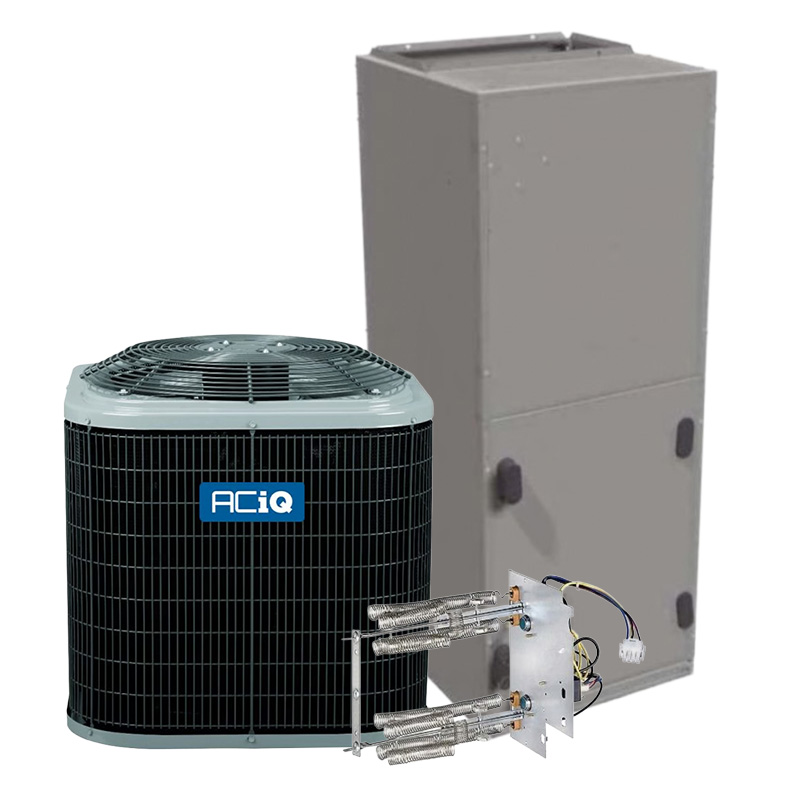
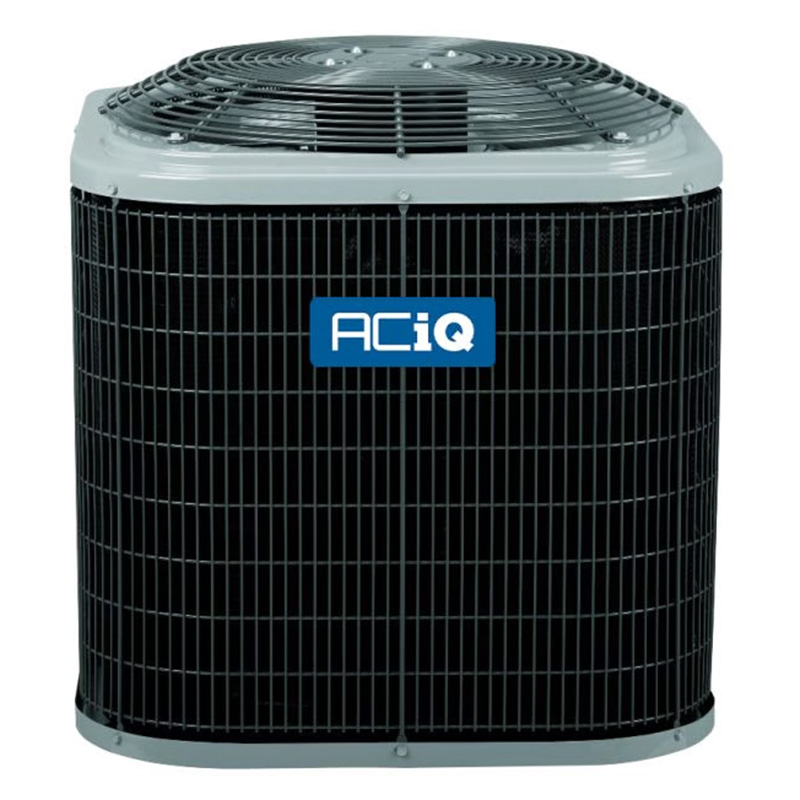
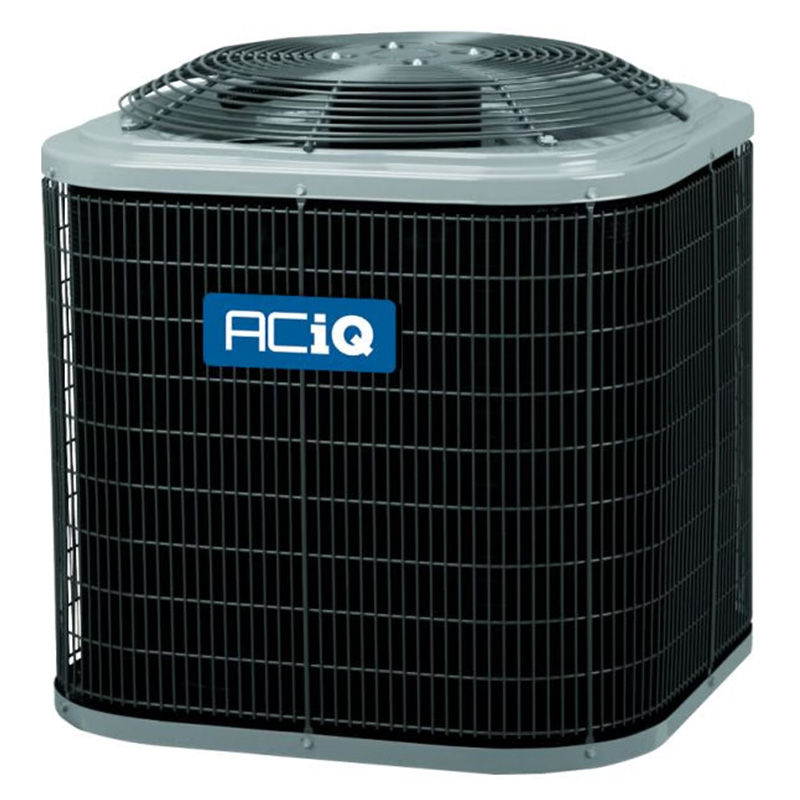
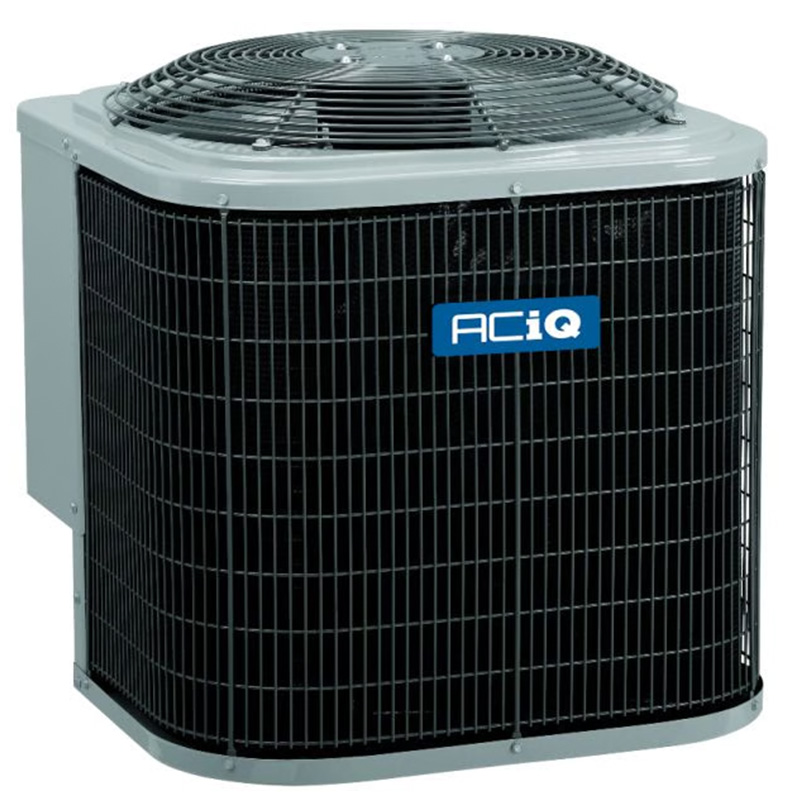
ACiQ 3 Ton Air Conditioning With Electric Heat System | 15.2 SEER2 AC | 21" Wide Multi-Positional Air Handler | R454B
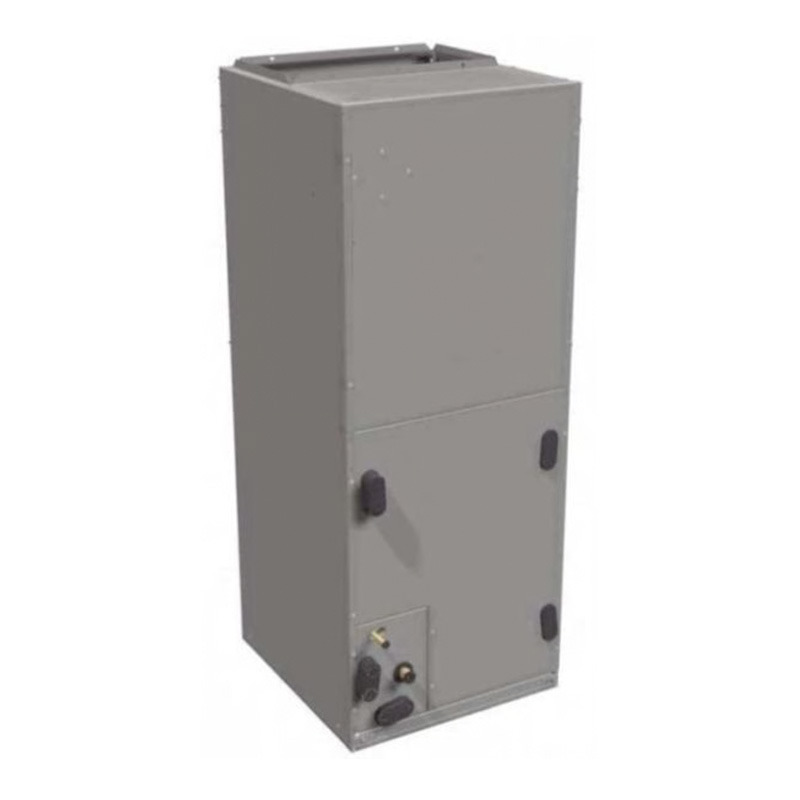
View on AC Direct see your lowest price →Check current price on AC Direct →
Key features
- 15.2 SEER2 efficiency rating, above federal minimum and eligible for some utility rebates
- 21-inch-wide multi-positional air handler fits upflow, downflow, and horizontal installations
- R-454B refrigerant, a lower-GWP replacement for R-410A compliant with current regulations
- Electric heat strips included, suitable as primary heat in mild climates or supplemental heat elsewhere
- 12-year parts warranty shipped direct with no dealer markup added to the coverage
- Sold factory-direct through AC Direct, which typically undercuts dealer-channel brand pricing
About this system
The ACiQ 3-Ton 15.2 SEER2 air conditioning system with electric heat pairs a straightforward split-system condenser with a 21-inch-wide multi-positional air handler that can be installed in upflow, downflow, or horizontal orientations. That flexibility makes it a practical fit for attic installs, closet-based systems, basement furnace rooms, and crawlspace horizontal runs alike, without requiring separate model SKUs for each application. The electric heat strips handle supplemental or primary heating duty, so this package works well in mild-to-moderate heating climates where a gas furnace is unnecessary or impractical.
At 15.2 SEER2, this system clears the federal minimum efficiency threshold by a meaningful margin and sits in the entry-level efficient tier. It will outperform older 13 or 14 SEER units on operating costs, but it does not approach the operating-cost savings of 18-plus SEER2 inverter-driven systems. For homeowners replacing an aging single-stage system in a moderate climate who want a solid efficiency step-up without paying premium-brand prices, this system occupies a sensible middle ground. R-454B refrigerant is a lower-global-warming-potential alternative to R-410A, aligning with current and near-future refrigerant regulations.
The ACiQ 3-Ton 15.2 SEER2 system offers genuine value for budget-conscious homeowners who want a step above minimum efficiency and can accept the trade-offs of a newer, direct-sold brand. The 12-year warranty is competitive with name brands and the multi-positional air handler adds real installation flexibility, but the undisclosed manufacturer, thin long-term reliability data, and the absence of a dealer service network are legitimate concerns that buyers should weigh honestly before purchasing.
Overall score is the average of the five ratings above.
What we like
- Price lands noticeably below comparable tonnage and efficiency from Carrier, Trane, or Lennox dealer channels
- 12-year parts warranty is strong for this price tier and requires no dealer to register
- Multi-positional air handler reduces SKU complexity and suits a wide range of installation configurations
- R-454B refrigerant positions the system for long-term regulatory compliance as R-410A phases out
- Early owner feedback consistently highlights quiet operation and responsive factory support
Trade-offs
- The actual manufacturer is not disclosed, which complicates parts sourcing and cross-referencing service history for technicians
- Consumer Reports has not yet ranked ACiQ due to insufficient long-term field data, so independent reliability verification is unavailable
- No factory dealer network means service depends entirely on finding an independent contractor willing to work on the brand
- 15.2 SEER2 is a modest efficiency rating; homeowners in hot climates running the system heavily will see meaningfully higher operating costs than with a 17-plus SEER2 unit
What homeowners and pros say about ACiQ
Early owner feedback on ACiQ systems, gathered from direct-sale review channels and HVAC forum threads, runs mostly positive on the things buyers notice first: the units run quietly, cooling performance has met expectations, and the company’s support line has been responsive when questions arise. That said, Consumer Reports has not yet ranked ACiQ because the brand is too new to have accumulated the long-term field data the organization requires for a reliability score. Independent verification of how these systems hold up over a ten-year ownership horizon simply does not exist yet, and buyers should factor that uncertainty into their decision rather than treating positive early reviews as a proxy for proven durability.
The documented structural concerns with the ACiQ brand are worth naming plainly. Because the manufacturer behind the equipment is not disclosed, an HVAC technician diagnosing a failed component cannot cross-reference parts against a known parent brand’s service history, which slows down some repairs and can create friction with contractors who prefer familiar lineage. The absence of a factory dealer network means service quality depends entirely on which independent contractor you find, with no manufacturer-backed service channel to escalate to. Specific failure modes that have appeared in owner reports and forum discussions for direct-sale value brands in this class include capacitor failures in early years, refrigerant coil leaks, and uncertainty around long-term compressor lifespan, though none of these have been documented at unusual rates for ACiQ specifically given the brand’s limited track record. The 12-year parts warranty is a genuine offset to these concerns, provided the company remains active to honor it over that window.
Sources: Consumer Reports heat pump ratings, HVACDirect on the ACiQ brand, AHRI Directory of Certified Product Performance, U.S. DOE appliance and equipment efficiency standards.
What it costs to run
At 15.2 SEER2, cooling this 3-ton system for a typical 1200-hour cooling season at the U.S. average electricity rate of $0.17/kWh works out to roughly $483 per year in cooling, about $65 less per year than a minimum-efficiency 13.4 SEER2 unit of the same size. Your real cost depends on your climate and local rate.
Method: (36,000 BTU/hr ÷ 15.2 SEER2) × 1200 hours ÷ 1000 × $0.17/kWh. Rate source: U.S. EIA average; cooling hours: moderate-climate estimate.
How it compares
| Brand | Comparable model | SEER2 | Stage | Price position |
|---|---|---|---|---|
| ACiQ | 3-Ton 15.2 SEER2 AC with Electric Heat, Multi-Positional Air Handler | 15.2 | Single-stage | Value pick |
| Carrier | Comfort 24ACC636 with FV4C Air Handler | 15.2 | Single-stage | Moderately higher through dealer channel with installation markup |
| Trane | XR15 with TAM9 Air Handler | 15.0–15.5 | Single-stage | Moderately higher through dealer channel with regional pricing variation |
| Lennox | Merit ML14XC1 with CBX25UHV Air Handler | 15.0–16.0 | Single-stage | Higher than ACiQ through dealer channel, Lennox typically at a premium to Carrier and Trane |
Competitor rows are comparable single-stage units at similar efficiency; price is relative position, not a quote.
Questions about this system
Will any licensed HVAC contractor be able to install and service this system, or do I need a specific ACiQ dealer?
Any EPA 608-certified HVAC technician can install and service this system since it uses standard split-system components and R-454B refrigerant. ACiQ does not have a proprietary dealer network, so you will need to source your own independent contractor. It is worth confirming upfront that your chosen technician is comfortable working on the brand, since some contractors prefer systems with disclosed manufacturer lineage for parts cross-referencing.
Who actually makes ACiQ equipment, and does it matter for parts availability?
ACiQ is AC Direct's house brand and the actual manufacturer has not been publicly disclosed, though forum discussion points speculatively toward the ICP and Carrier family of manufacturers. It does matter in a practical sense because a technician cannot easily look up shared parts numbers across known brand lines, which can slow down sourcing if a component needs replacement outside of ACiQ's own parts channel.
Is 15.2 SEER2 efficient enough to qualify for the federal energy tax credit or utility rebates?
The federal residential clean energy tax credit for central air conditioning requires a minimum of 16 SEER2 for split systems as of current IRS guidance, so this unit at 15.2 SEER2 would not qualify. Many utility rebate programs use their own thresholds, which vary by provider and region, so it is worth checking your specific utility's requirements directly before purchase.
Can the electric heat strips in this system serve as the primary heat source, or are they only meant for supplemental use?
Electric resistance heat strips can function as a primary heat source, and this configuration is common in warm-climate regions like the Southeast and Southwest where extended heating seasons are rare. In climates with cold winters, electric strip heat is significantly more expensive to operate than a gas furnace or heat pump, so the suitability depends heavily on your location and how many heating hours you log per year.
The air handler is listed as multi-positional and 21 inches wide. Will it fit in a standard closet or attic space?
The 21-inch width is narrower than many comparable air handlers, which helps in tighter closet installs, but you will still need to account for the unit's full height and depth plus clearance for service access and ductwork connections. Multi-positional means the same cabinet can be configured for upflow, downflow, or horizontal operation, reducing the risk of ordering the wrong unit for your application. Always verify the full dimensional spec sheet against your actual space before ordering.
Specifications
| Cooling capacity | 3 Ton |
| Efficiency | 15.2 SEER2 |
| Refrigerant | R-454B |