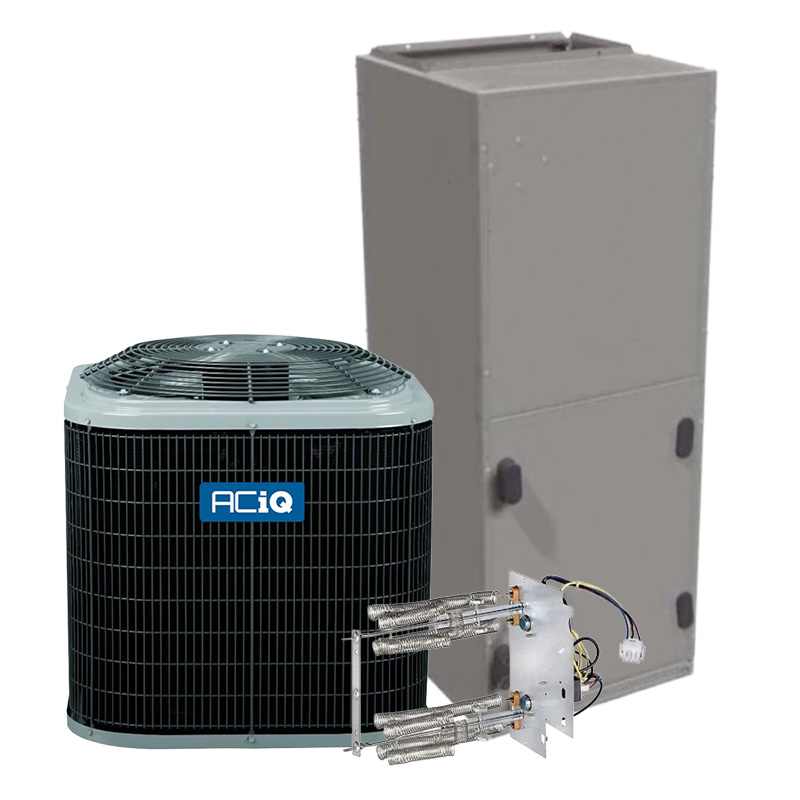
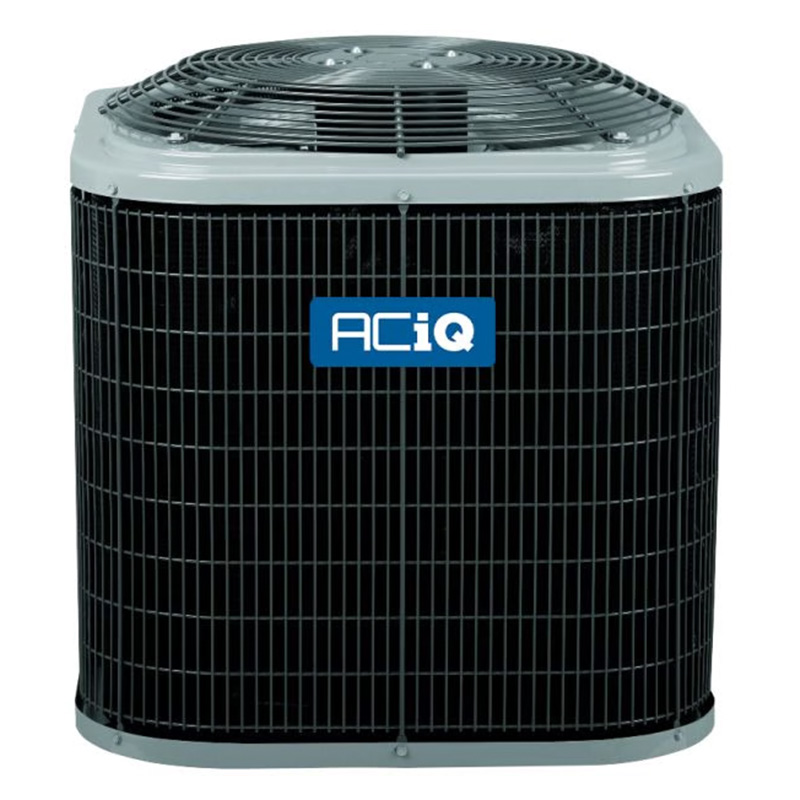
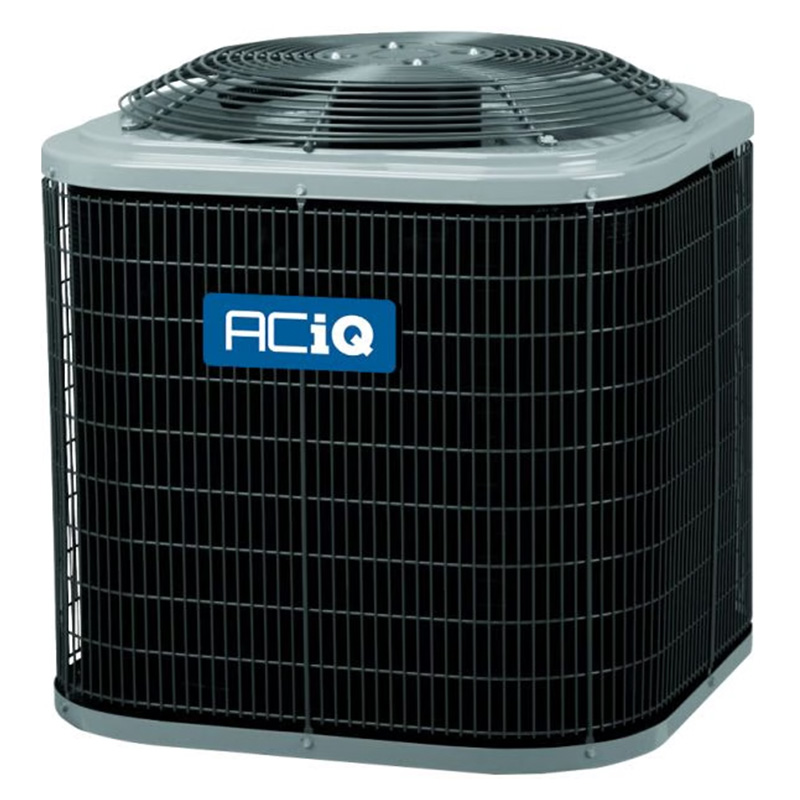
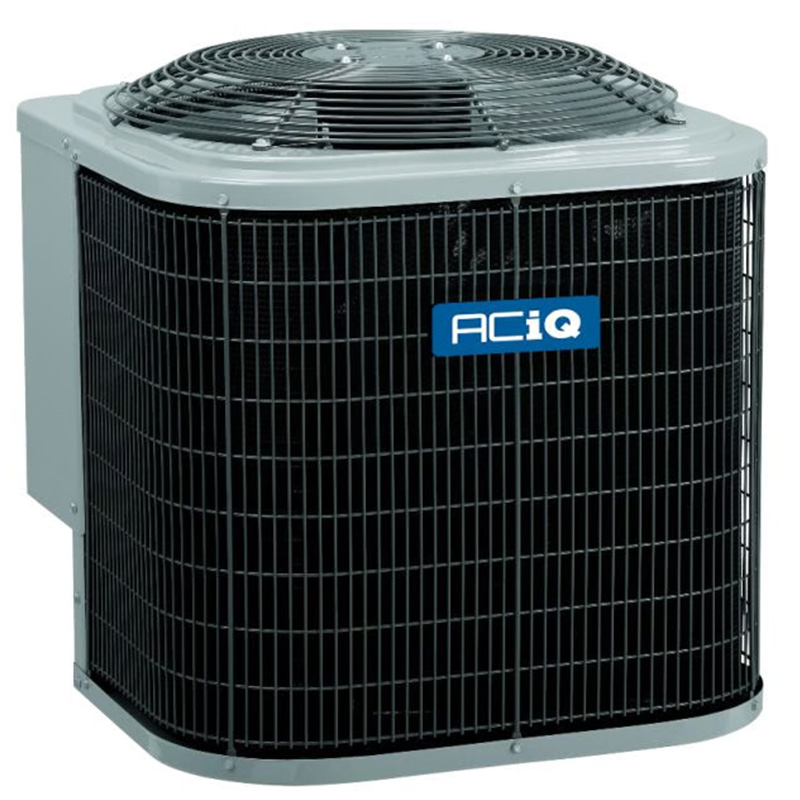
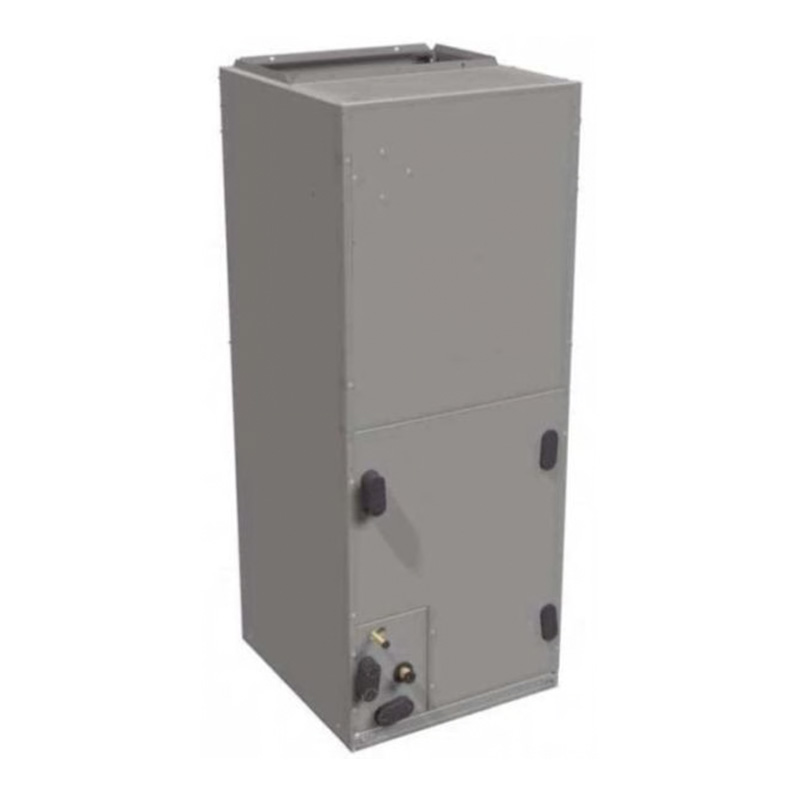
ACiQ 4 Ton Air Conditioning With Electric Heat System | 14 SEER2 AC | 21" Wide Multi-Positional Modular Air Handler | R454B
View on AC Direct see your lowest price →Check current price on AC Direct →
Key features
- 4-ton capacity suitable for larger homes, roughly 2,000 to 2,600 sq ft depending on load conditions
- 14 SEER2 efficiency rating meets current federal minimum standards for most U.S. climate regions
- 21-inch-wide multi-positional air handler supports upflow, downflow, and horizontal installation
- Integrated electric heat strips in the air handler eliminate the need for a separate furnace or heat kit
- R-454B refrigerant complies with updated EPA low-GWP requirements for new residential systems
- 12-year parts warranty included without dealer markup, registered through ACiQ directly
About this system
The ACiQ 4-Ton 14 SEER2 Air Conditioning with Electric Heat System is a split-system package designed for larger homes, typically in the 2,000 to 2,600 square foot range depending on climate zone and insulation quality. It pairs a 4-ton condensing unit with a 21-inch-wide multi-positional modular air handler that can be configured for upflow, downflow, or horizontal installation, which makes it a workable fit for attics, closets, and utility rooms where space or orientation is a constraint. The system uses R-454B refrigerant, a lower-global-warming-potential alternative to R-410A that is now required under updated EPA regulations, so you are buying a system already aligned with current and near-future compliance standards.
The electric heat component is integrated into the air handler rather than added as a separate strip-heat kit after the fact, which simplifies installation in climates where a heat pump or gas furnace is not the right choice. At 14 SEER2, this system meets the federal minimum efficiency standard for most U.S. regions and will operate more efficiently than an older 13 SEER or lower unit it might be replacing, though it does not compete on efficiency with higher-tier 16 SEER2 or variable-speed systems. For homeowners who want reliable cooling and basic electric heat without paying a premium for features they may not need, this configuration hits a practical middle ground on both cost and complexity.
The ACiQ 4-Ton 14 SEER2 system offers a straightforward, code-compliant split system at a price that undercuts established name brands by a meaningful margin. The 12-year warranty is a genuine differentiator at this price tier, though the brand's short track record and undisclosed manufacturing origin are real unknowns buyers should weigh. It is a reasonable choice for cost-conscious buyers with a trusted independent HVAC contractor on hand, but not the right fit for anyone who wants the service infrastructure of a dealer-backed brand.
Overall score is the average of the five ratings above.
What we like
- Price lands well below comparable 4-ton systems from Carrier, Trane, or Lennox at similar efficiency
- 12-year parts warranty ships with the unit at no extra cost and requires no dealer registration fee
- Multi-positional air handler reduces installation constraints in tight or unusually oriented mechanical spaces
- R-454B refrigerant positions the system ahead of older refrigerant platforms for regulatory longevity
- Early owner feedback consistently points to quiet outdoor unit operation and responsive customer support from ACiQ
Trade-offs
- 14 SEER2 is the federal minimum tier, so long-term energy savings are modest compared to 16 SEER2 or higher systems
- Undisclosed manufacturer makes parts cross-referencing and technician familiarity harder than with a named-brand unit
- No dealer network means service and warranty labor depend entirely on finding a willing independent contractor
- Long-term reliability data is thin since the brand is relatively new and Consumer Reports has not yet assigned a reliability score
What homeowners and pros say about ACiQ
Homeowners who have installed ACiQ systems frequently highlight the quiet operation of the outdoor condenser and the responsiveness of ACiQ’s direct support line as the strongest points in early ownership. The brand does not yet carry a Consumer Reports reliability ranking because independent long-term data is still being accumulated, and that absence is worth acknowledging honestly. What owner forums and early reviews do surface are concerns specific to direct-to-consumer HVAC brands generally: technicians unfamiliar with the platform can be slower to diagnose issues, and the undisclosed manufacturer origin makes it harder to cross-reference components when a part needs to be sourced quickly. No widespread documented failure pattern has emerged specific to ACiQ condensers or air handlers at this writing, but the brand is too new for that absence to be read as a reliability endorsement.
Among HVAC professionals, the reactions to ACiQ tend to split along familiar lines. Contractors who work regularly with direct-sale brands are generally comfortable with the equipment and note that the build quality appears consistent with mid-tier production from a large manufacturer. Contractors who prefer dealer-backed brands point to the same concerns buyers should weigh: no factory-authorized service network, parts sourcing that runs through ACiQ rather than a regional distributor, and the reality that warranty labor falls outside the coverage. For the R-454B refrigerant specifically, technicians will need updated certification and recovery equipment, which is increasingly standard as the industry transitions away from R-410A but is still worth confirming with your installer before purchase.
Sources: Consumer Reports heat pump ratings, HVACDirect on the ACiQ brand, AHRI Directory of Certified Product Performance, U.S. DOE appliance and equipment efficiency standards.
What it costs to run
At 14 SEER2, cooling this 4-ton system for a typical 1200-hour cooling season at the U.S. average electricity rate of $0.17/kWh works out to roughly $699 per year in cooling, about $32 less per year than a minimum-efficiency 13.4 SEER2 unit of the same size. Your real cost depends on your climate and local rate.
Method: (48,000 BTU/hr ÷ 14 SEER2) × 1200 hours ÷ 1000 × $0.17/kWh. Rate source: U.S. EIA average; cooling hours: moderate-climate estimate.
How it compares
| Brand | Comparable model | SEER2 | Stage | Price position |
|---|---|---|---|---|
| ACiQ | 4-Ton 14 SEER2 AC with Electric Heat, Multi-Positional Air Handler | 14 | Single-stage | Value pick |
| Carrier | Comfort 24ACC4 with FB4C Air Handler | 14 | Single-stage | Moderate premium over ACiQ with dealer network included |
| Trane | XR14c with TEM6 Air Handler | 14 | Single-stage | Moderate to significant premium over ACiQ with regional dealer support |
| Lennox | Merit ML14XC1 with CBX25UH Air Handler | 14 | Single-stage | Similar premium to Trane, typically higher installed cost than ACiQ |
Competitor rows are comparable single-stage units at similar efficiency; price is relative position, not a quote.
Questions about this system
Will any licensed HVAC contractor be able to install and service this system, or do I need a specific ACiQ dealer?
ACiQ sells direct rather than through a dealer network, so any licensed HVAC contractor who works with split systems and is certified to handle R-454B refrigerant can install it. The trade-off is that warranty labor is not backed by a dealer, so you are responsible for finding and coordinating a contractor for any future service calls.
Is 14 SEER2 going to cost me significantly more to run than a higher-efficiency unit?
At the 4-ton level, stepping up from 14 SEER2 to 16 SEER2 can reduce cooling energy consumption by roughly 12 to 14 percent, which translates to real but incremental savings over time. In a hot climate with long cooling seasons, the payback period on a higher-efficiency system is shorter, so it is worth calculating your local utility rate and annual run hours before deciding.
Who actually manufactures ACiQ equipment, and does it matter for parts availability?
ACiQ is AC Direct's house brand and the actual manufacturer has not been publicly disclosed, though forum discussions frequently point to the ICP and Carrier family of manufacturers without confirmation. This ambiguity matters practically because technicians cannot easily cross-reference parts to a known platform, which can complicate sourcing if a component is needed outside of ACiQ's own supply chain.
How does the 12-year warranty compare to what I would get from a Carrier or Trane system at a similar price point?
Most Carrier and Trane systems at this efficiency tier carry a 10-year parts warranty when registered, often through a dealer at additional cost or with registration requirements. ACiQ's 12-year parts coverage ships without dealer markup or registration fees, which is a genuine advantage on paper, though the lack of a dealer network means warranty labor is not included or coordinated the way it would be with a dealer-sold brand.
What does multi-positional mean for the air handler, and does it affect which homes this system fits?
Multi-positional means the air handler can be installed in upflow, downflow, or horizontal orientation without swapping out a separate model, which covers the most common duct configurations found in basements, attics, closets, and crawlspace installations. For homes with less conventional mechanical room layouts, this flexibility reduces the risk of having to order a different unit after the fact.
Specifications
| Cooling capacity | 4 Ton |
| Efficiency | 14 SEER2 |
| Refrigerant | R-454B |