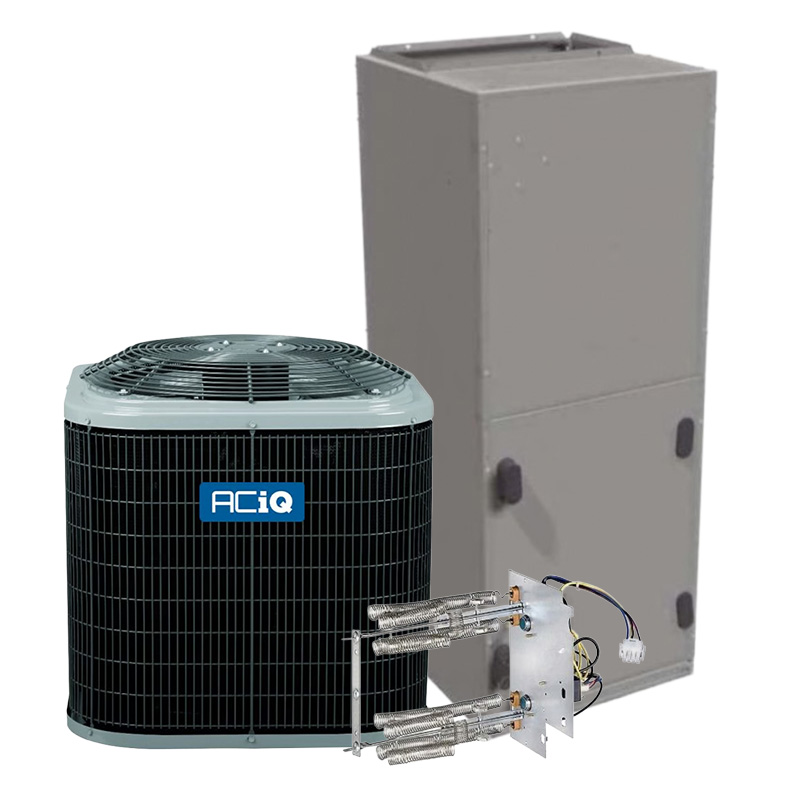
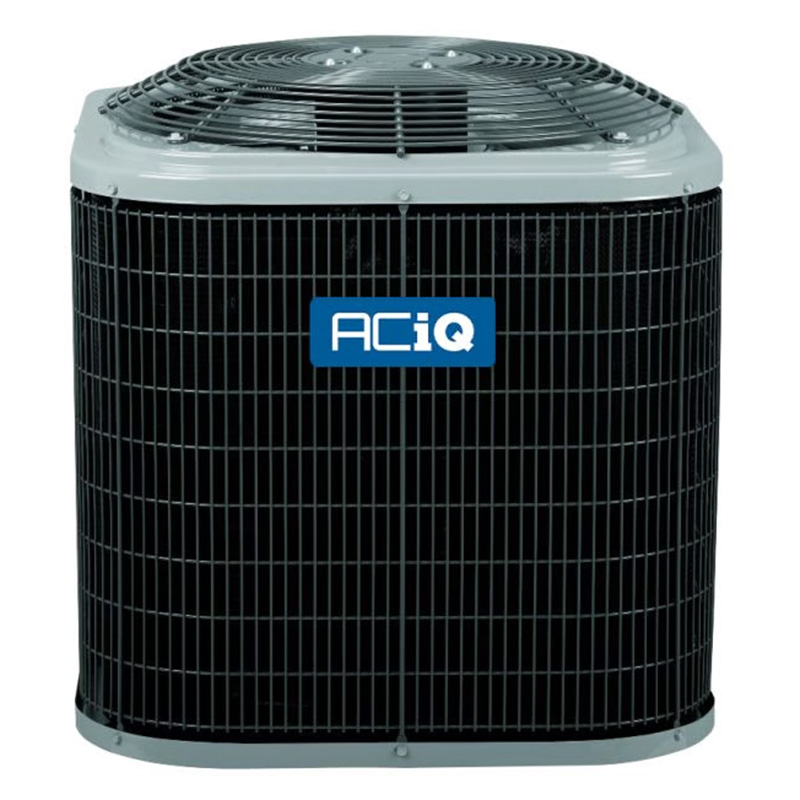
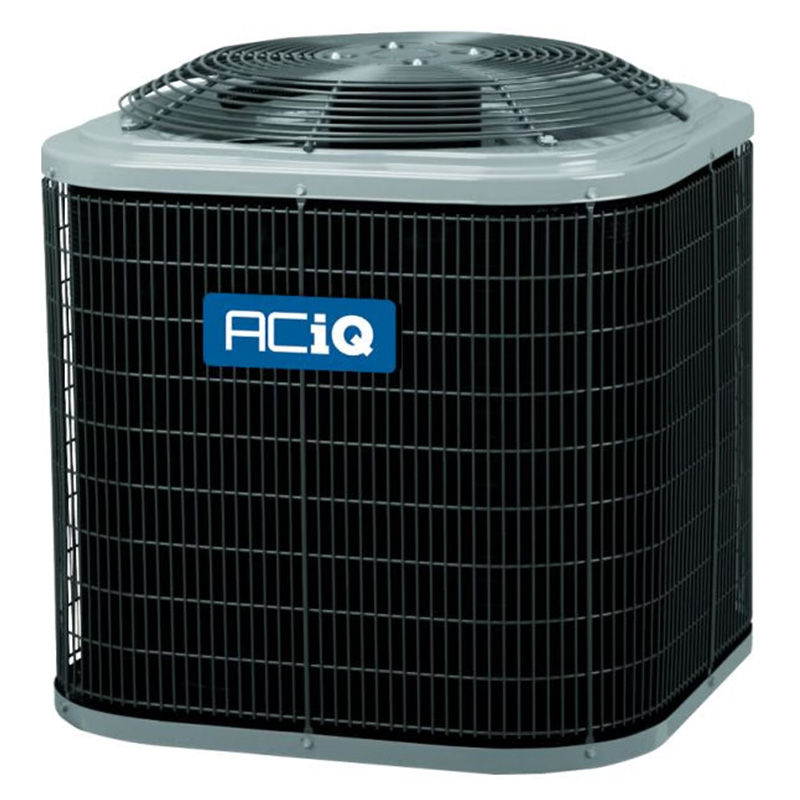
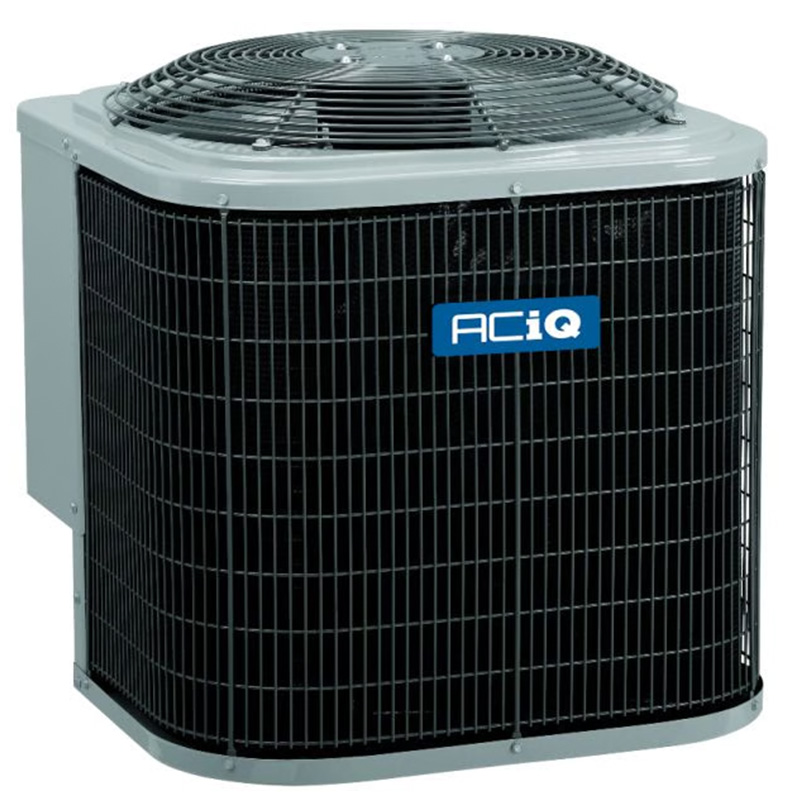
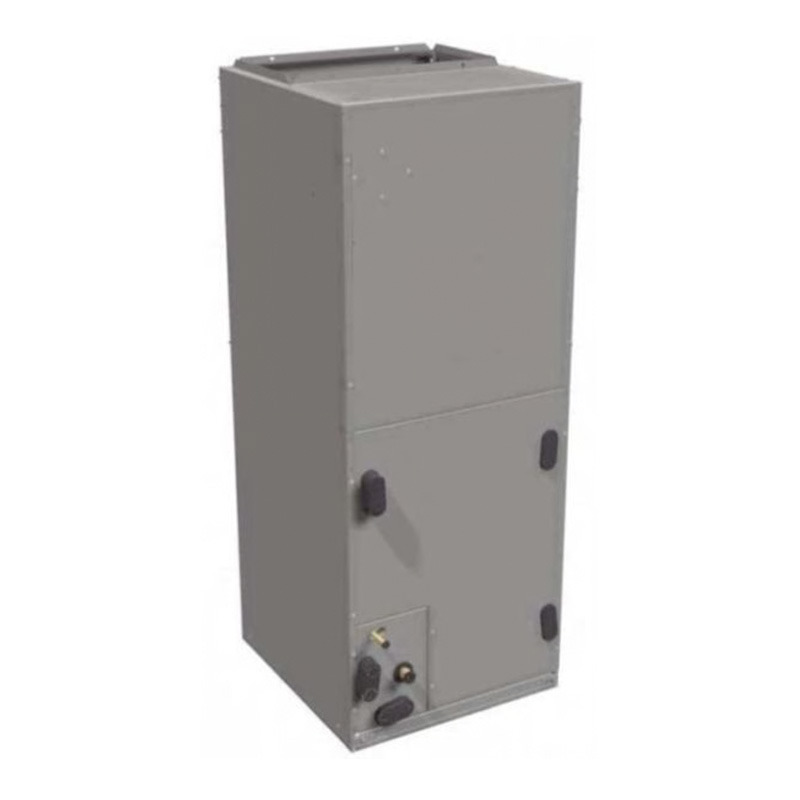
ACiQ 4 Ton Air Conditioning With Electric Heat System | 15.2 SEER2 AC | 24" Wide Multi-Positional Modular Air Handler | R454B
View on AC Direct see your lowest price →Check current price on AC Direct →
Key features
- 15.2 SEER2 efficiency rating meets current federal standards for all U.S. climate regions
- R-454B refrigerant complies with current low-GWP regulations and avoids near-term phase-out
- 24-inch wide air handler cabinet fits upflow, downflow, and horizontal installations
- Electric heat strips included, eliminating the need for a separate gas furnace
- Shipped direct with a 12-year parts warranty at no dealer markup
- Modular air handler design allows staged electric heat capacity configuration
About this system
The ACiQ 4-ton air conditioning system with electric heat pairs a 15.2 SEER2-rated condensing unit with a 24-inch wide multi-positional modular air handler, making it a practical choice for larger homes in the 2,000-to-2,600-square-foot range that rely on electric resistance backup heat rather than a gas furnace. The 24-inch cabinet width and multi-positional design mean the air handler can be installed upflow, downflow, or horizontal, giving contractors reasonable flexibility in tight mechanical rooms, crawlspaces, or attic installations. The system runs on R-454B refrigerant, the low-global-warming-potential replacement that new equipment is shifting to under current EPA regulations, so you are buying into the current refrigerant standard rather than a phase-out timeline.
At 15.2 SEER2, this system clears the federal minimum efficiency threshold for most U.S. climate regions and sits in the entry-to-mid range of the efficiency spectrum. It is not a variable-speed or inverter-driven system at this configuration, which keeps the purchase price down but also means it will cycle on and off at full capacity rather than modulating output to match load. That is a real trade-off worth weighing: you get lower upfront cost and straightforward service, but you give up the dehumidification performance and quiet partial-load operation that variable-speed equipment delivers. ACiQ positions this package as a direct-ship value alternative to dealer-installed name brands, and the price gap versus comparable Carrier, Trane, or Lennox equipment is the primary reason a cost-conscious buyer would consider it.
The ACiQ 4-ton 15.2 SEER2 package is a competitively priced entry-to-mid efficiency system that makes sense for budget-focused buyers comfortable sourcing their own equipment and hiring an independent contractor. The 12-year warranty is genuinely strong for the price tier, but thin long-term reliability data and an undisclosed manufacturer mean you are accepting more uncertainty than you would with a Carrier or Trane of similar efficiency. It is a reasonable bet, not a sure thing.
Overall score is the average of the five ratings above.
What we like
- Price undercuts comparable name-brand systems by a meaningful margin when bought direct
- 12-year parts warranty ships standard, with no dealer markup inflating the coverage cost
- Multi-positional air handler covers the most common residential installation configurations
- R-454B refrigerant is current-generation, avoiding the phase-out exposure of older refrigerants
- Early owner reports consistently cite quiet operation and responsive ACiQ customer support
Trade-offs
- Consumer Reports has not yet assigned a reliability score due to insufficient long-term data on the brand
- The actual manufacturer is not disclosed, which complicates parts sourcing and cross-referencing service history
- Single-stage operation at this configuration means less precise humidity control and more on-off cycling than variable-speed alternatives
- No dealer network means you must vet and coordinate your own independent contractor, with no factory-authorized service structure behind it
What homeowners and pros say about ACiQ
Homeowners who have installed ACiQ equipment most commonly report that the systems run quietly and that the company’s customer support responds quickly when questions come up during or after installation. Early owner feedback skews positive on the basics: the units cool as rated, arrive reasonably well packaged for direct shipment, and the 12-year warranty has been honored without significant friction in documented cases. That said, Consumer Reports has not yet ranked ACiQ because the brand is relatively new and long-term field data is still thin. Without that independent reliability record, buyers are working from a shorter window of owner experience than they would have with an established name brand, and the honest answer is that compressor lifespan and coil durability over a 15-year horizon are not yet known quantities for this brand.
HVAC contractors who encounter ACiQ equipment in the field note that the undisclosed manufacturer creates a real practical challenge: when a capacitor fails or a coil develops a leak, cross-referencing parts to a known OEM line is harder than it would be with a Carrier or Trane unit where the lineage is transparent. Service contractors also point out that because ACiQ is sold direct rather than through a dealer network, there is no factory-authorized service structure, which means the quality of the installation and service experience depends entirely on the independent contractor a homeowner selects. The system itself is not the variable, your installer is, and that places more responsibility on the buyer to vet their contractor carefully before purchase.
Sources: Consumer Reports heat pump ratings, HVACDirect on the ACiQ brand, AHRI Directory of Certified Product Performance, U.S. DOE appliance and equipment efficiency standards.
What it costs to run
At 15.2 SEER2, cooling this 4-ton system for a typical 1200-hour cooling season at the U.S. average electricity rate of $0.17/kWh works out to roughly $644 per year in cooling, about $87 less per year than a minimum-efficiency 13.4 SEER2 unit of the same size. Your real cost depends on your climate and local rate.
Method: (48,000 BTU/hr ÷ 15.2 SEER2) × 1200 hours ÷ 1000 × $0.17/kWh. Rate source: U.S. EIA average; cooling hours: moderate-climate estimate.
How it compares
| Brand | Comparable model | SEER2 | Stage | Price position |
|---|---|---|---|---|
| ACiQ | 4-Ton 15.2 SEER2 AC with Electric Heat Air Handler | 15.2 | Single-stage | Value pick |
| Carrier | Comfort 24ACC6 with Fan Coil | 15.2 | Single-stage | Moderately higher through dealer installation |
| Trane | XR15 with Air Handler | 15.2 | Single-stage | Moderately to significantly higher through dealer installation |
| Lennox | Merit ML14XC1 with Air Handler | 14.3-15.2 depending on match | Single-stage | Moderately higher through dealer installation |
Competitor rows are comparable single-stage units at similar efficiency; price is relative position, not a quote.
Questions about this system
Can any licensed HVAC contractor install this system, or does it require a certified ACiQ dealer?
Any licensed HVAC contractor can install it. ACiQ sells direct and has no proprietary dealer network, so you hire an independent contractor of your choice. Make sure they are familiar with R-454B refrigerant handling, as some older contractors may not yet have the required equipment for the newer refrigerant.
What size electric heat strips does this air handler support, and how do I size them correctly?
The modular air handler is designed to accept field-installed or factory-configured electric heat kits in varying kilowatt ratings. Correct sizing depends on your climate zone and the heat loss calculation for your home; in most cases a Manual J load calculation by your installer will determine the right strip heater size. Oversizing electric heat strips increases operating costs without improving comfort.
How does 15.2 SEER2 compare to the older SEER ratings I see on other equipment?
SEER2 uses a more demanding test procedure than the original SEER standard, so a 15.2 SEER2 rating is roughly equivalent to a 16 SEER rating under the old methodology. This system clears the federal minimum for most regions and is a reasonable mid-tier efficiency level, though it is below the 17-plus SEER2 ratings available on higher-end inverter-driven equipment.
If ACiQ does not disclose its manufacturer, how do I source replacement parts down the road?
ACiQ supports parts availability through its own direct channel, and forum speculation suggests a connection to the ICP and Carrier family of manufacturers, though this is unconfirmed. In practice, the 12-year parts warranty covers most components during the system's prime years, but the undisclosed manufacturer does make independent parts cross-referencing harder than it would be with a publicly branded unit.
Is this system a good fit for a humid climate where dehumidification matters a lot?
It will cool and remove some humidity, but single-stage operation is less effective at dehumidification than a variable-speed or two-stage system, because it runs at full blast and shuts off rather than running longer at lower capacity to pull more moisture from the air. If you are in a consistently humid climate like the Gulf Coast or Southeast, a variable-speed system would be a meaningful upgrade in comfort.
Specifications
| Cooling capacity | 4 Ton |
| Efficiency | 15.2 SEER2 |
| Refrigerant | R-454B |