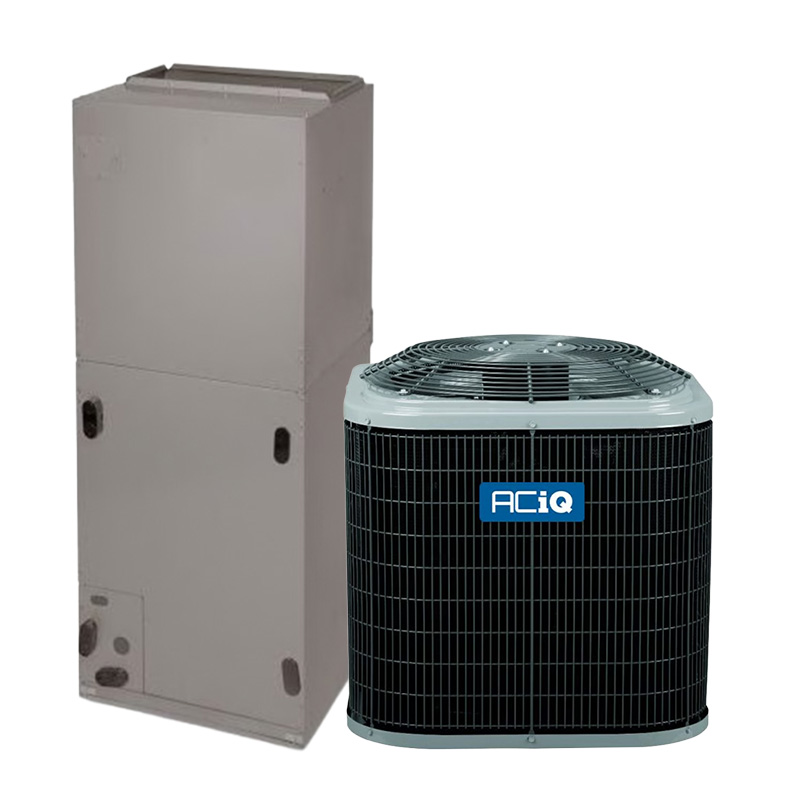
ACiQ 4 Ton Cooling Only Air Conditioning System | 15.5 SEER2 AC | 24" Wide Variable Speed Multi-Positional Modular Air Handler | R454B
View on AC Direct see your lowest price →Check current price on AC Direct →
Key features
- 15.5 SEER2 efficiency rating meets current DOE regional minimums with room to spare in most U.S. climate zones
- Variable-speed air handler motor continuously modulates airflow for better humidity control and quieter part-load operation
- R-454B refrigerant complies with current EPA low-GWP requirements, protecting the investment against near-term refrigerant phase-outs
- 24-inch wide multi-positional cabinet supports upflow, downflow, and horizontal configurations in a single modular unit
- Cooling-only configuration suited to climates where a gas or separate heating source is already in place
- 12-year parts warranty included at purchase price with no dealer markup added to the coverage
About this system
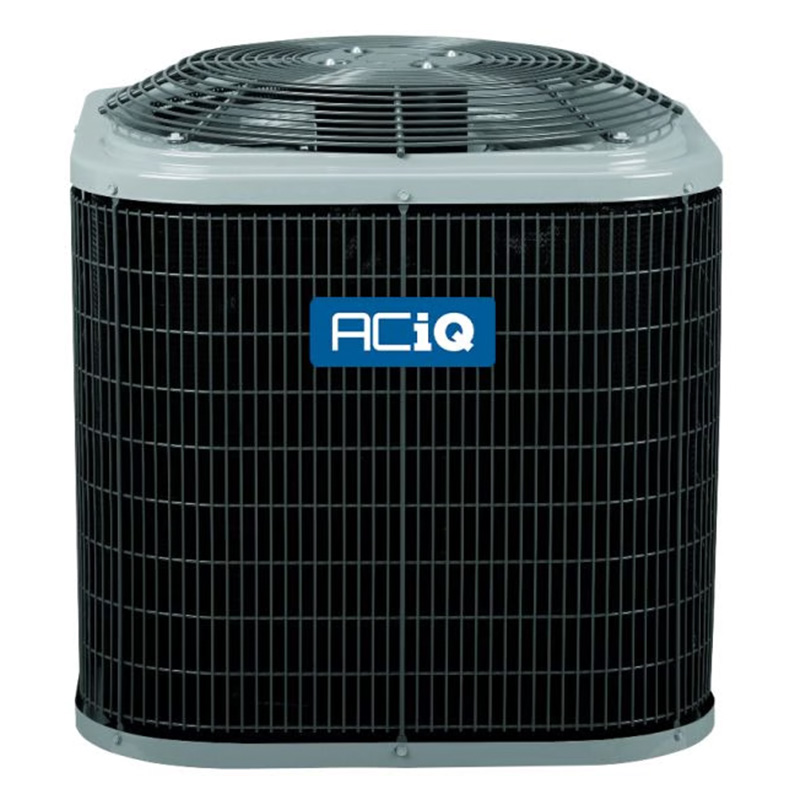
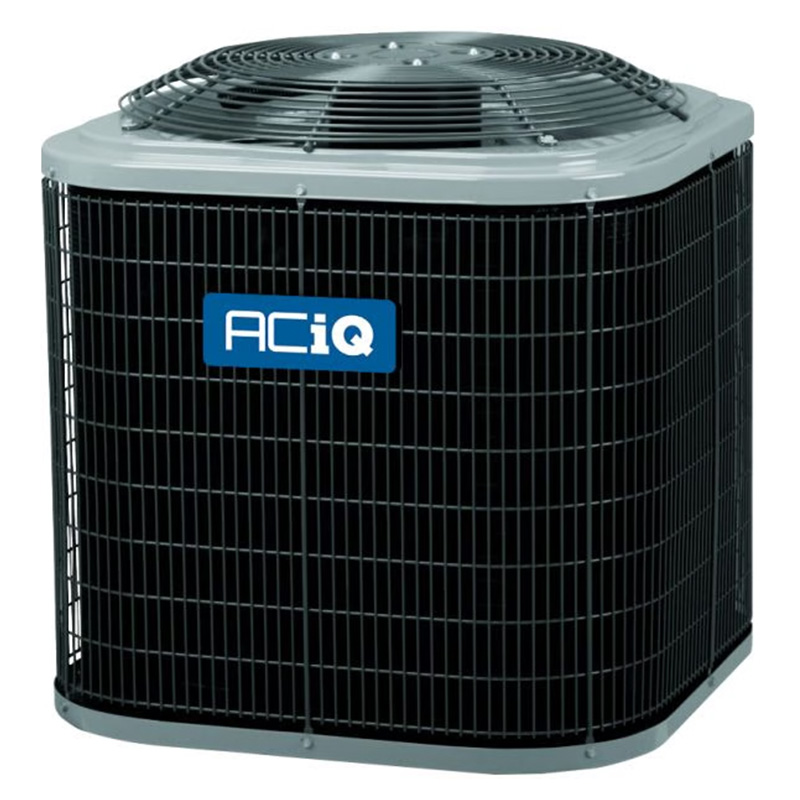
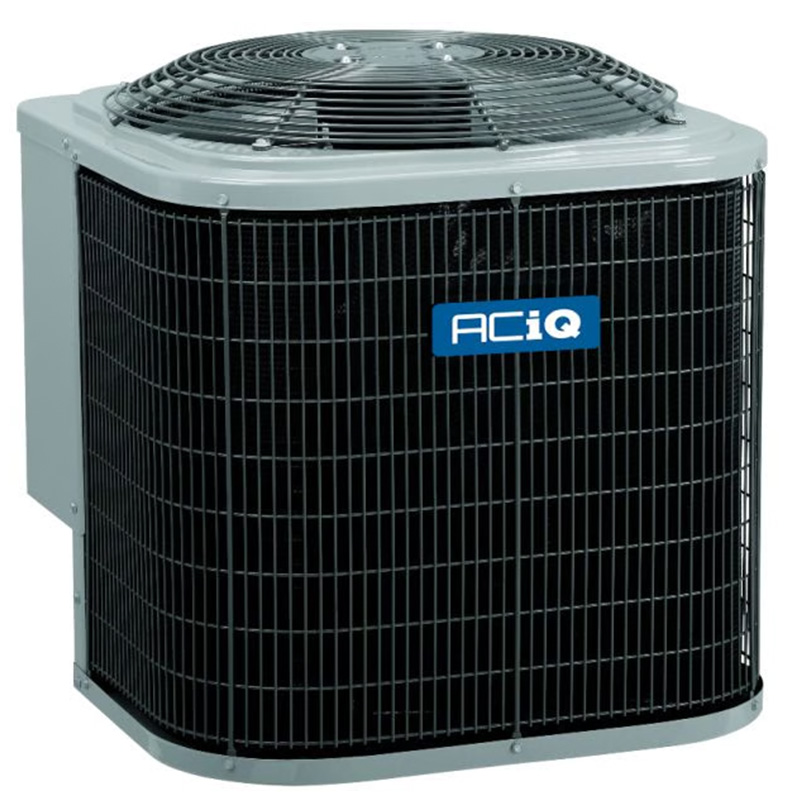
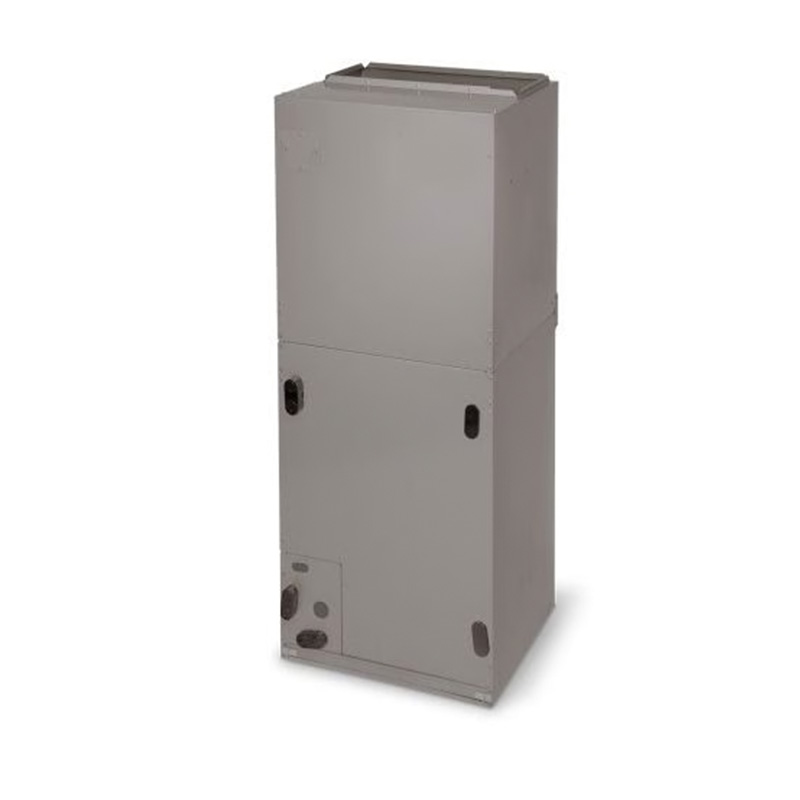
The ACiQ 4-Ton Cooling Only system pairs a 15.5 SEER2-rated condensing unit with a 24-inch wide, variable-speed, multi-positional modular air handler designed to fit upflow, downflow, and horizontal installations. Running on R-454B refrigerant, it meets current EPA regulatory requirements and avoids the long-term phase-out concerns tied to older R-410A equipment. At four tons, it is sized for homes roughly in the 2,000 to 2,600 square-foot range, though actual load calculations depend on climate zone, insulation, and window area, so a Manual J calculation before purchase is strongly recommended.
The variable-speed air handler is the standout hardware choice here. Unlike a single-stage or two-stage blower, a variable-speed motor adjusts airflow continuously, which reduces temperature swings, lowers electricity consumption at the air handler, and keeps the system running longer at lower capacities for better humidity removal. The modular design allows the cabinet to be configured for multiple installation orientations, which gives contractors more flexibility in tight mechanical rooms or finished basements. This system suits budget-conscious homeowners who want inverter-era technology without paying name-brand dealer markups, and who are comfortable purchasing direct and managing their own contractor relationship.
The ACiQ 4-Ton 15.5 <a href="https://hvac.best/glossary/seer2/">SEER2</a> system offers genuine variable-speed technology and a solid efficiency rating at a price that consistently undercuts Carrier, Trane, and Lennox equivalents. The trade-off is real: the brand is new enough that long-term reliability data is thin, the manufacturer is undisclosed, and service depends entirely on finding a knowledgeable independent contractor. For a cost-focused buyer with a reliable local HVAC tech, it is a reasonable bet; for a buyer who prioritizes established service networks and documented reliability history, the uncertainty is worth weighing carefully.
Overall score is the average of the five ratings above.
What we like
- Price lands meaningfully below comparable variable-speed systems from Carrier, Trane, and Lennox
- Variable-speed blower improves comfort and humidity control compared to single-stage or two-stage air handlers
- R-454B refrigerant is current-generation, reducing risk of refrigerant supply issues or regulatory costs over the system's life
- 12-year parts warranty is competitive with name brands and arrives without dealer-added charges
- Multi-positional modular air handler reduces installation complexity in homes with non-standard mechanical room layouts
Trade-offs
- No independent long-term reliability data exists; Consumer Reports has not yet ranked the brand due to insufficient service history
- Undisclosed manufacturer makes parts sourcing and cross-referencing service records harder for contractors unfamiliar with the brand
- Sold direct with no dealer network, so warranty service depends on finding a willing independent contractor who will work on a brand they did not supply
- Cooling-only configuration means a separate heating system must already be present and compatible, adding coordination complexity
What homeowners and pros say about ACiQ
Early owner sentiment around ACiQ equipment, including this cooling-only line, centers on three consistent themes: quieter-than-expected operation once running at part load, straightforward communication from ACiQ’s support team when questions come up, and satisfaction with the price paid relative to installer quotes on name-brand alternatives. Consumer Reports has not yet assigned ACiQ a reliability score because the brand lacks the years of service history needed to generate statistically meaningful data, which is an honest and important gap to acknowledge. There are no widely documented Consumer Affairs or aggregated dealer review scores to cite for this specific product line at this time, and any claims otherwise would be fabricated.
From a service perspective, the documented concerns that come up in HVAC professional forums are practical rather than catastrophic. Technicians note that without a disclosed OEM, they cannot easily cross-reference parts to a known manufacturer’s catalog, which adds friction during repairs. The specific failure modes that are worth watching in direct-sold, value-positioned inverter systems generally include capacitor degradation in the outdoor unit, refrigerant coil integrity over time, and long-term compressor durability under high-duty-cycle conditions in hot climates. None of these have been documented as recurring ACiQ-specific defects at this point, but the brand simply has not been in enough hands long enough to rule them out. The 12-year parts warranty provides a meaningful backstop, provided the homeowner can find a contractor willing to do the warranty labor work on equipment they did not supply and install themselves.
Sources: Consumer Reports heat pump ratings, HVACDirect on the ACiQ brand, AHRI Directory of Certified Product Performance, U.S. DOE appliance and equipment efficiency standards.
What it costs to run
At 15.5 SEER2, cooling this 4-ton system for a typical 1200-hour cooling season at the U.S. average electricity rate of $0.17/kWh works out to roughly $632 per year in cooling, about $99 less per year than a minimum-efficiency 13.4 SEER2 unit of the same size. Your real cost depends on your climate and local rate.
Method: (48,000 BTU/hr ÷ 15.5 SEER2) × 1200 hours ÷ 1000 × $0.17/kWh. Rate source: U.S. EIA average; cooling hours: moderate-climate estimate.
How it compares
| Brand | Comparable model | SEER2 | Stage | Price position |
|---|---|---|---|---|
| ACiQ | 4-Ton 15.5 SEER2 Cooling Only with Variable-Speed Air Handler | 15.5 | Variable | Value pick |
| Carrier | Comfort 24ACC636A003 with FB4C Air Handler | 15.2-16 SEER2 (series range) | Single-stage | Moderately higher after dealer markup |
| Trane | XR15 with TAM9 Air Handler | 15-15.5 SEER2 (series range) | Single-stage | Moderately higher after dealer markup |
| Lennox | Merit ML14XC1 with CBX25UH Air Handler | 15-15.5 SEER2 (series range) | Single-stage | Moderately to significantly higher after dealer markup |
Competitor rows are comparable single-stage units at similar efficiency; price is relative position, not a quote.
Questions about this system
Will any licensed HVAC contractor be able to install and service this system, or do I need a specialist?
Any EPA 608-certified HVAC technician can legally install and service it, but R-454B is still relatively new and some contractors have not yet handled it in the field. Confirm your contractor is comfortable with R-454B and with equipment sold direct before scheduling, since warranty service depends on them rather than a manufacturer-authorized dealer network.
Is 15.5 SEER2 good enough to qualify for federal tax credits or utility rebates?
The federal Inflation Reduction Act tax credit for central air conditioners generally requires meeting ENERGY STAR criteria, which for split systems typically means 16 SEER2 or higher in most regions as of 2023 guidance. At 15.5 SEER2, this unit may fall just short of that threshold, so verify current IRS guidance and your utility's specific rebate requirements before purchasing with that expectation.
The manufacturer is not disclosed. How do I find replacement parts if something fails years from now?
ACiQ is supported through AC Direct's parts supply chain, so many components are available directly from them. The challenge is that without knowing the OEM, a local parts house cannot cross-reference to a sister-brand part number, which can slow down emergency repairs if AC Direct is the only source. Keeping model and serial numbers handy and building a relationship with AC Direct's support line is the practical workaround.
This is a cooling-only unit. Can I add electric heat strips to the air handler for backup heat?
Many modular air handlers in this class are designed to accept electric heat strip kits as accessories. You should confirm with ACiQ directly that their specific air handler model in this package accepts heat kits and which kits are rated for use with it, since using an incompatible kit can void the warranty and create safety issues.
How does the variable-speed air handler actually help with humidity compared to a standard single-speed unit?
A variable-speed blower runs at lower speeds for longer periods rather than cycling on and off at full blast. Longer run times at lower airflow mean the evaporator coil stays cold and in contact with air longer, which pulls significantly more moisture out of the air before it recirculates into the home. In humid climates this can make a noticeable difference in indoor comfort even when temperatures are already at setpoint.
Specifications
| Cooling capacity | 4 Ton |
| Efficiency | 15.5 SEER2 |
| Refrigerant | R-454B |